On Sunday 16 November we cycle past six of the places. Bring your own bike; we start at 11:00 at the ferry at Buiksloterweg.
Registration is not required.
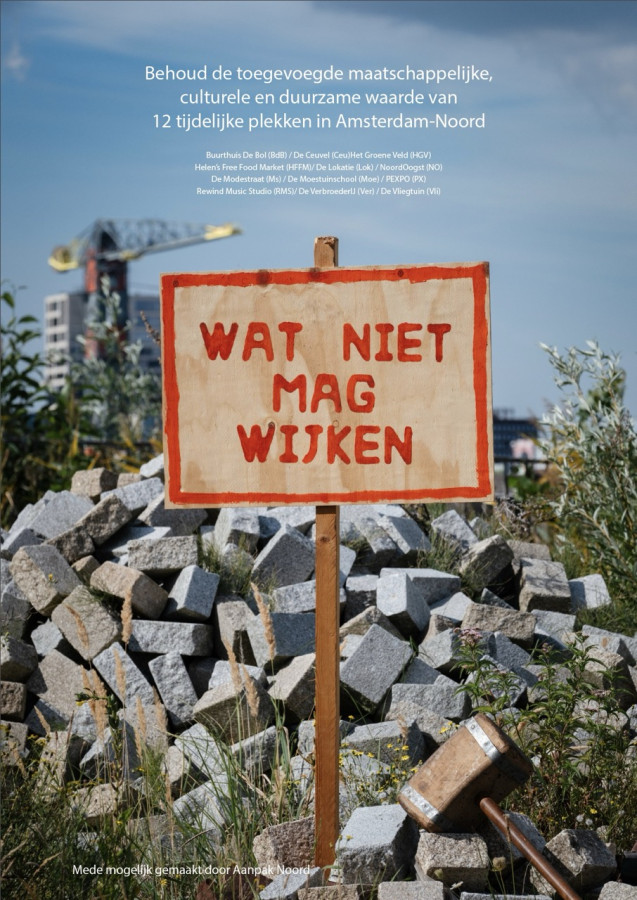
WAT NIET MAG WIJKEN
Colorful Noord at stake. Fourteen places under pressure of redevelopment.
Our way of working is just do it, and see what happens.
A city needs places where you can play.
We want to employ as many people as possible, preferably paid.
You can't make it on your own in this world, you just need people, those that live in your neighborhood most of all.
We wanted to create place that we would like to go to ourselves.
This place was conceived, built, and is run by and for local residents.
We want the freedom and space to learn and experiment.
We want to work based on trust.
As soon as you walk through the gate, you breathe in the atmosphere of freedom.
Everything can't be that much fun without the other things, it's the cross-fertilization between the art and the social activities that is vital.
The light from the north I've really come to love.
We connect people with their food, with the soil, and with the ground they live on.
We want to connect people through creativity.
Music is the art of leaving out, listen to each other, and something beautiful will emerge.
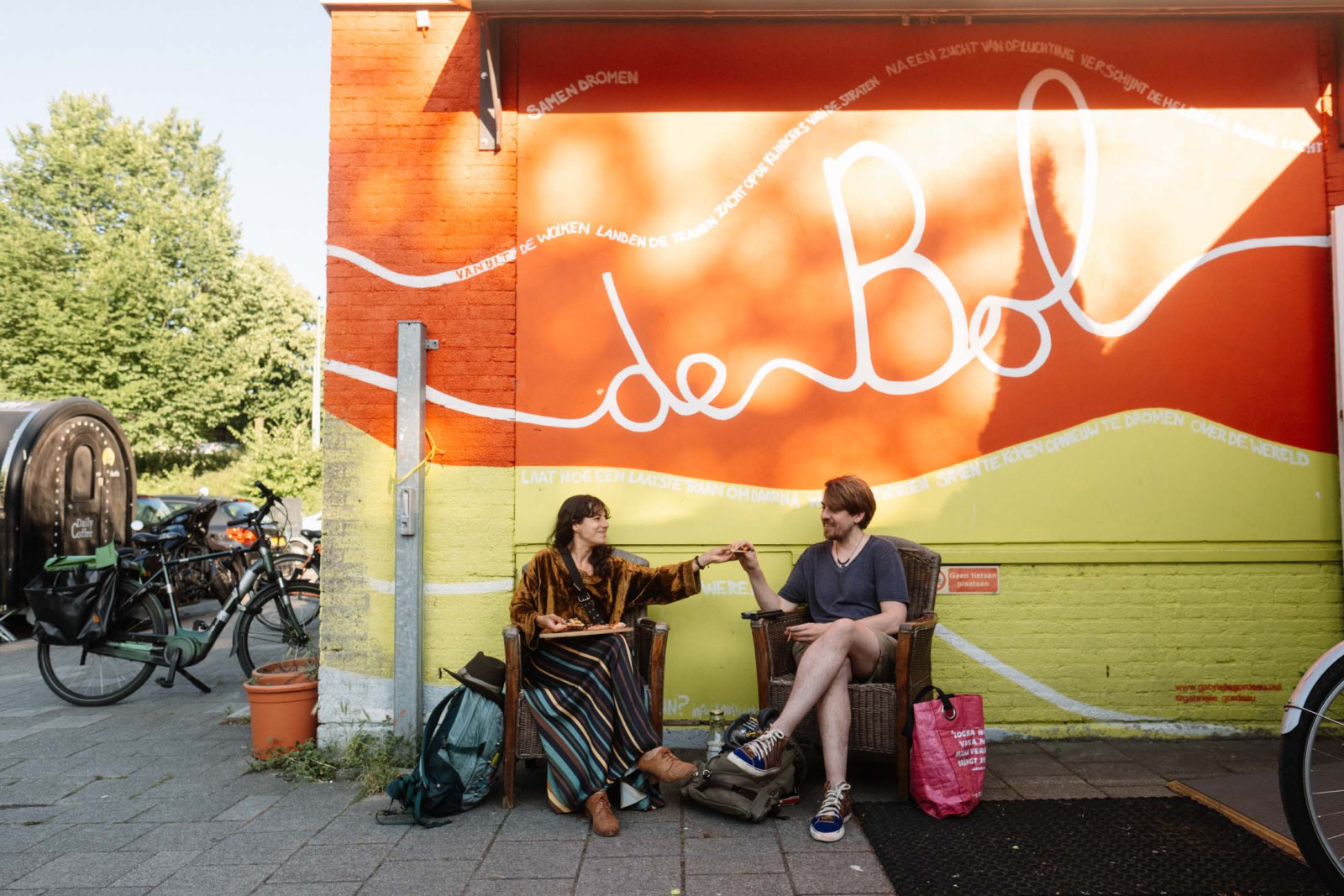
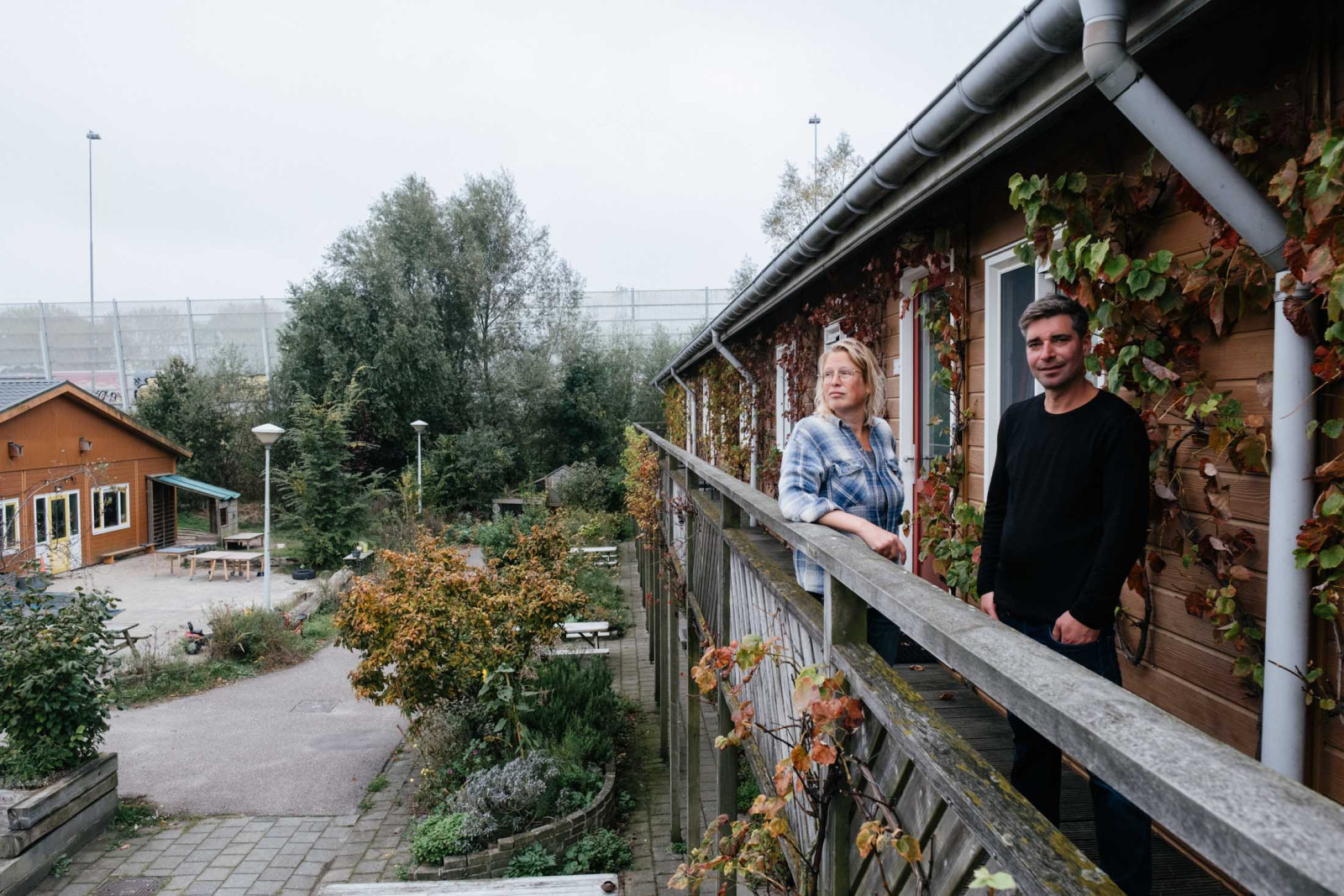
In a speech, district alderman Esther Lagendijk once promised to “provide the bricks” for a social initiative in the Kleine Wereld neighborhood if residents stepped up to make it happen. Local resident Mohamed Zouini held her to her word and received support from the district in finding a location. Together with community worker Merel Dym and a few engaged residents, they launched a community center in April 2022 in the former building of the Pancreation gym.
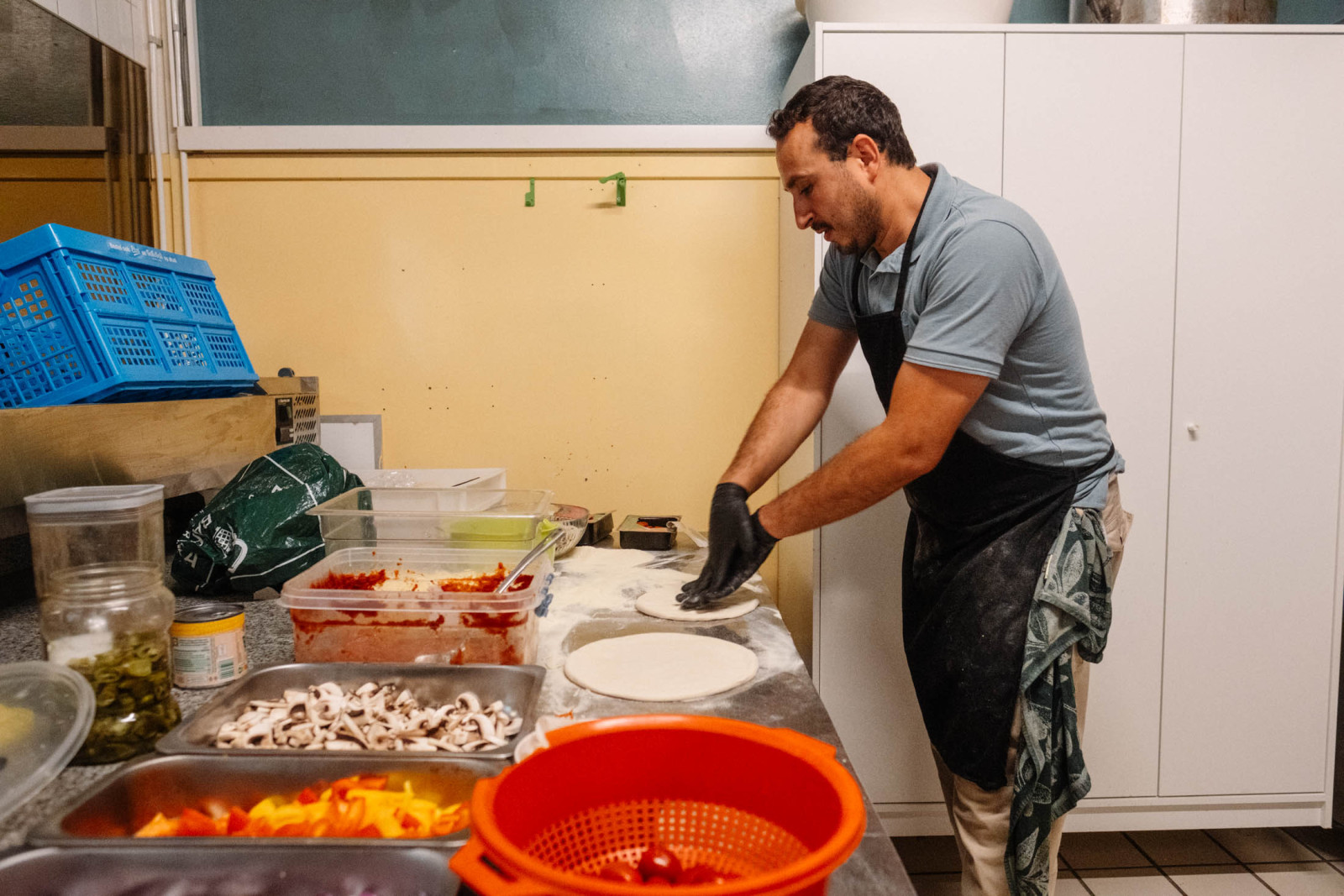
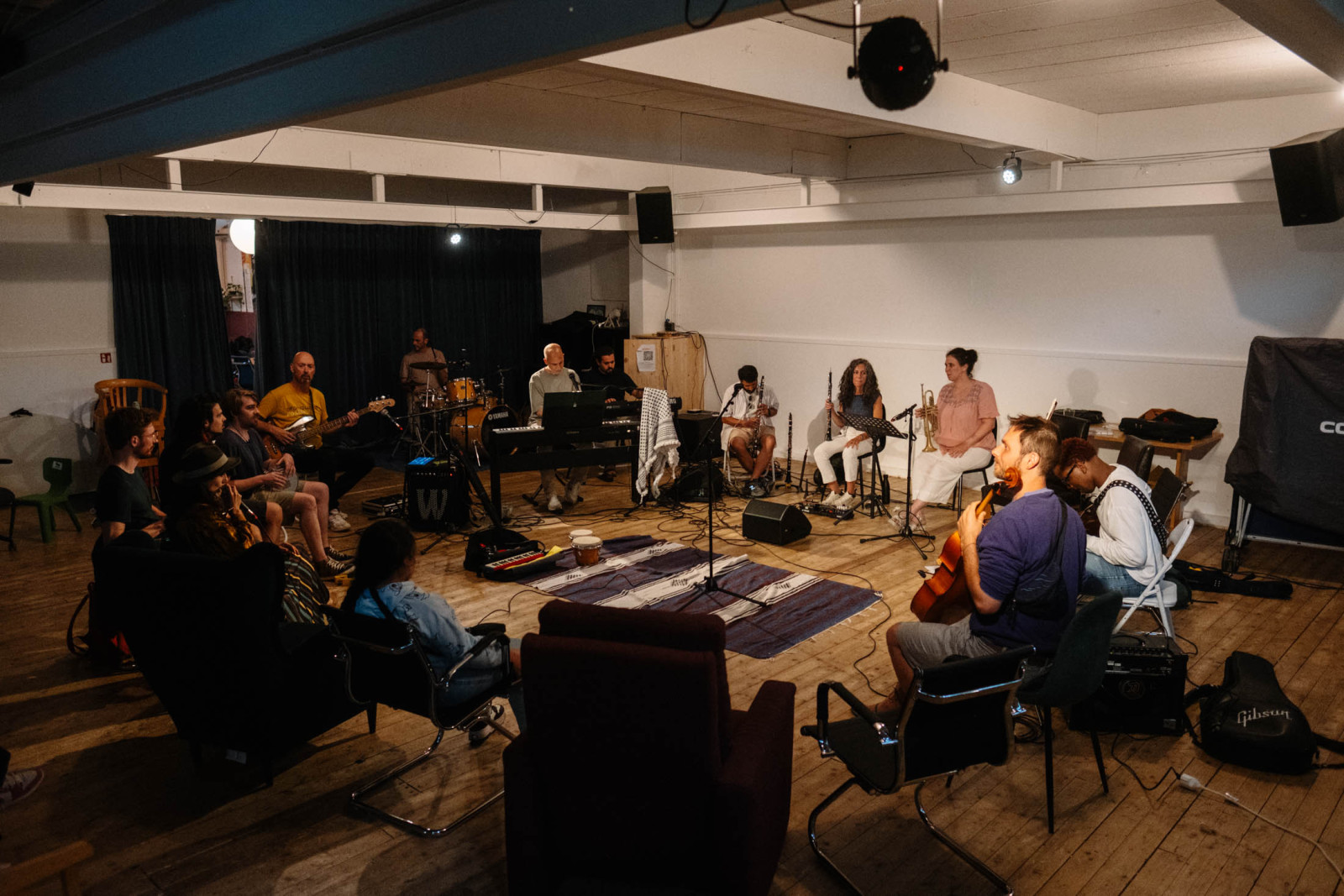
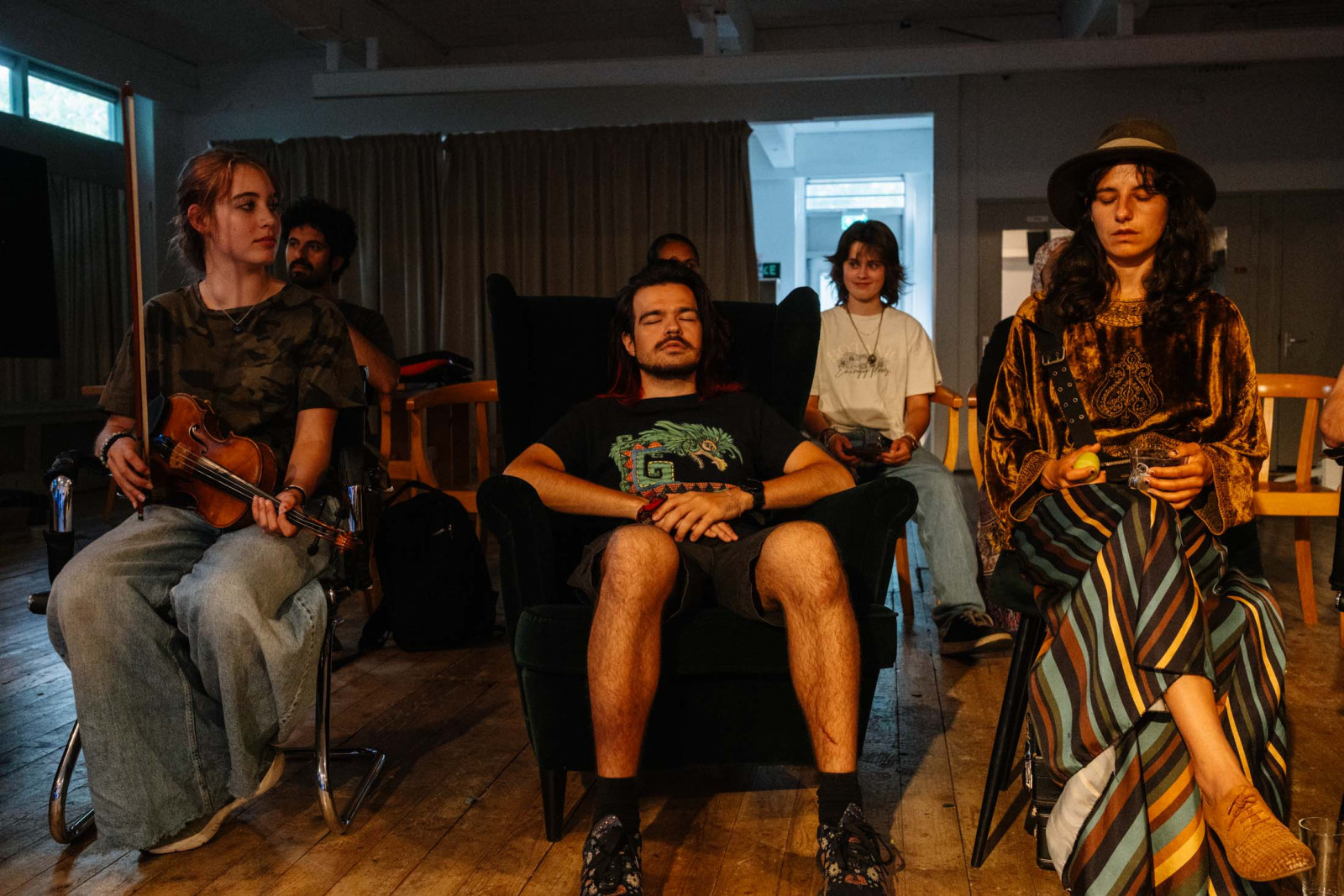
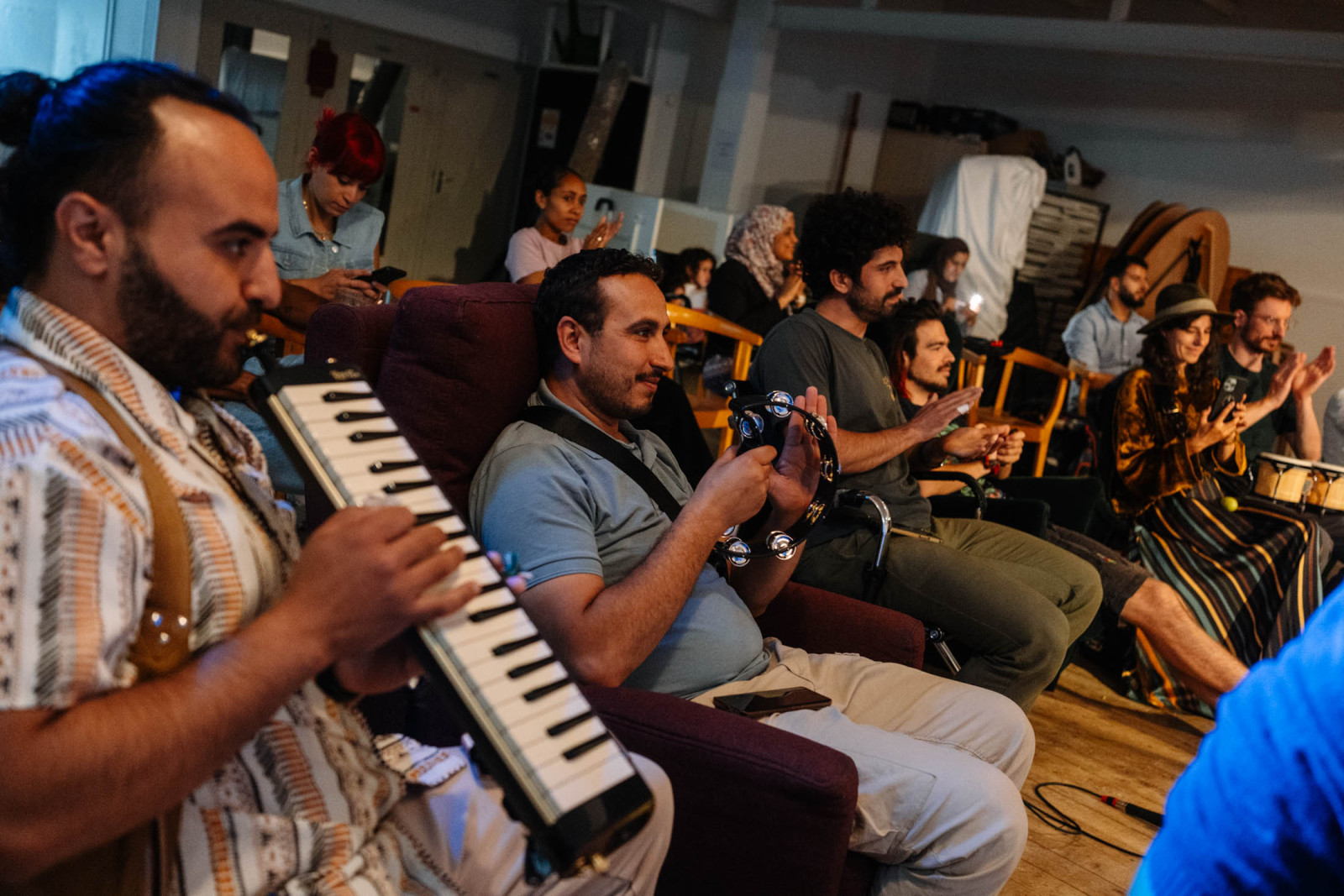
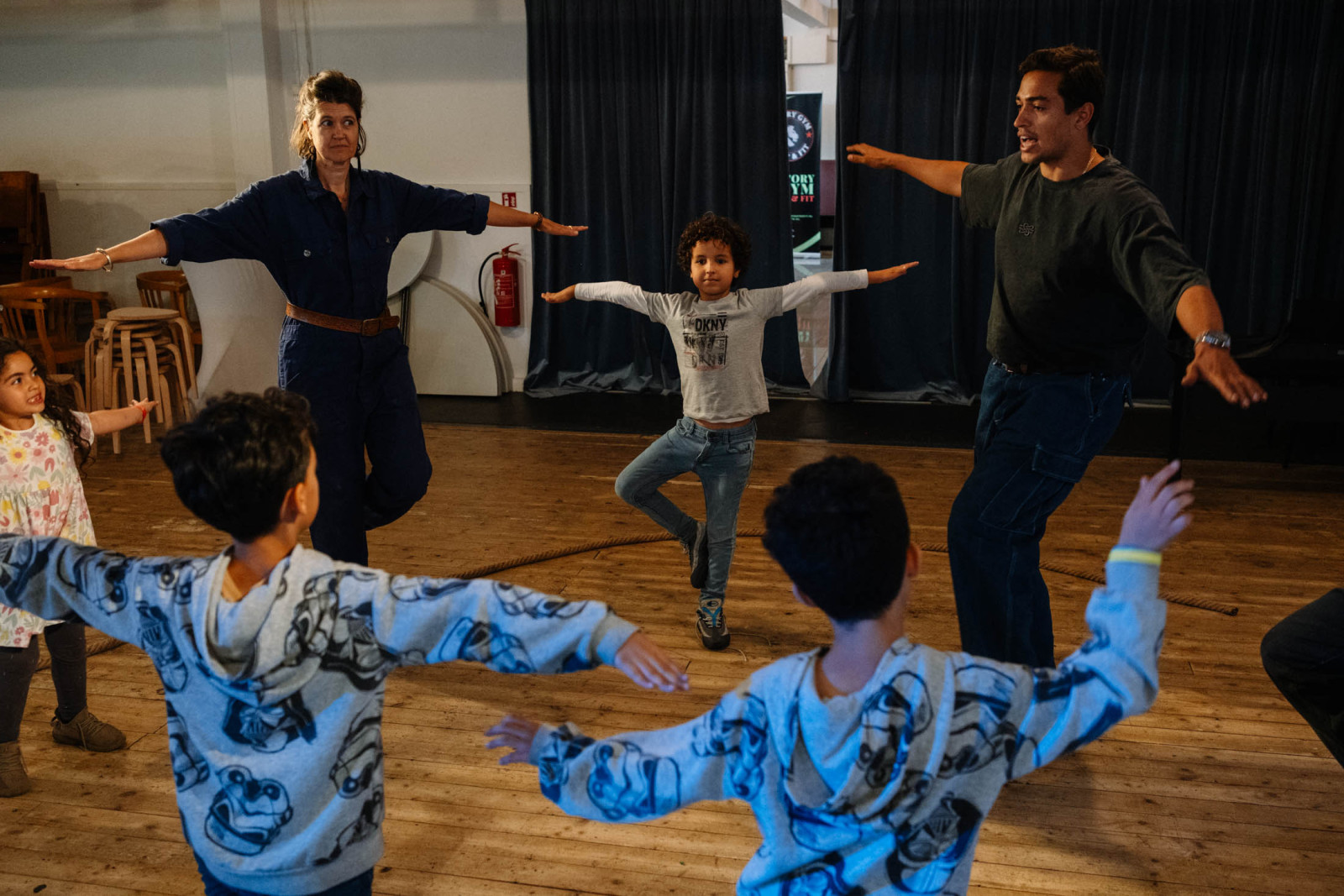
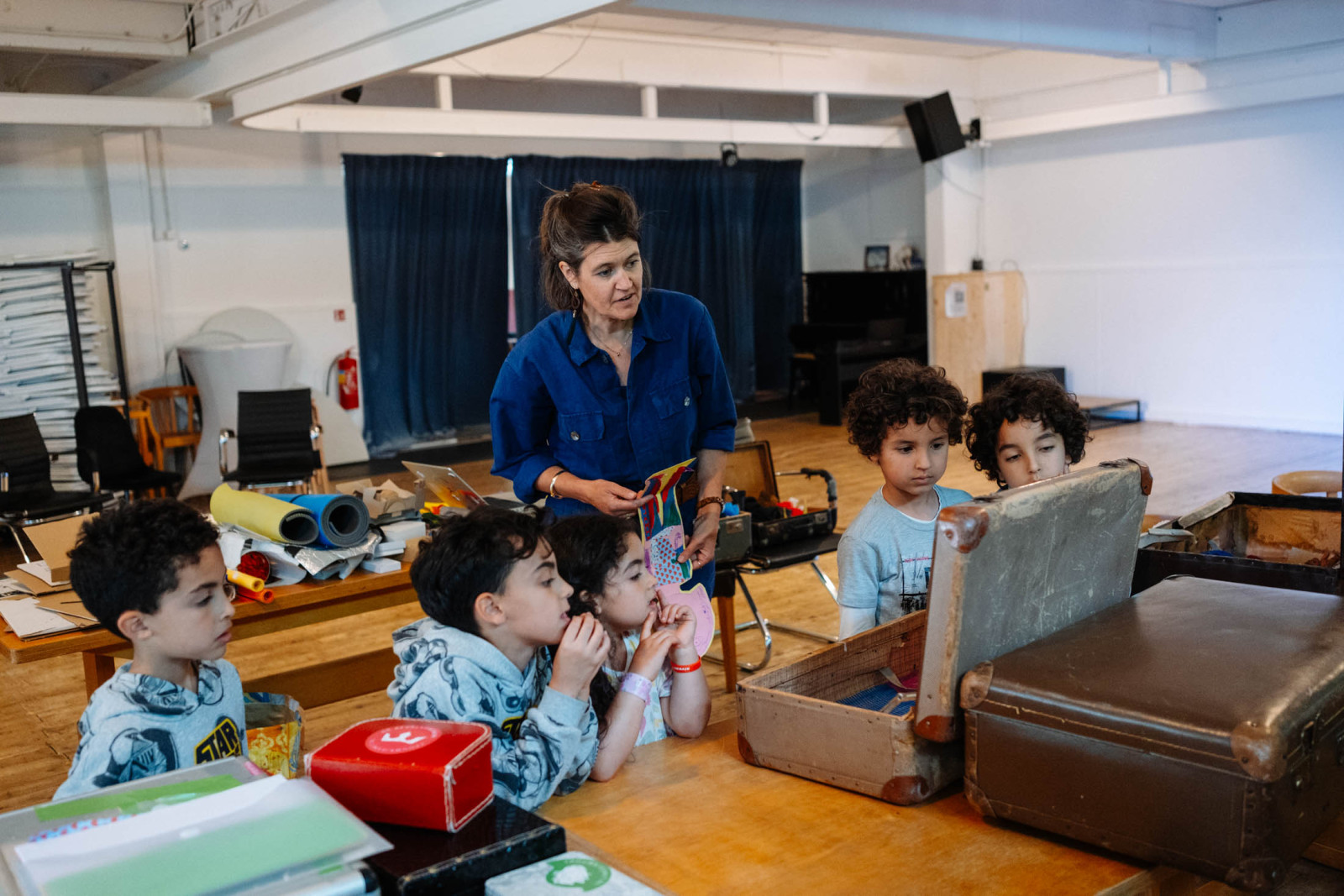
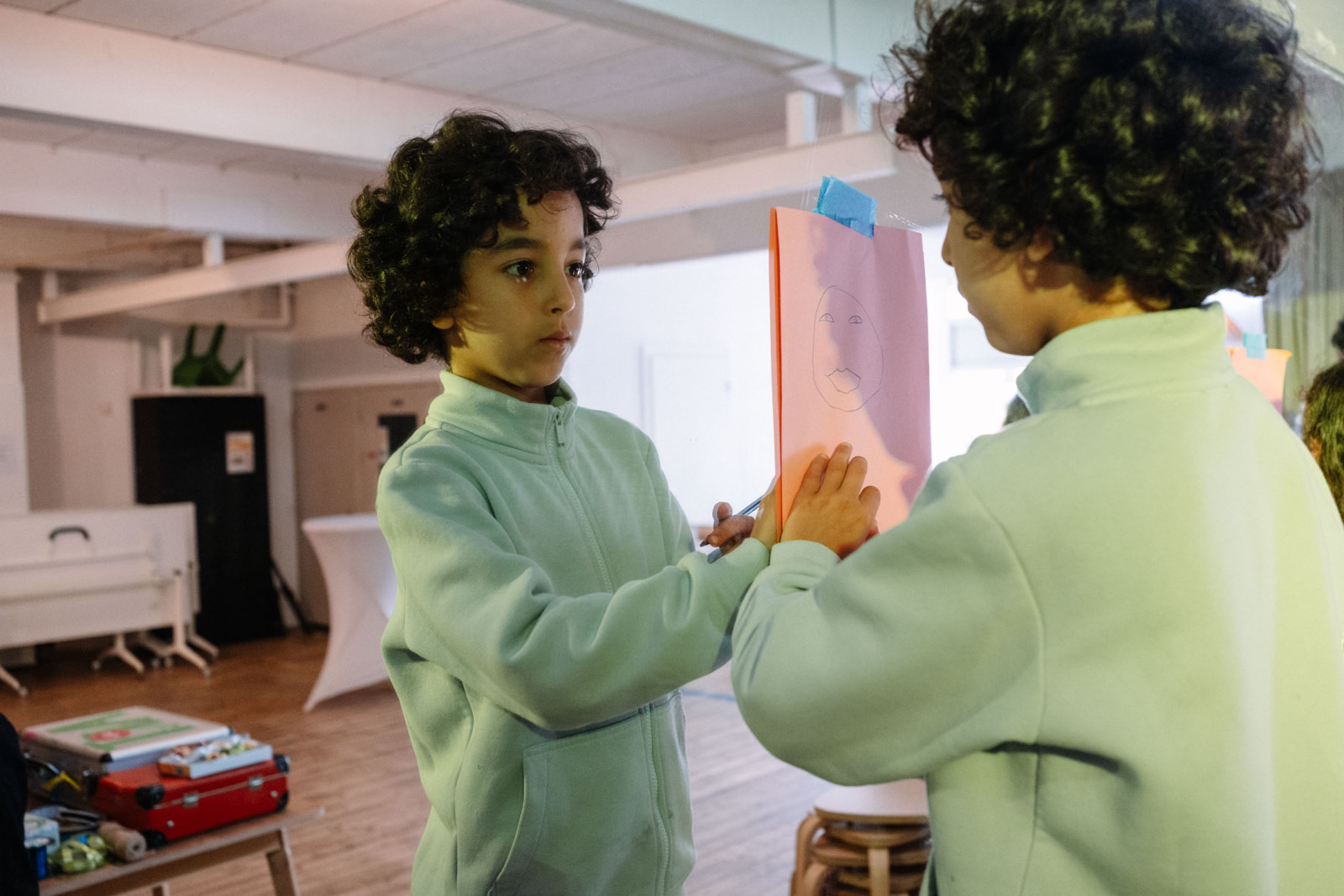
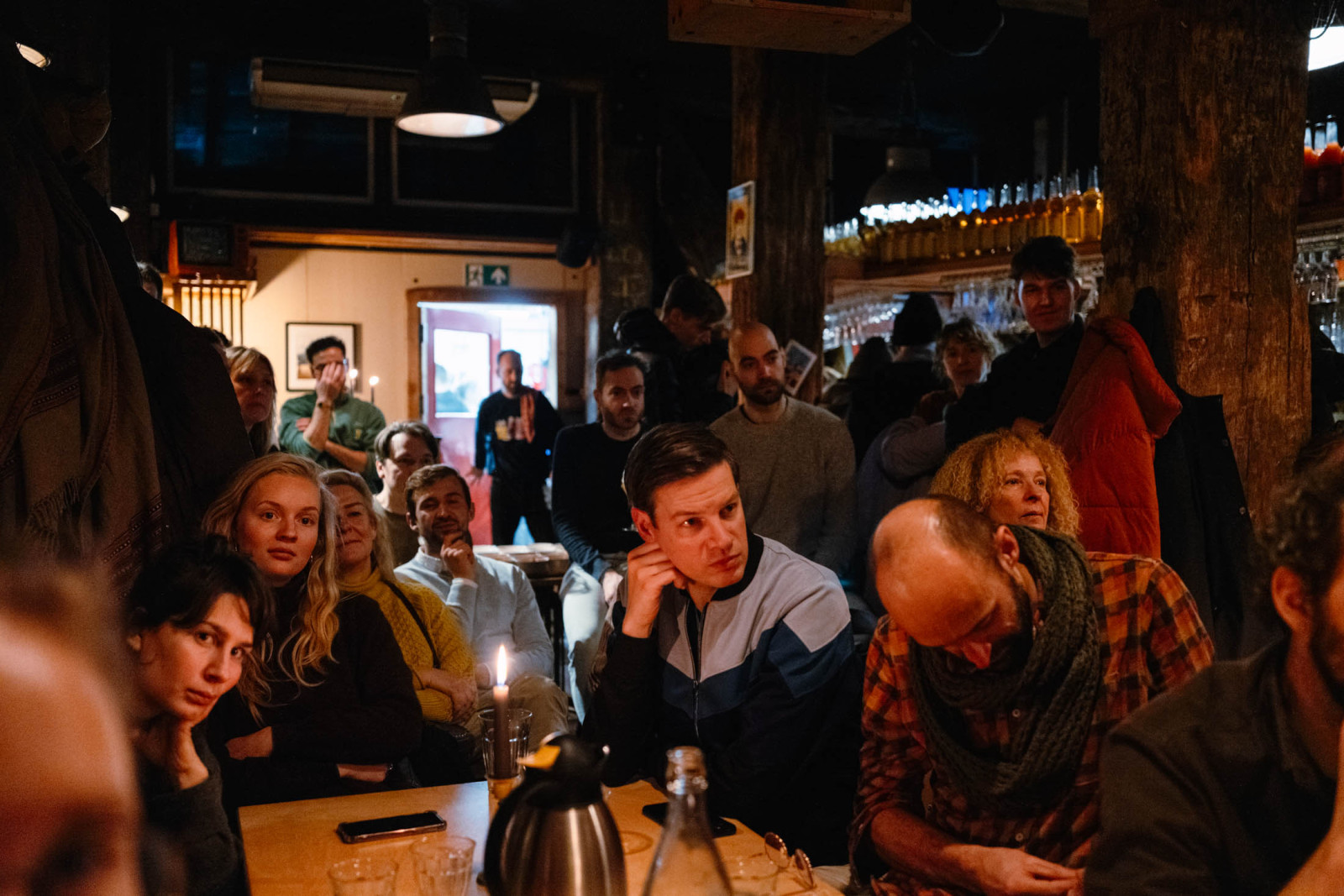
Soon, De Bol will become a neighborhood cooperative, meaning the organization will operate under a cooperative model, with members (local residents) officially in charge. Completely by and for the community. There is a vibrant program of cultural and social activities, ranging from jam sessions, weekly pizza nights, dance and kickboxing classes, to discussion evenings and meetings for victims of the child benefits affair. Also there is weekly homework support, and free play organized by Stichting Spin. Through the talent development program Pipijajalab, children can create stories using theater, dance, and music. The doors are always open during the day, and everyone is welcome, even if you just come for a cup of coffee or a chat.
Although there is currently no concrete plan for the redevelopment of the block, it is certain that De Bol will eventually have to make way, most likely for a residential tower. The long-term perspective is unclear, and there are no concrete options for a next location.
Interview met Interview met initatiefnemer en projectleider Mohammed Zouini en programmamaker Hanna Rudner.
9:22
Since: 2022 / Address: Zilverberg 68B / Function: community center / Perspective: no long-term lease, uncertain
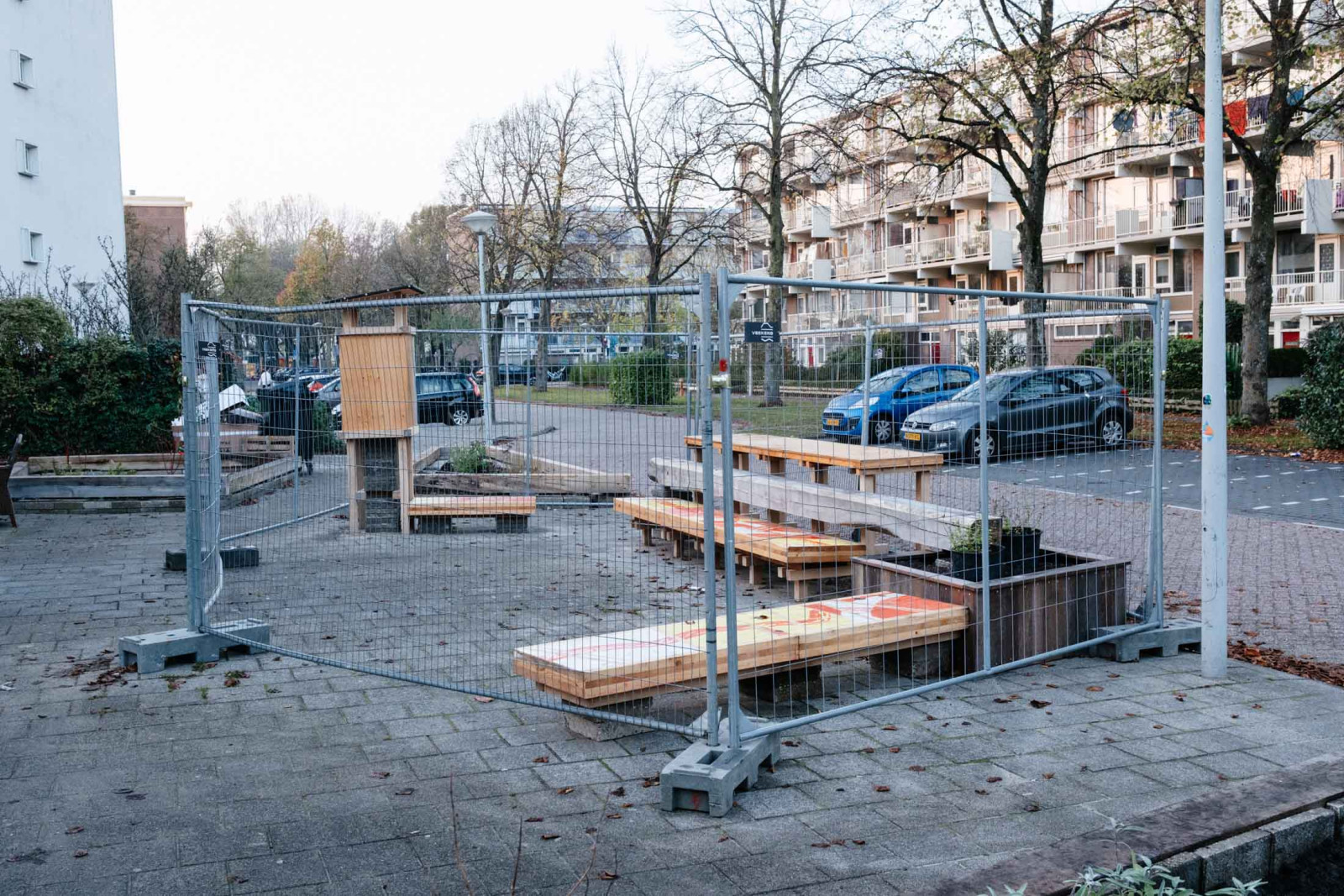
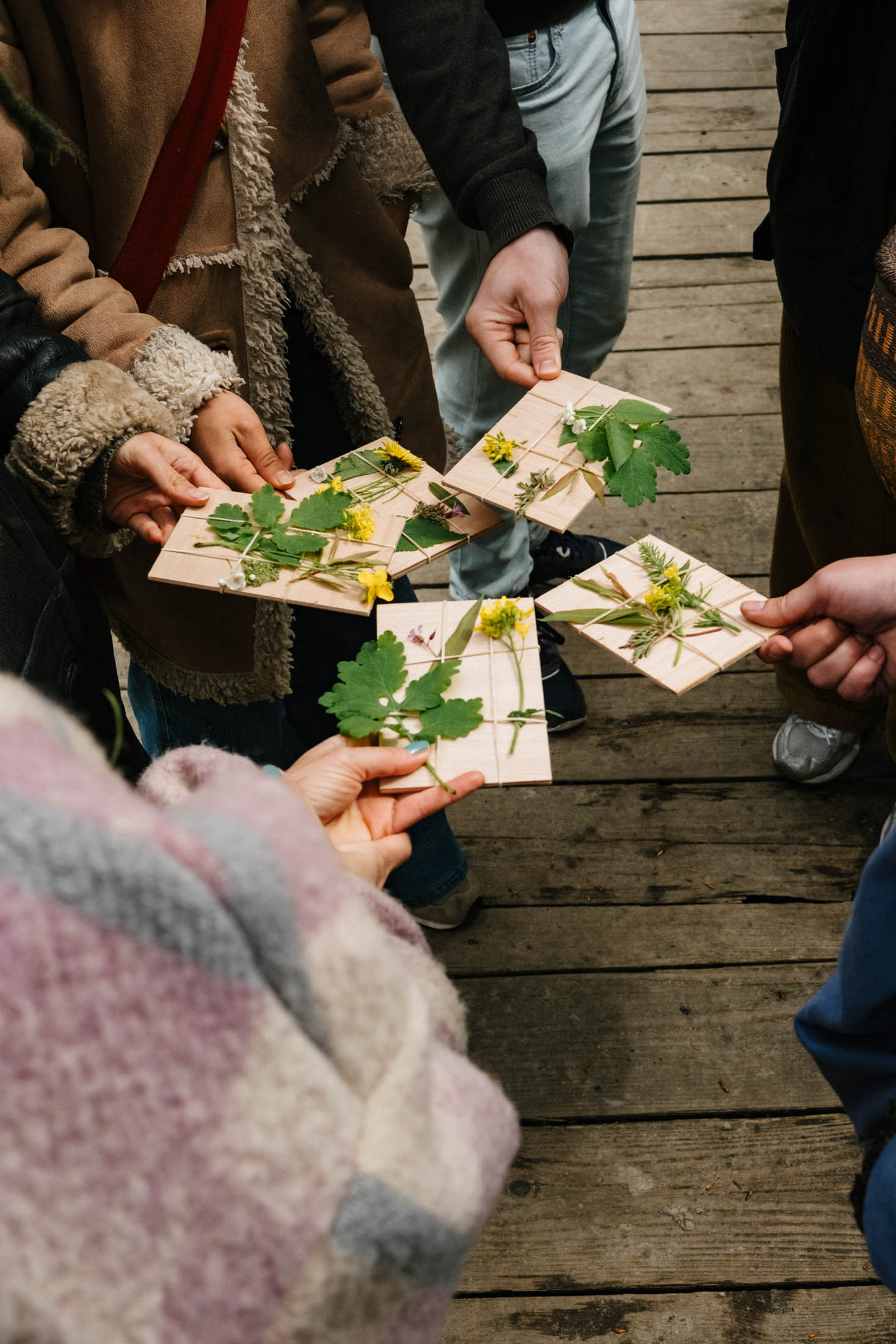
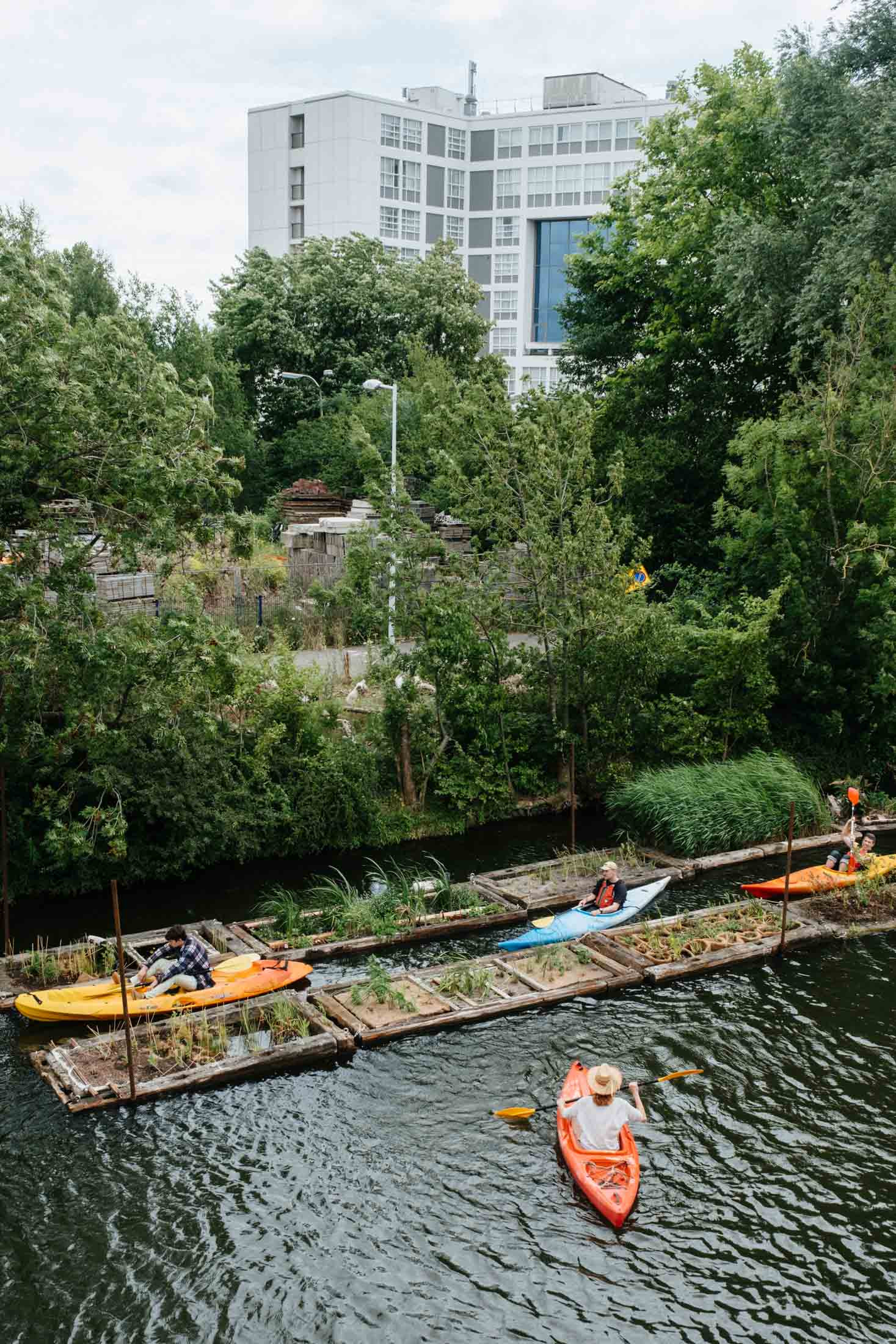
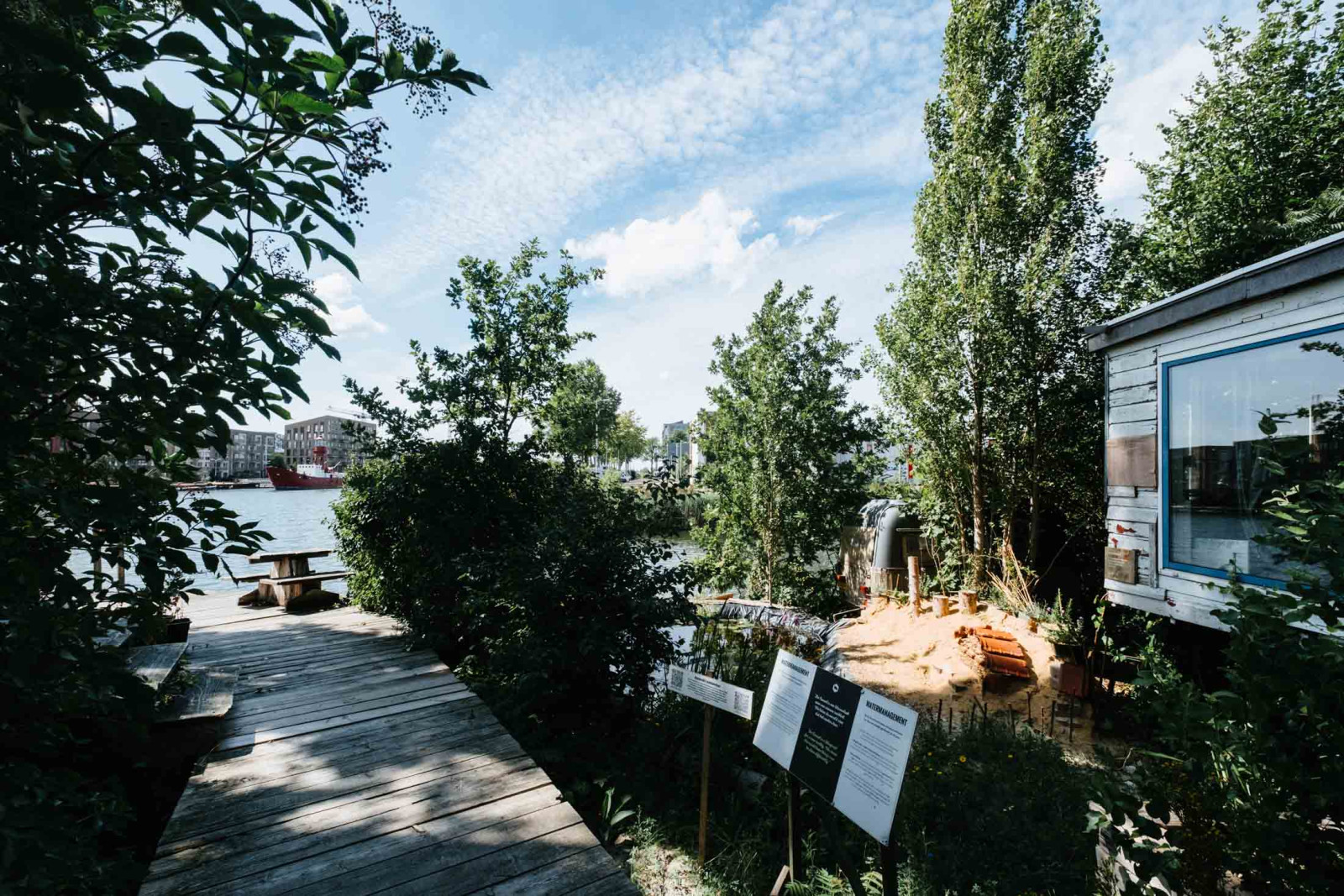
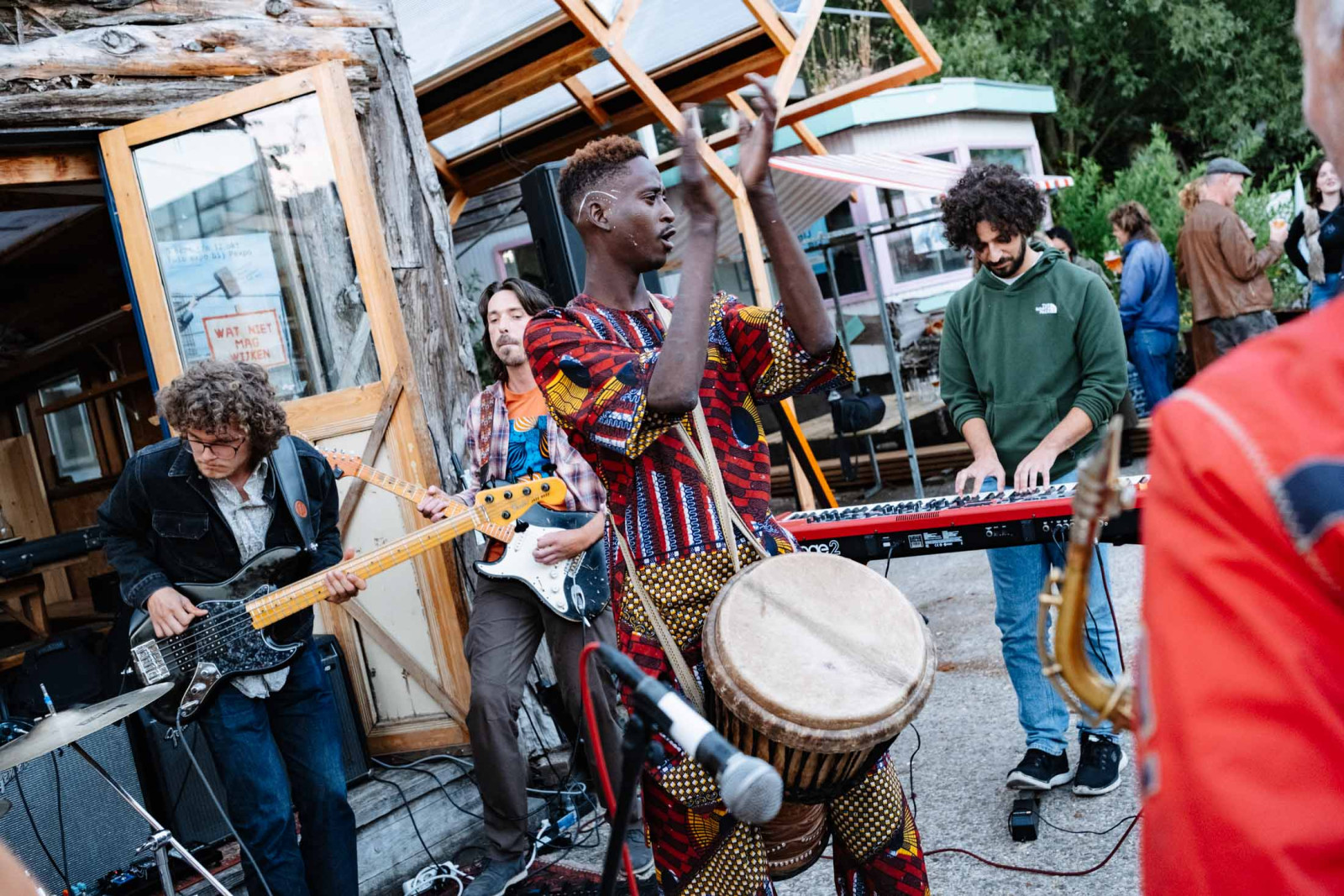
On one side, De Ceuvel borders a business and industrial area in transition; on the other, it faces the waters of the Johan van Hasseltkanaal-West. De Ceuvel is a hub for creative and social entrepreneurs and an experiment in sustainability. To create studios and workshops on the heavily polluted land, seventeen houseboats were placed on the ground in 2013 and connected by a wooden pier winding through a green oasis. The plants that grow there help purify the soil.
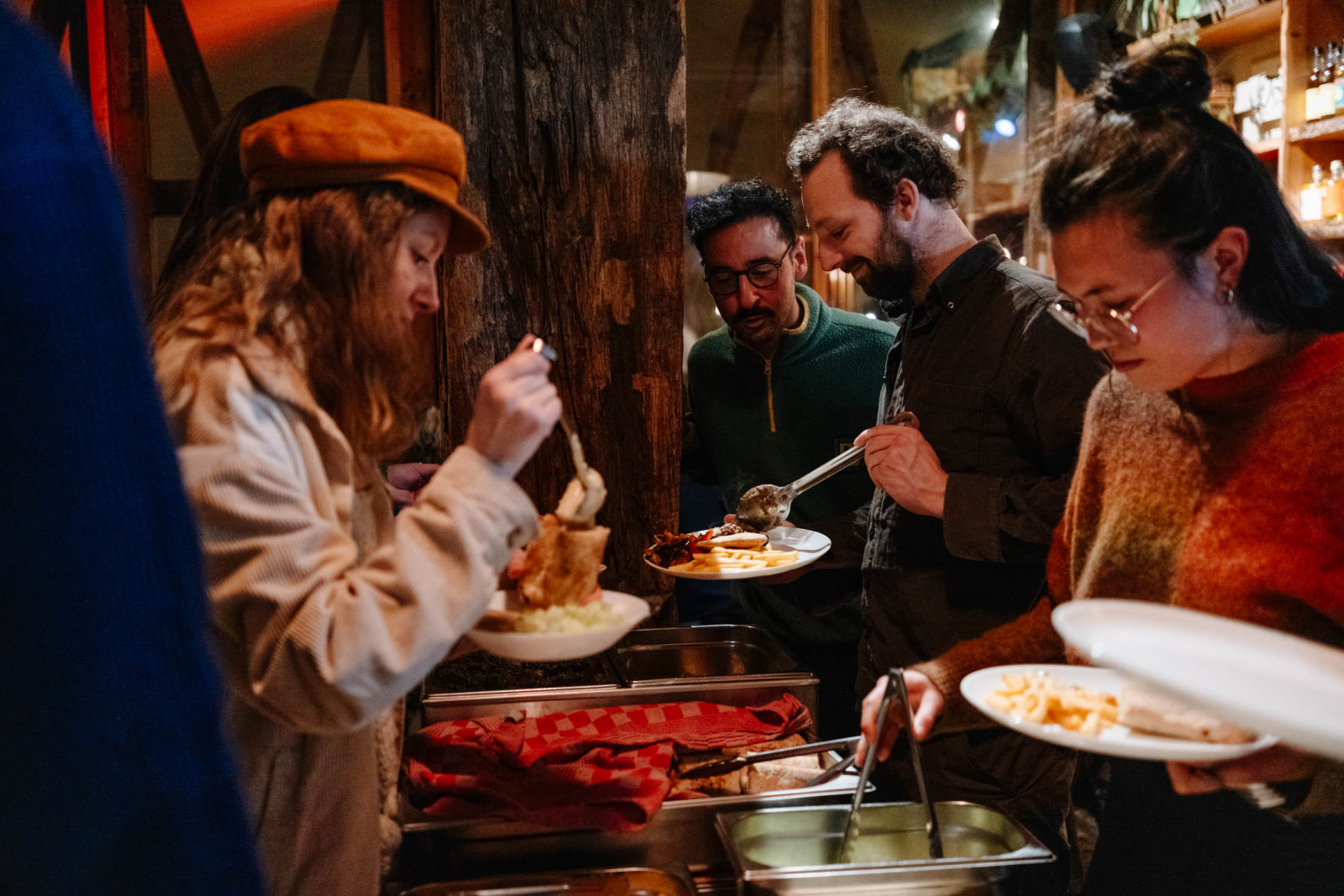
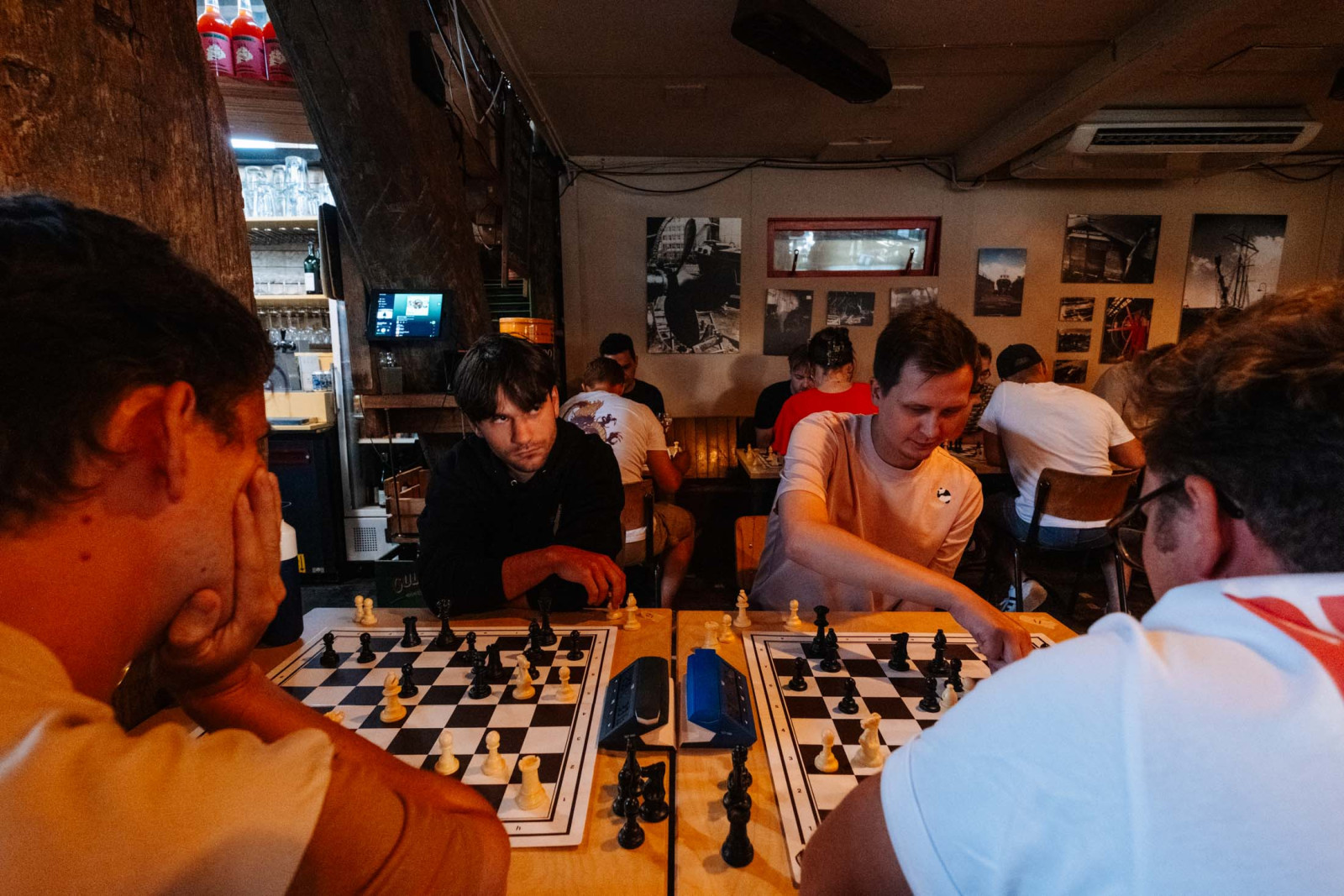
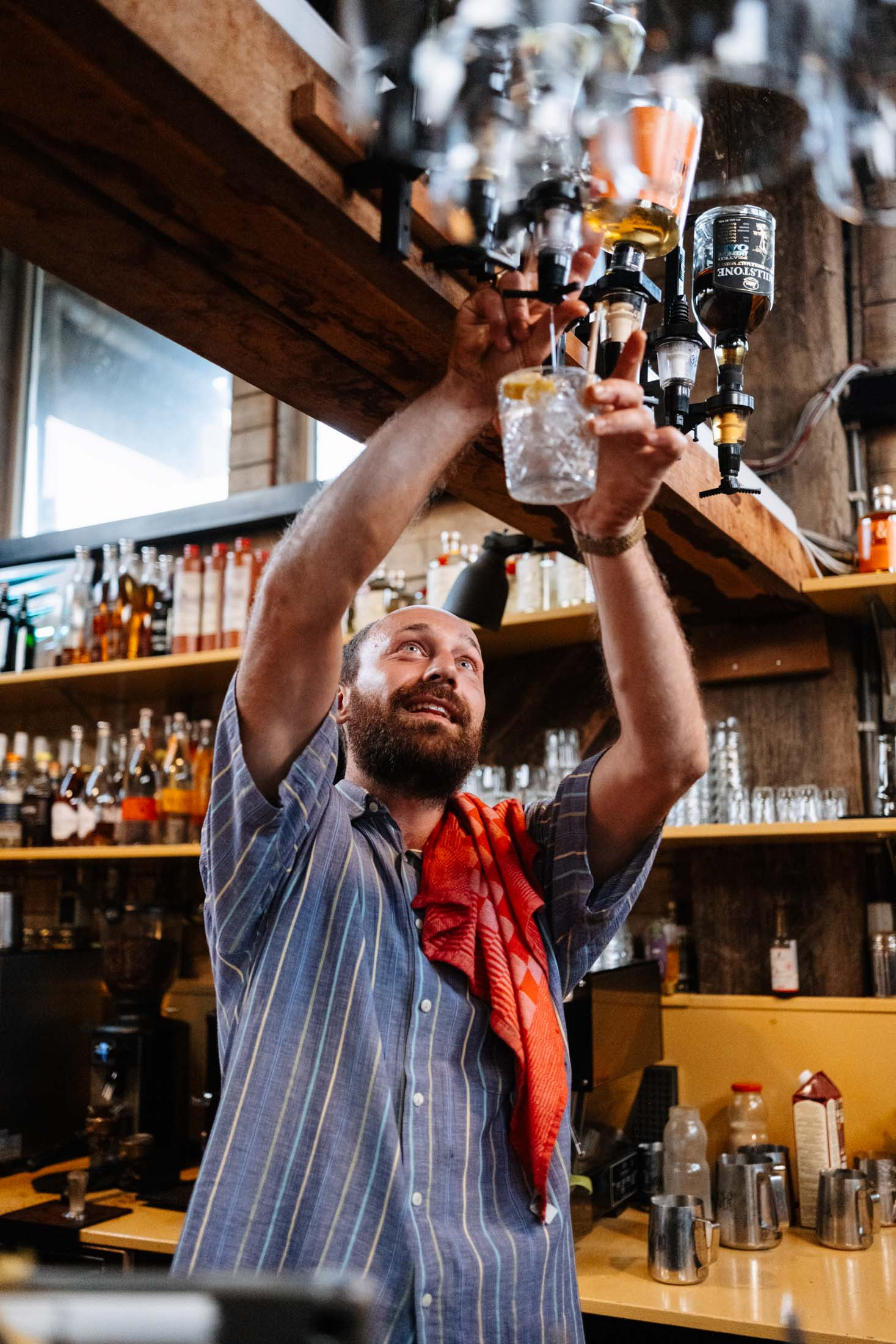
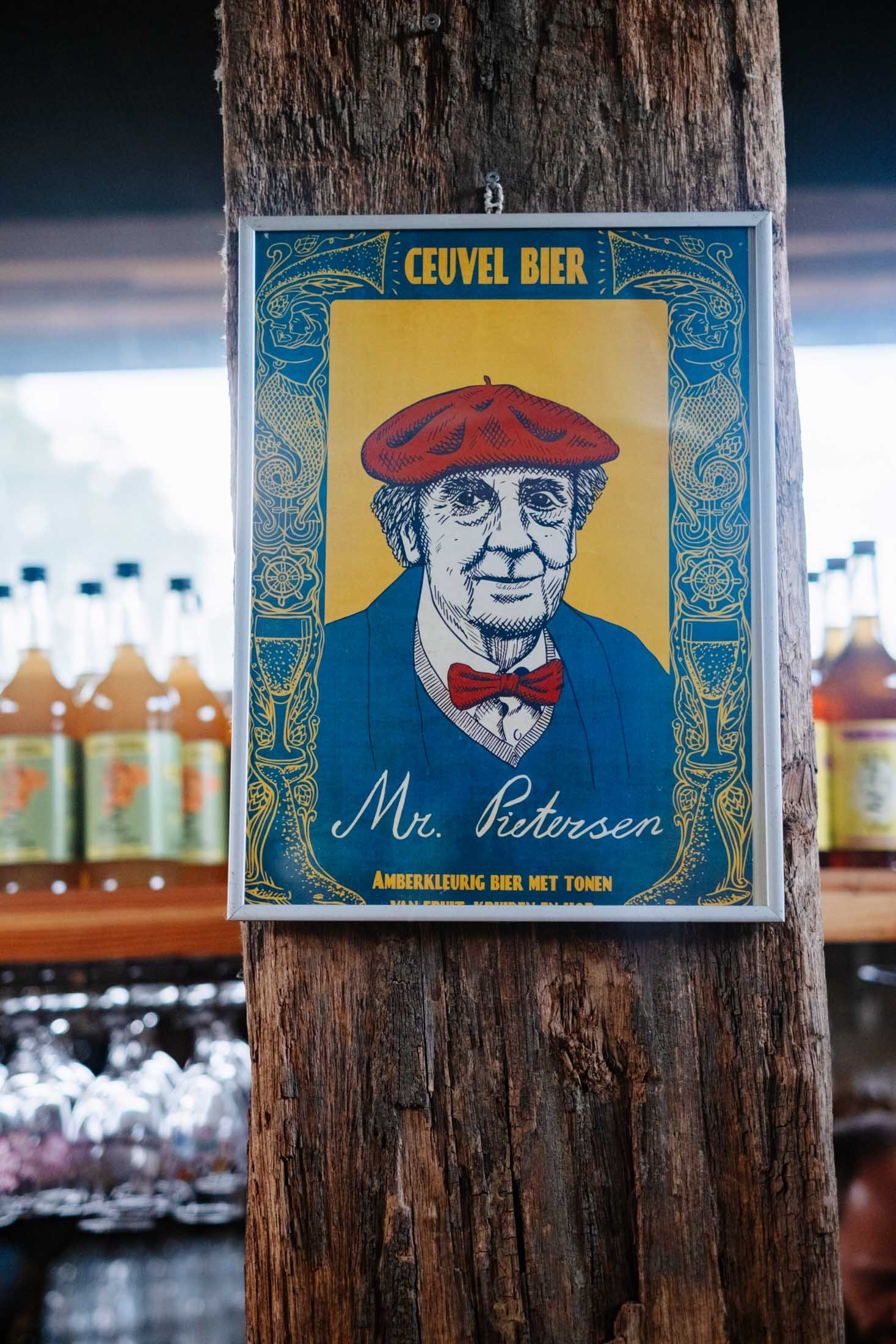
In a building constructed from old hardwood piles and other recycled materials you will find Café De Ceuvel. The menu is entirely plant-based, and all products are locally sourced. Throughout the year, the café and surrounding houseboats host numerous performances and workshops focused on sustainability. During King’s Day and on De Ceuvel’s birthday in the summer, there are festivities in the whole area.
The original ten-year lease, which was due to expire on January 1, 2025, has been extended by the municipality for two more years. Eventually, space will need to be made for a bike path running from the NDSM to Mosveld, as well as a new creative hub. Part of the site will also be developed for housing. A scenario in which part of the current hub can remain during redevelopment seems realistic. At present, however, the municipality insists that the site is completely cleared for the tender process to select a developer. De Ceuvel is willing to participate but is advocating for a tender procedure that does not require the destruction of everything that has been created.
Interview met mede-eigenaar van Café De Ceuvel Gideon Loerakker en programmamaker Tessa Hermelink.
23:32
Since: 2014 / Address: Korte Papaverweg 2-6 / Function: Creative hub and bar / restaurant / Perspective: uncertain after 2026
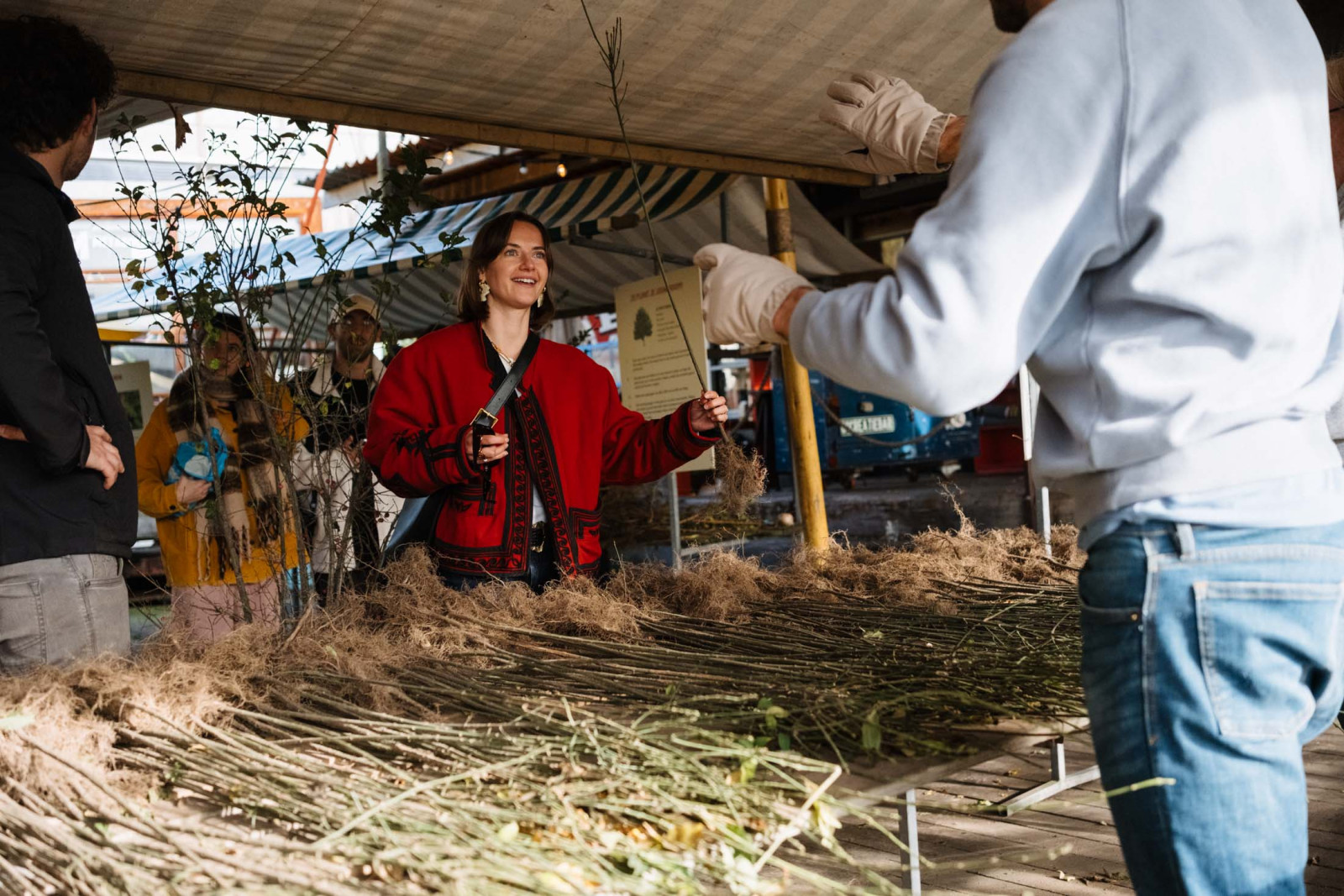
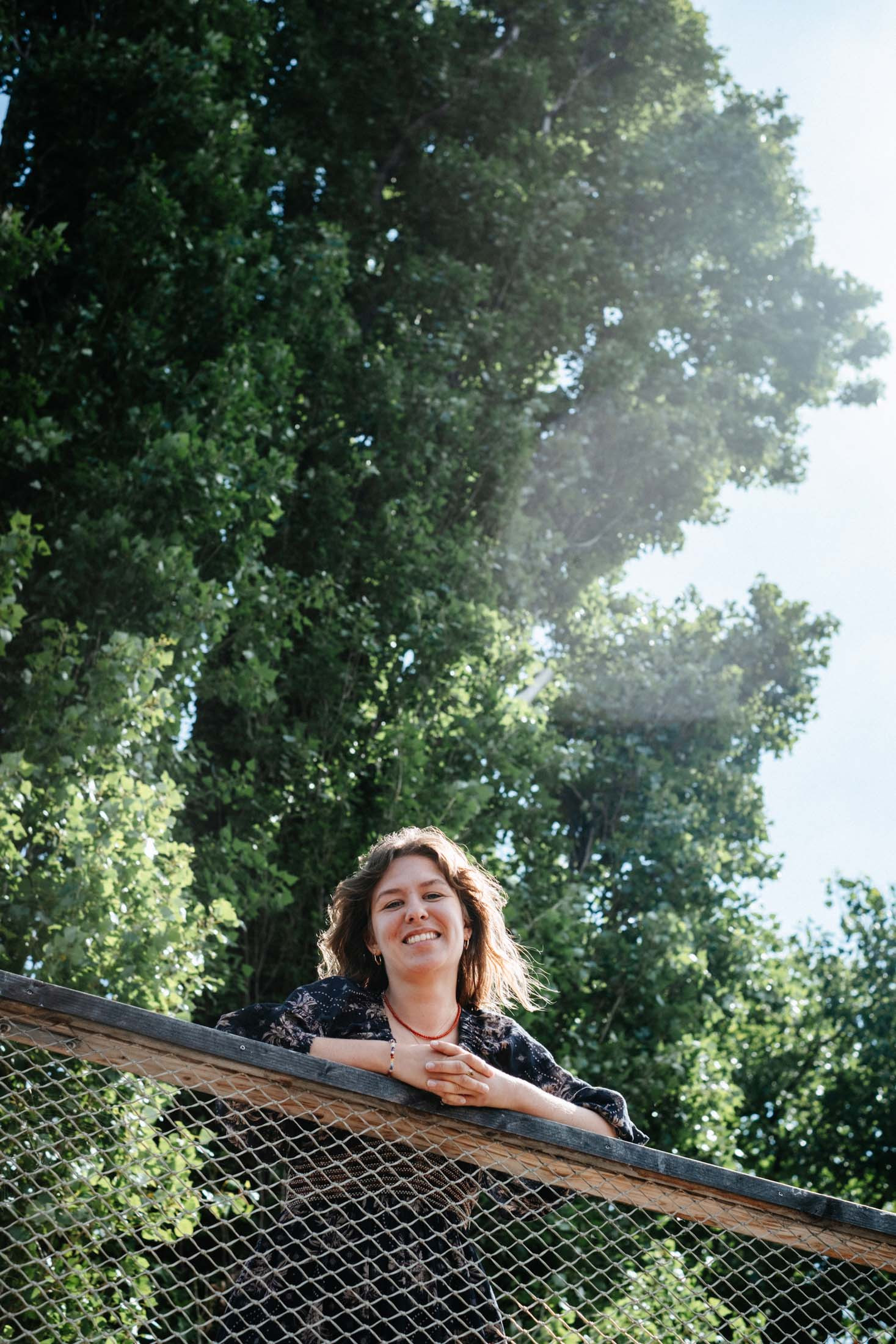
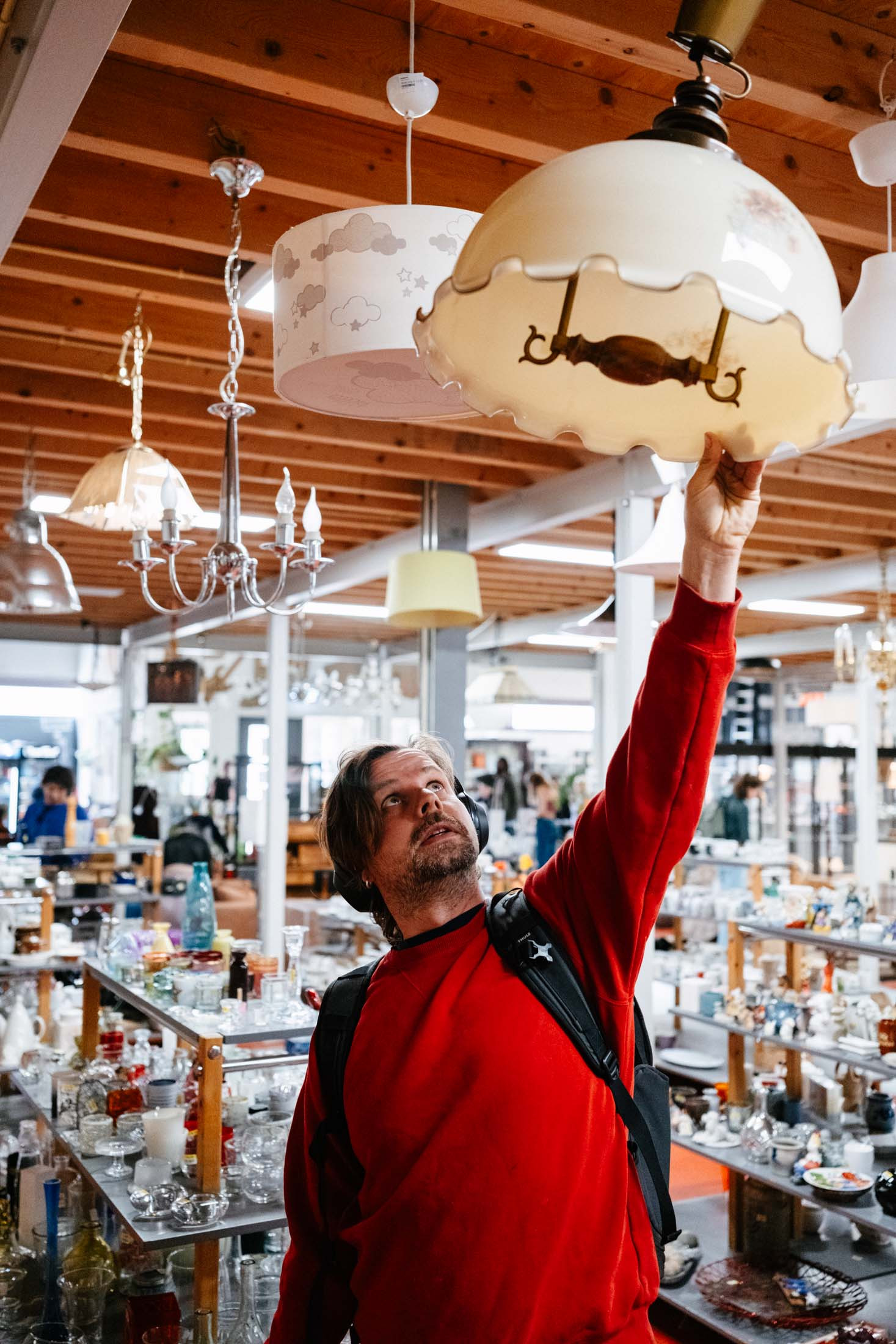
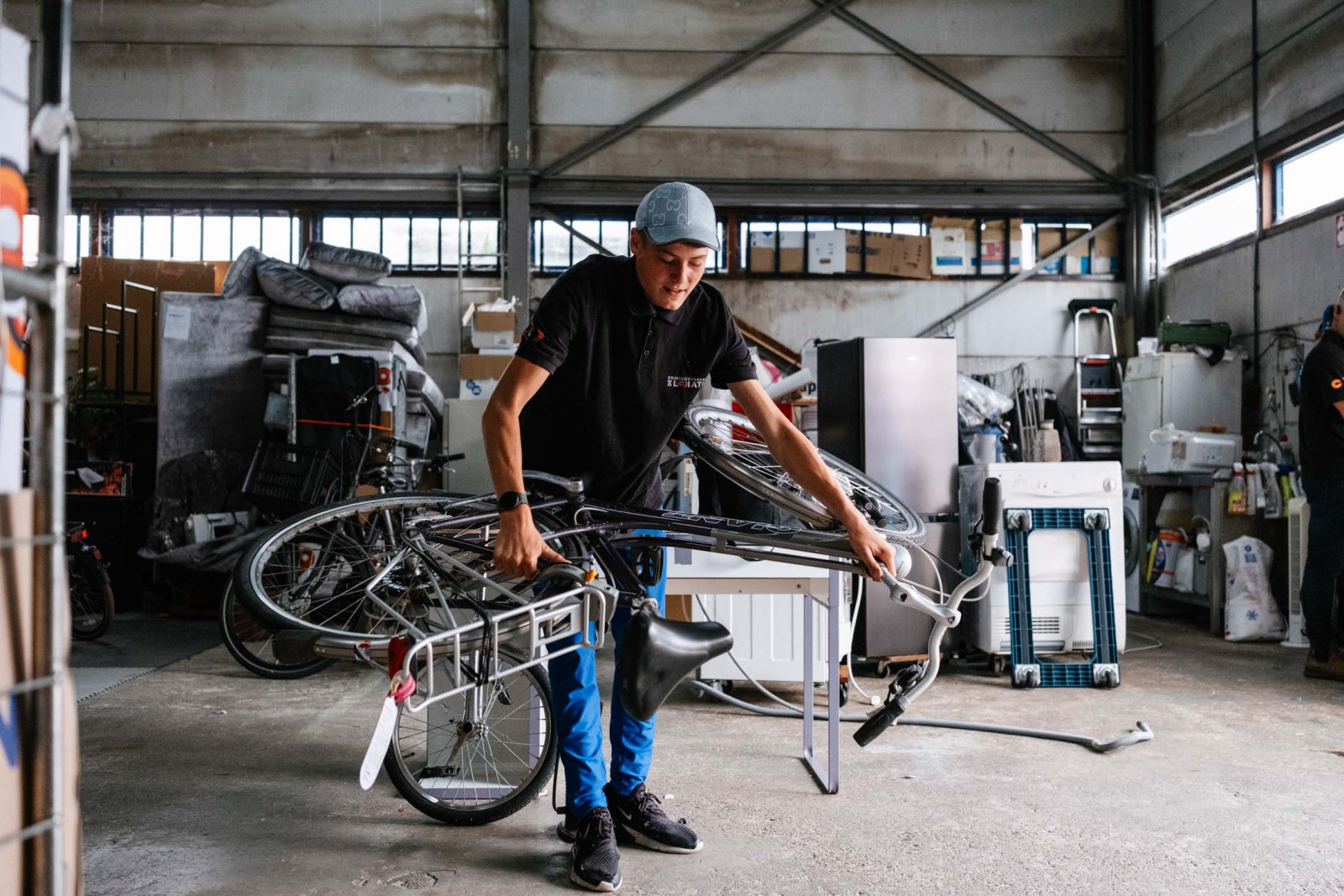
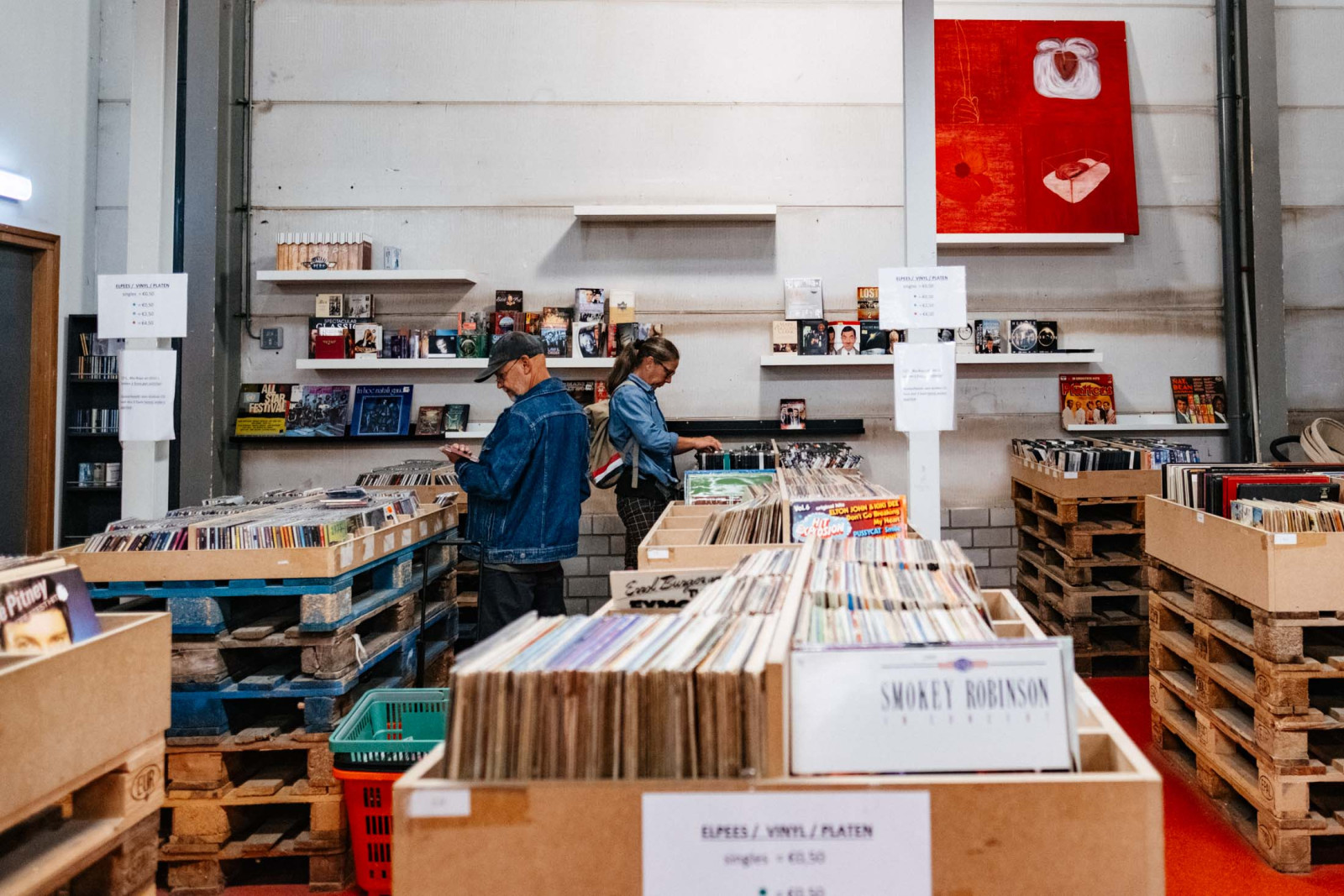
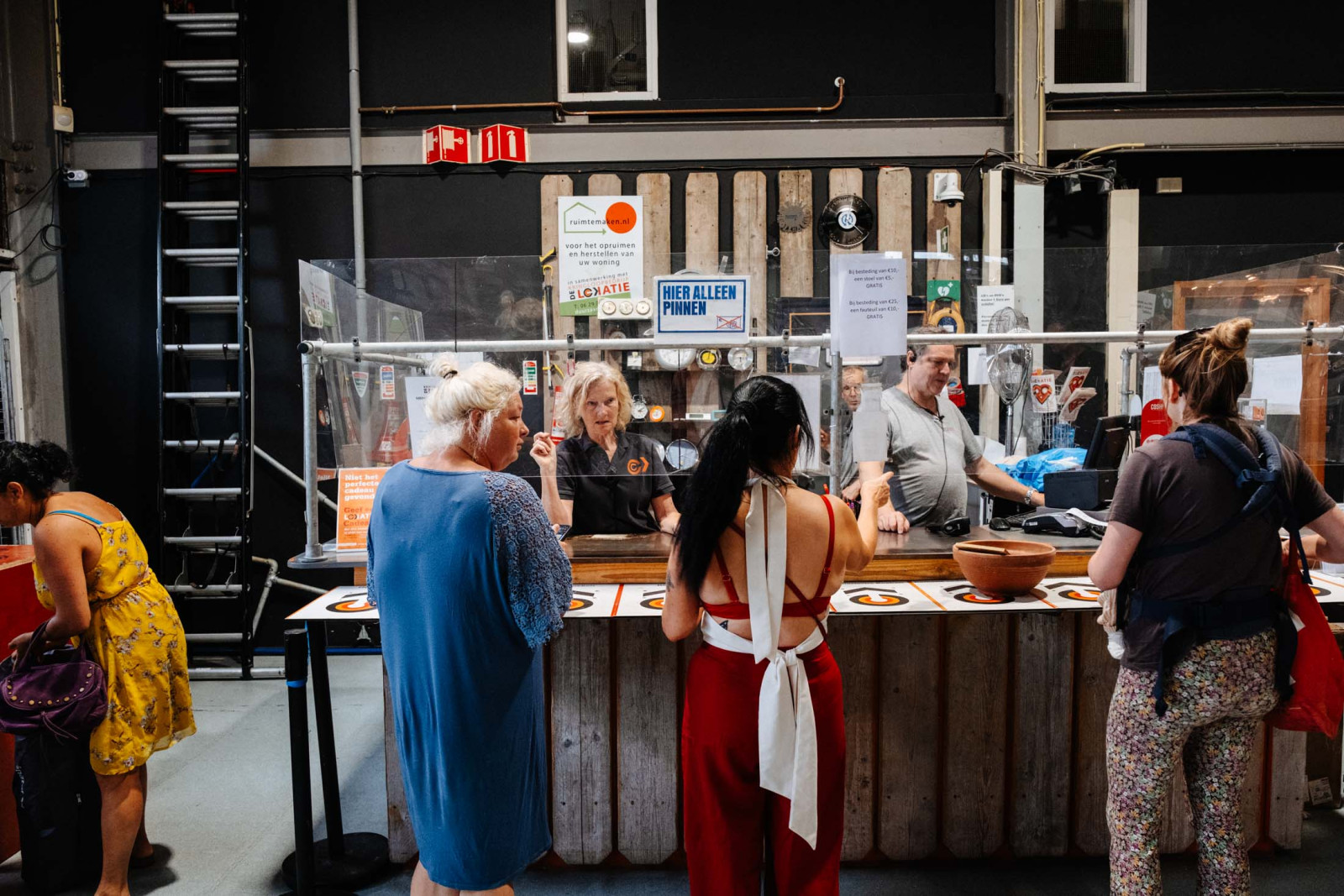
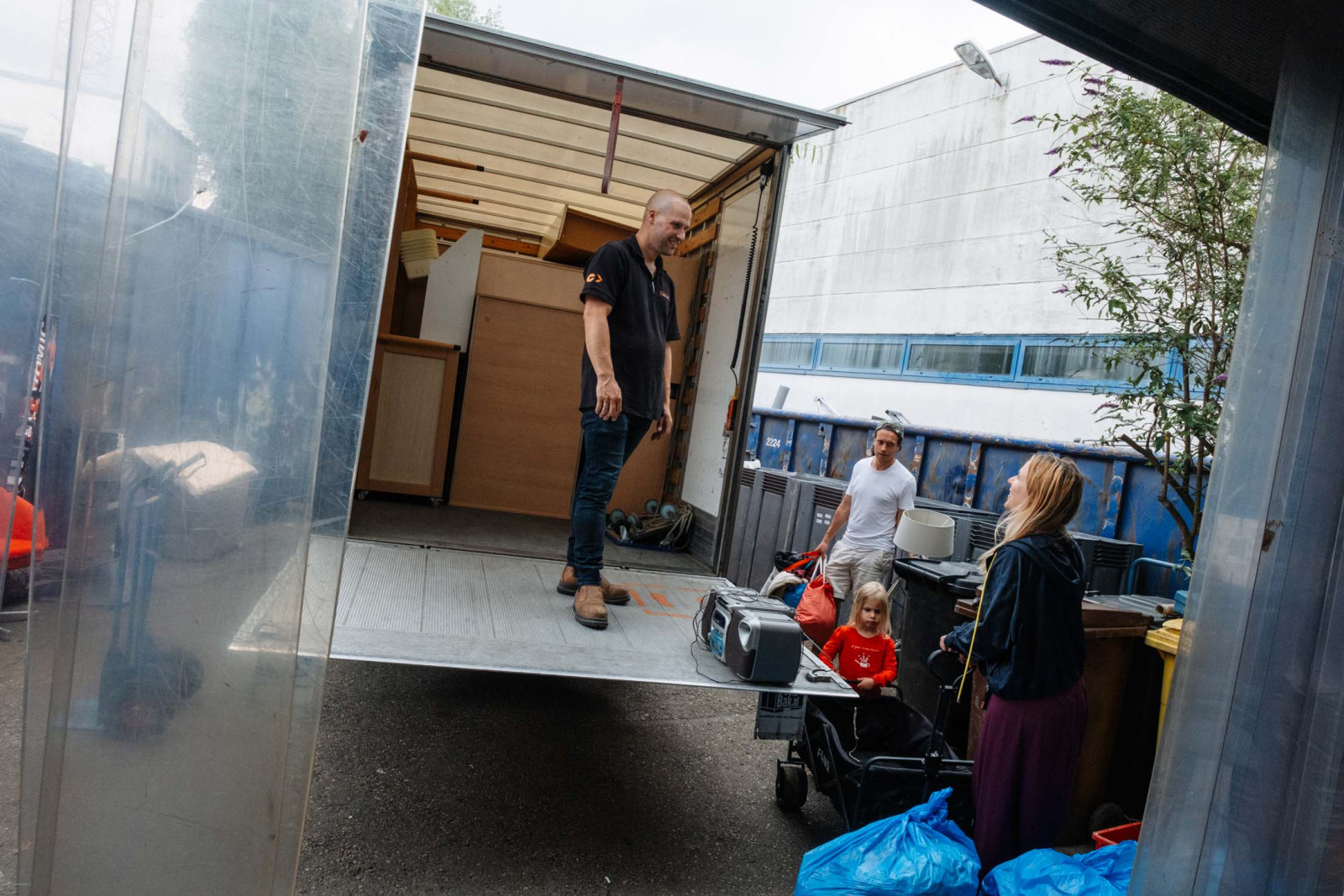
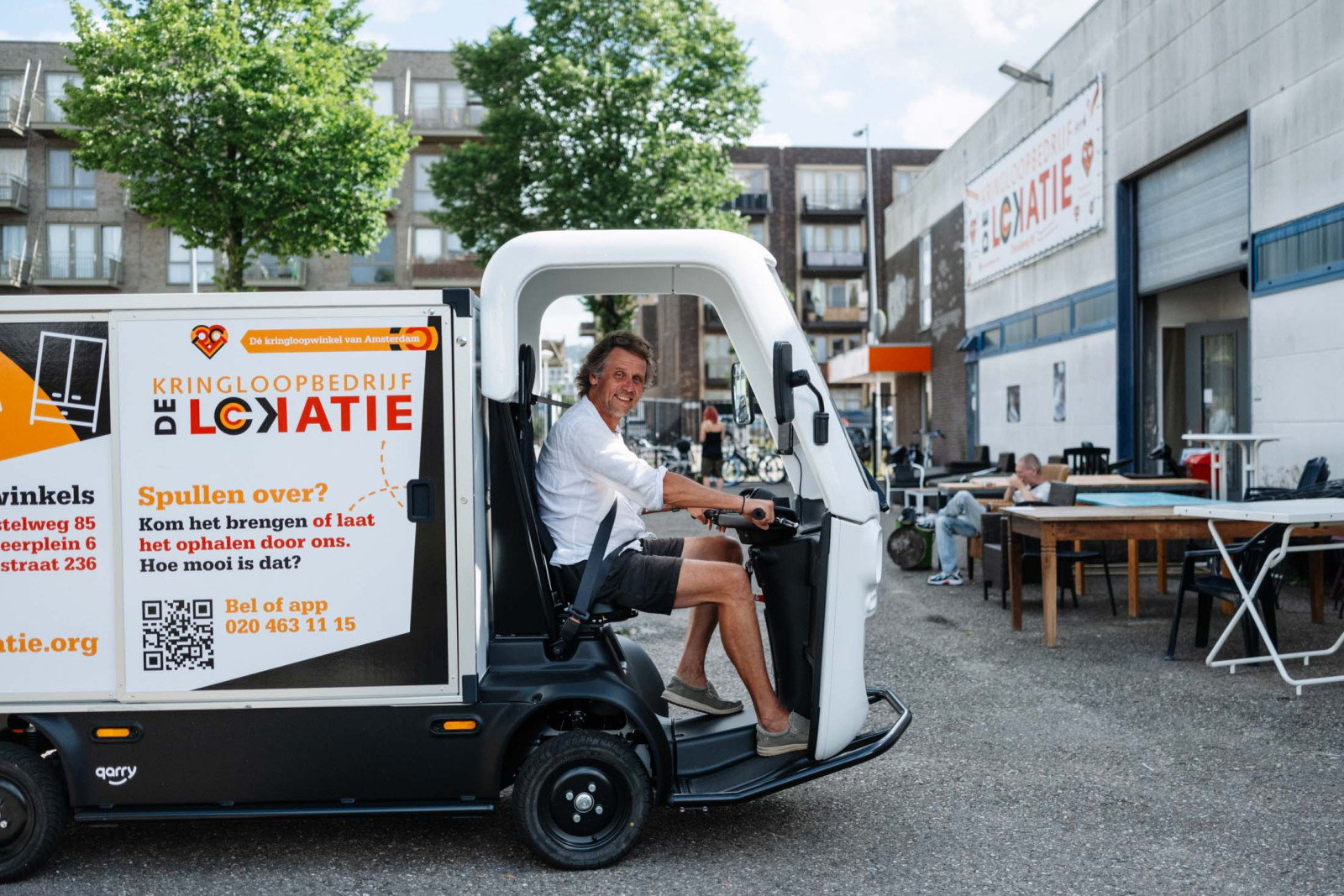
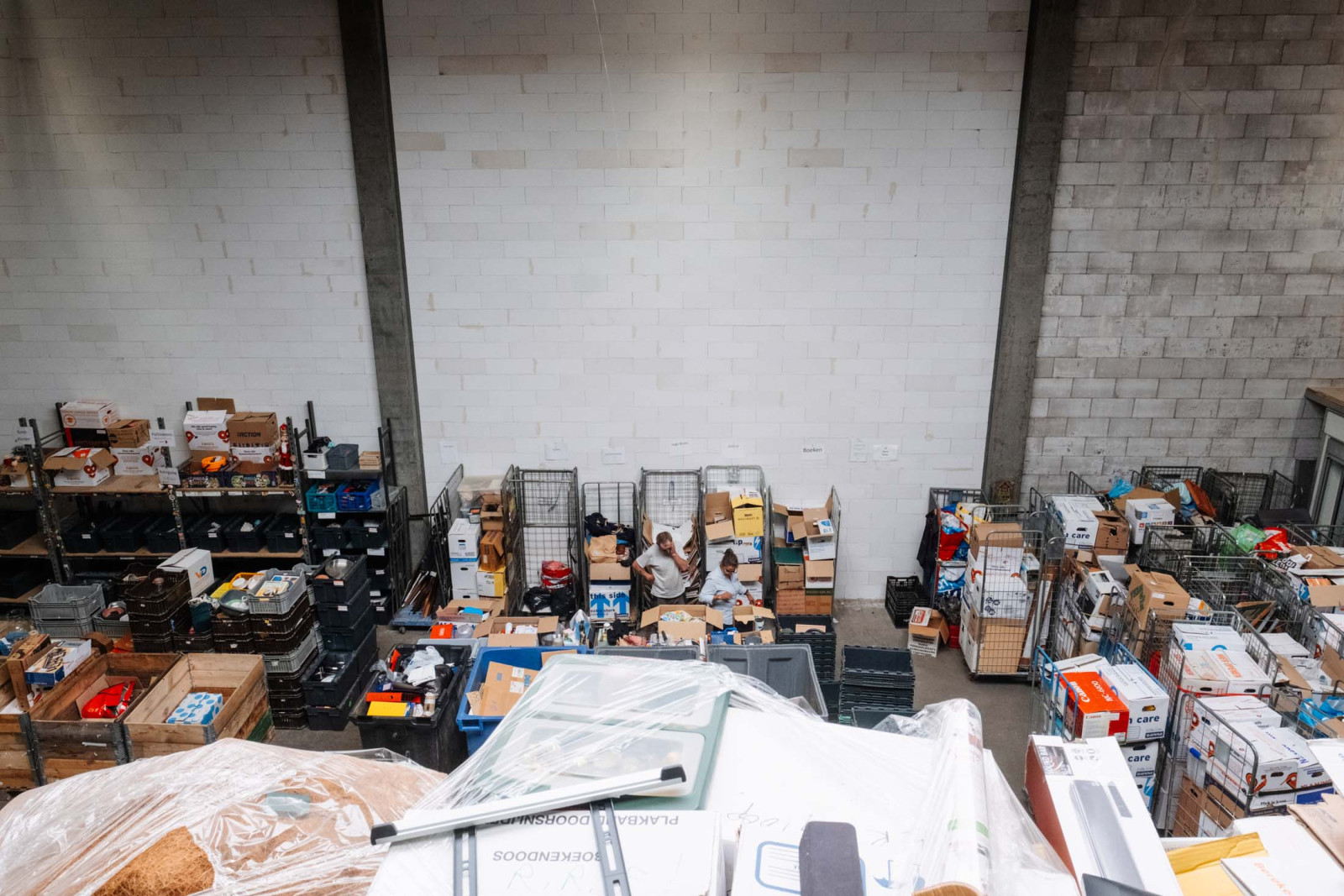
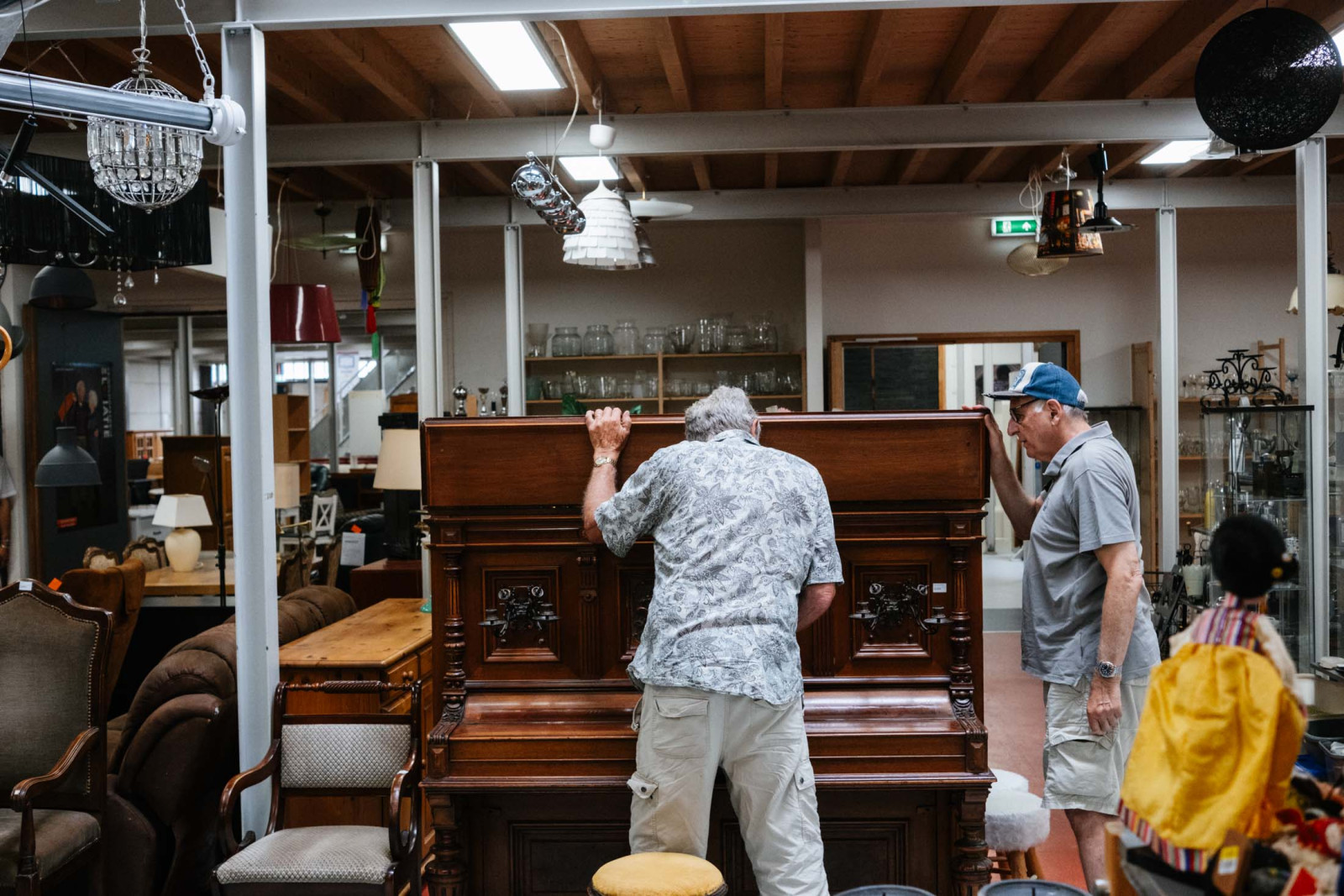
When Menno Hoekstra founded De Lokatie in 1996 on the initiative of collaborating mental health institutions, he was a true pioneer: this thrift store (kringloopwinkel) was one of the first Social Firms in Amsterdam, meaning an organization that provides employment opportunities for people with distance from the labor market. Menno came from the mental health sector and had no experience as an entrepreneur, yet he remains the director of an organization that now has three locations, two of which are in Noord, recycling around 1.5 million kilos of household goods annually.
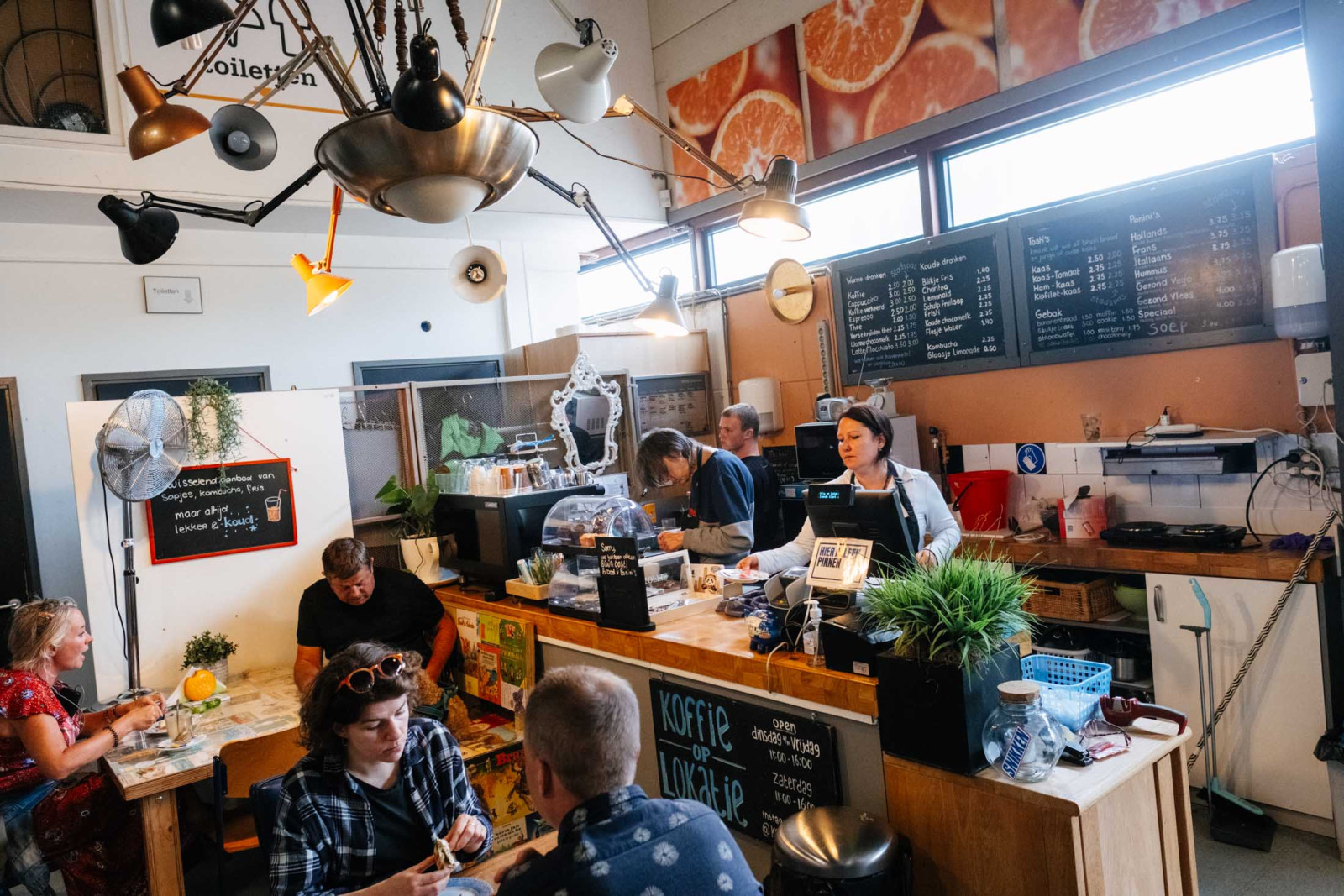
The main goal is still to create employment for the target group, but De Lokatie’s stores are also places where residents of Noord from all backgrounds can buy household goods for little money, donate used items, or enjoy an affordable lunch at Koffie op Lokatie. Sustainability has become an important pillar as well: the reuse facilitated by De Lokatie prevents a significant amount of CO₂ emissions each year, comparable to heating 500 homes or saving 165,000 trees.
In the Buiksloterham redevelopment area, De Lokatie currently appears to have no future. There is, however, perspective: the organization is taking matters into its own hands through participation in Coöperatie 5711, together with, among others, the residents’ group Verdedig Noord, for the redevelopment of the bowling alley at Buikslotermeerplein into a makerspace, community and cultural center, and thrift store. De Lokatie is also co-developer of a plot in the Klaprozenbuurt in Noord. It will likely take several more years before these projects are completed, and the hope is that the current stores on Distelweg and Buikslotermeerplein can remain open until then.
Interview met directeur Menno Hoekstra.
19:24
Since: 2008 / Address: Distelweg 85 / Function: thrift store and Social Firm / Perspective: involved in the development of two new locations
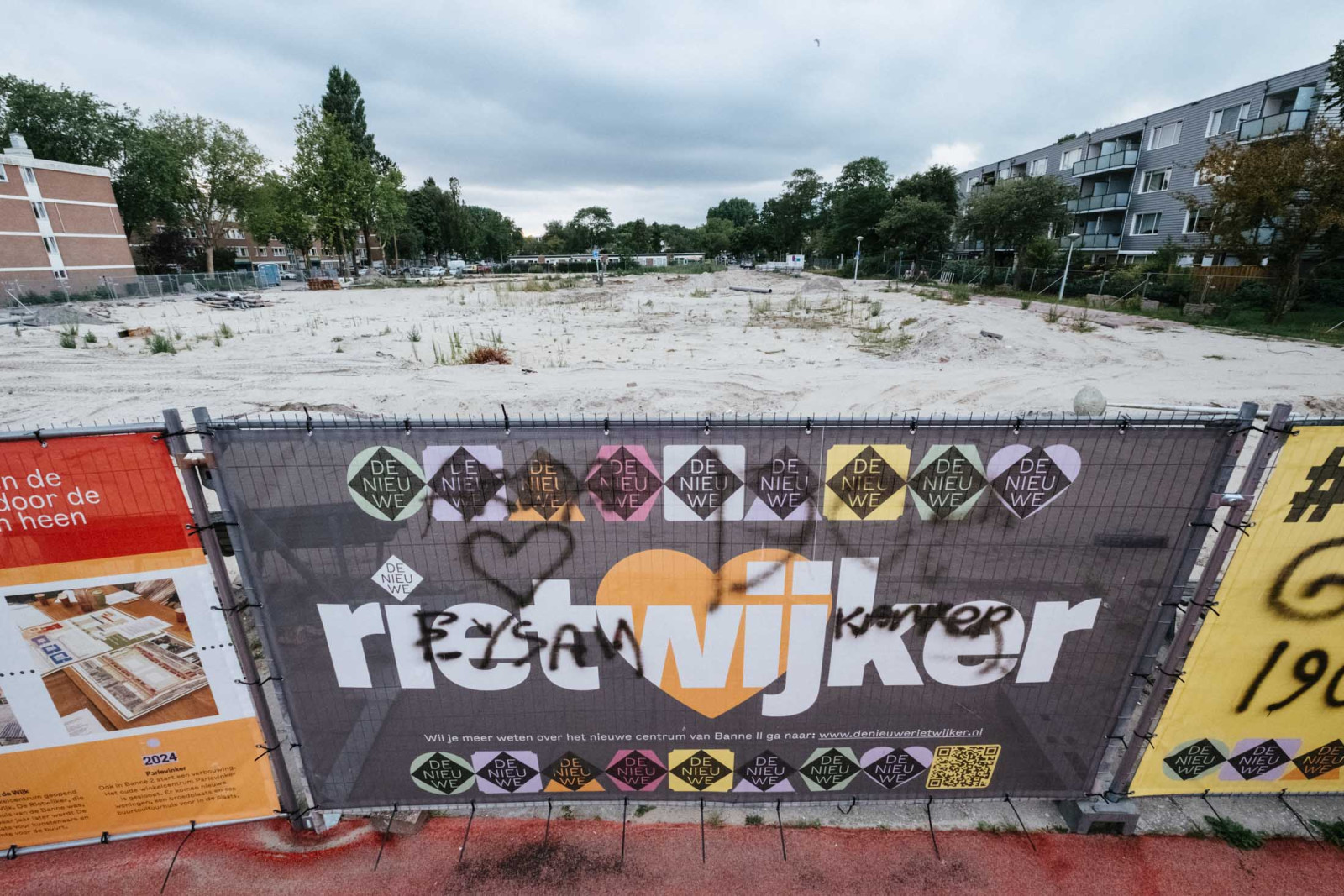
In the middle of De Banne, on Parlevinker Square, stands a building that was formerly a community center. About ten years ago, it was repurposed as a creative hub and was gradually taken back by the neighborhood. The building is home to the activist residents’ group Verdedig Noord, which opposes gentrification and fights to preserve places and housing that are valuable to current residents of Noord. On Verdedig Noord’s initiative, the doors of De Rietwijker were opened: you can drop in daily for coffee and tea, and there is a full schedule of diverse activities organized by and for residents. These range from toddler dance classes, rap workshops for youth, and open music studio sessions, to Dutch language lessons, theater performances by Theaterstraat, and much more.
For Verdedig Noord, community ownership of neighborhood spaces is essential. That is why the residents’ group, as a member of Coöperatie 5711 (the stamp code for Amsterdam Noord on the old public transport cards), is involved in the redevelopment of the old bowling alley at Buikslotermeerplein. Thrift store De Lokatie is also a member of this neighborhood cooperative and acts as a co-developer. The bowling alley is being transformed into a next-generation community center: culture, a makerspace and a social program come together in an inclusive setting. There will also be accessible food and beverage options and a branch of De Lokatie.
De Rietwijker, which is slated for demolition, will also get a new location. Process facilitator Isa van Bossé is involved in planning De Nieuwe Rietwijker, ensuring that the programming currently developed together with the community in the existing building will transition to the new place. She also keeps all parties focused on issues such as inclusivity and community engagement. The people of De Rietwijker and Verdedig Noord demonstrate what is possible when residents unite and claim their place at the decision-making table. They continually urge the municipality and other institutional parties to give residents a say.
Since: 2017 / Address: Parlevinker 9 / Function: creative hub and community center / Perspective: new location is being developed
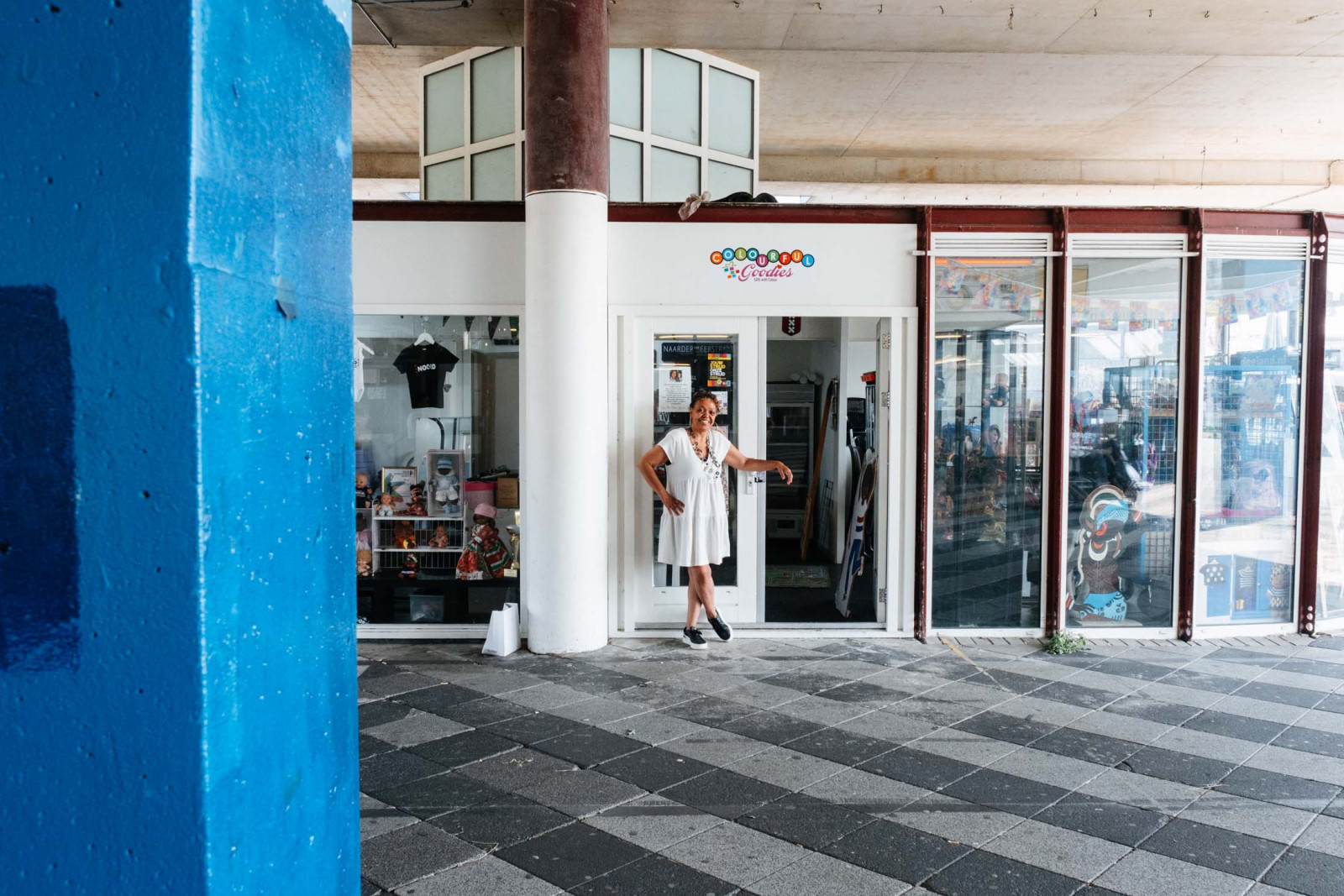
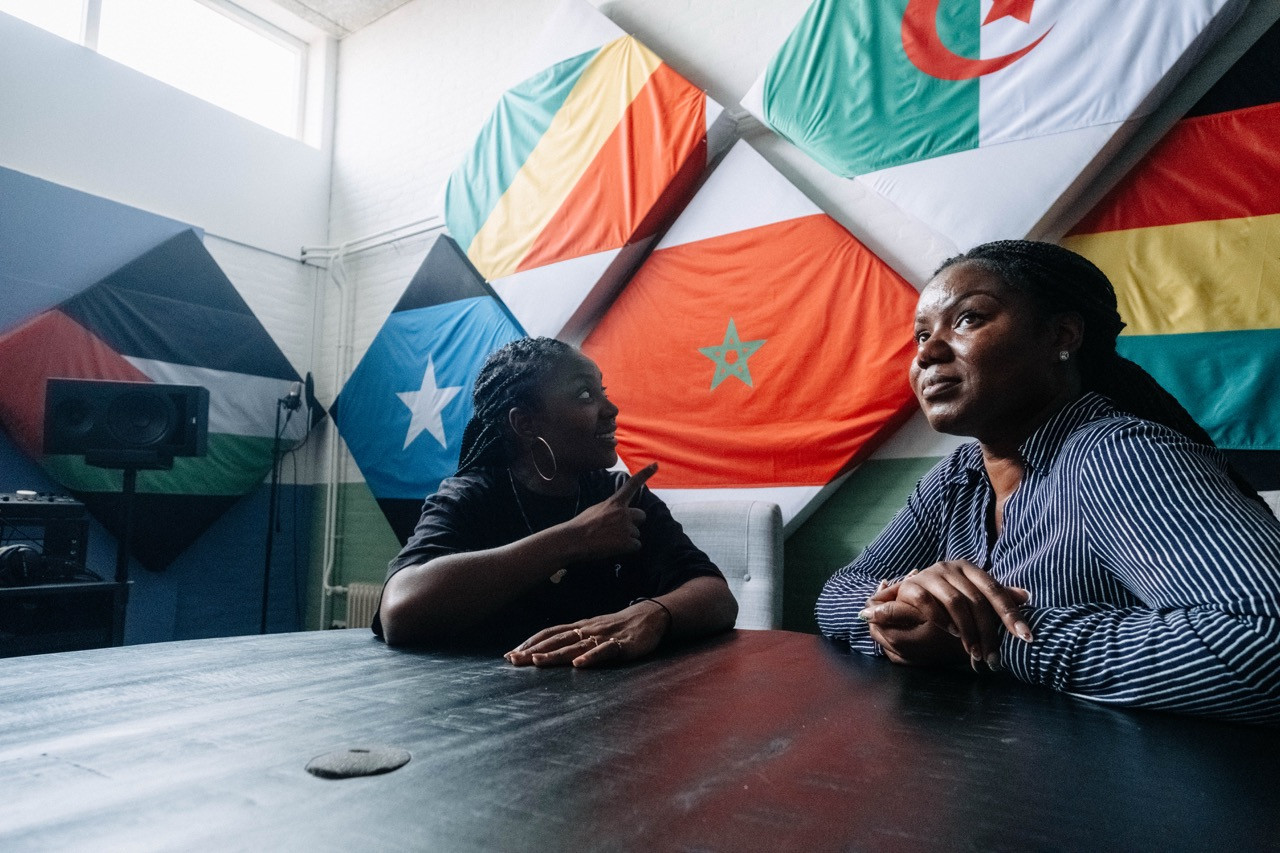
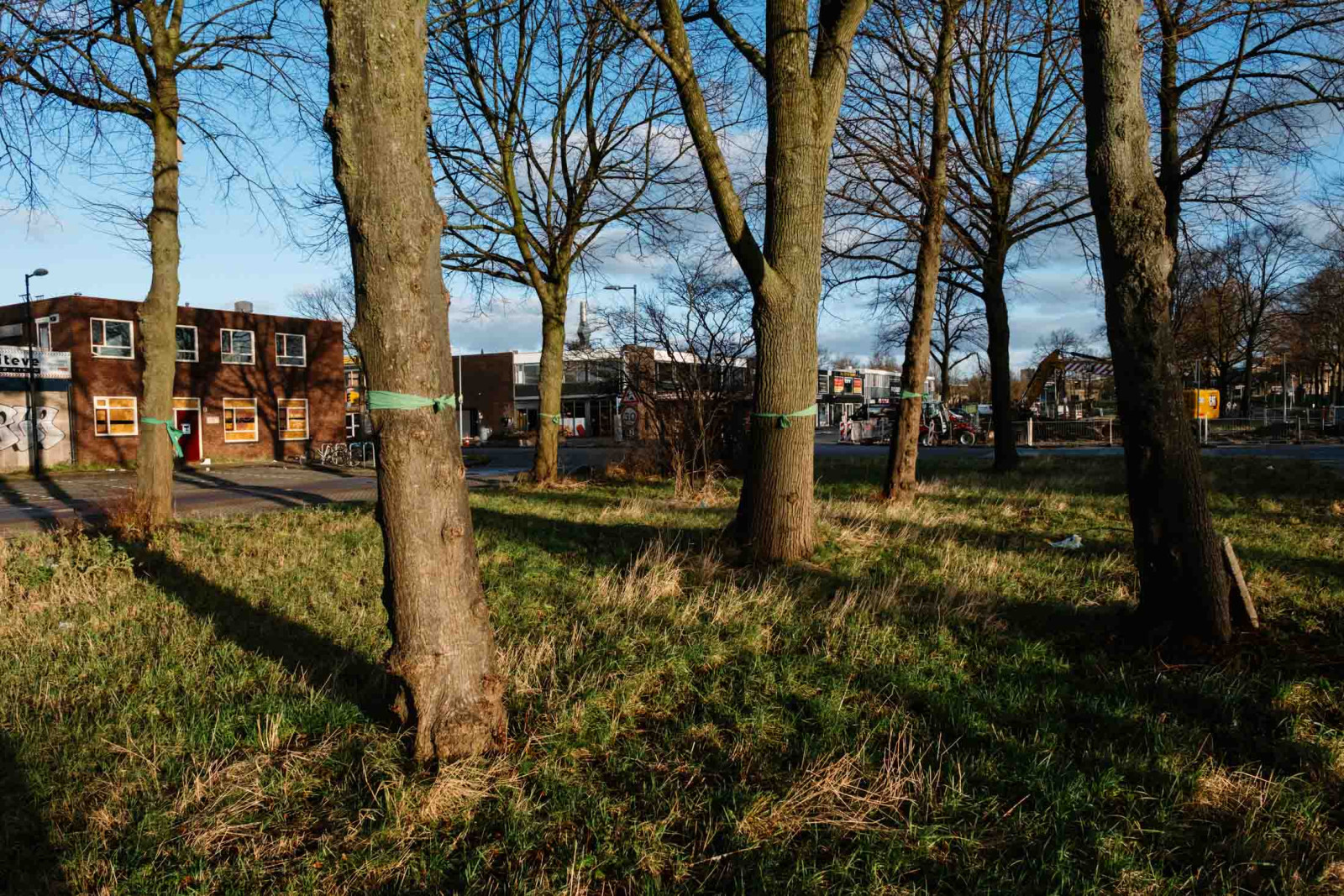
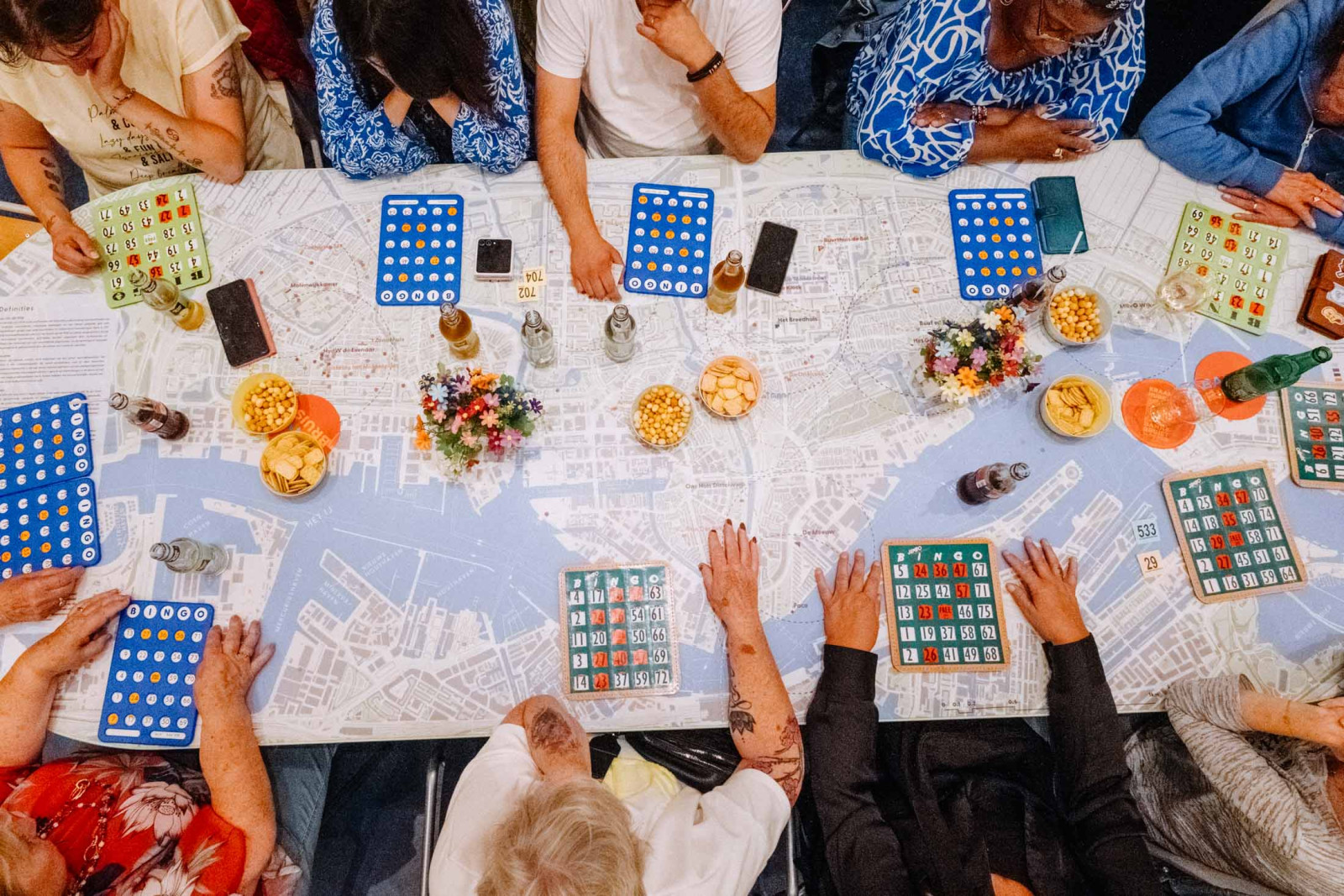
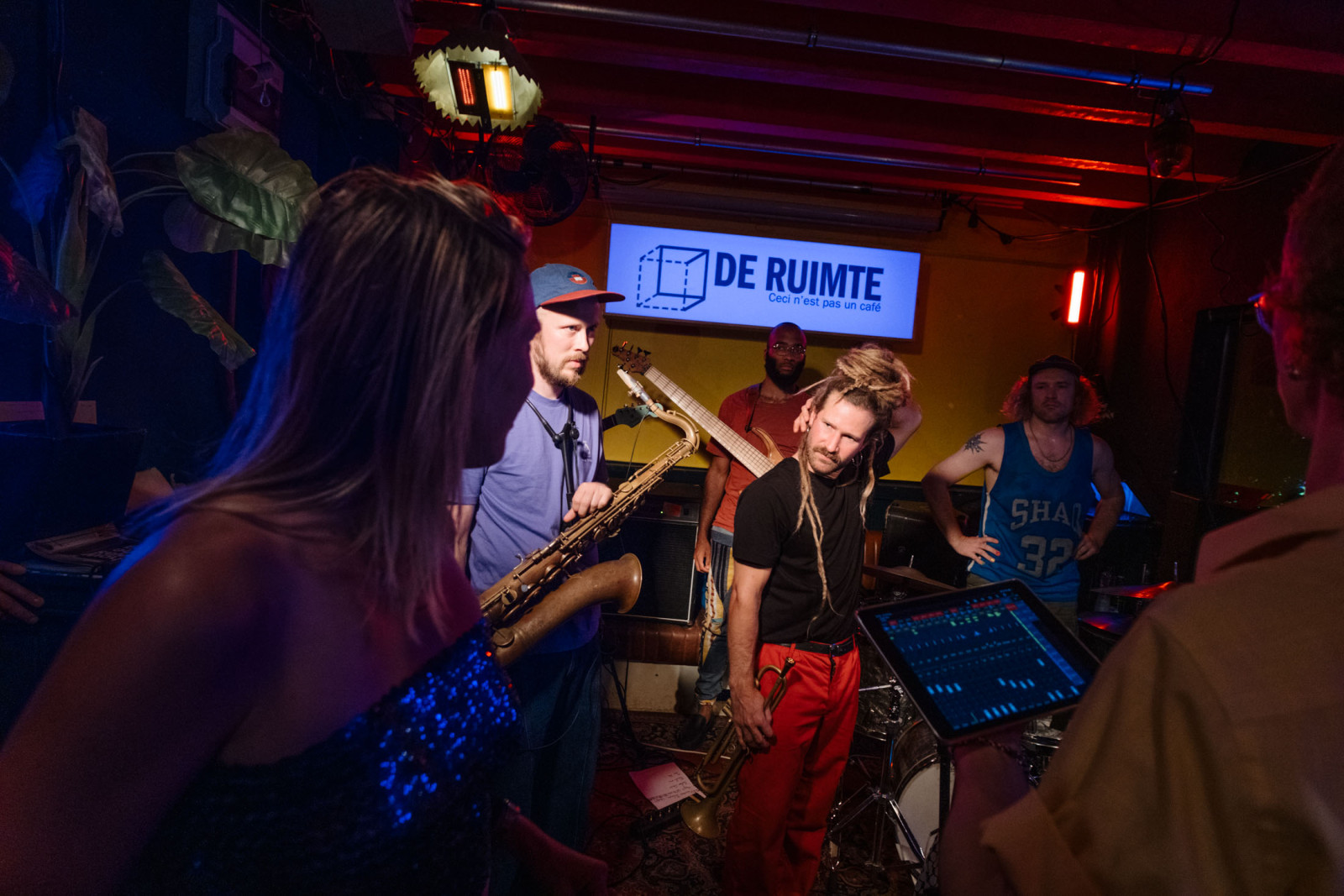
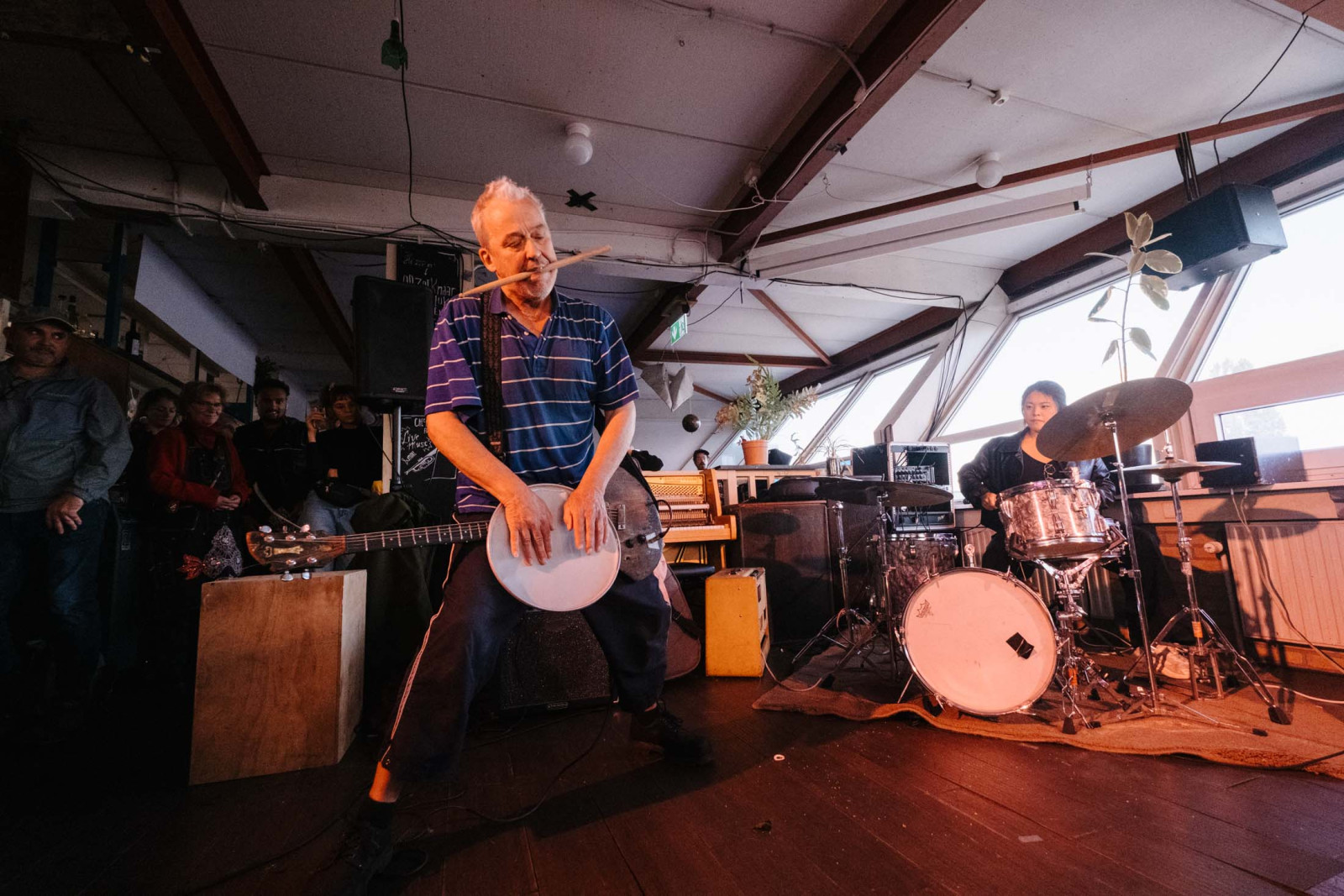
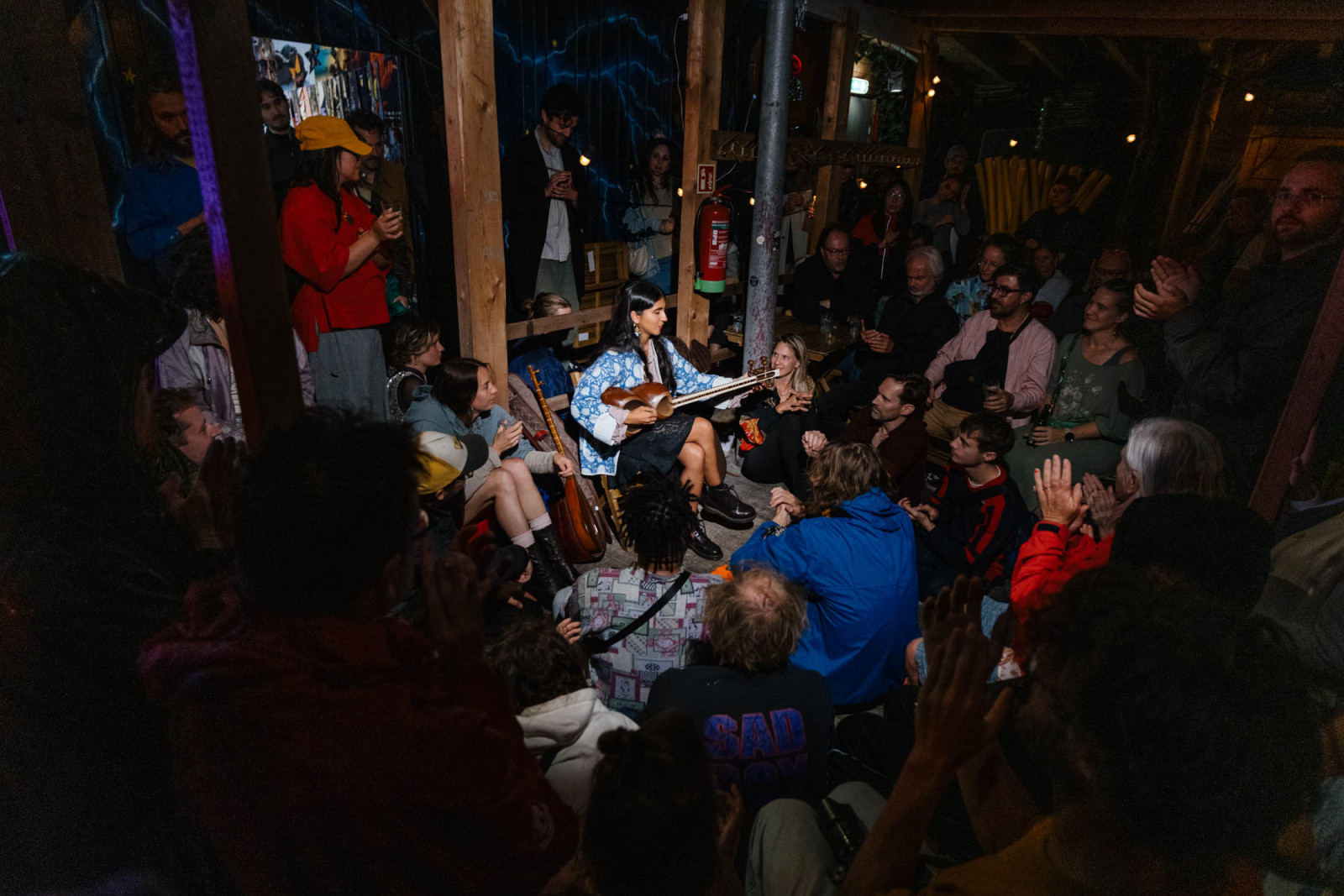
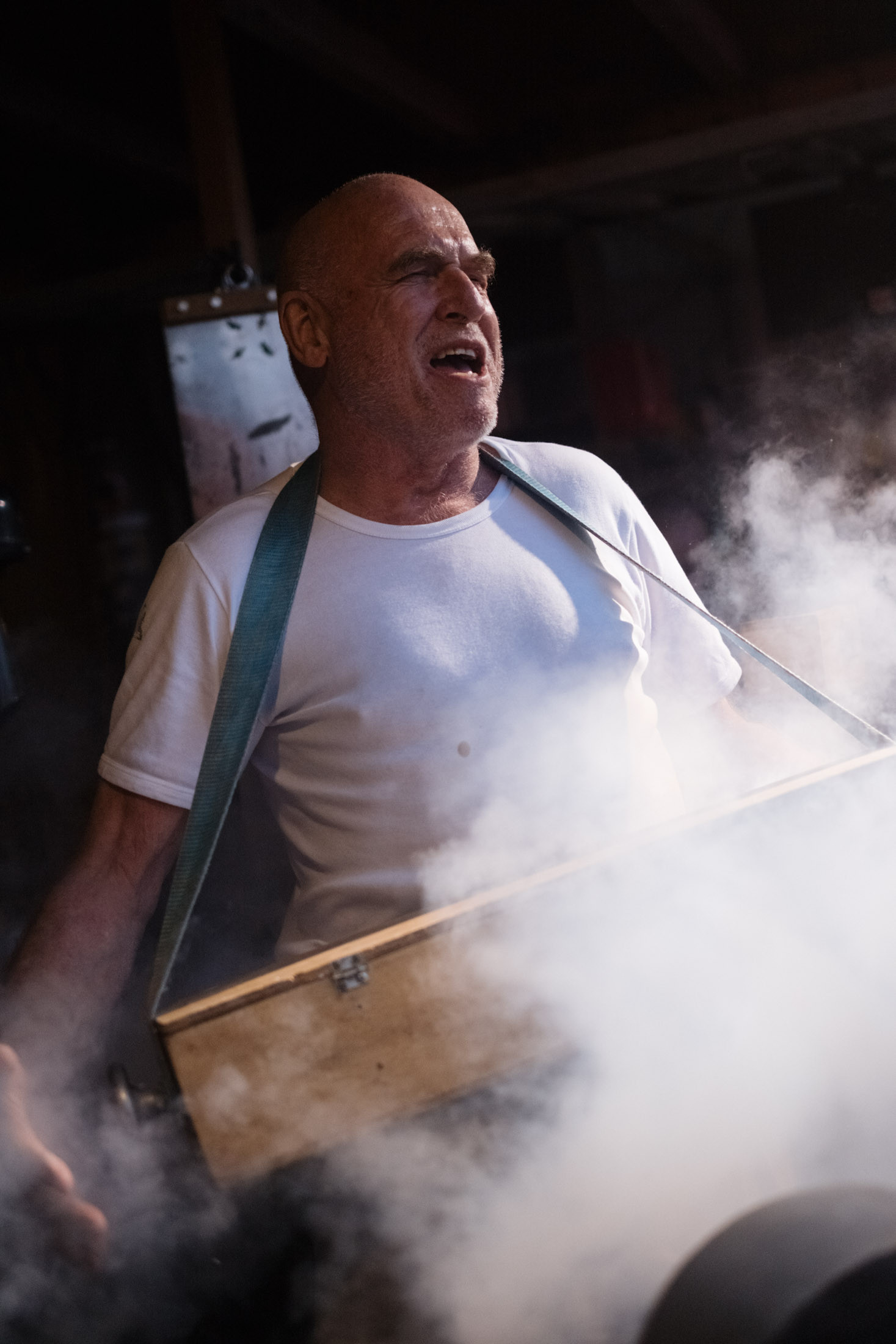
When De Ruimte transformed the second floor of the distinctive building with slanted windows at Distelweg 83 from office space into a performance venue and restaurant at the end of 2015, there were no neighbors yet. As an industrial area in transition, Buiksloterham was the perfect environment for the improvised music, free jazz, and other experimental music showcased at De Ruimte. Local musicians and artists shared the stage with top international improvisers. Once or twice a month, there were steaming parties with danceable live music.
The space served as a living room for Amsterdam’s experimental music and art scenes and played an important role as one of the few development stages with a budget to pay artists and a solid infrastructure. It was positioned in the landscape of performance venues between institutional stages like the Bimhuis and Muziekgebouw, and the rehearsal spaces and squatted venues where artists organize their own concerts. Fertile ground for the artistic innovation that is needed to keep the city’s arts scene vibrant.
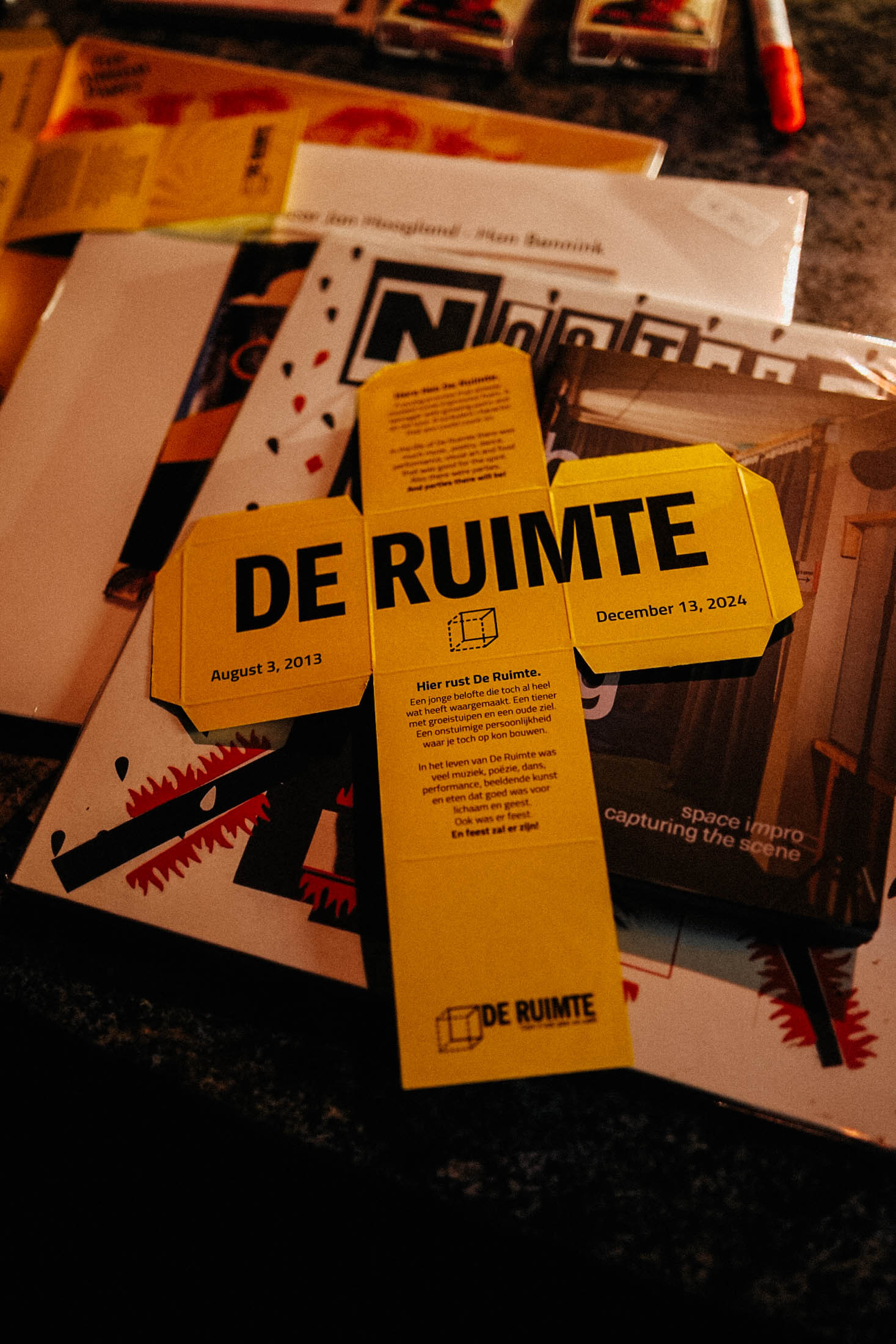
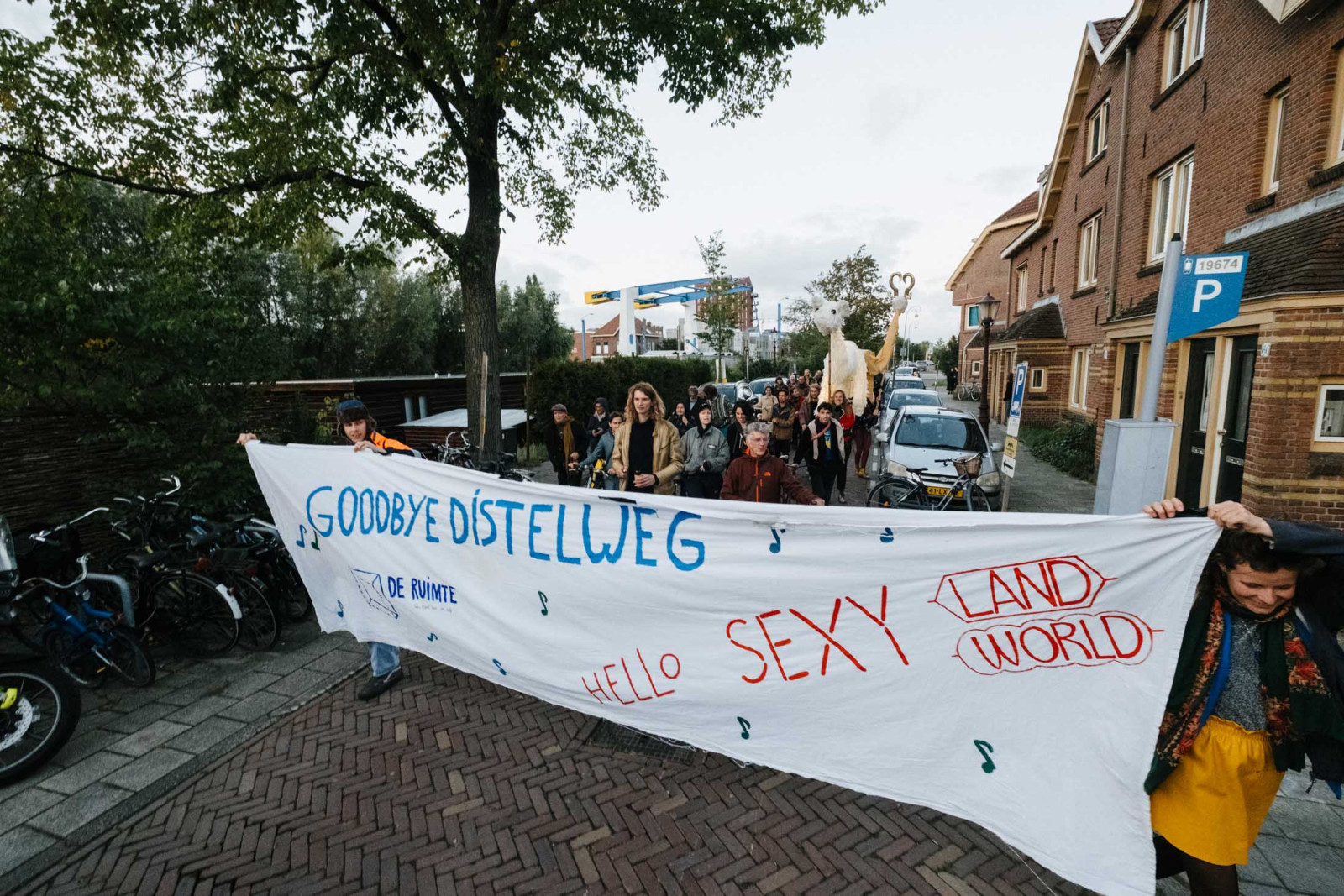
Because the building on Distelweg could no longer be used for public events, De Ruimte moved to the cultural clubhouse Sexyland World at the end of 2023, then located on the Noordwal at the edge of the IJpleinbuurt. In 2024, De Ruimte’s first four-year grant application was denied, and shortly thereafter it became clear that Sexyland World had to vacate the building without any prospect of a new place, leaving De Ruimte without a home. Without funding and without a location in sight, founders Robert van ‘t Veld and Bart Verbunt were forced to pull the plug. On December 13, 2024, the farewell was celebrated with a festival throughout the entire Sexyland World building.
Interview met initiatiefnemers Robert van 't Veld en Bart Verbunt
21:36
Since: 2013 / Address: Distelweg 83 / Function: venue for experimental performing arts / Perspective: doesn't exist anymore since December 2024
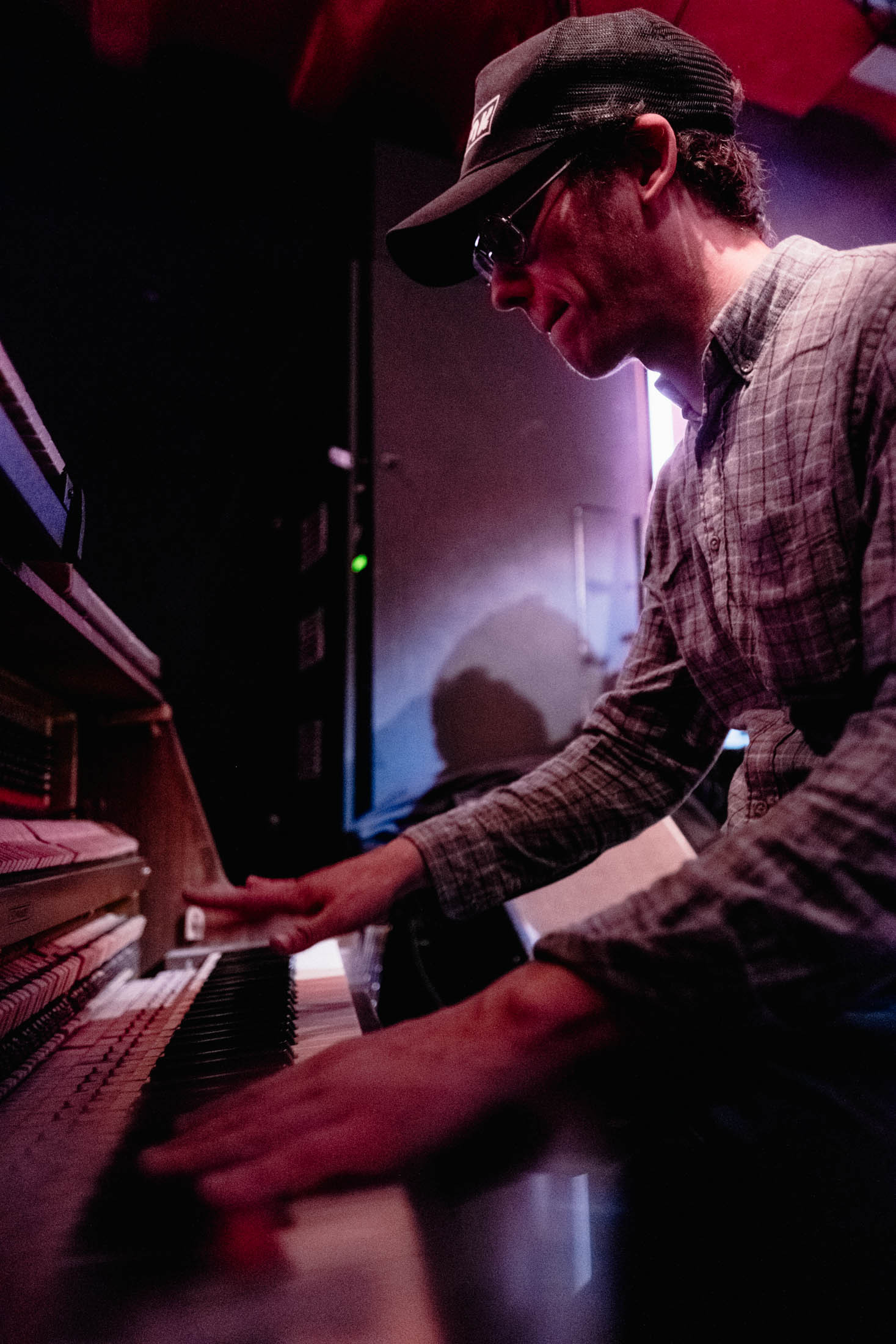
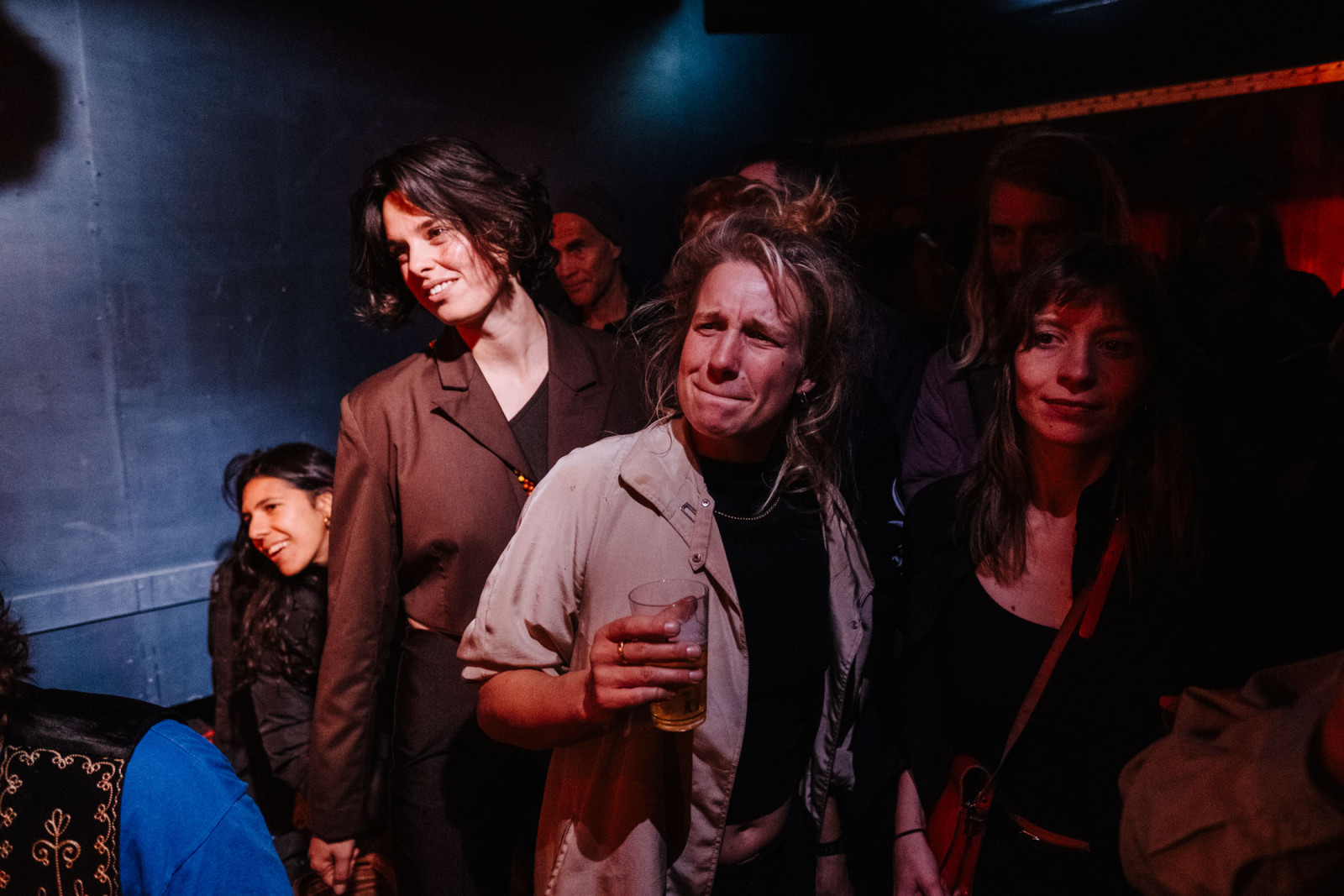
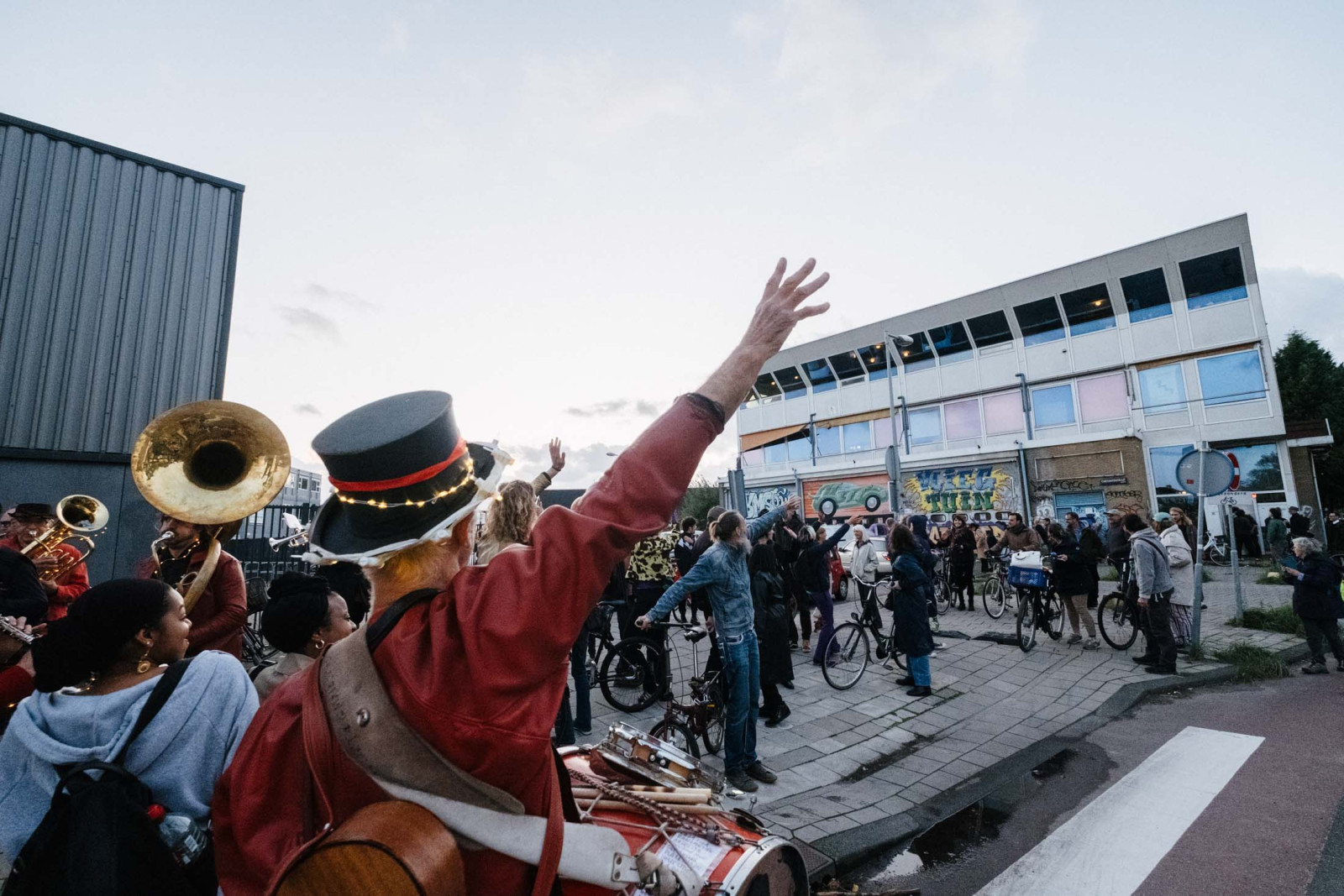
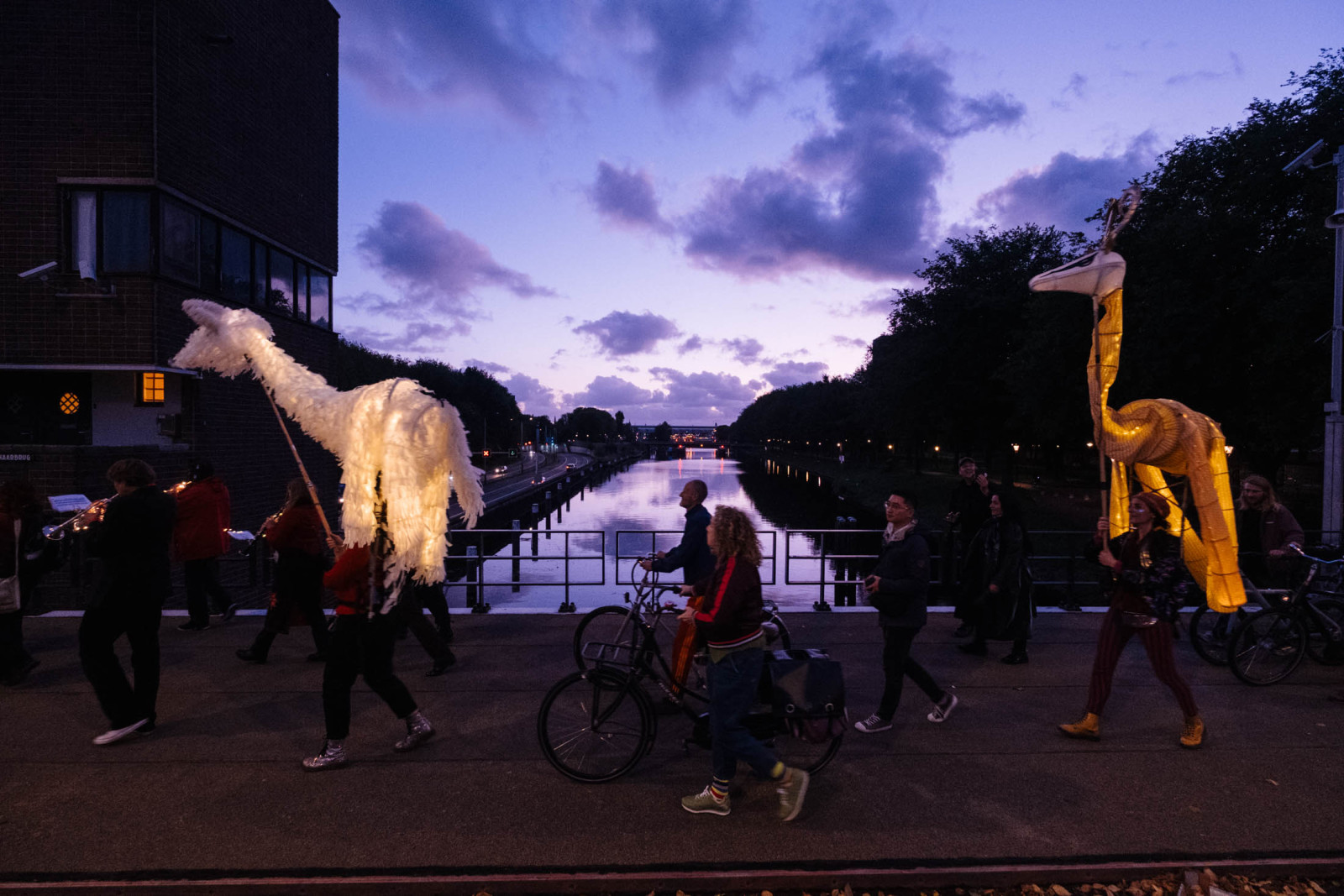
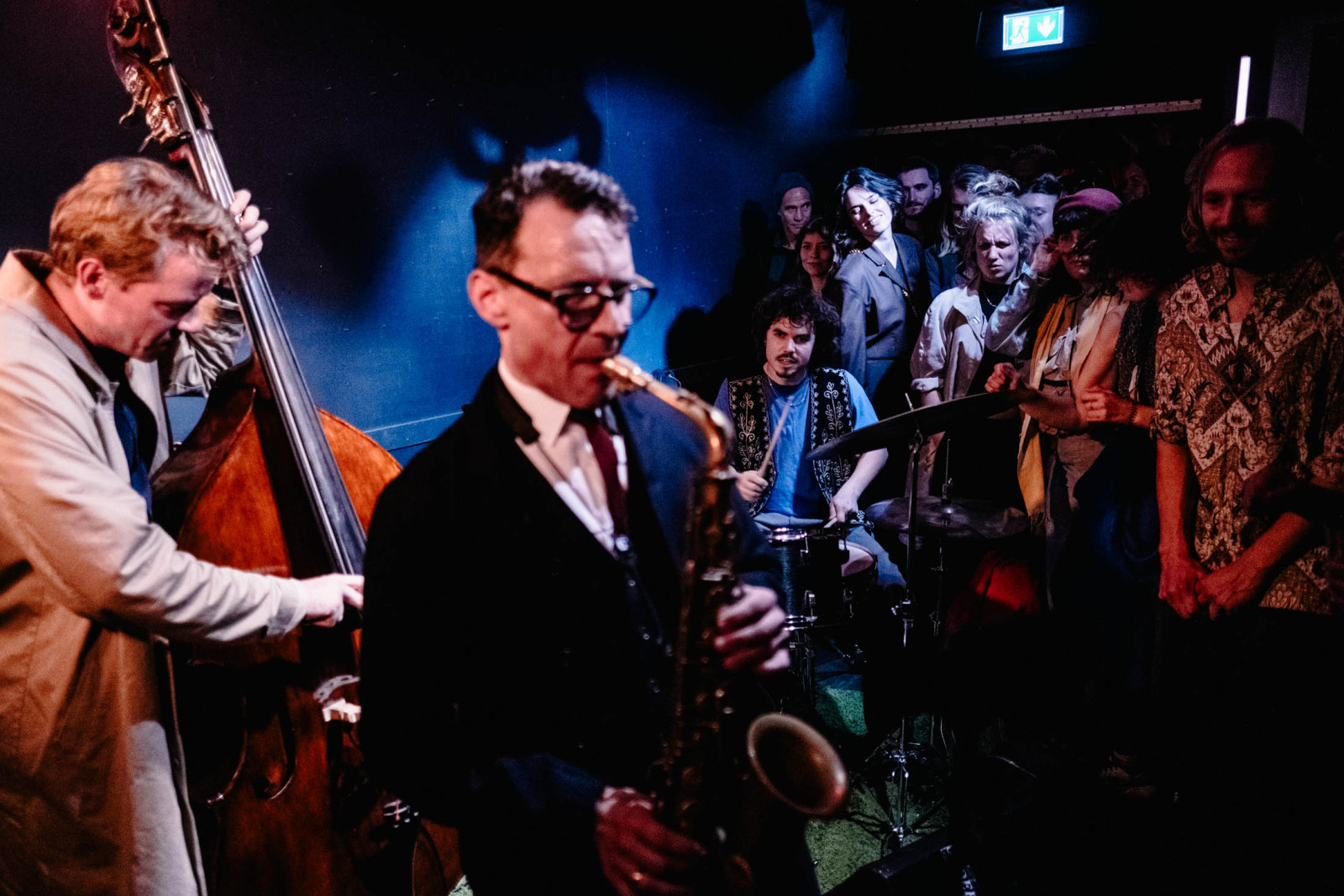
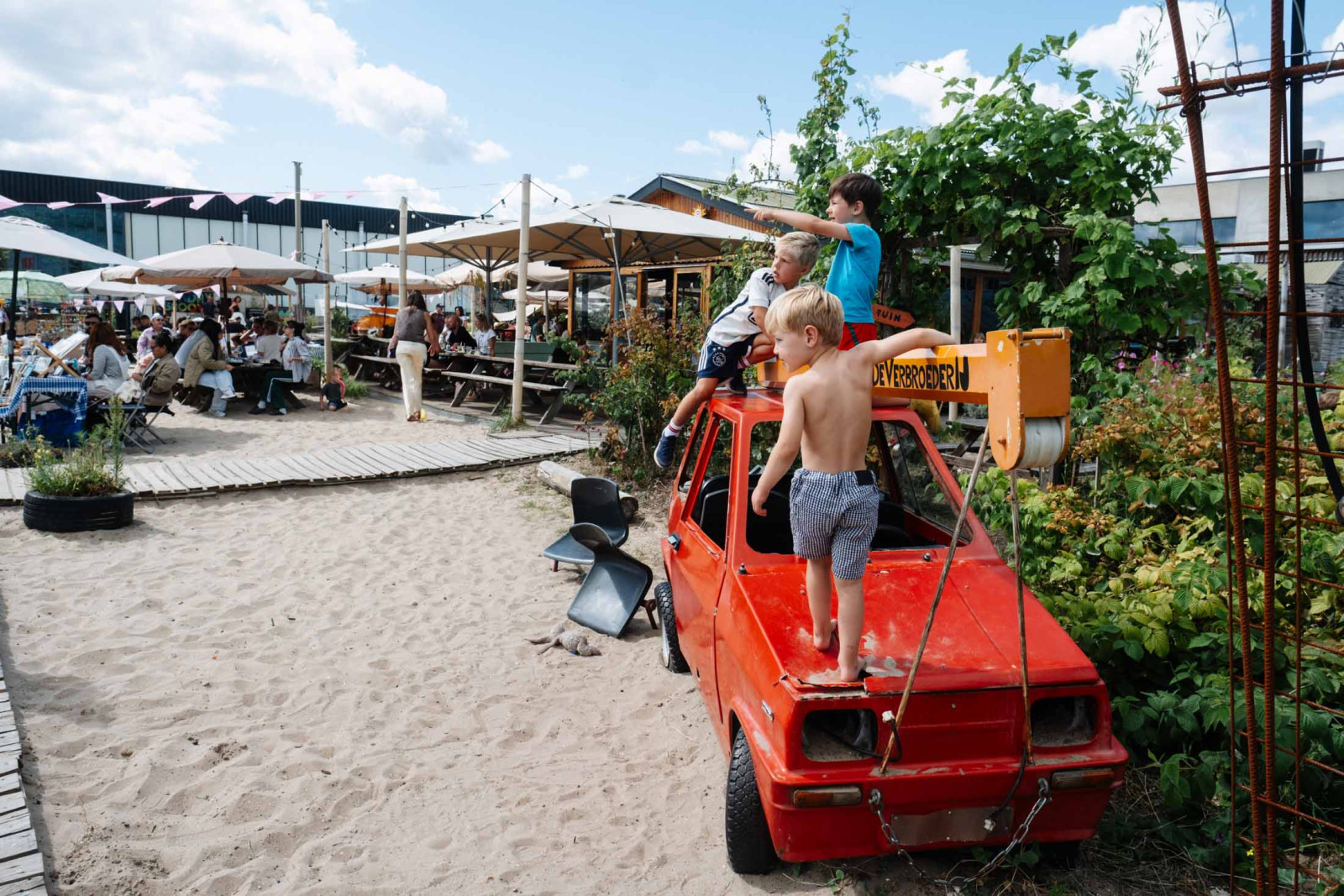
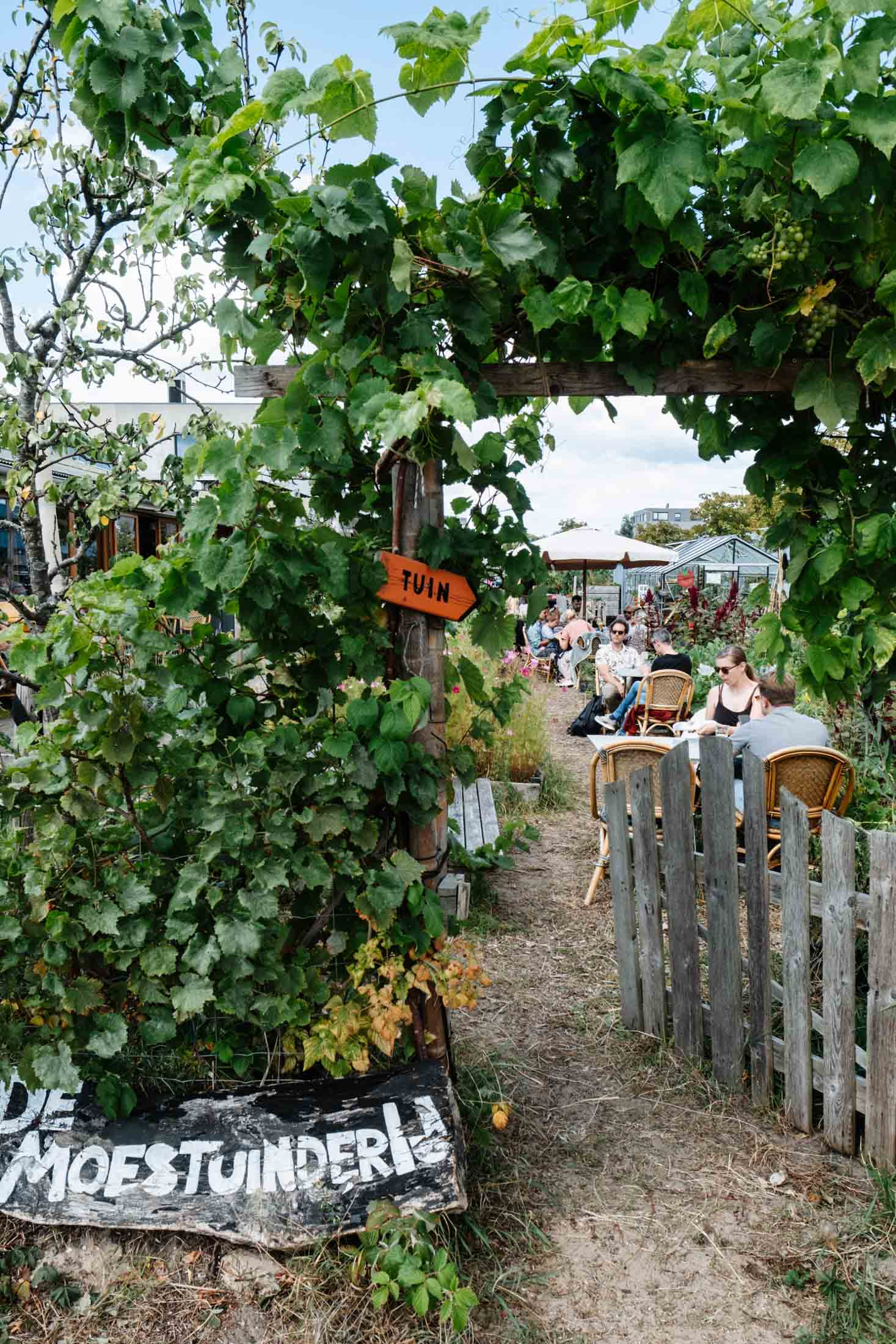
In 2017, the municipality launched a competition for an undeveloped plot of land on the edge of Hamerkwartier, an industrial area in transition and currently the city’s most happening nightlife district. Tania Spaans, together with co-initiators Wouter Schild and Wendy Rats, submitted the winning plan. Their vision: a green meeting place for and by the neighborhood where people can eat, drink, play sports, dance, make, and garden. In March 2019, the doors of De VerbroederIJ opened. The restaurant offers work-learning opportunities for people with distance from the labor market and features a menu as diverse as the audience. People with a city pass receive a 50% discount on food and drinks. There is an extensive cultural program and space for local initiatives, including Helen’s Free Food Market.
Tania is now the only one of the three founders still actively involved. She comes from an educational background and had no experience with projects like this, but that didn’t stop her. In 2022, when De VerbroederIJ was supposed to make way for a temporary school building, she gave it all she had. She lobbied tirelessly and received strong support from local residents, who independently started a petition to preserve the space. After another suitable location for the school was found, a four-year extension was granted at the end of that same year.
At present, it seems unlikely that the plot of De VerbroederIJ will be redeveloped after 2026. The presence of the chemical plant hinders the construction of housing, and Ketjen does not appear to be planning to relocate. Nevertheless, the municipality communicates a target of 6,500 new homes for the Hamerkwartier. Tania is involved in the talks about the redevelopment and believes the plans look good on paper. Whether there will be an affordable space for De VerbroederIJ in the area in the future remains uncertain.
Interview met initatiefnemer en eigenaar Tania Spaans.
15:06
Since: 2019 / Address: Johan van Hasseltweg 21 / Function: bar / restaurant and meeting place for the neighborhood / Perspective: uncertain after 2026
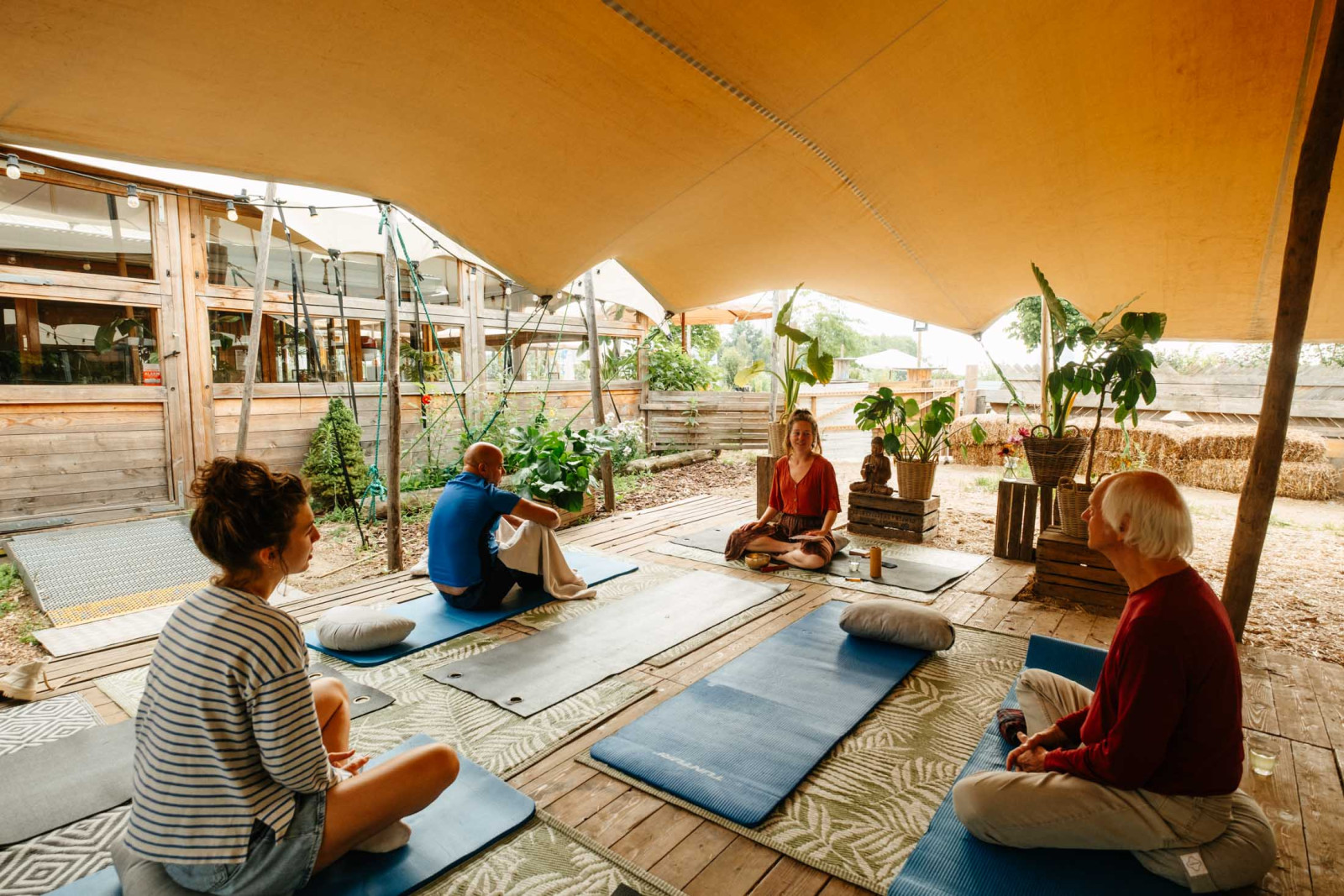
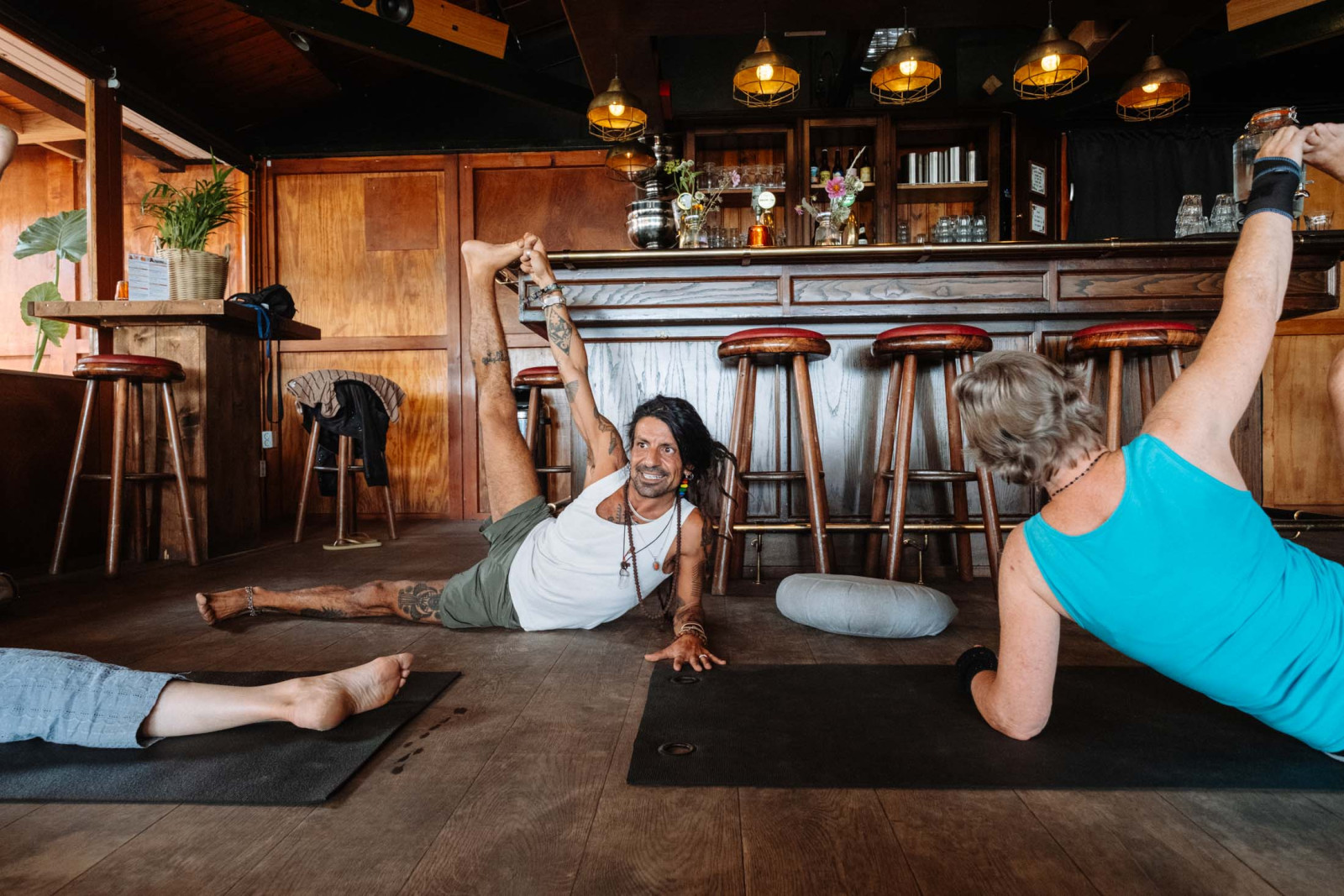
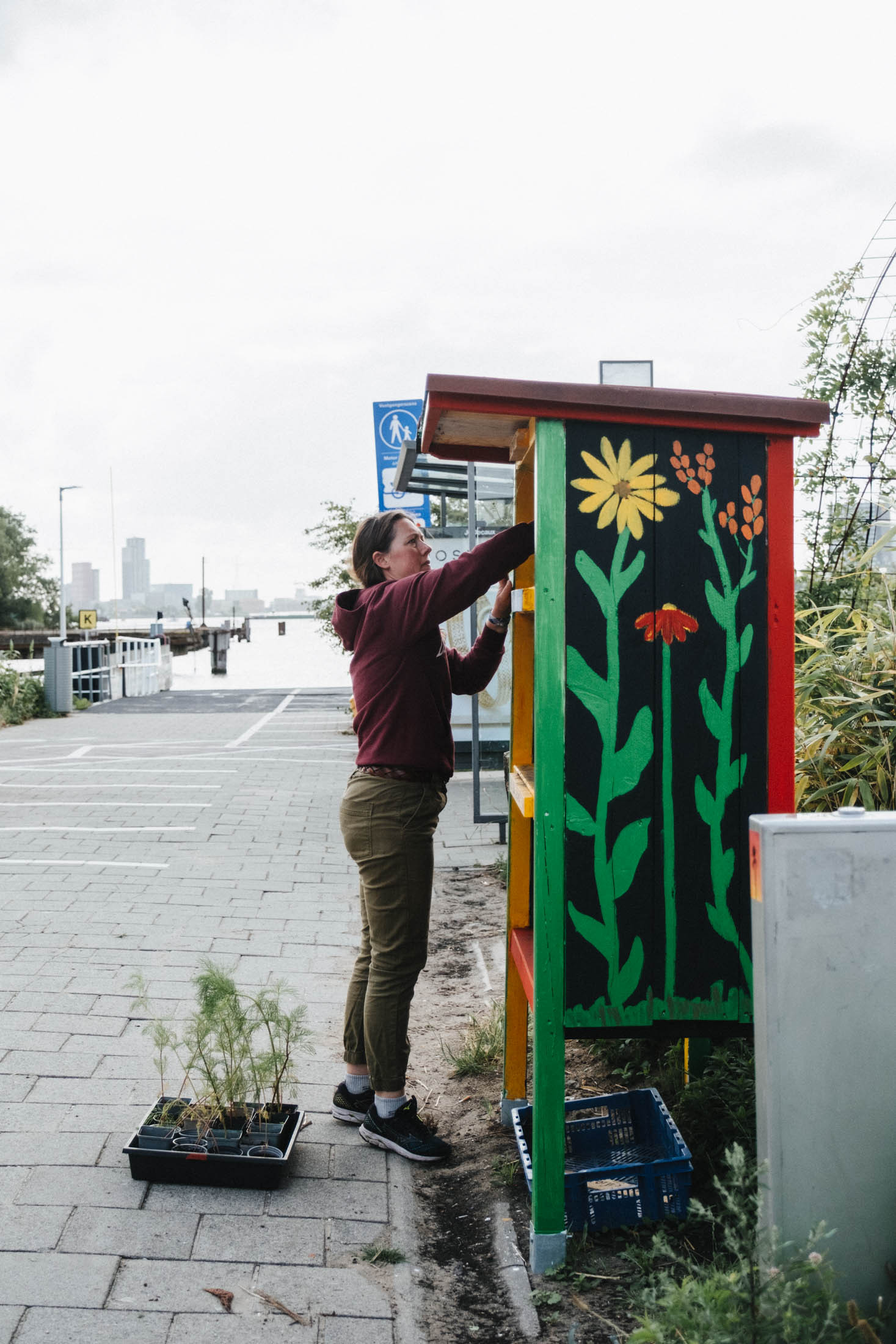
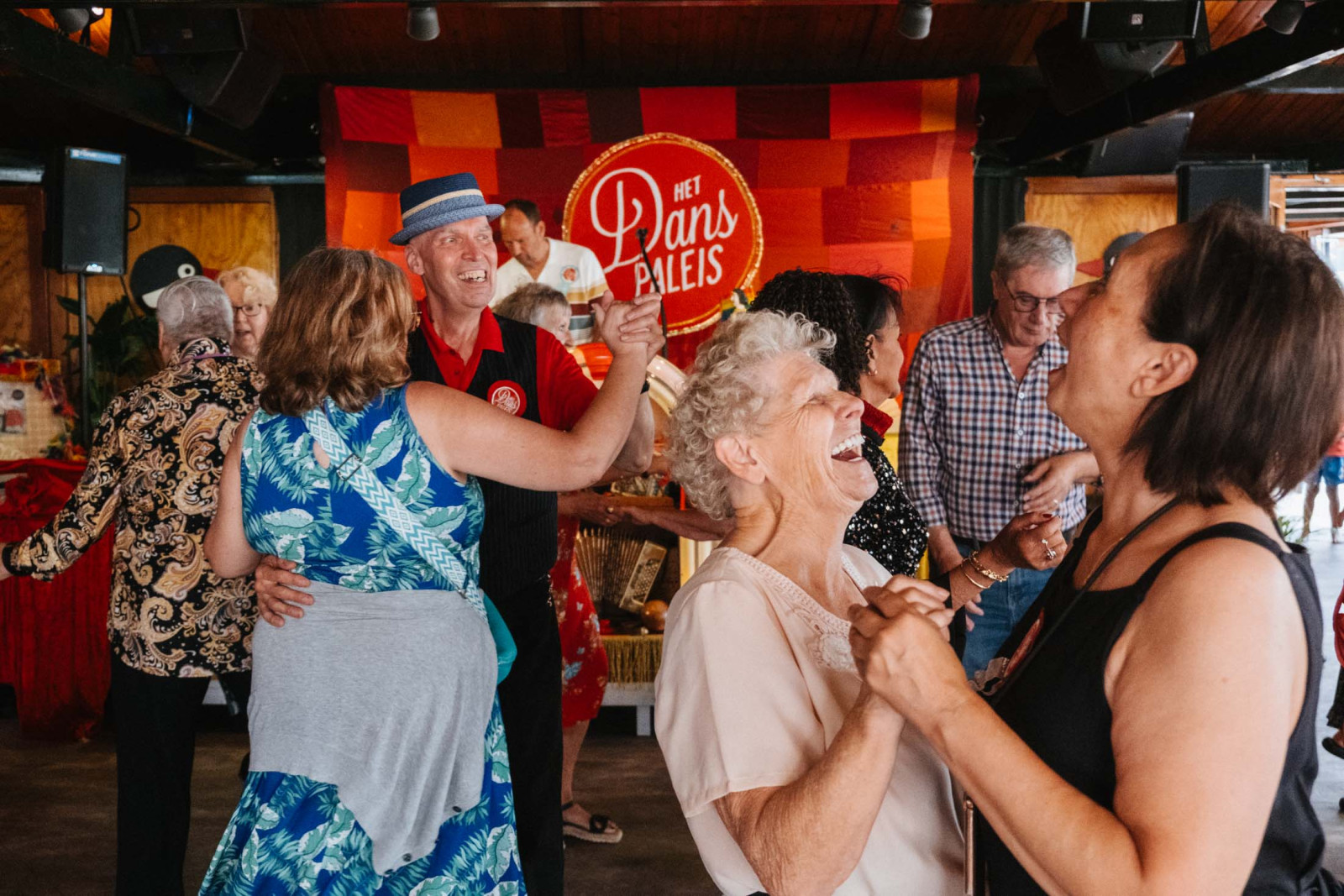
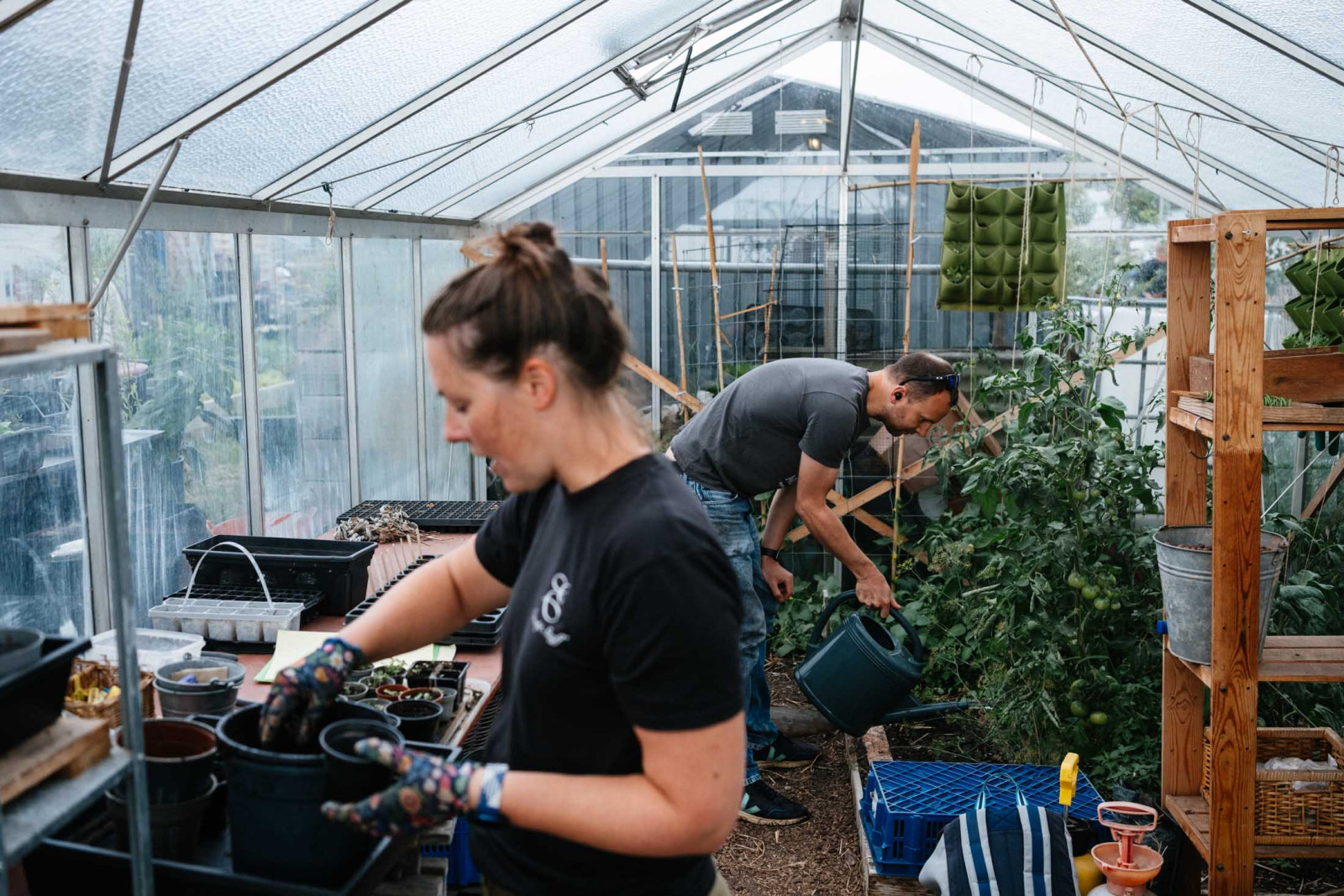
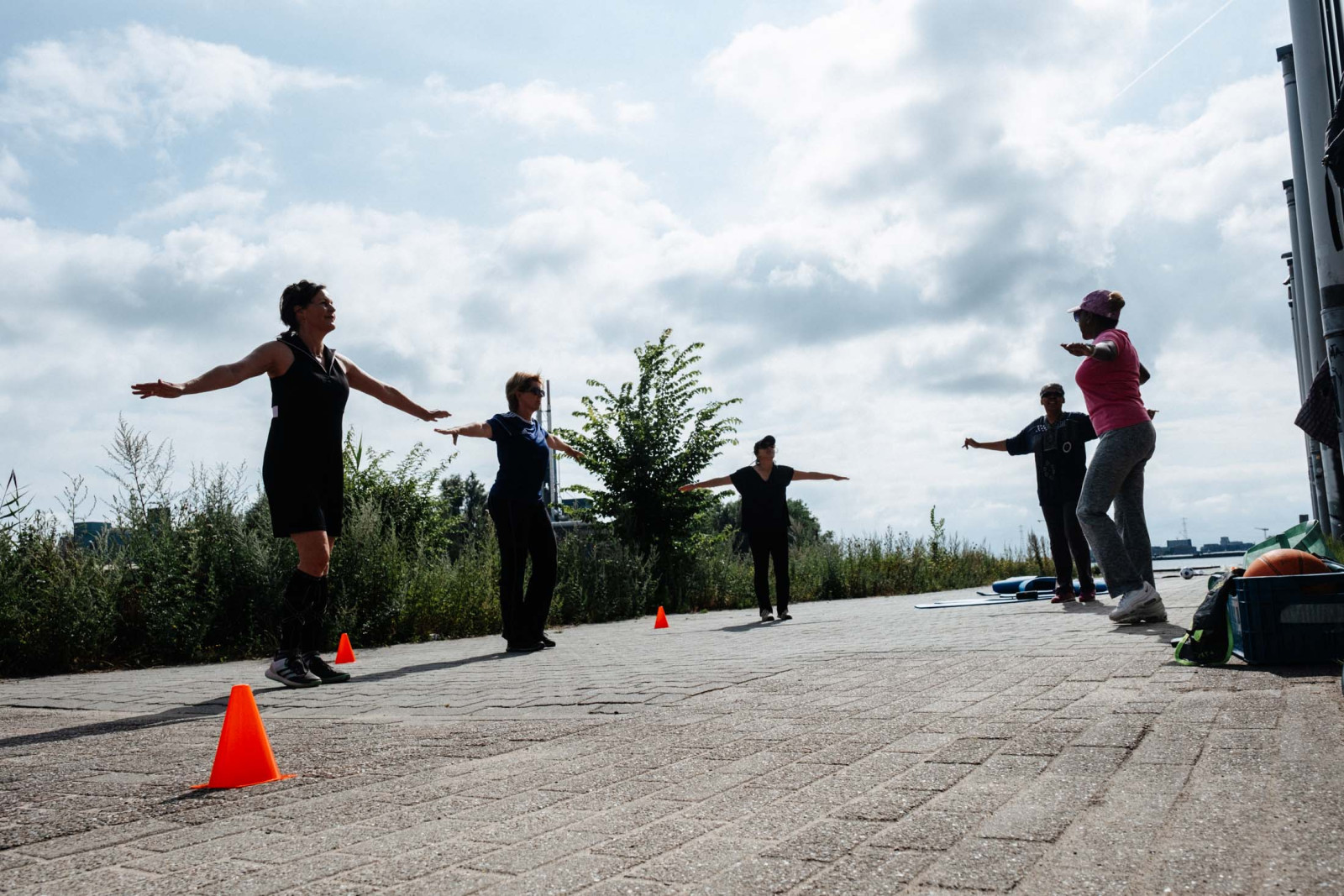
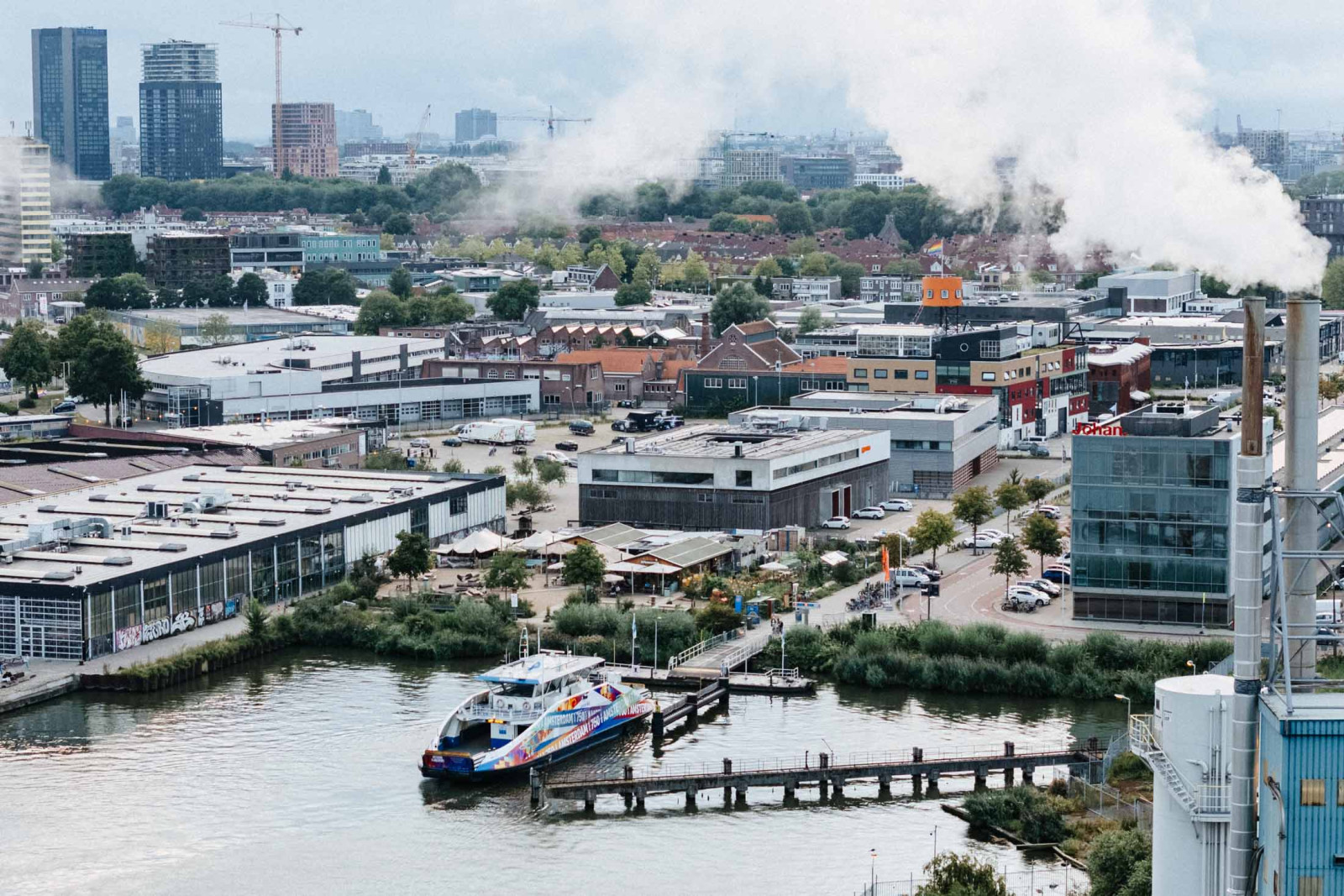
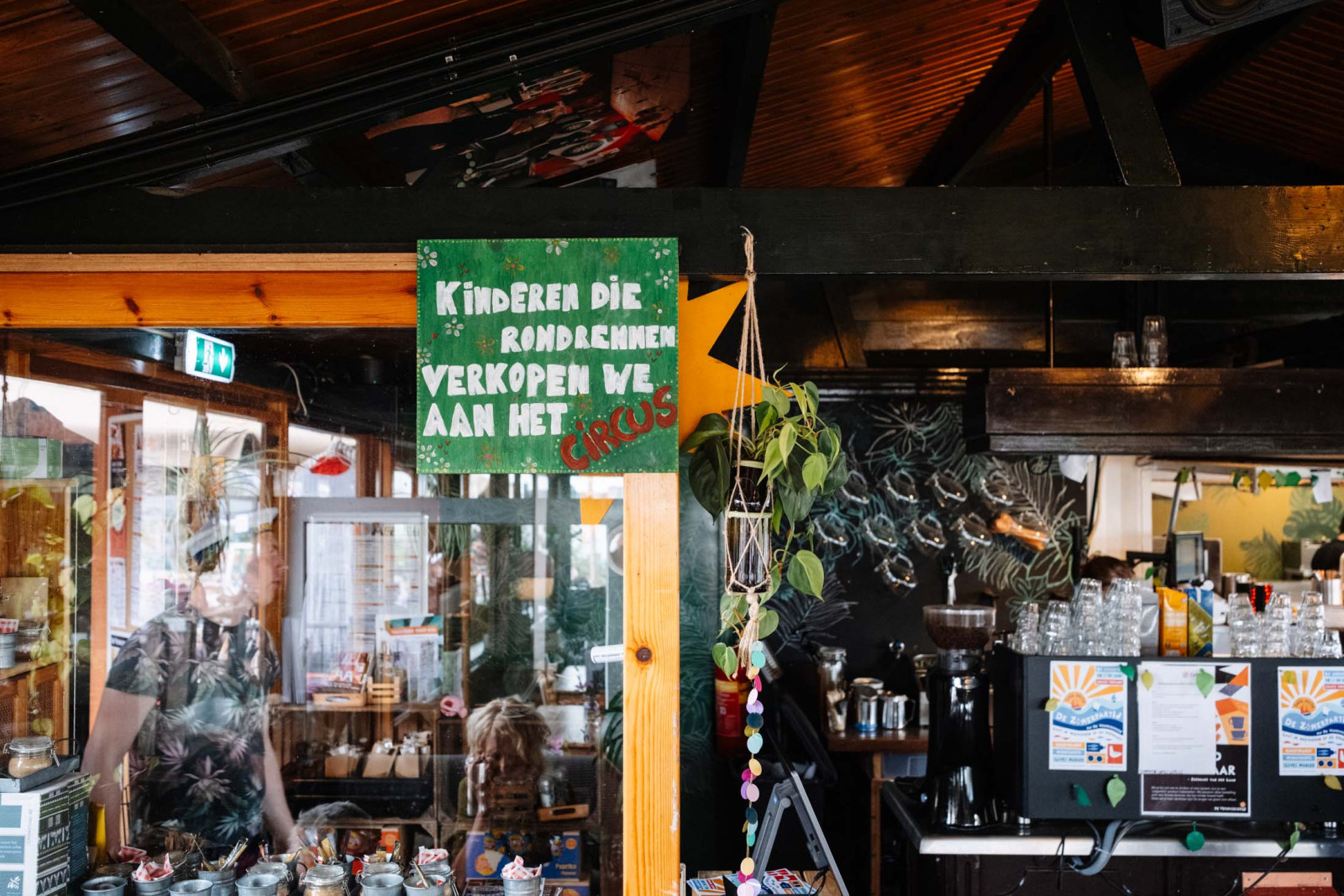
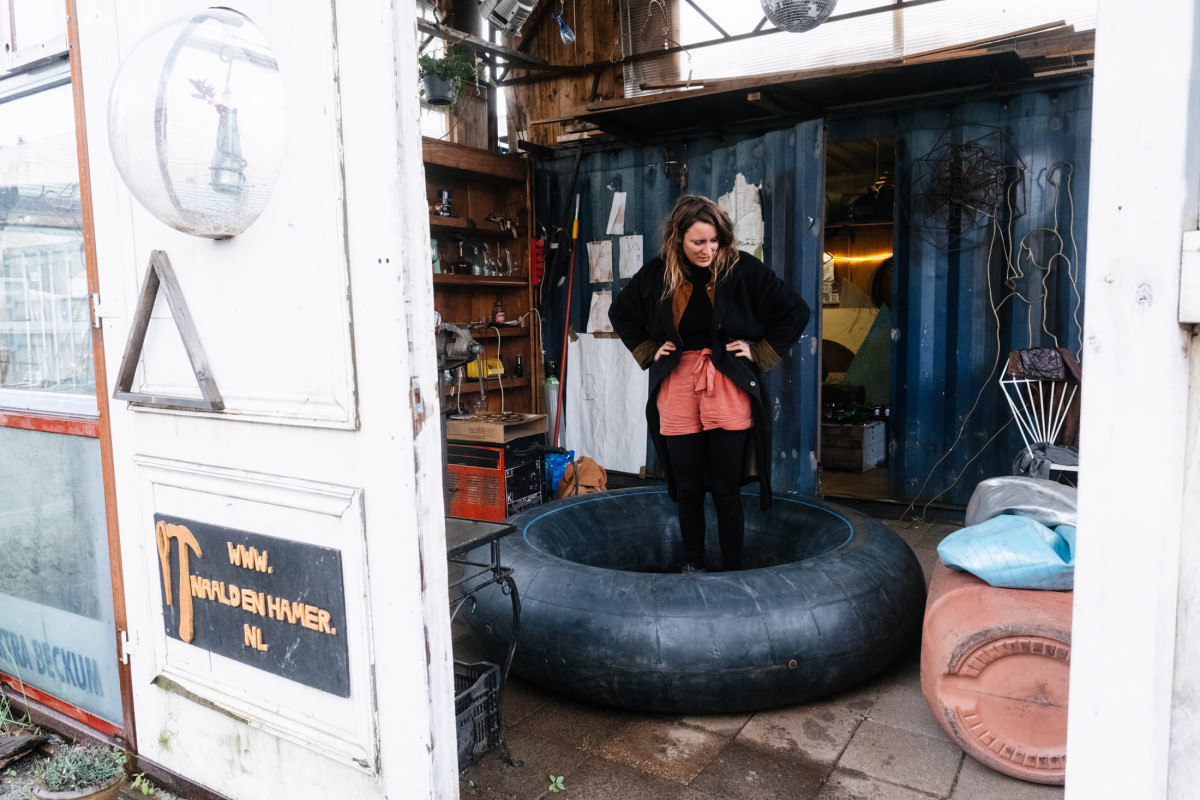
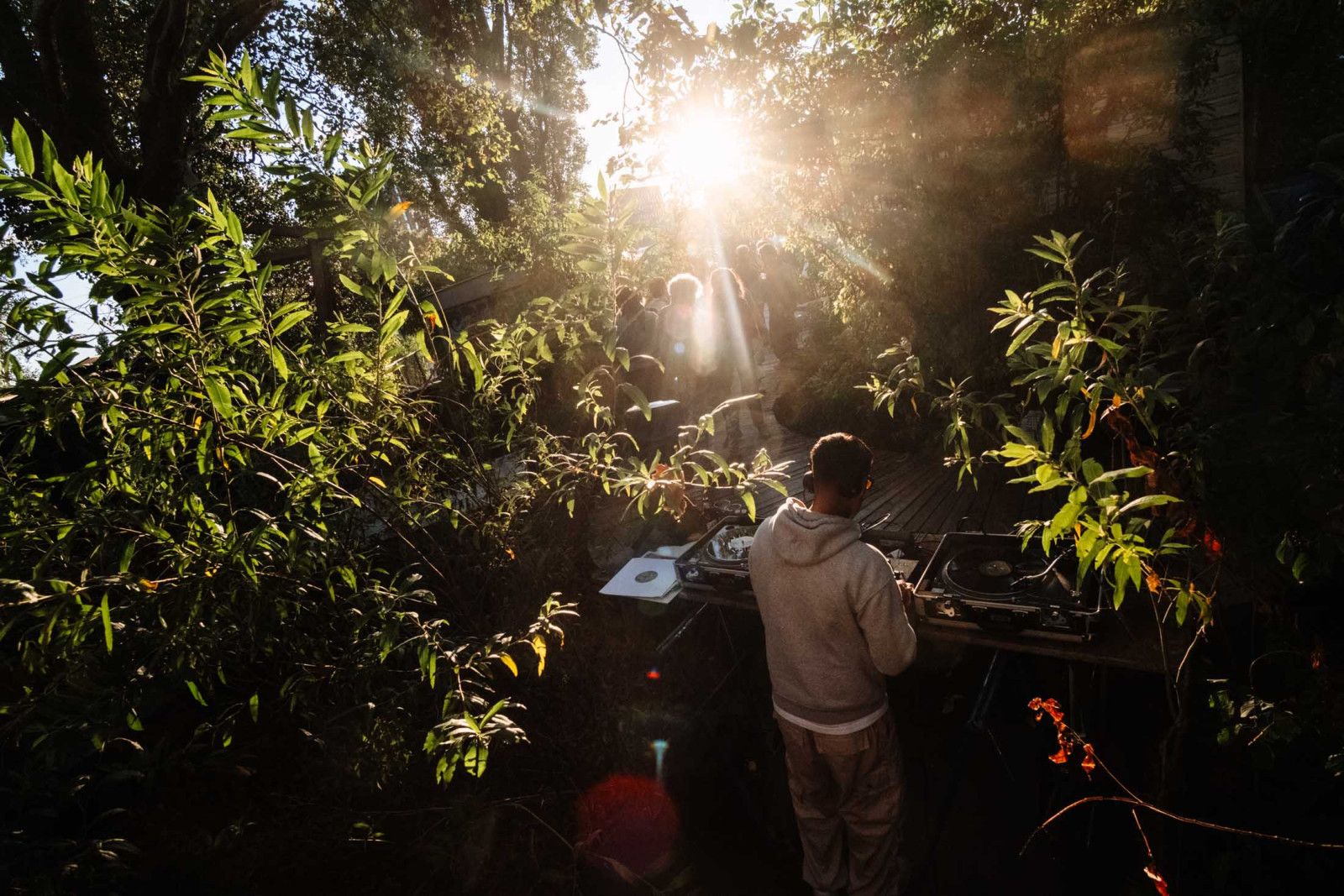
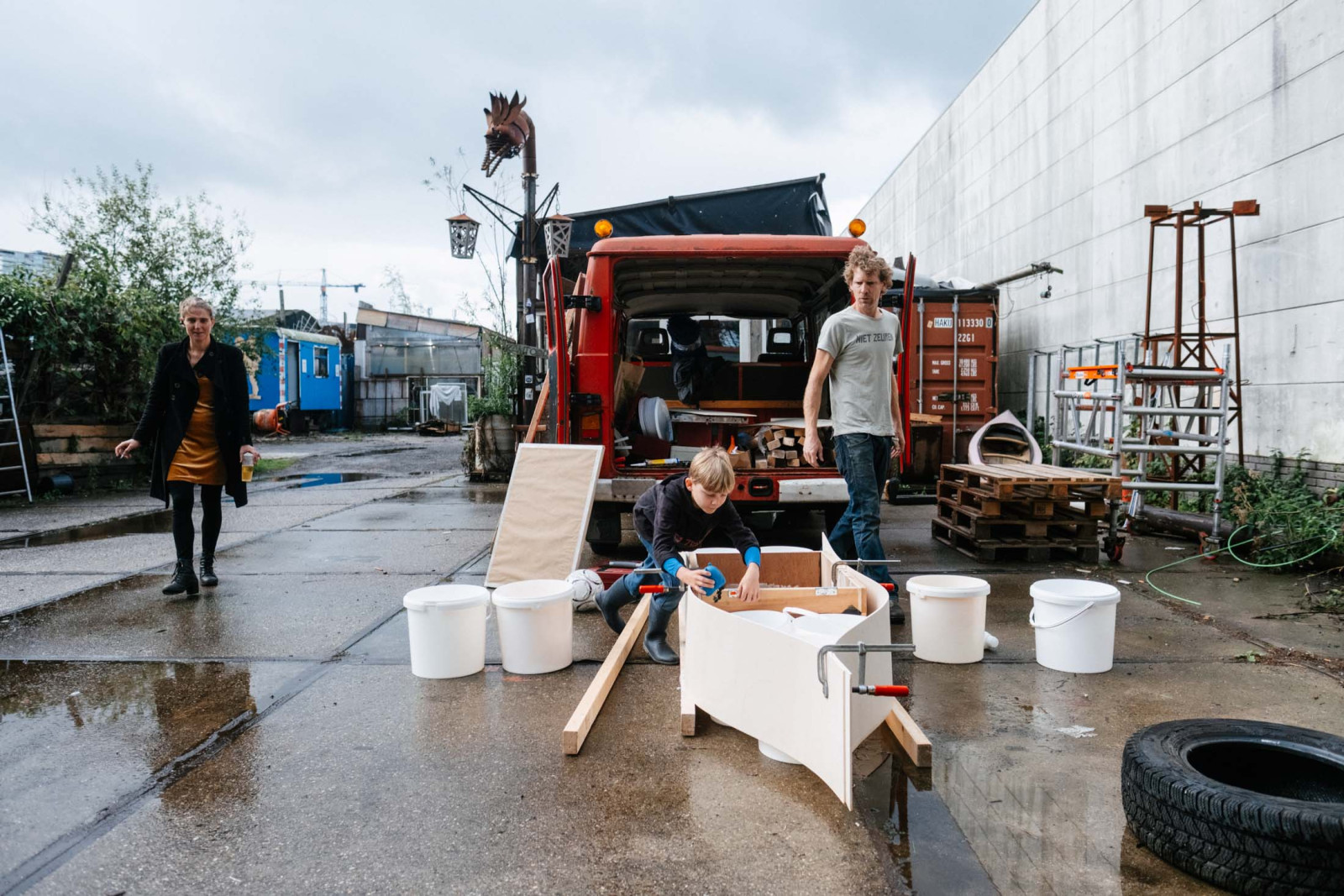
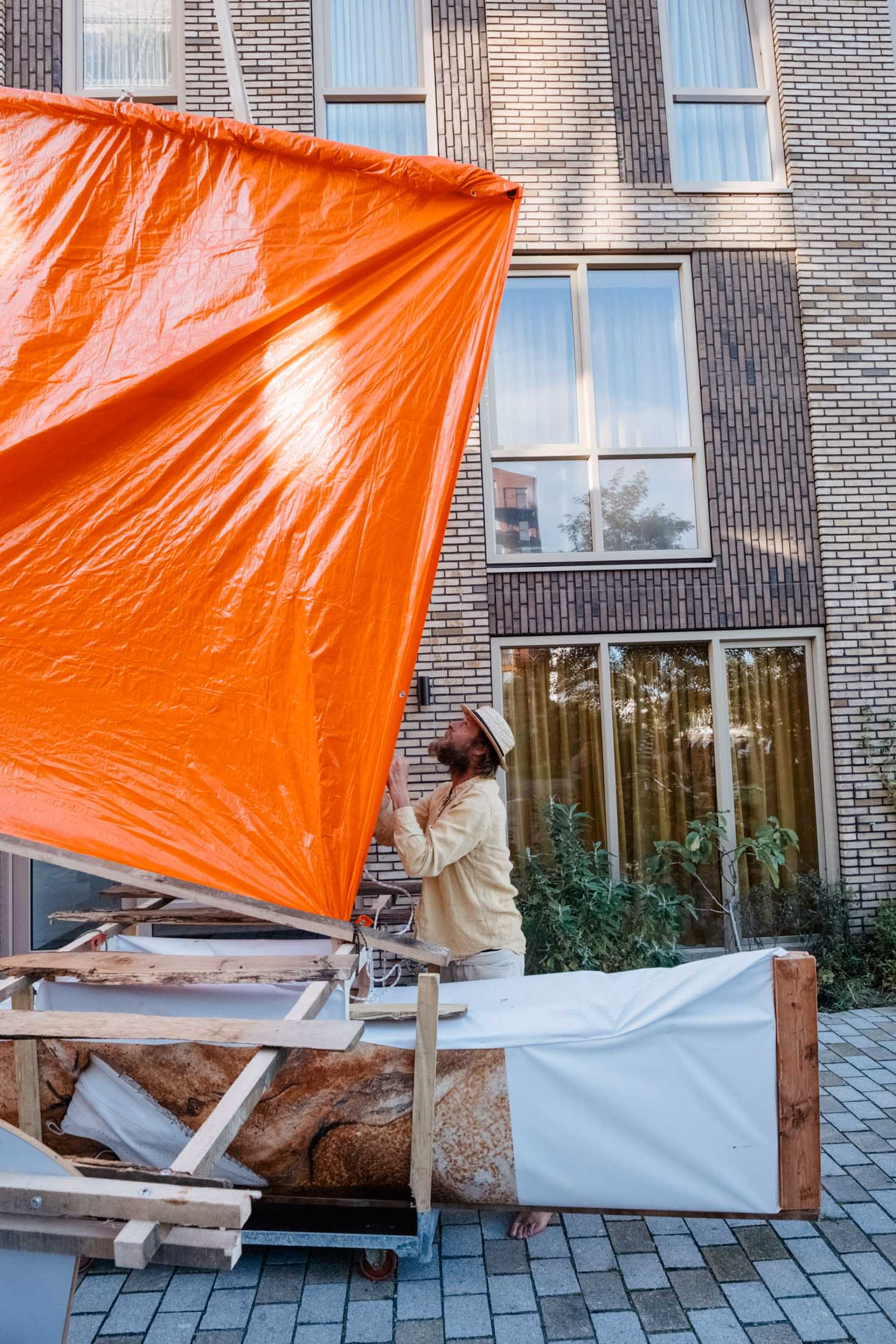
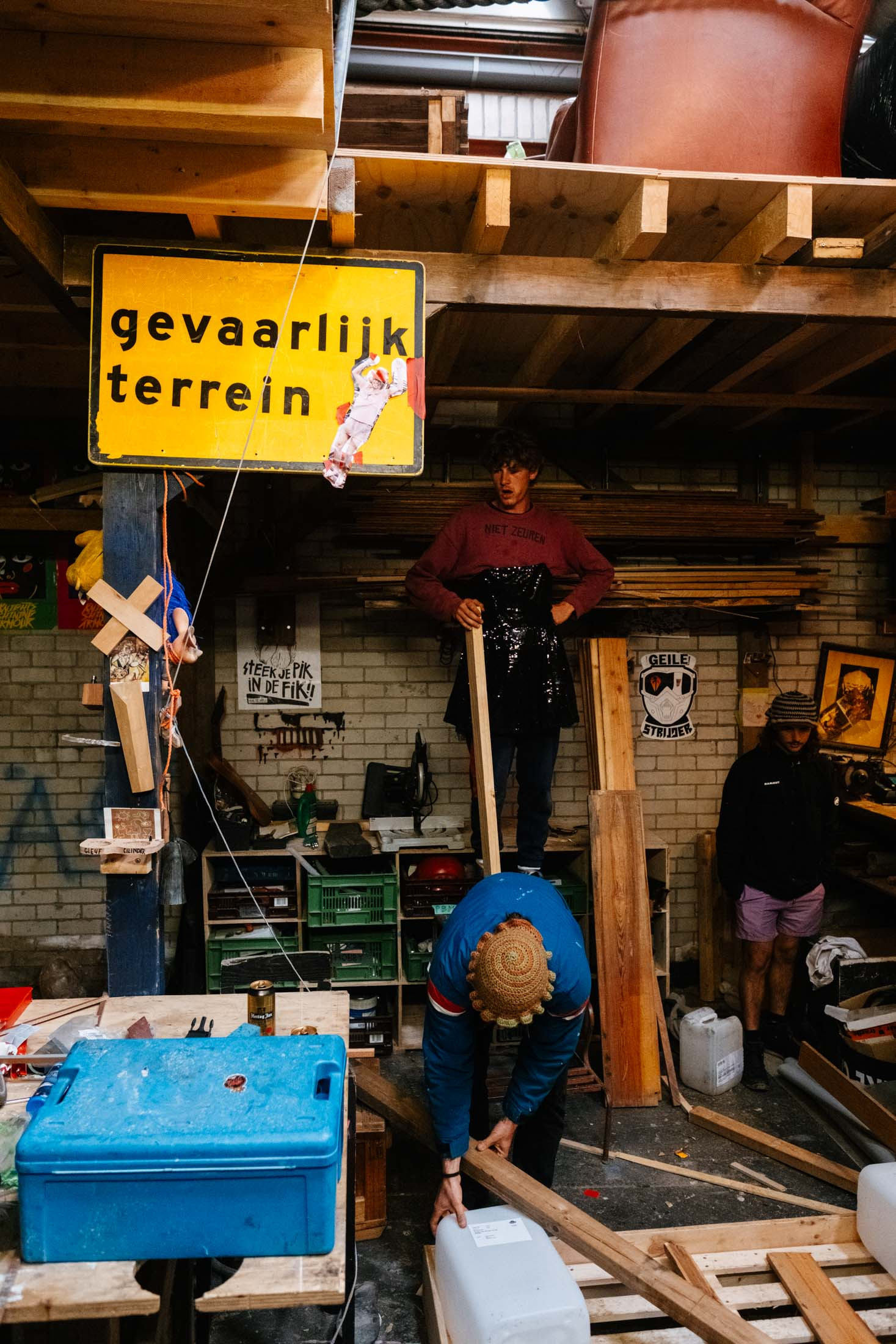
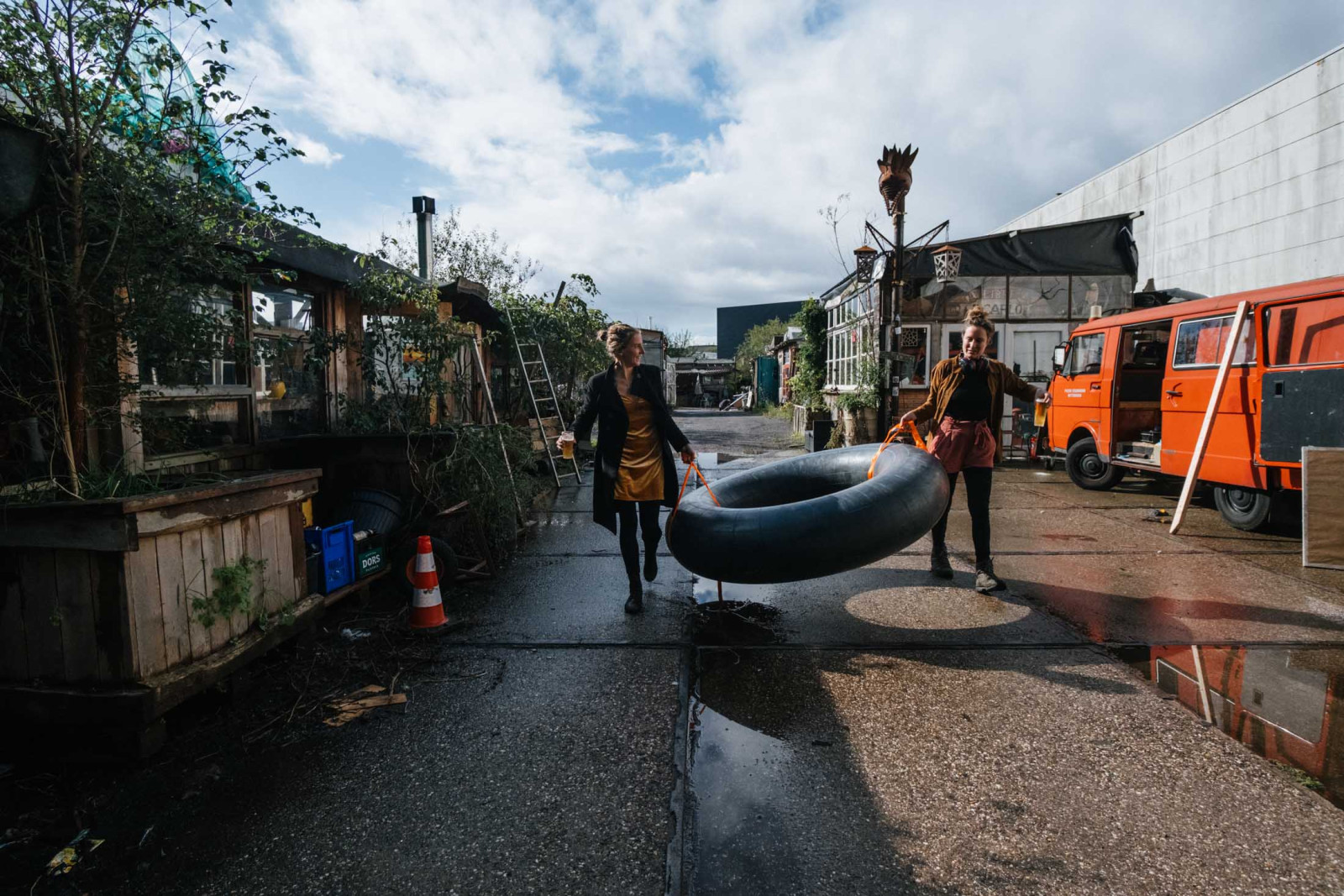
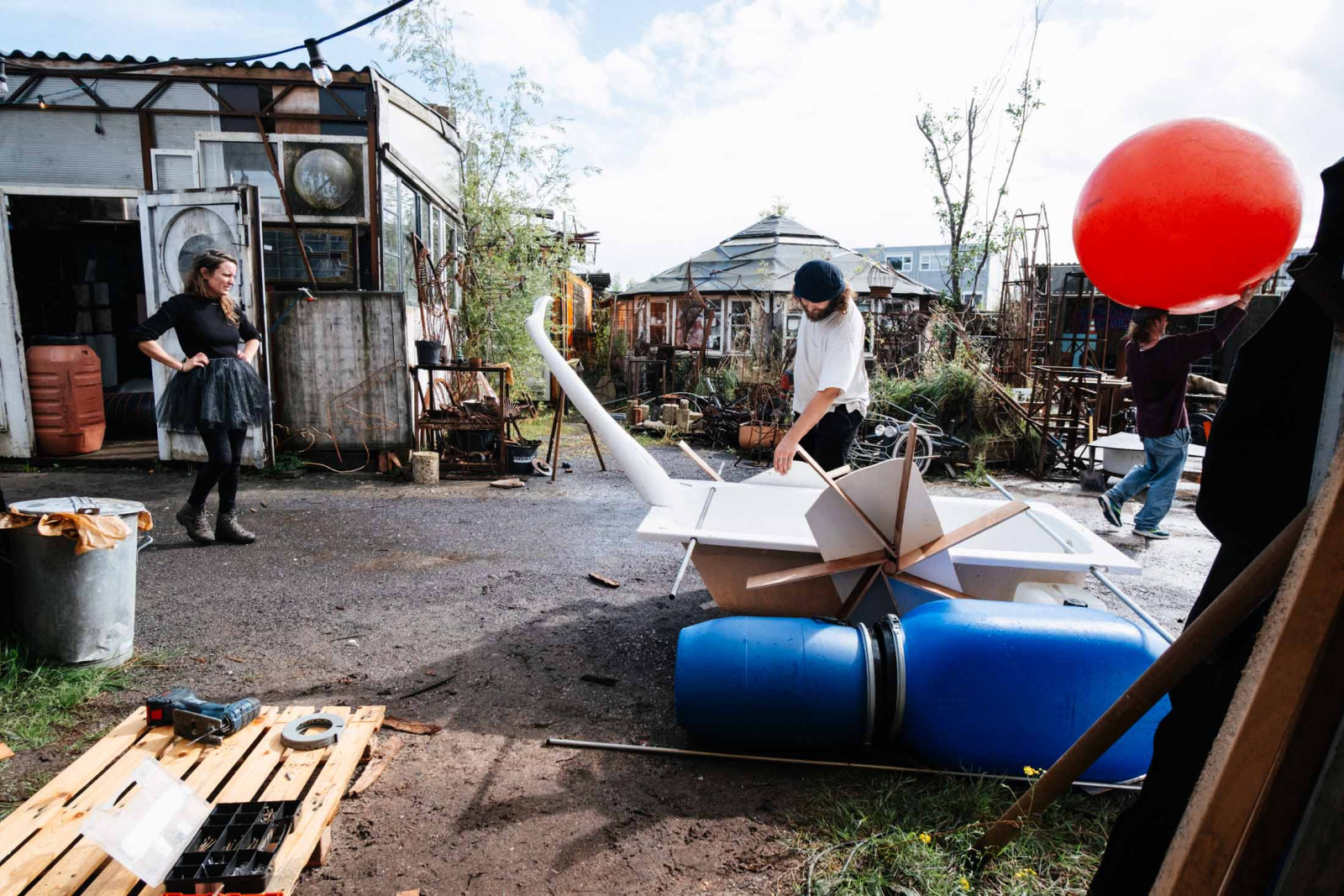
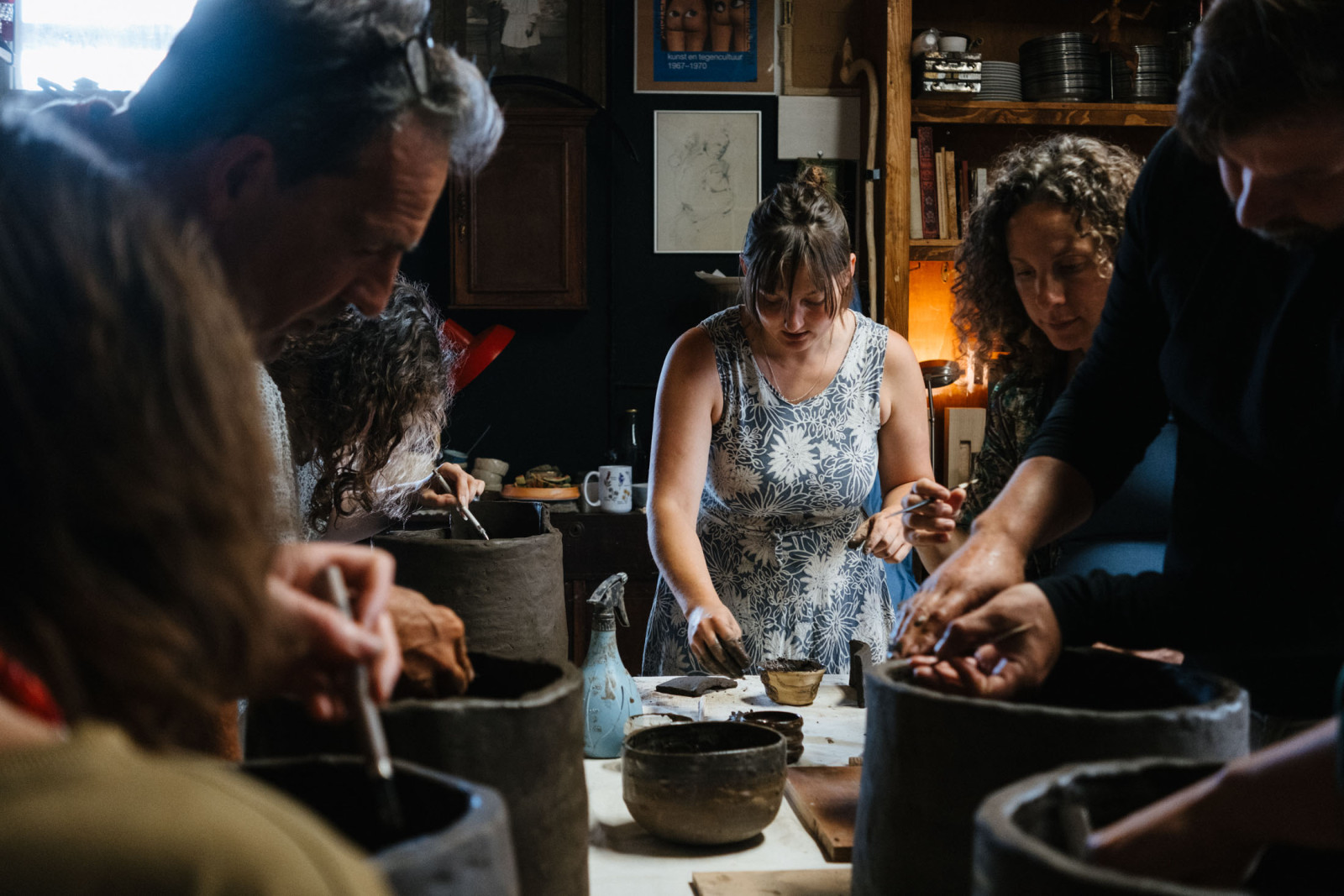
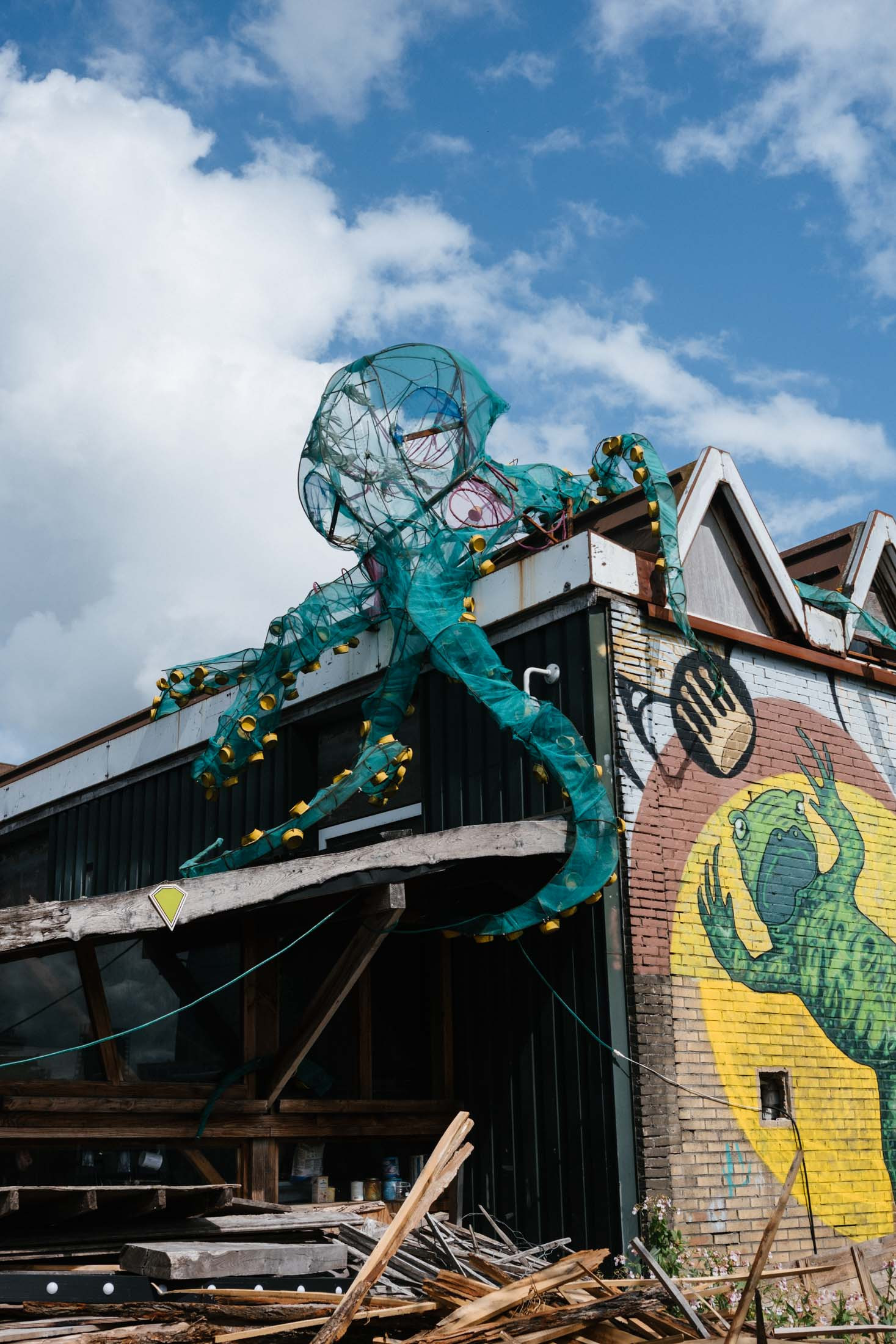
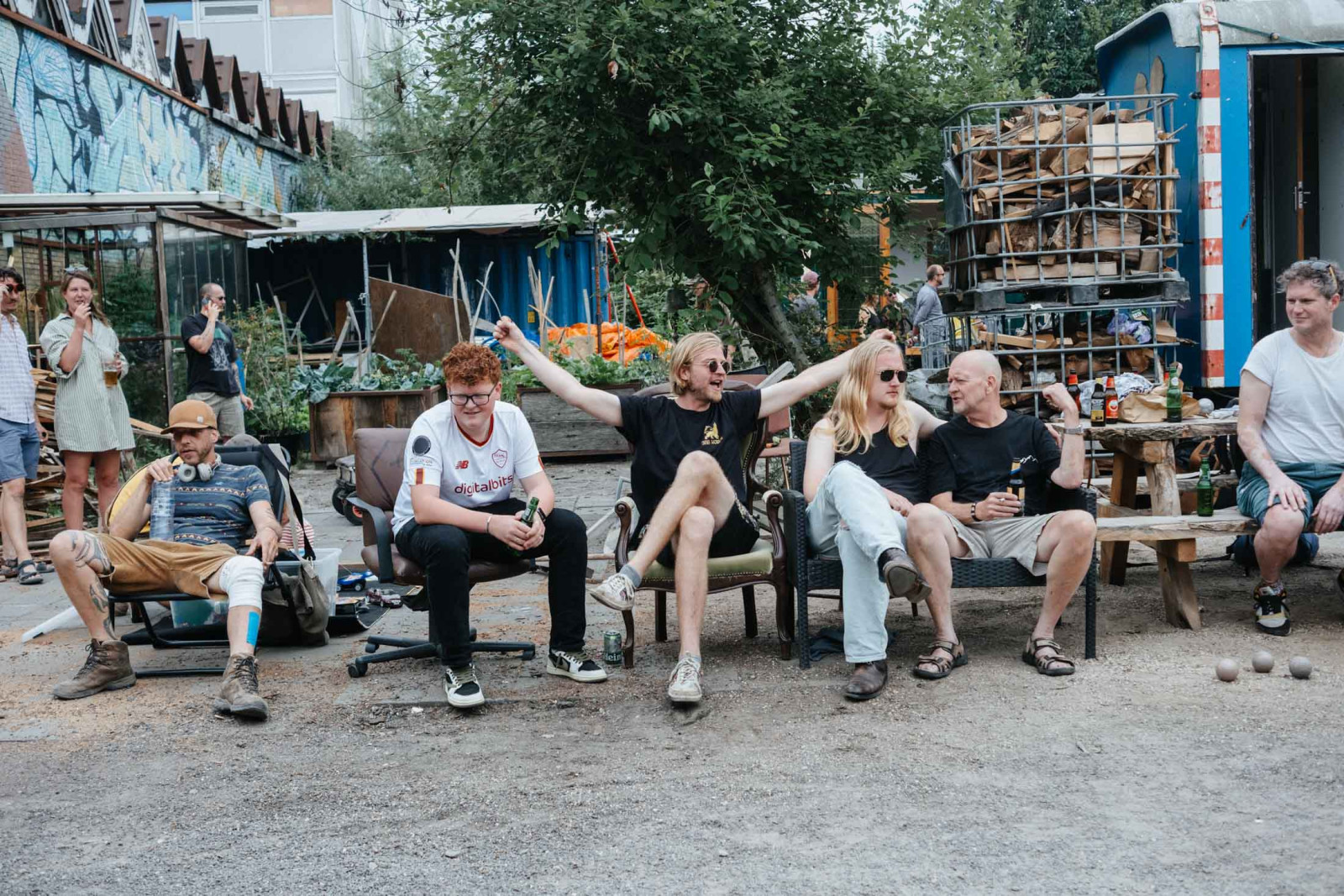
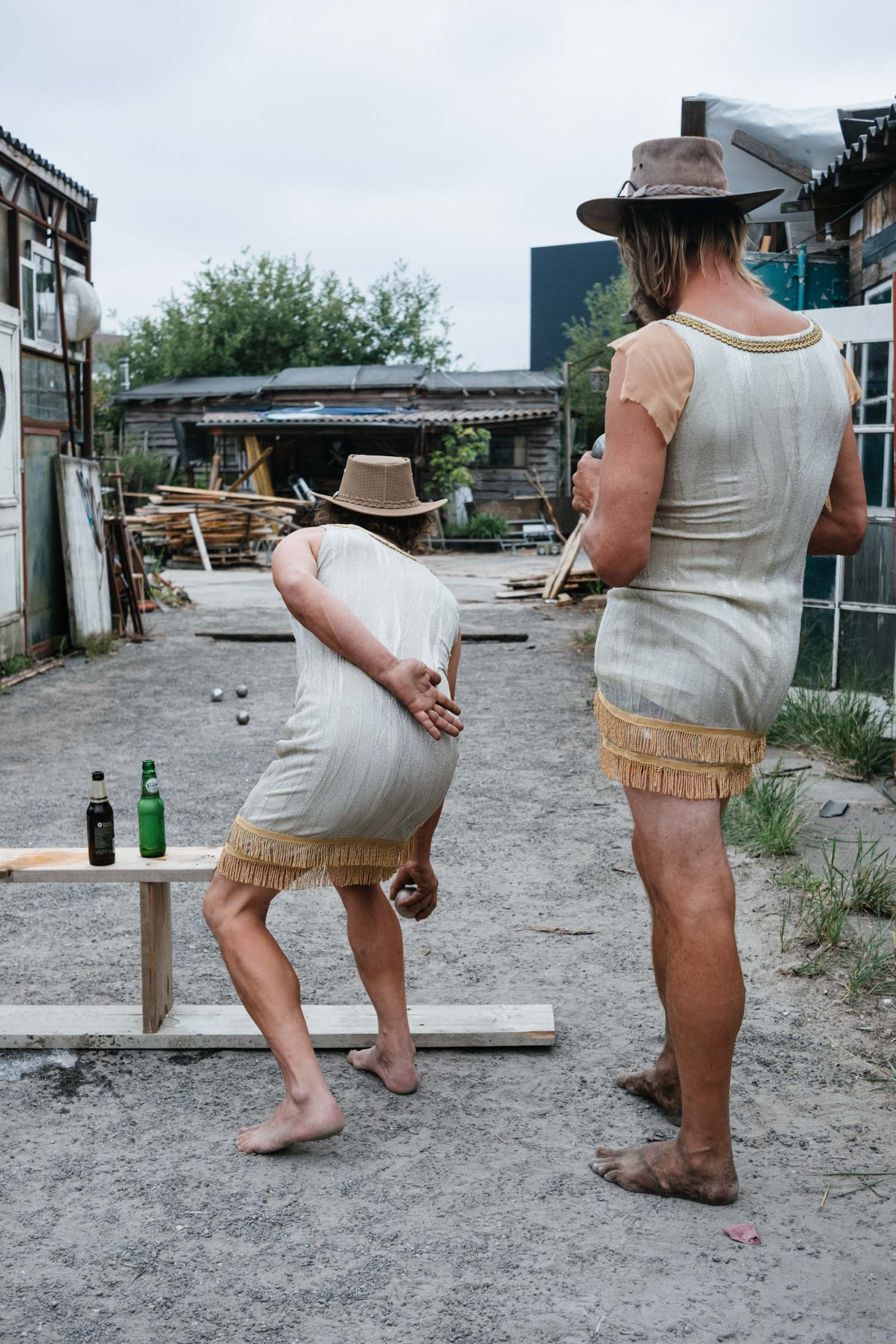
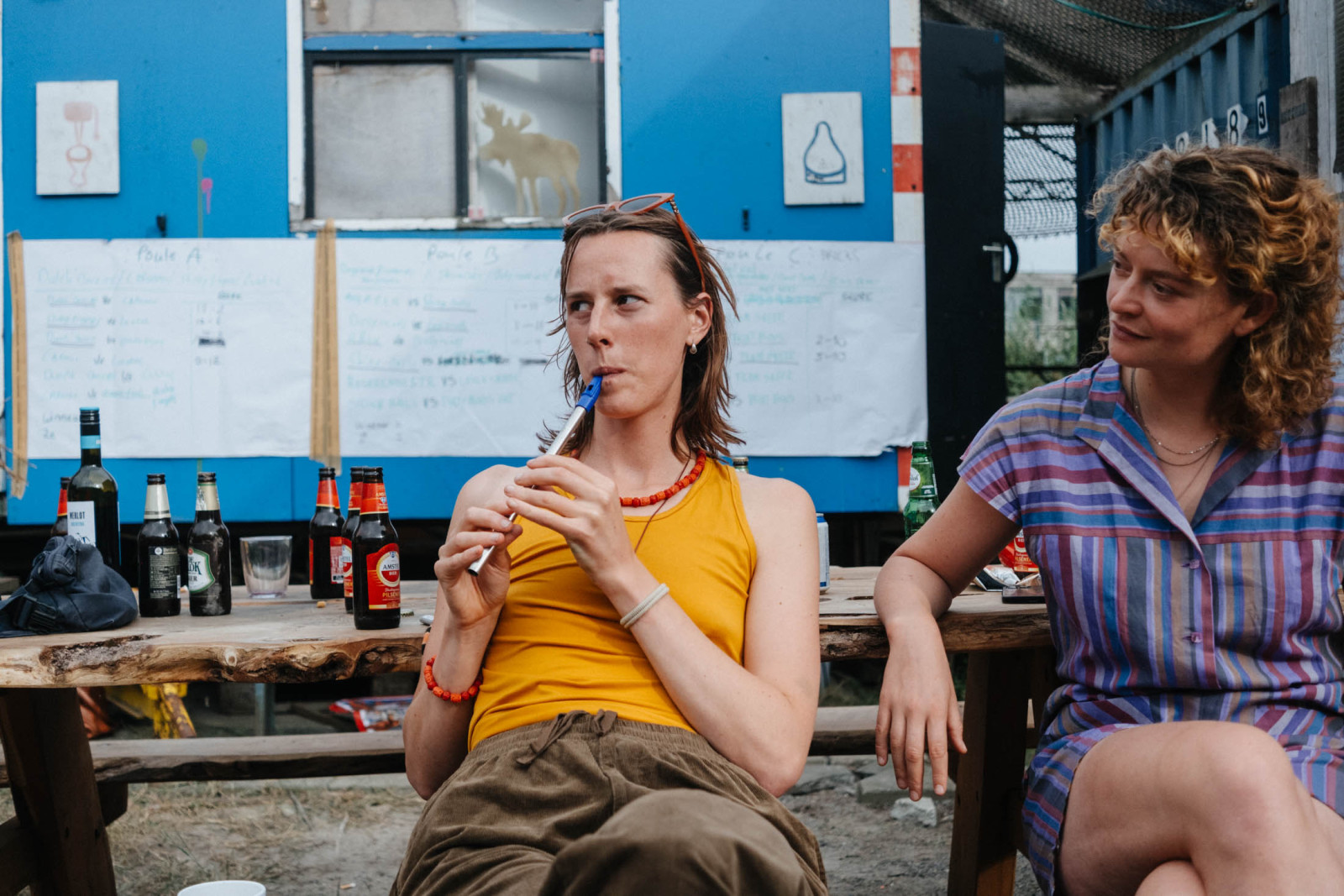
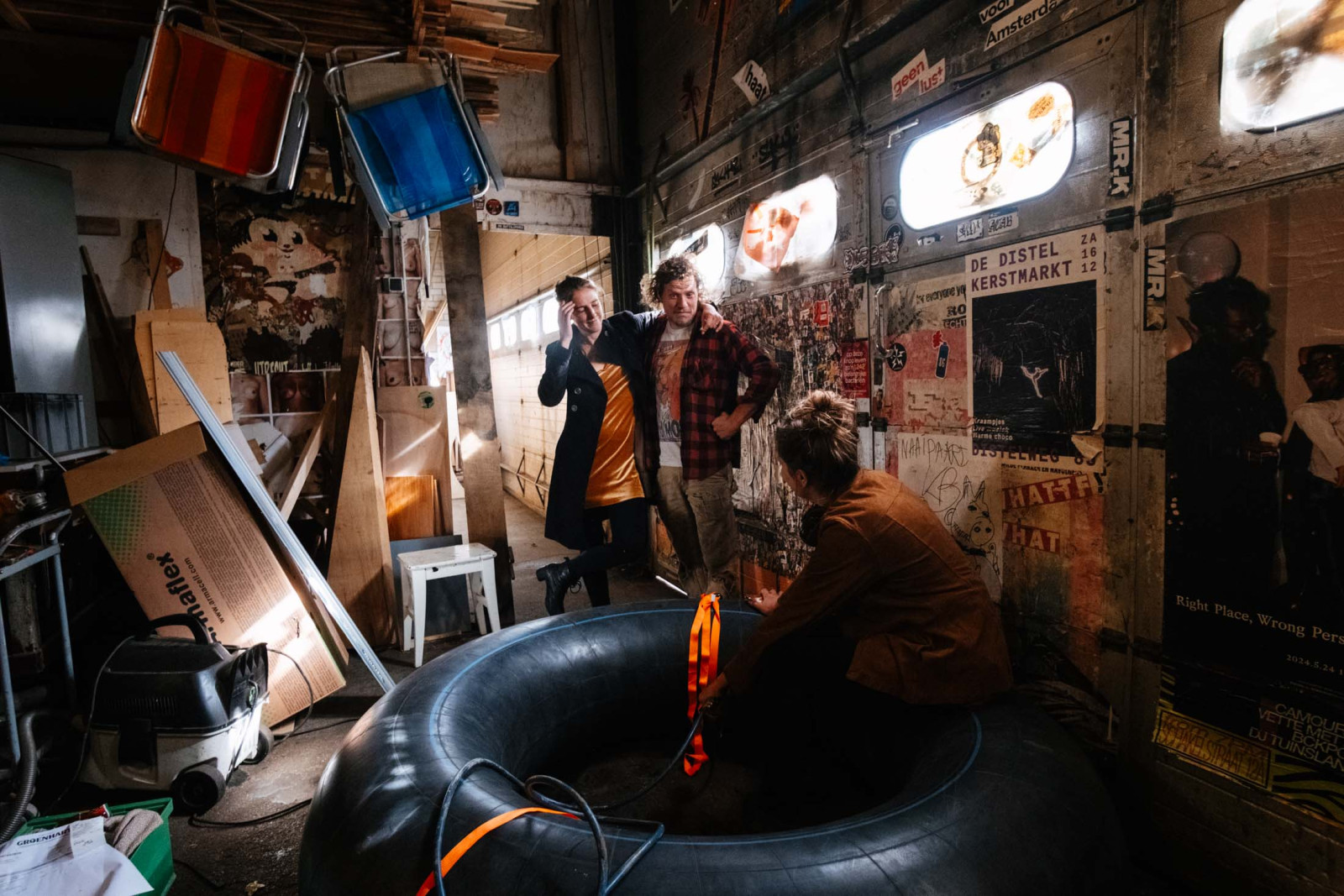
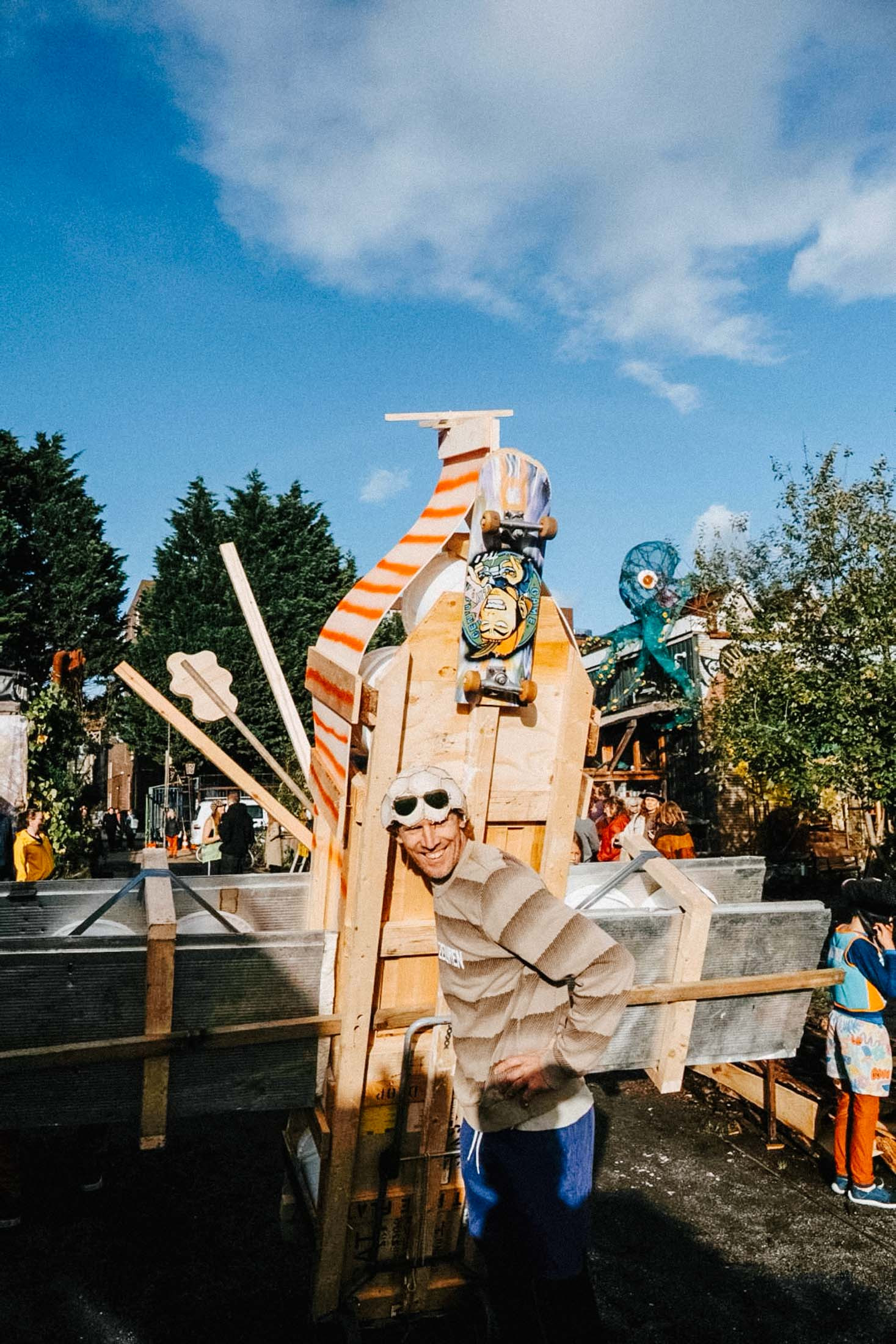
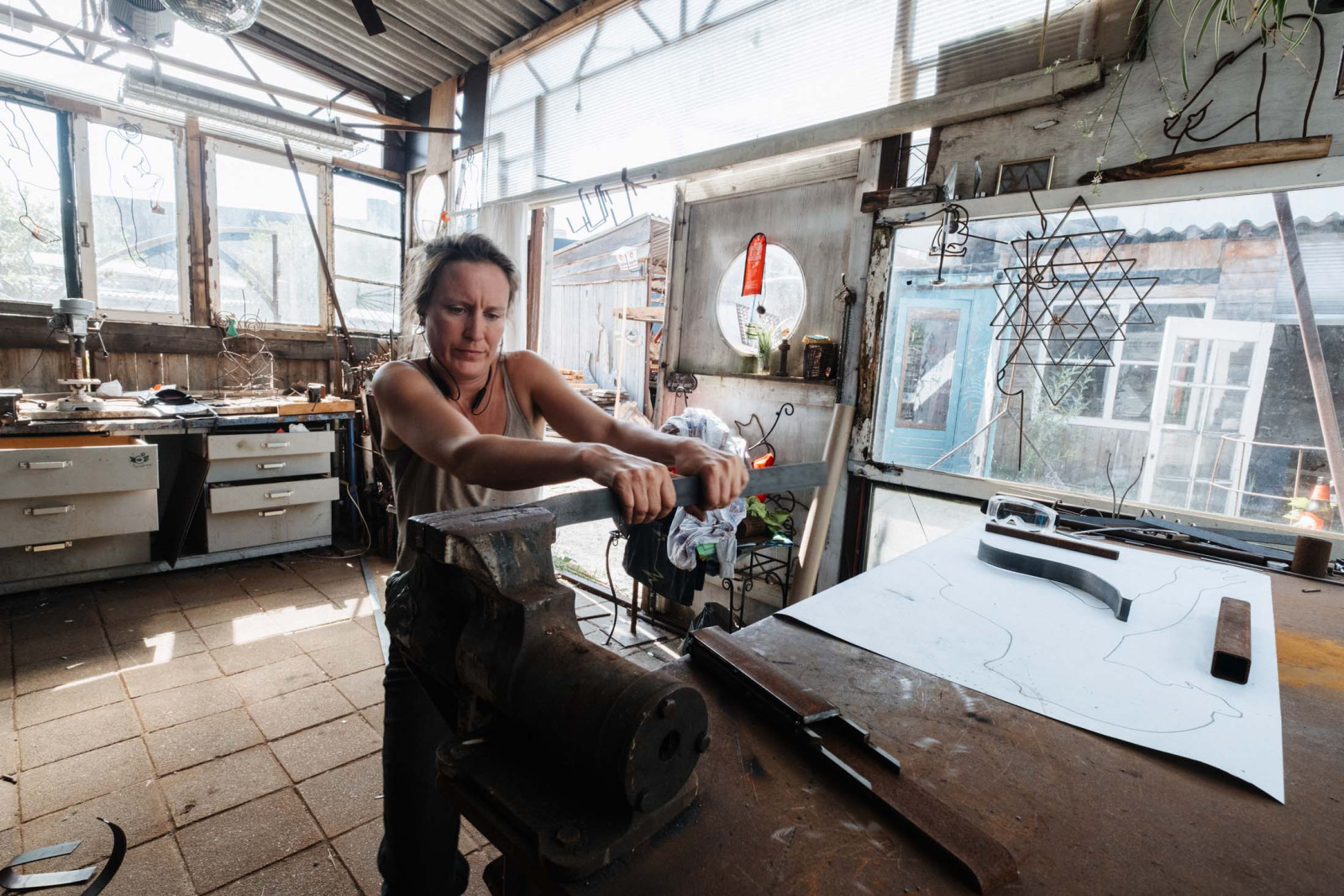
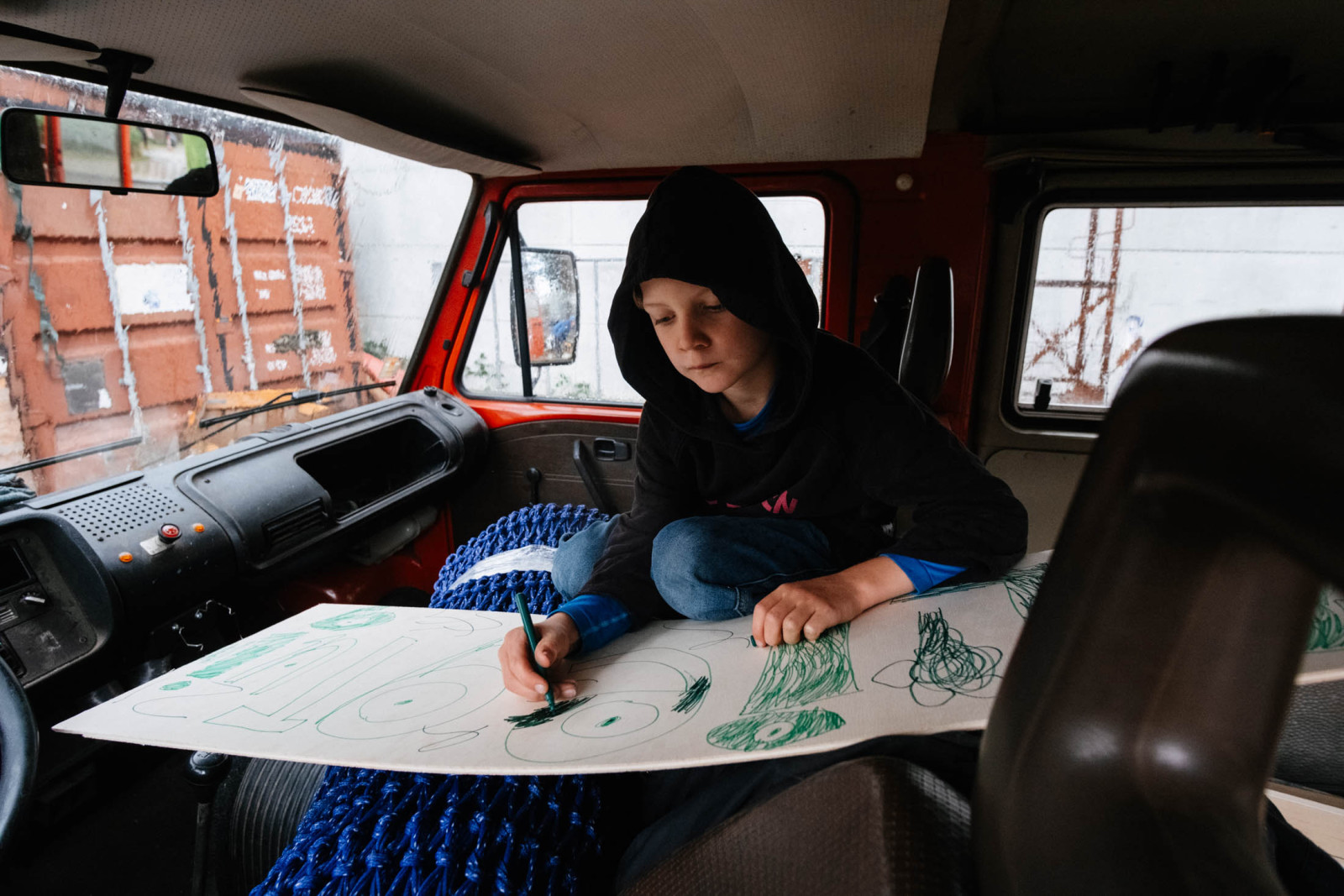
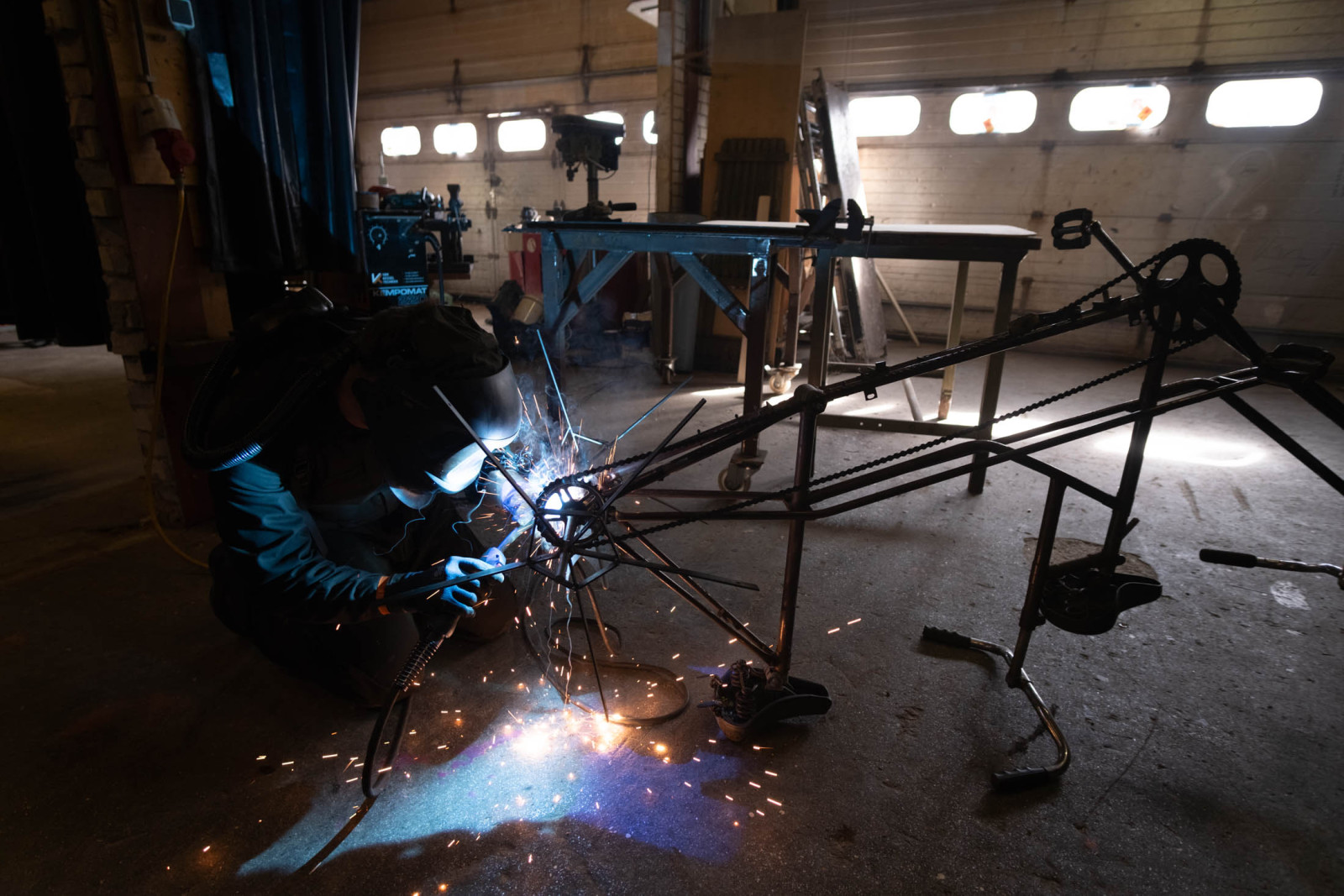
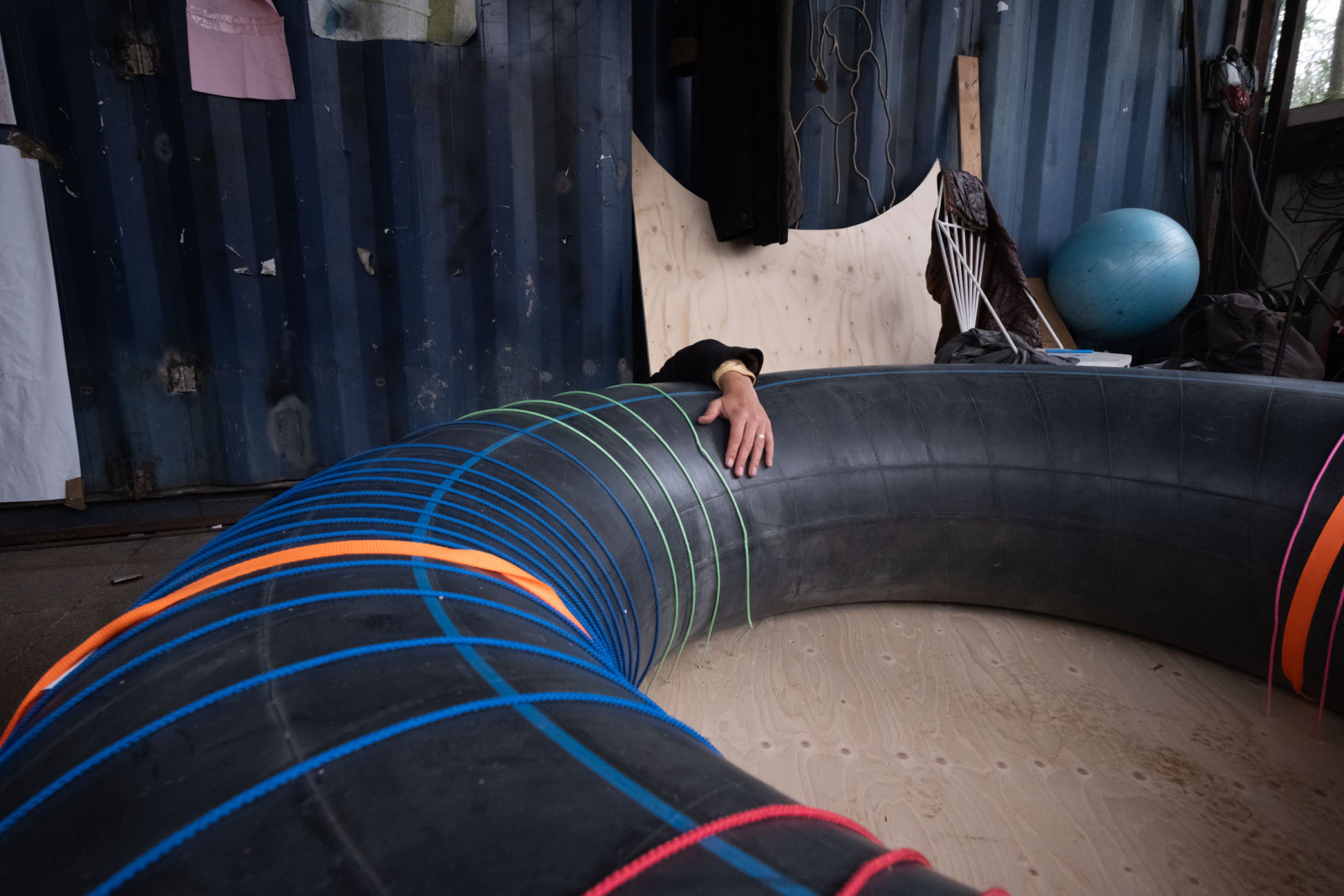
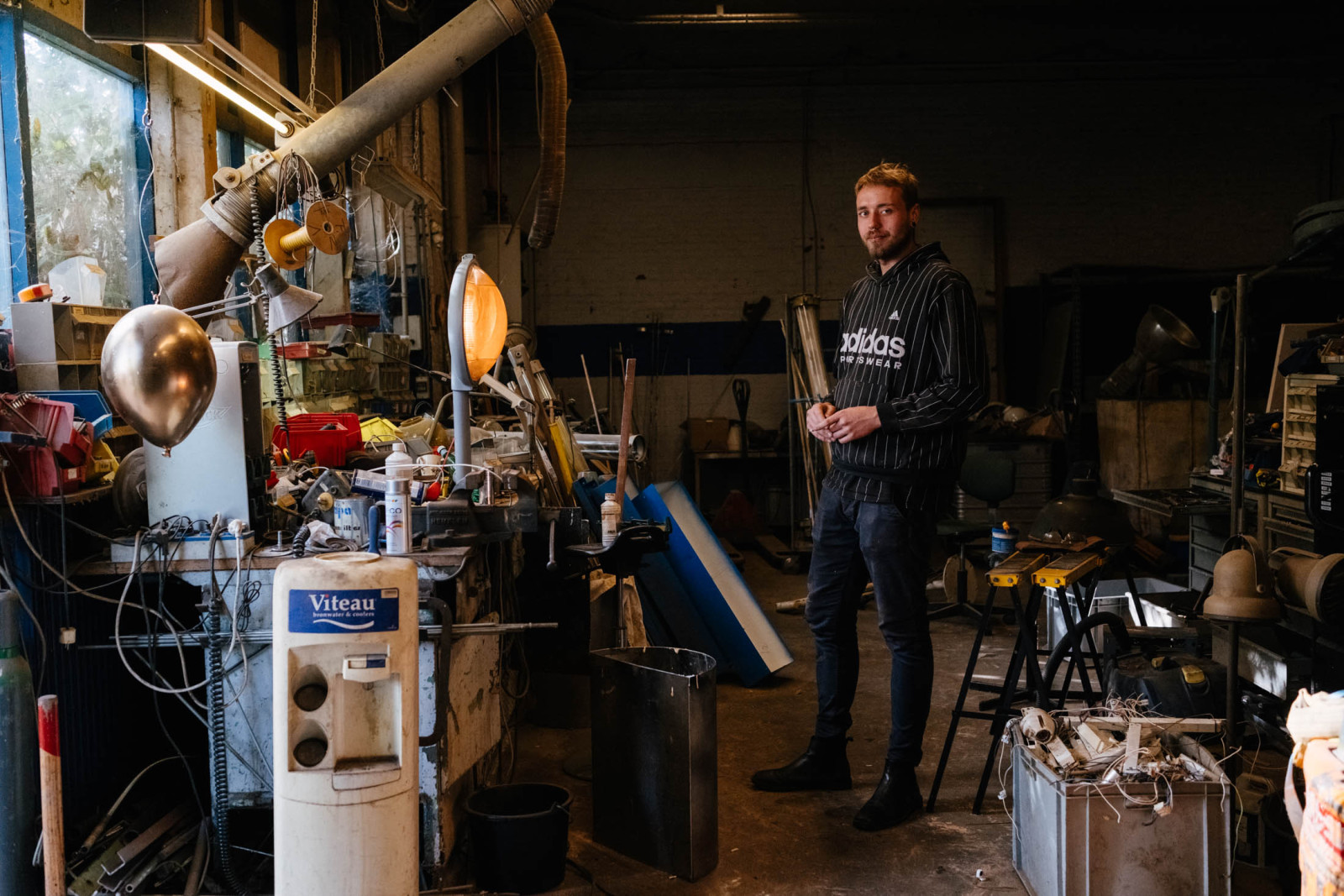
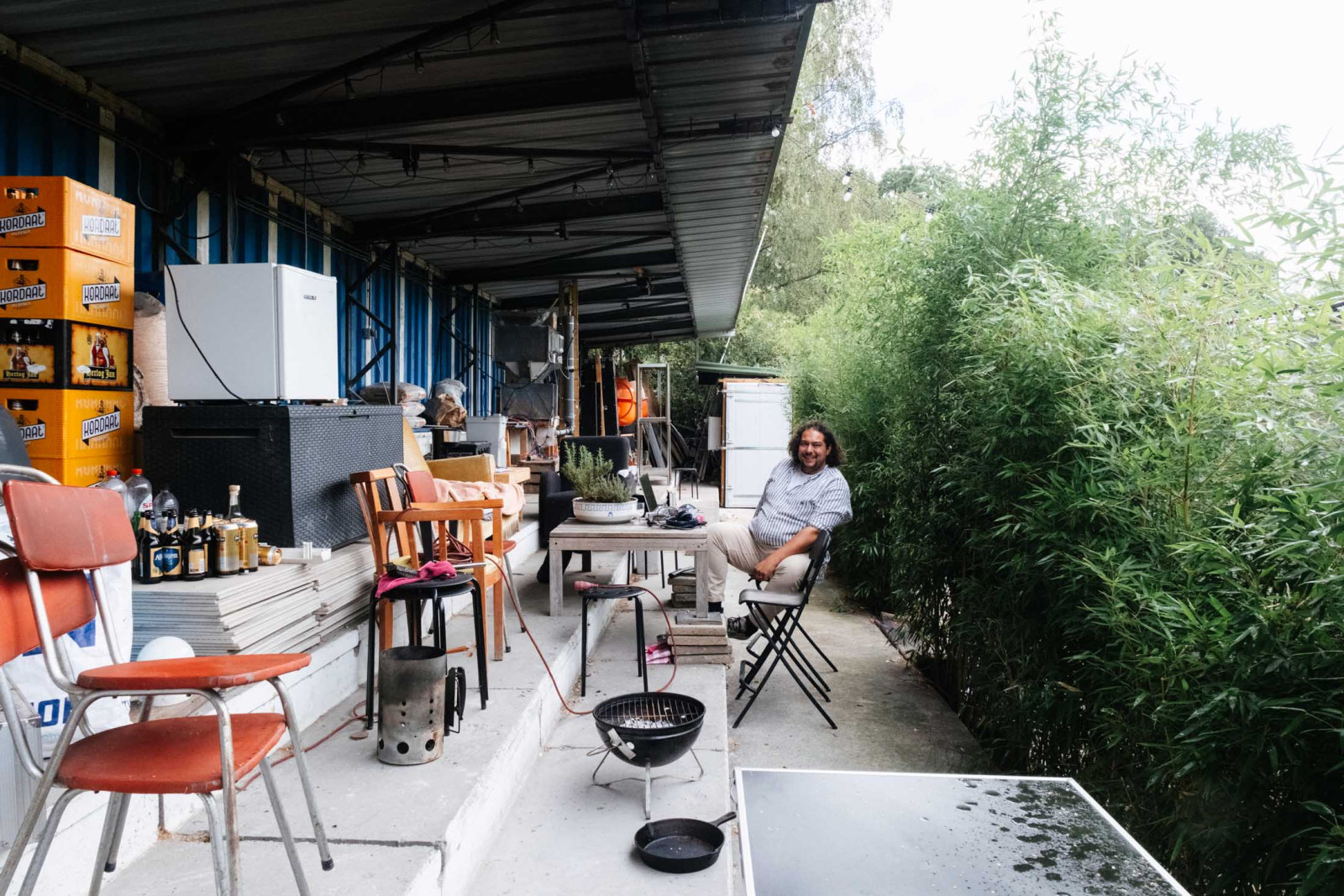
A fringe slowly being enclosed by new housing developments, a green oasis and a makerspace for free spirits in an industrial area in transition. At the end of 2015, De Vliegtuin took over the former premises of construction company Van der Leij. In no time, a wood and metal workshop were set up, surrounded by studios for various makers. Over the past ten years, more and more studios have sprung up on the outdoor grounds, housed in converted shipping containers or beautiful, fully self-built wooden structures.
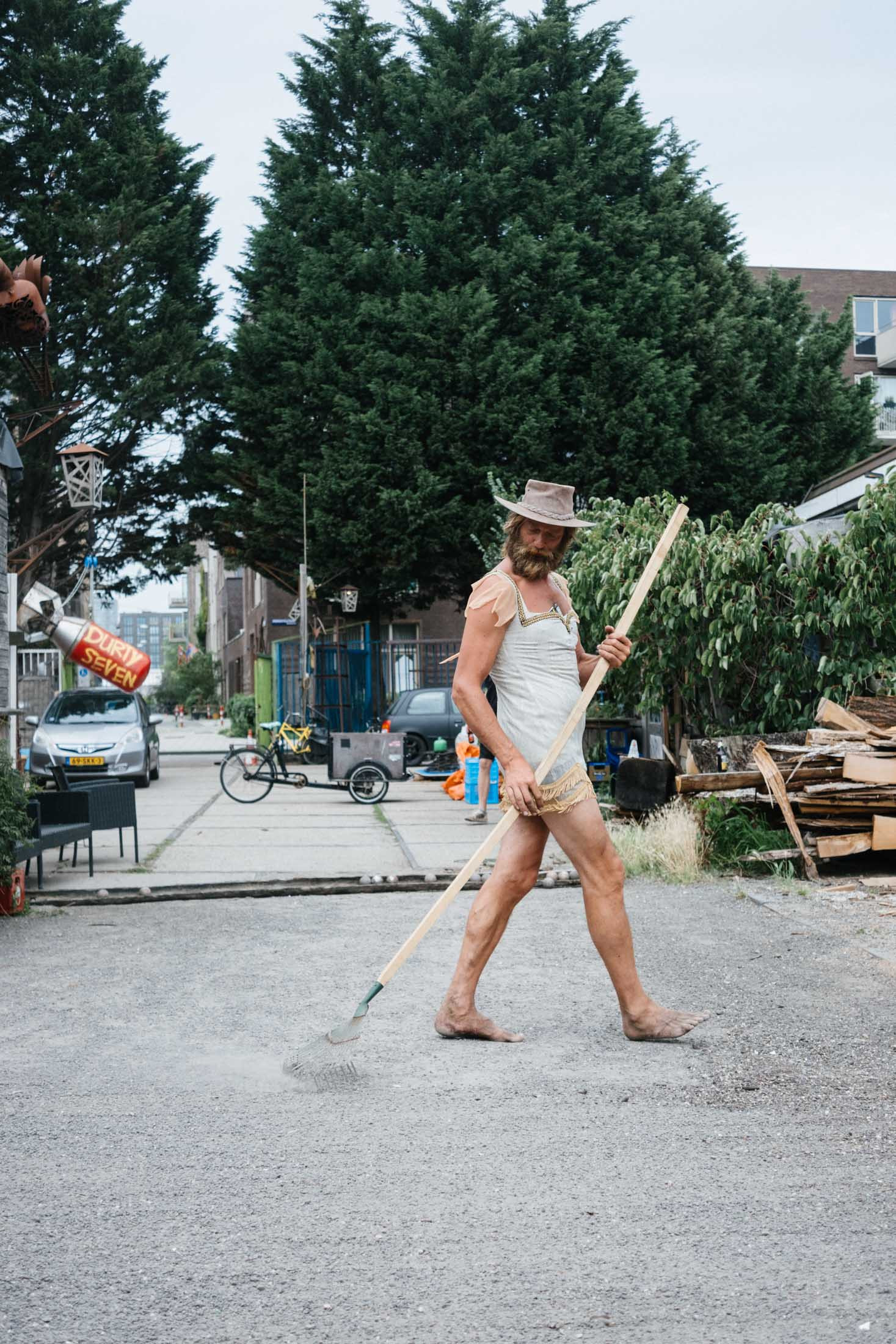
De Vliegtuin is not only a creative workspace for independent entrepreneurs and artists, but also a close-knit community that works, celebrates, and lives together. Because the studios are highly affordable, De Vliegtuin is an ideal place for young makers to develop themselves, or for free spirits to pursue work that is not solely driven by profit. Part of the users’ time and energy goes into maintaining and beautifying the place itself. Everywhere you look, you’ll find wonderful pieces created on a free afternoon or works that once featured at a festival.
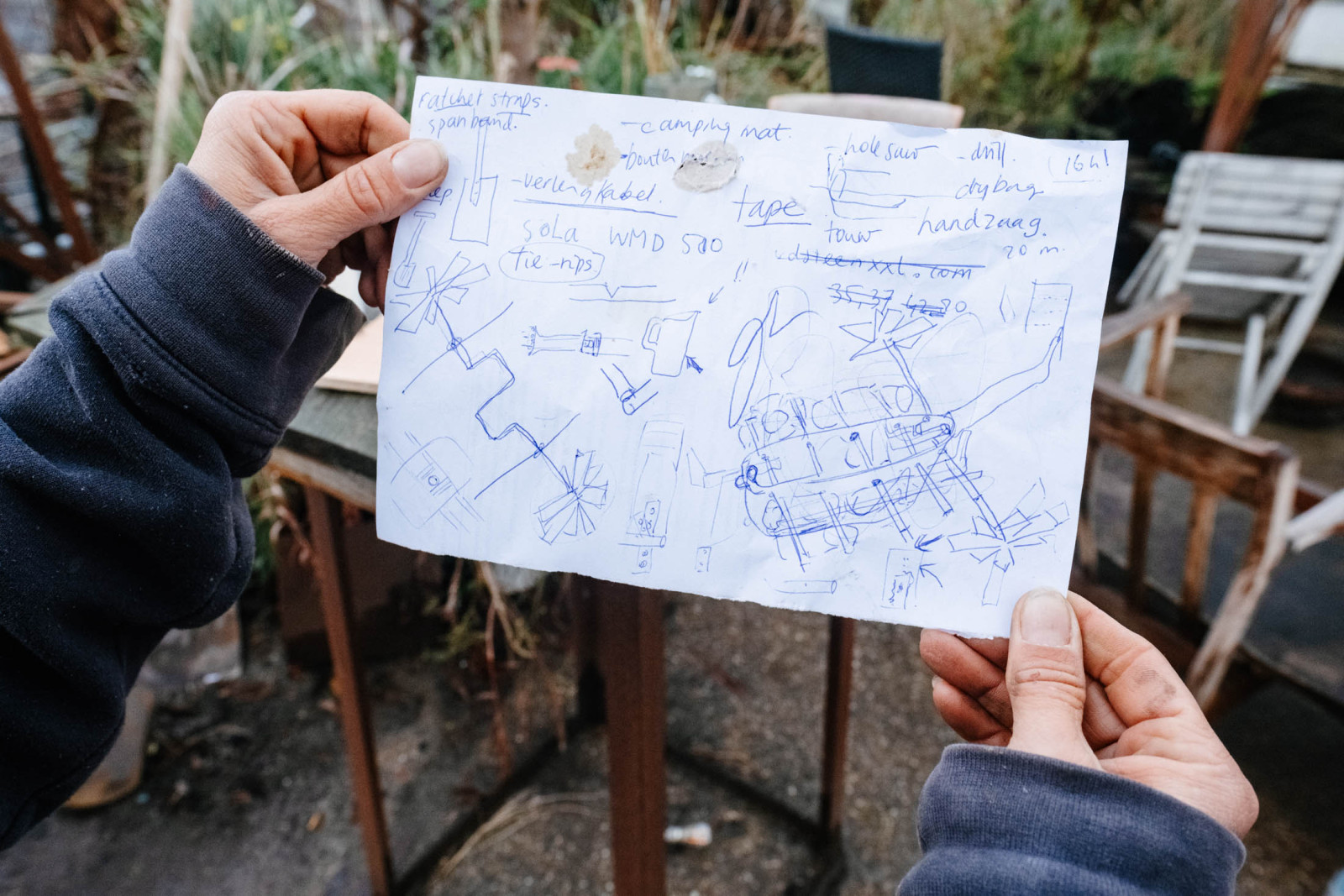
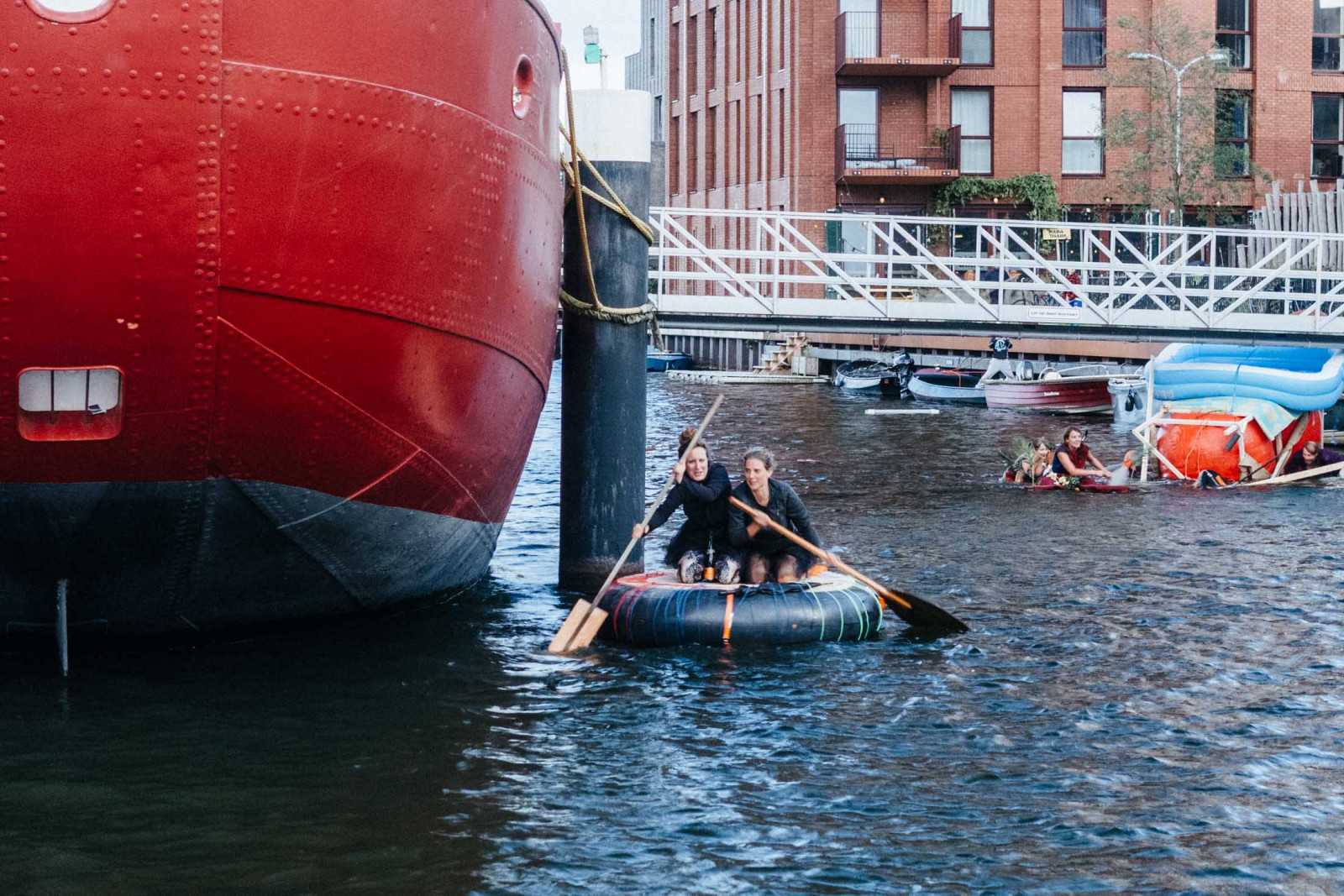
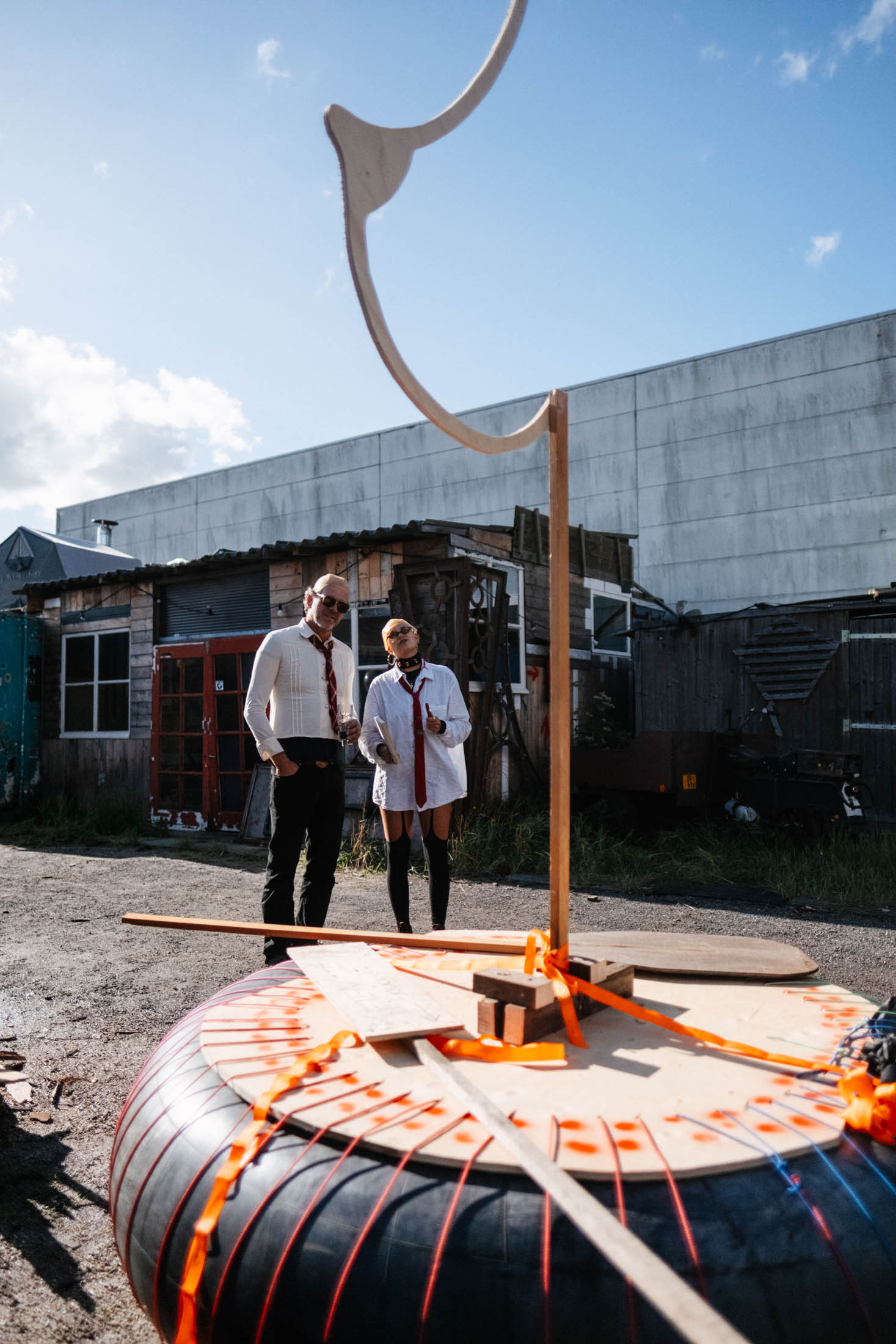
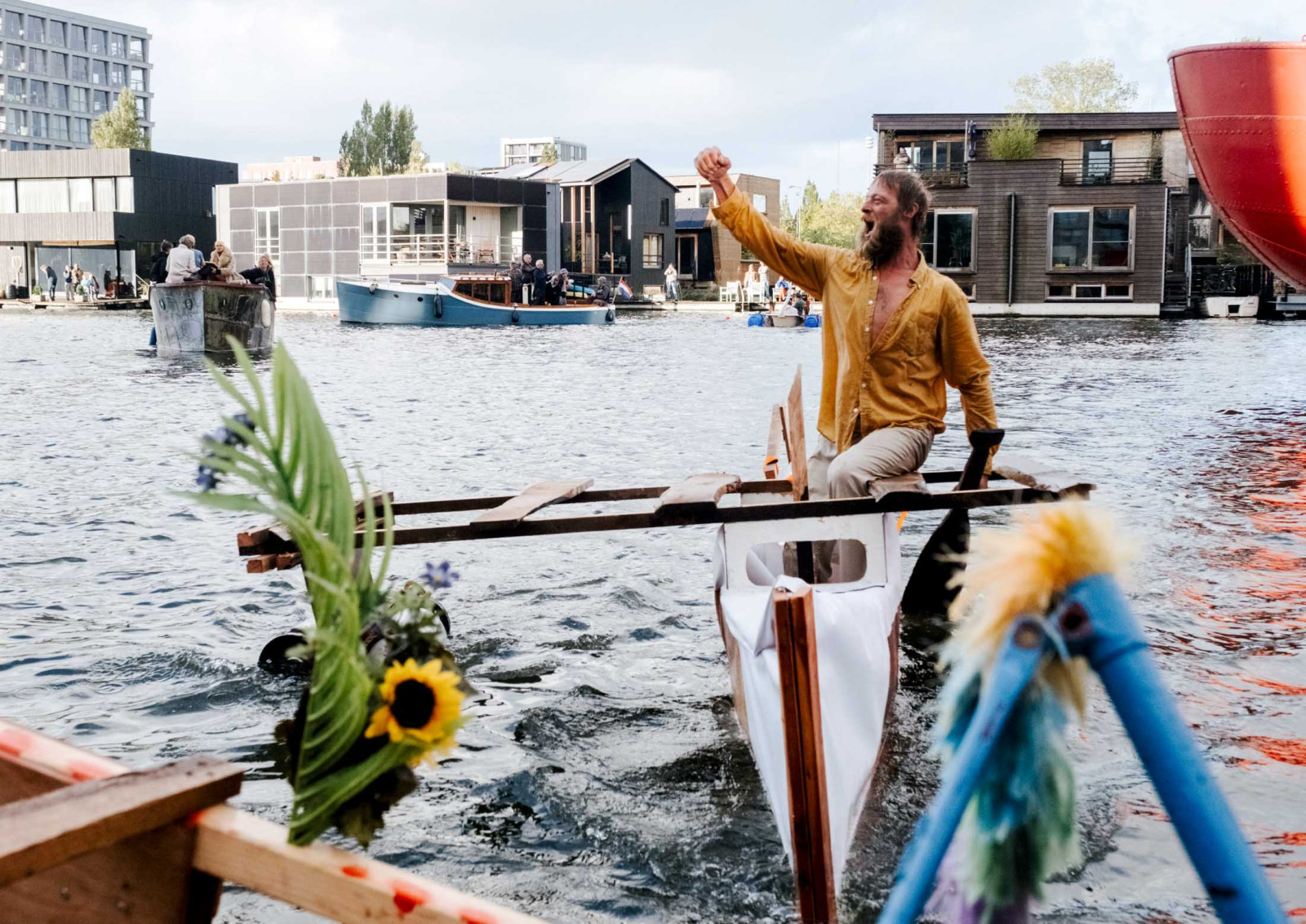
The collective initially signed on for a period of a year and a half—a term that barely justified the start-up costs. Extension followed upon extension, but always for such short periods that true long-term planning was impossible. Nevertheless, many things are created at De Vliegtuin, and several times a year the doors open to the neighborhood for an open day or the annual Pieremegoggel Race. Before long, however, De Vliegtuin will have to make way for a residential block. After a period of intensive but fruitless networking and searching, it currently seems impossible for the collective to find a new space in Amsterdam as a whole.
Interview met atelierhouder Jochem Frederiks en voormalig broedplaatscoördinator Anne van der Werf.
17:00
Since: 2015 / Address: Distelweg 83 / Function: makerspace / Perspective: uncertain after August 2026
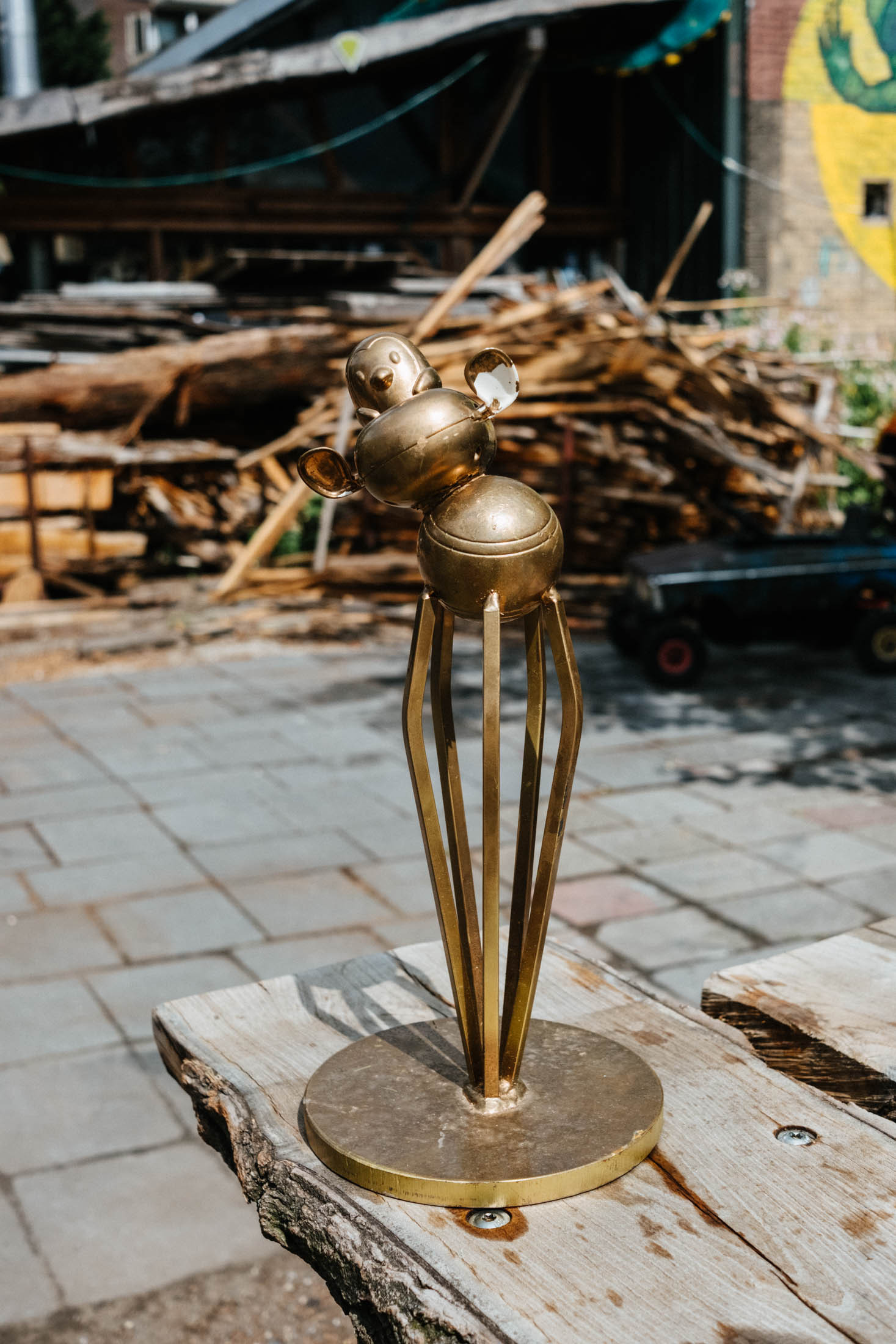
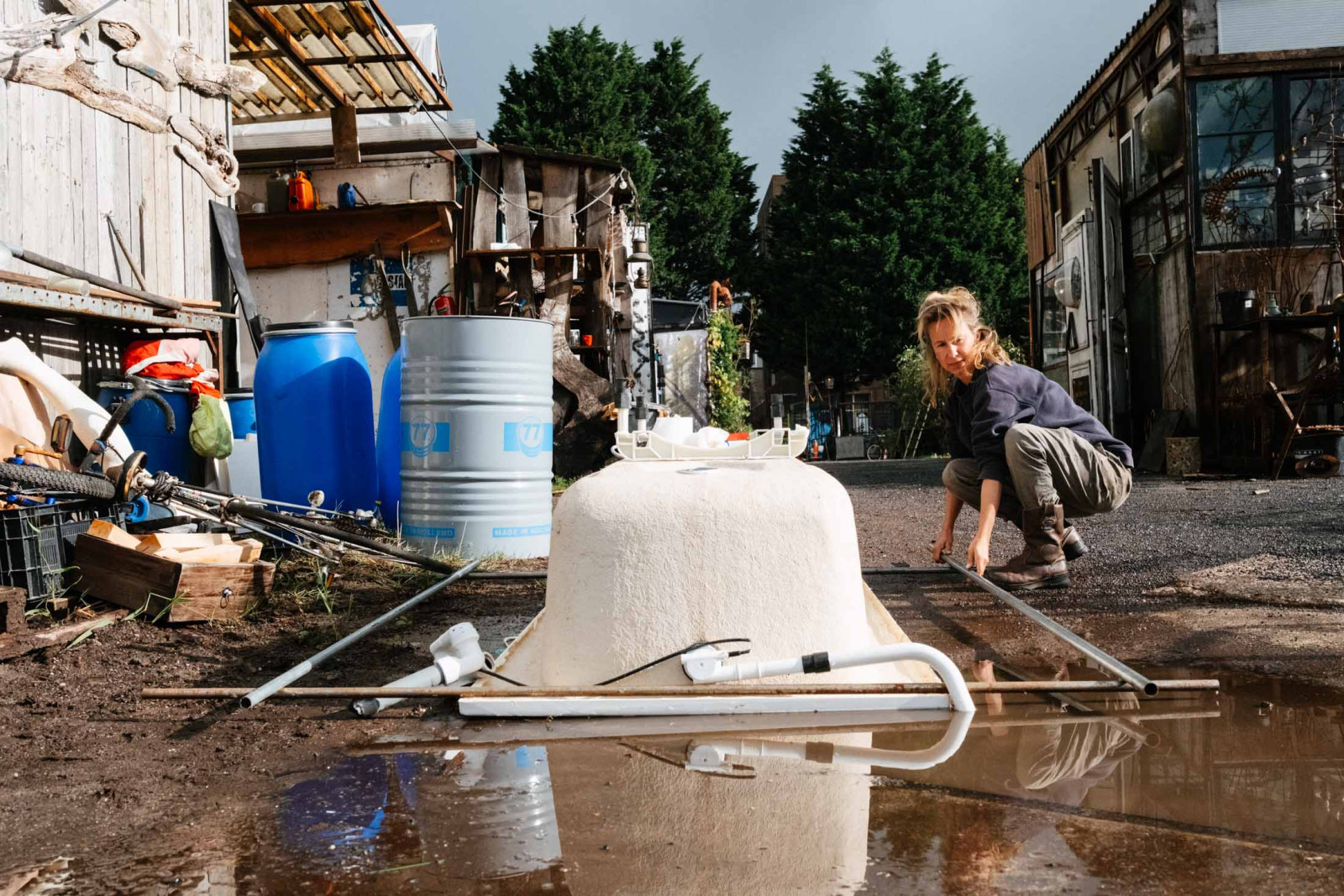
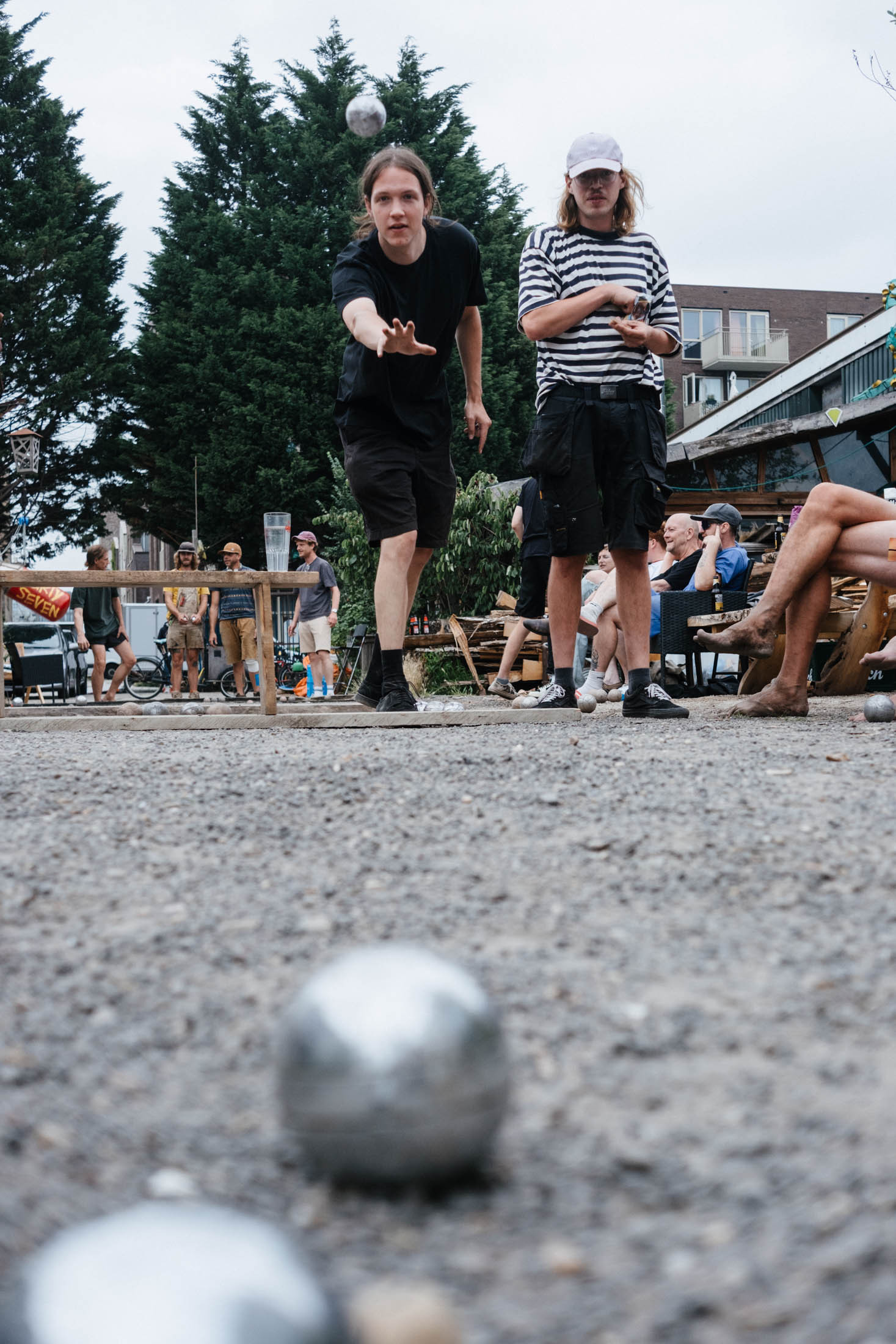
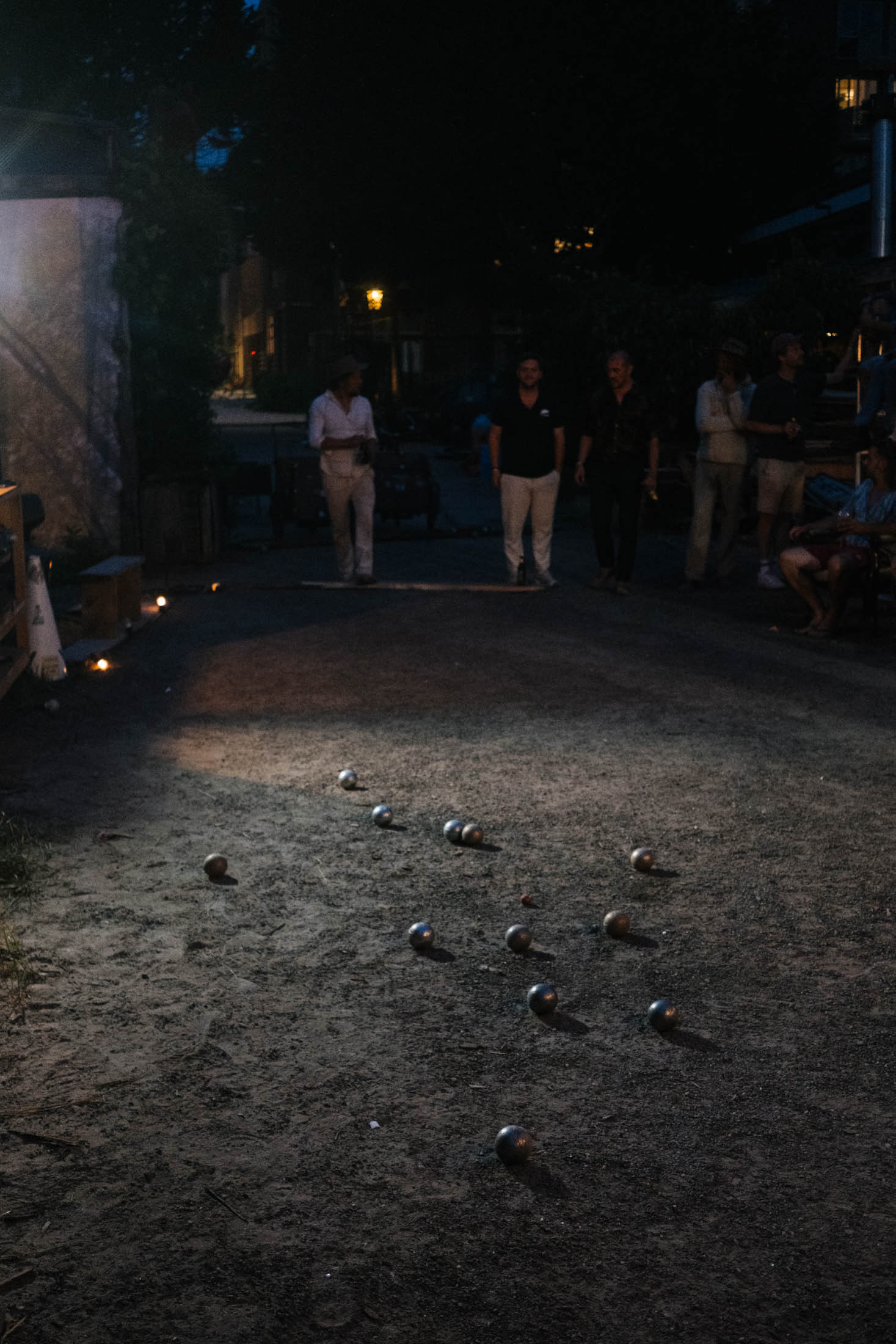
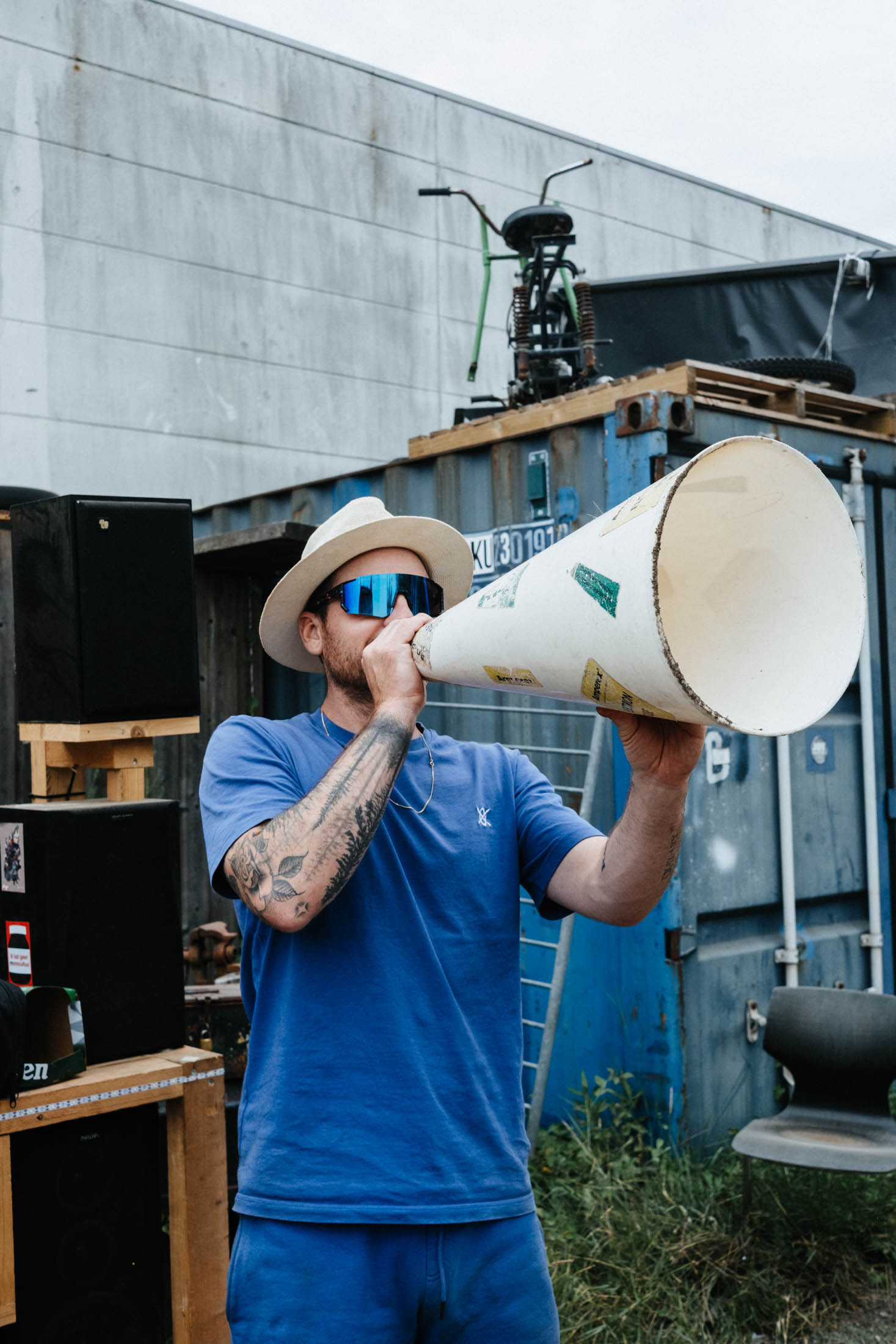
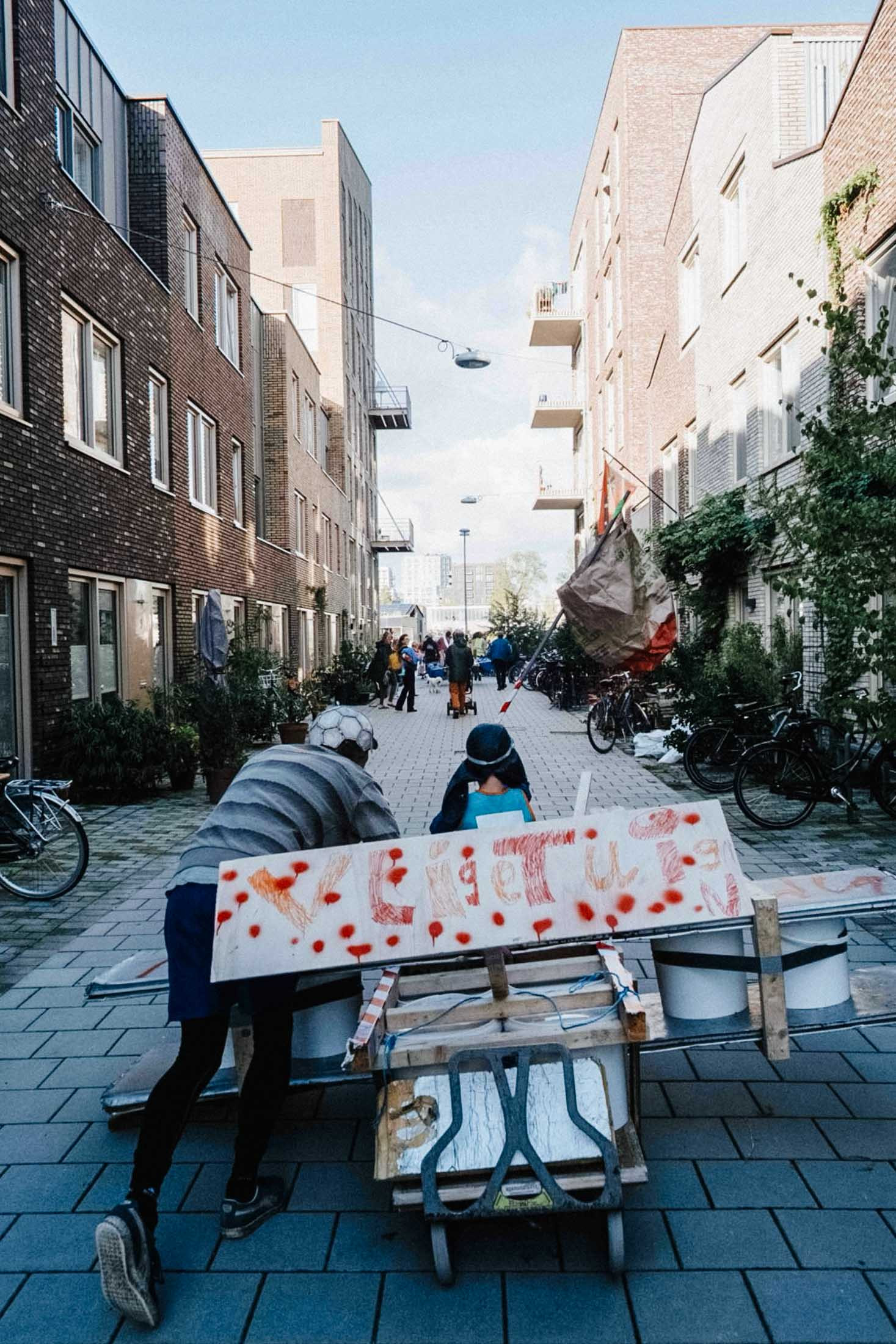
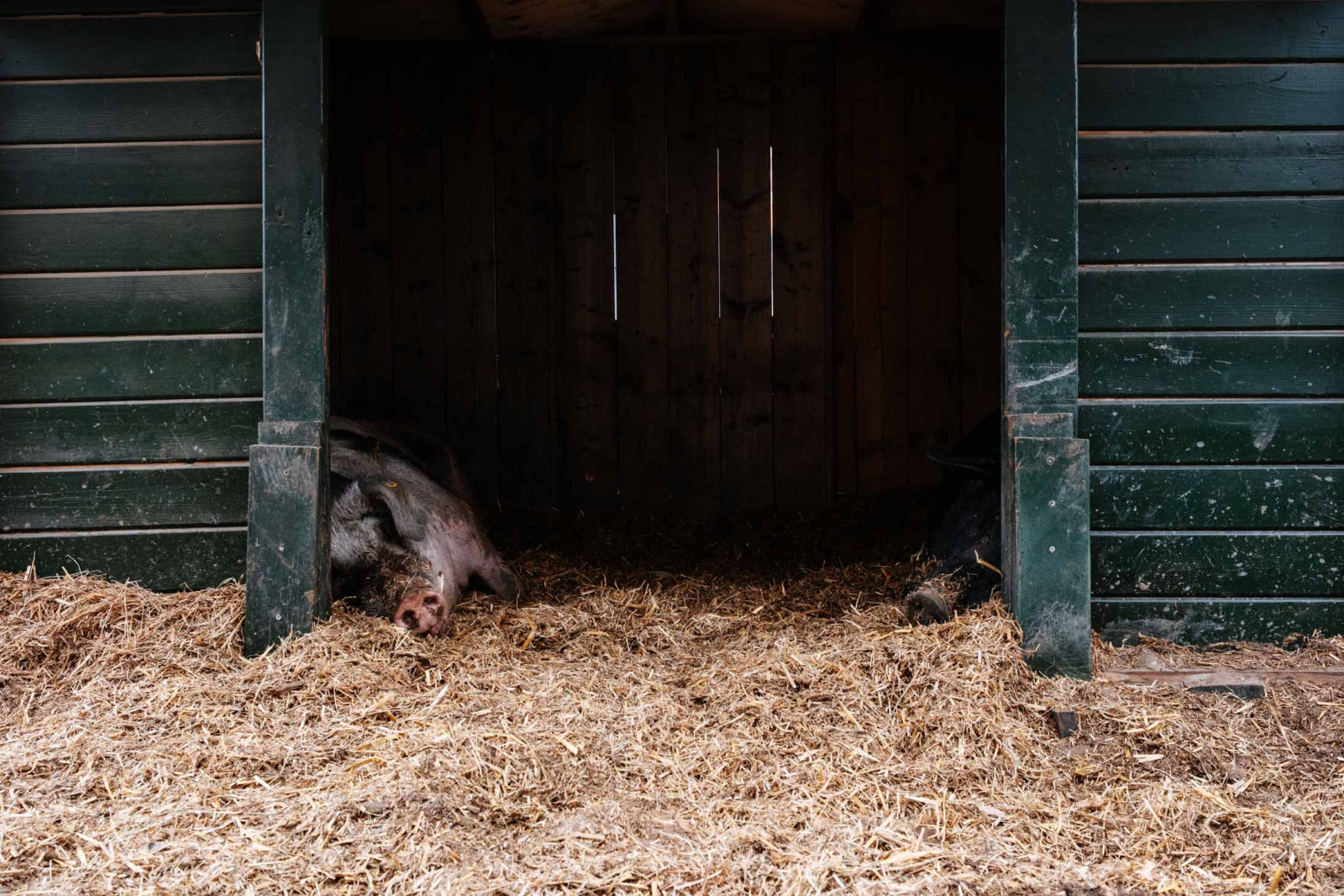
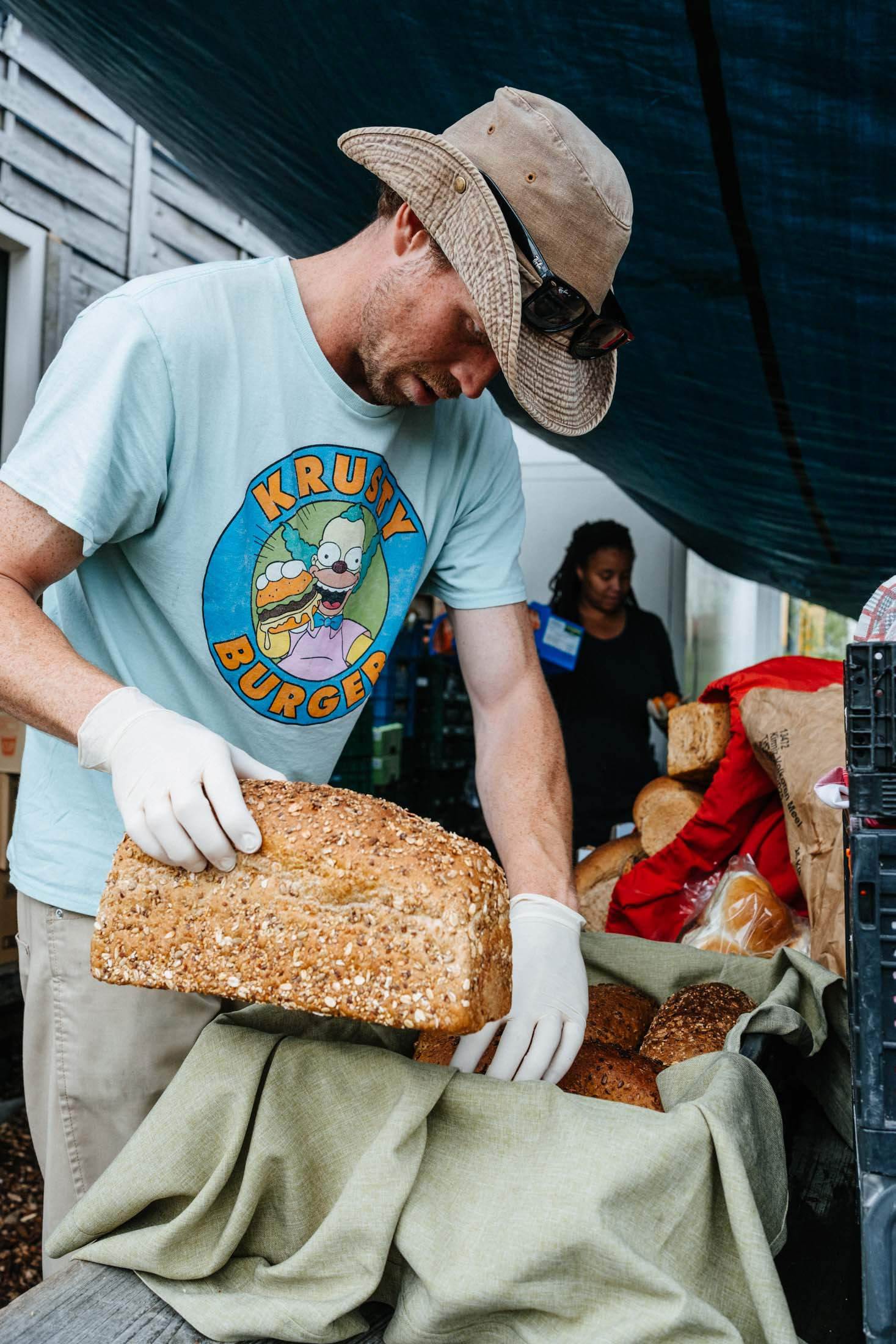
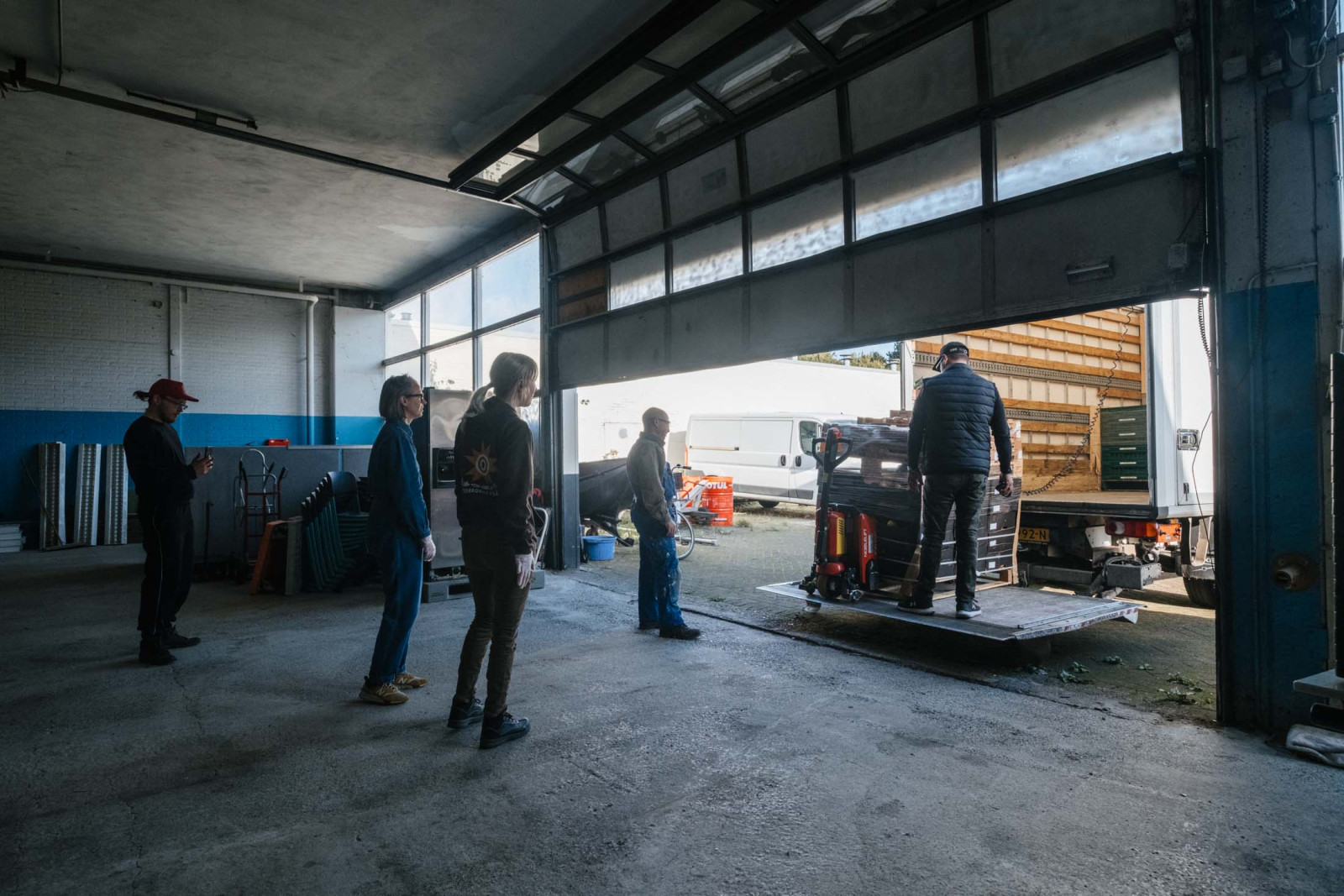
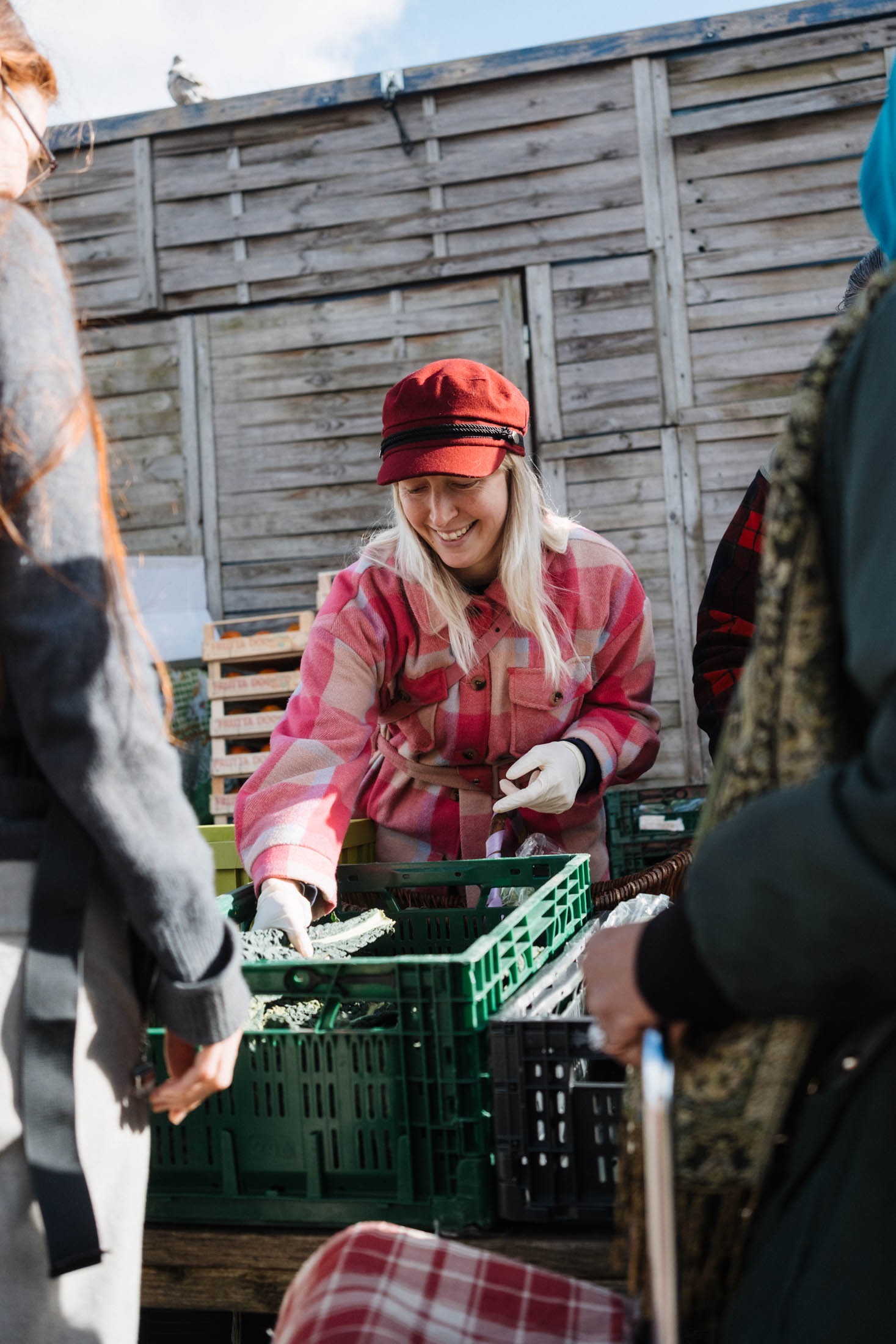
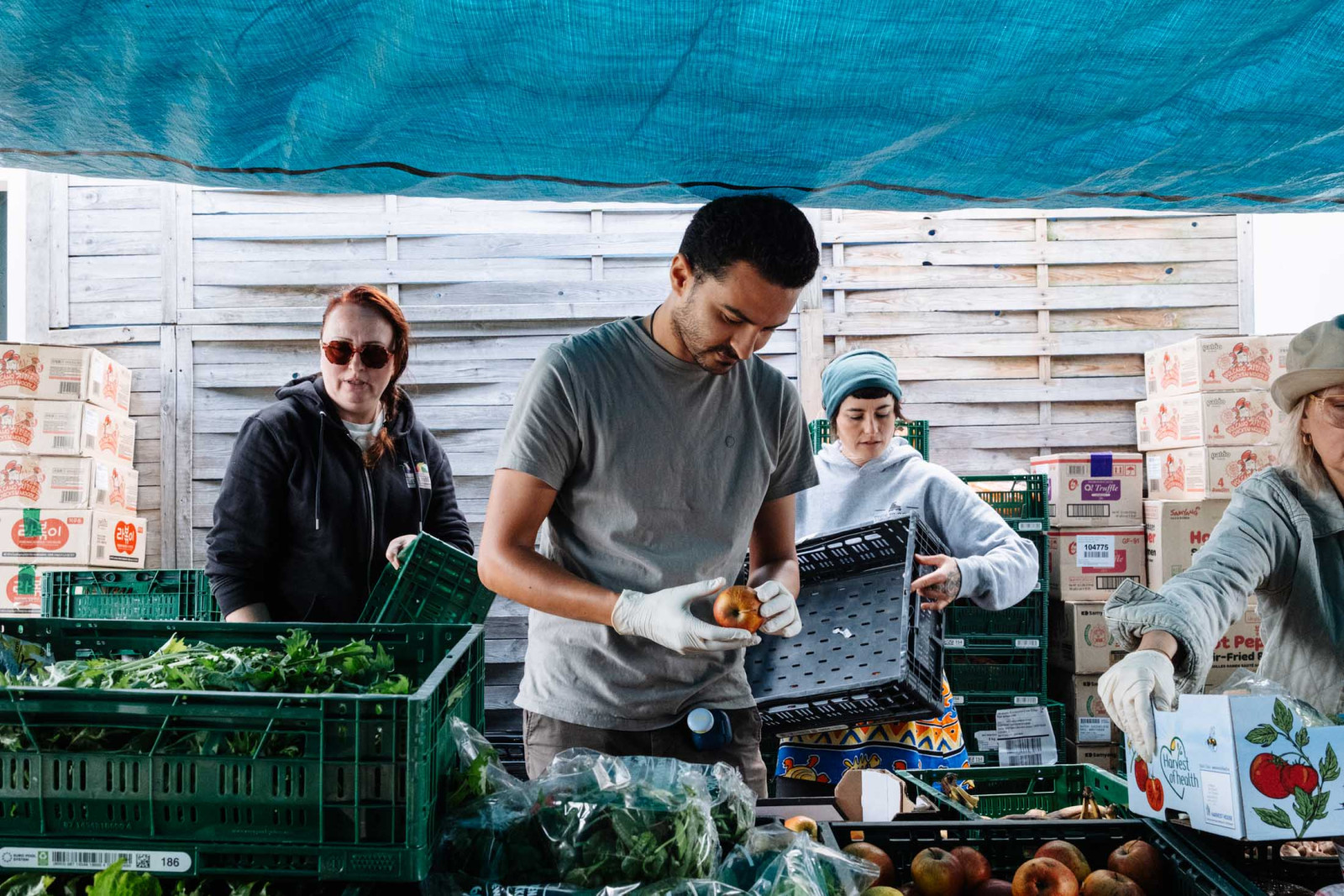
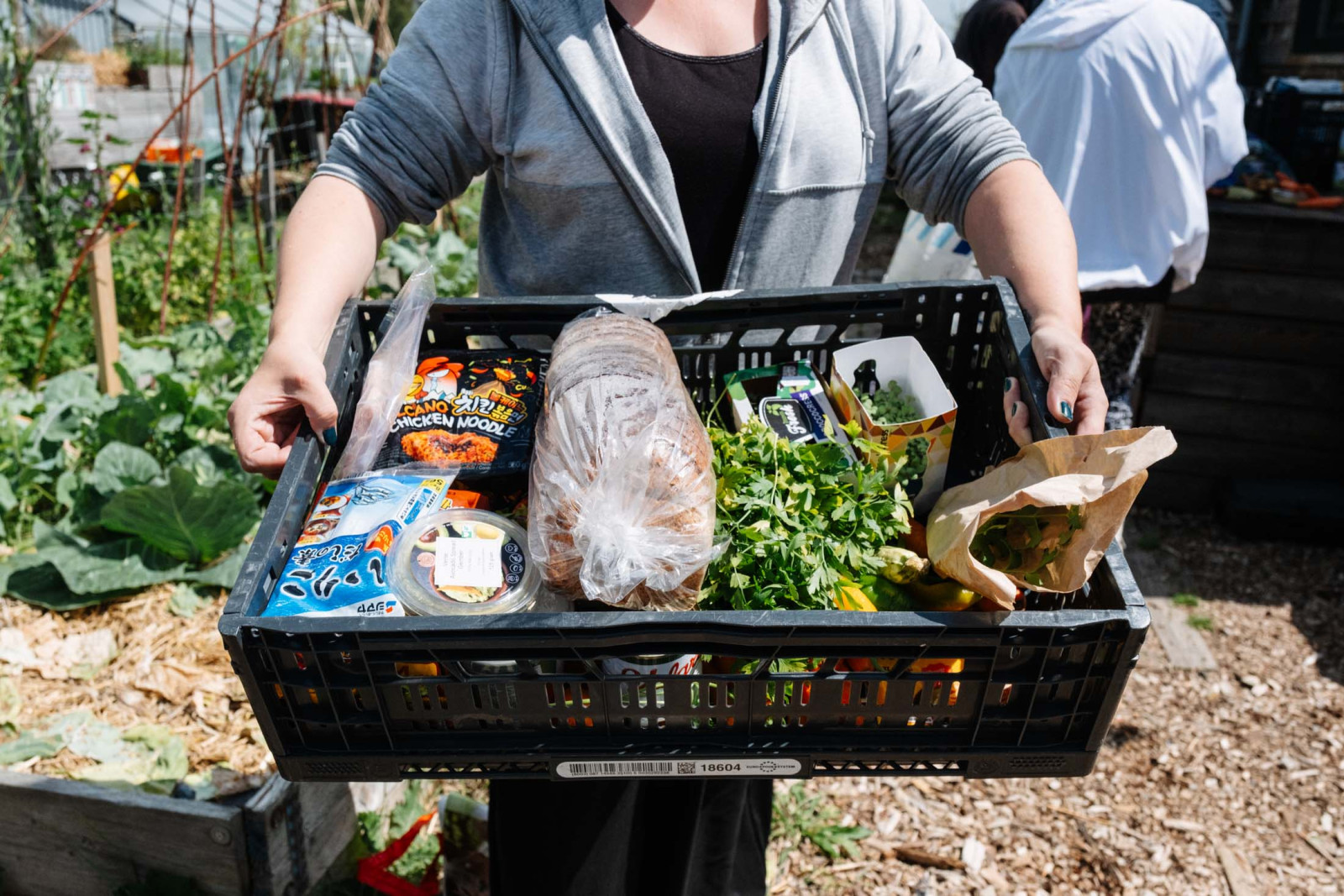
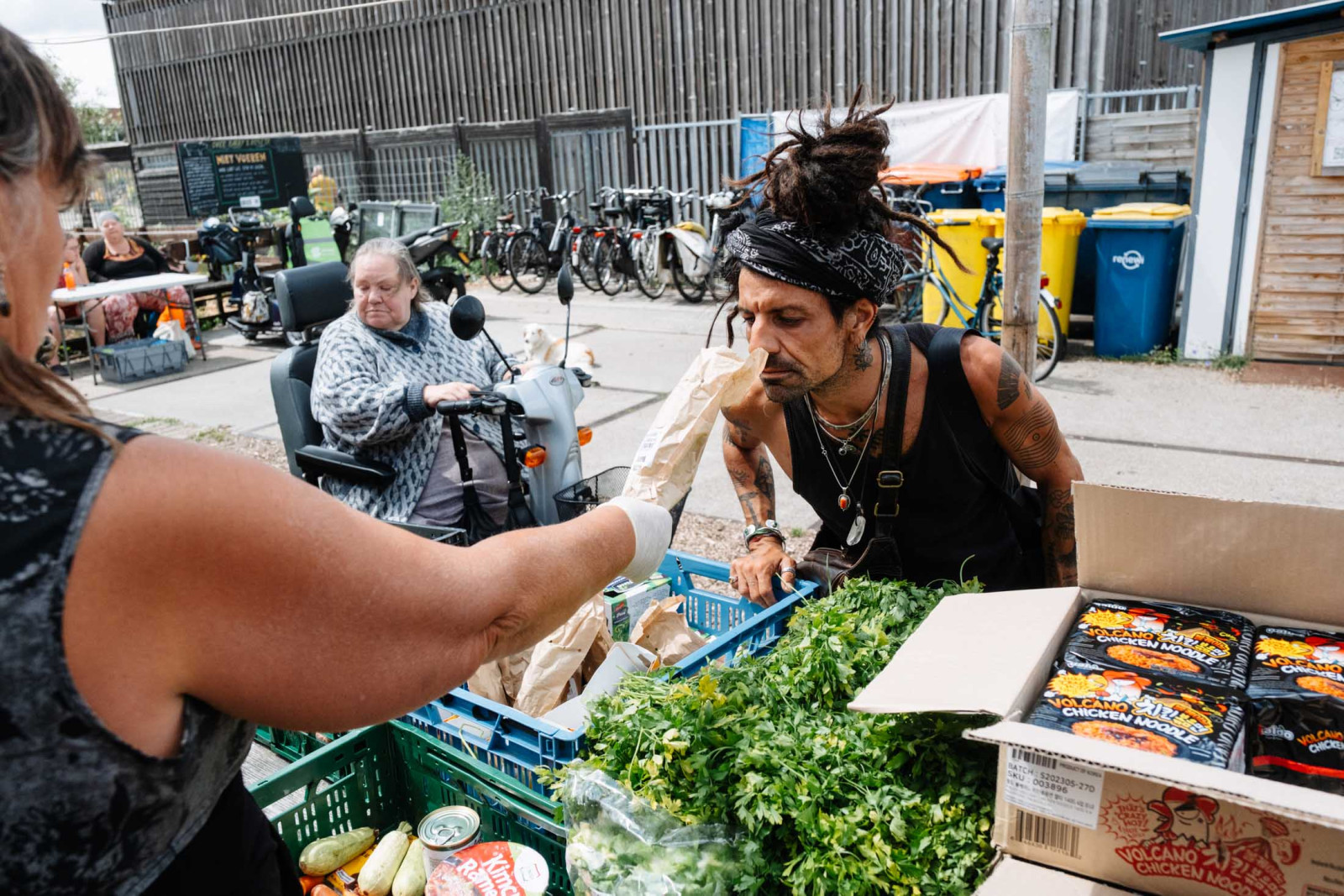
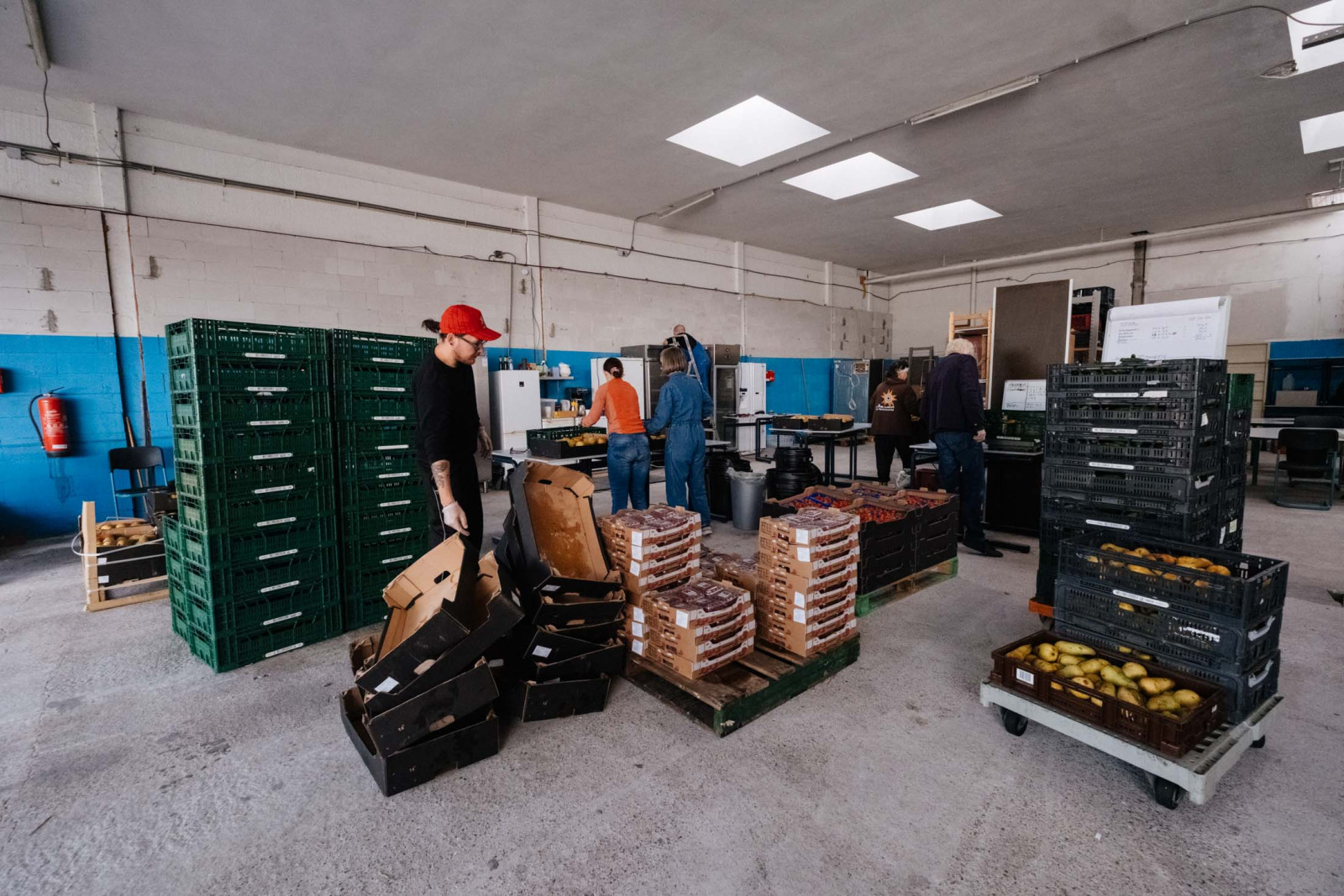
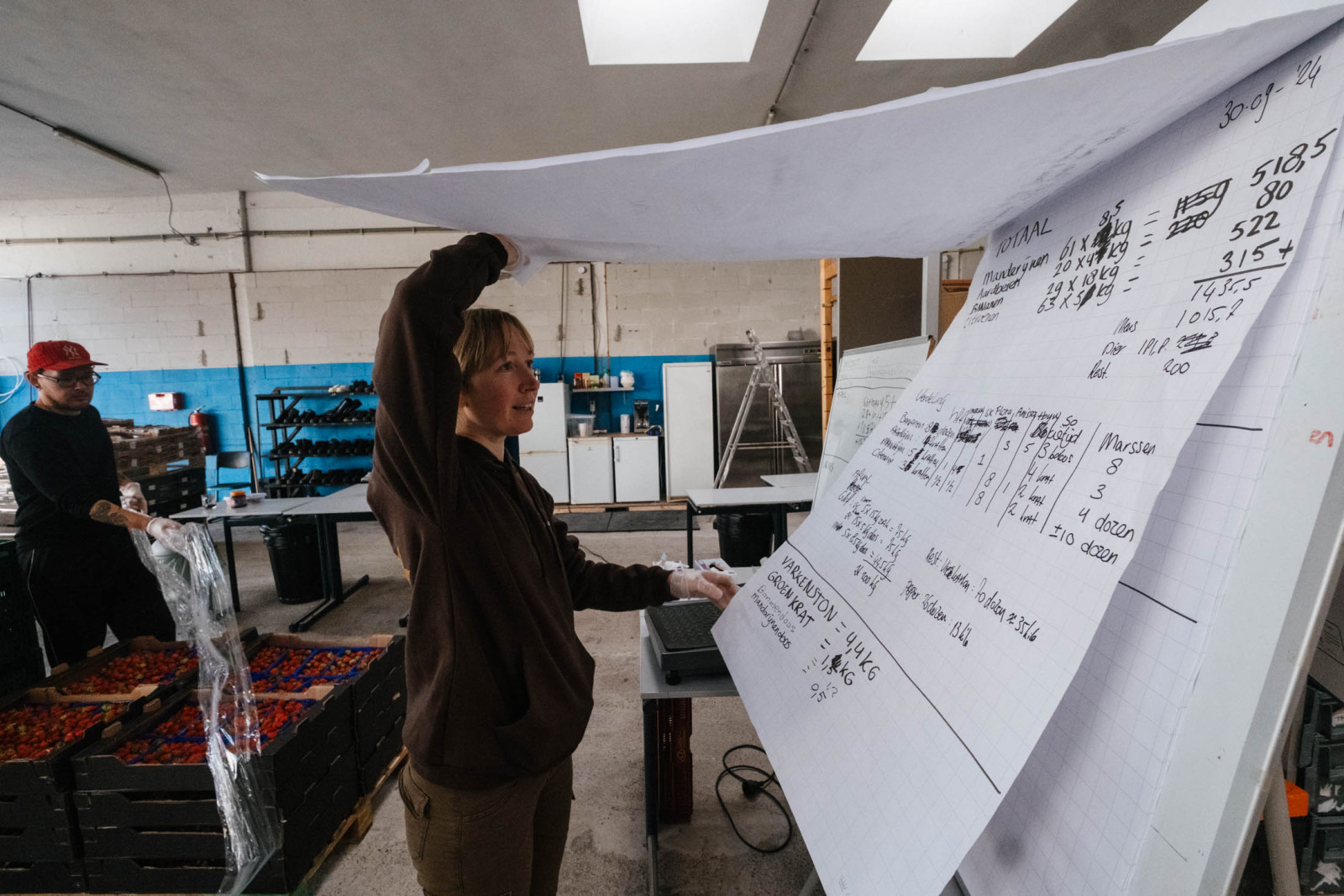
The fight against food waste had been close to the heart of well integrated (new) Noord resident Helen van der Bilt for some time when, in 2019, she decided to set up Helen’s Free Food Market. She got a spot in the backyard of the social café and restaurant De VerbroederIJ, next to the pens of pigs Barry and Rosita. Around a hundred families pick up a bag of healthy, free food each week, rescued from the bin at bakers, greengrocers, supermarkets, and wholesalers by a team of twenty volunteers. Whatever remains after the market and cannot be used for the next round is fed to the pigs.
Helen’s Free Food Market and similar organizations play an important role alongside the more institutionalized Food Bank, where shame, income checks, and intake procedures can create significant barriers. At Helen’s, there is no official screening; everything operates on trust. Moreover, the market is supported by local residents, which keeps the threshold for participation low. Partly on Helen’s initiative, the Voedselcirkel Amsterdam (Food Circle Amsterdam) was established in 2022. This is a collaboration between various local food initiatives to distribute rescued food. Helen’s Free Food Market is likely to remain at De VerbroederIJ for the next few years, but there is currently no prospect of a location in the Hamerkwartier or the adjacent Vogelbuurt after redevelopment.
Interview met initiatiefnemer en projectmanager Helen van der Bilt.
17:01
Since: 2022 / Address: Johan van Hasseltweg 21 / Function: free food market / Perspective: uncertain after 2026
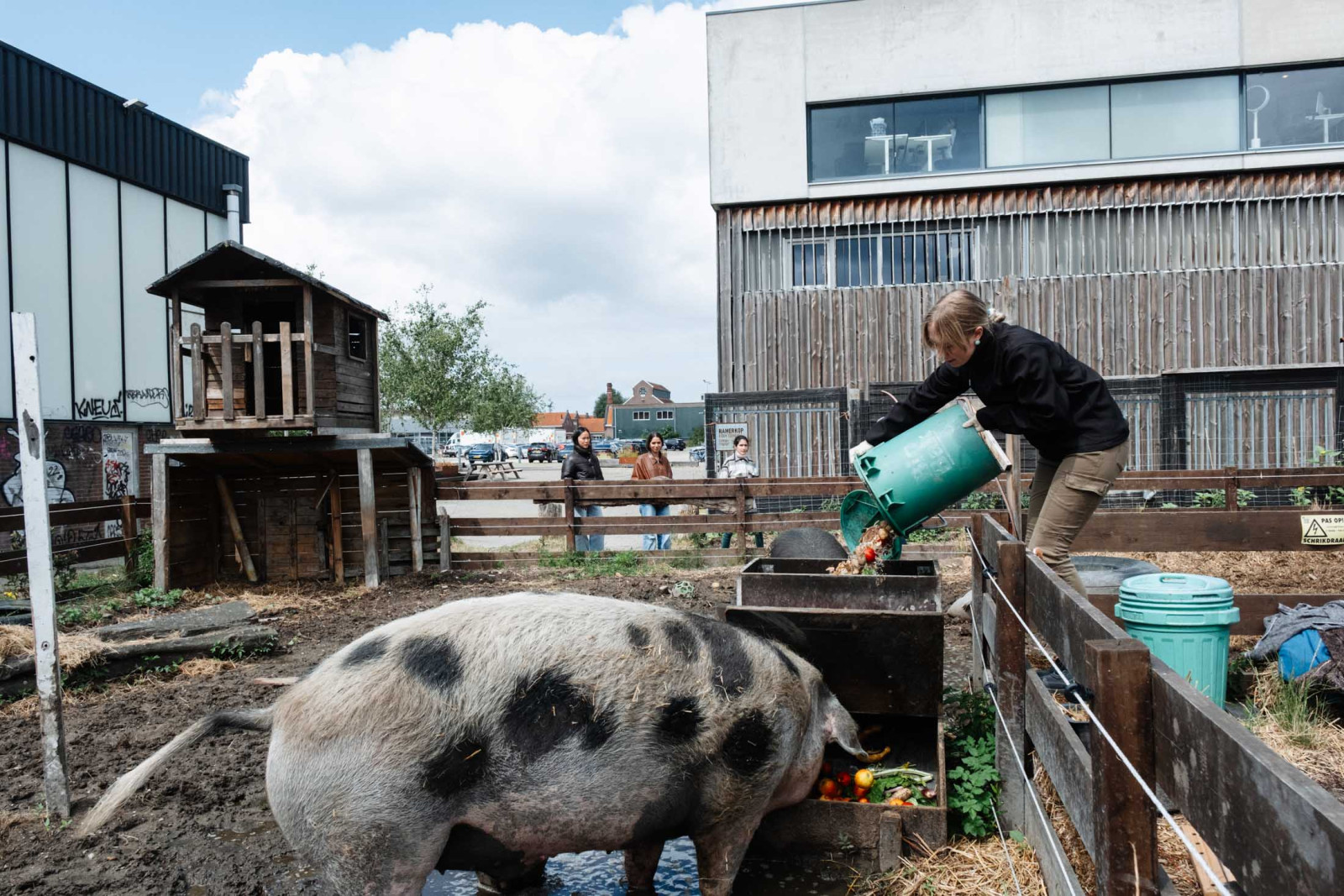
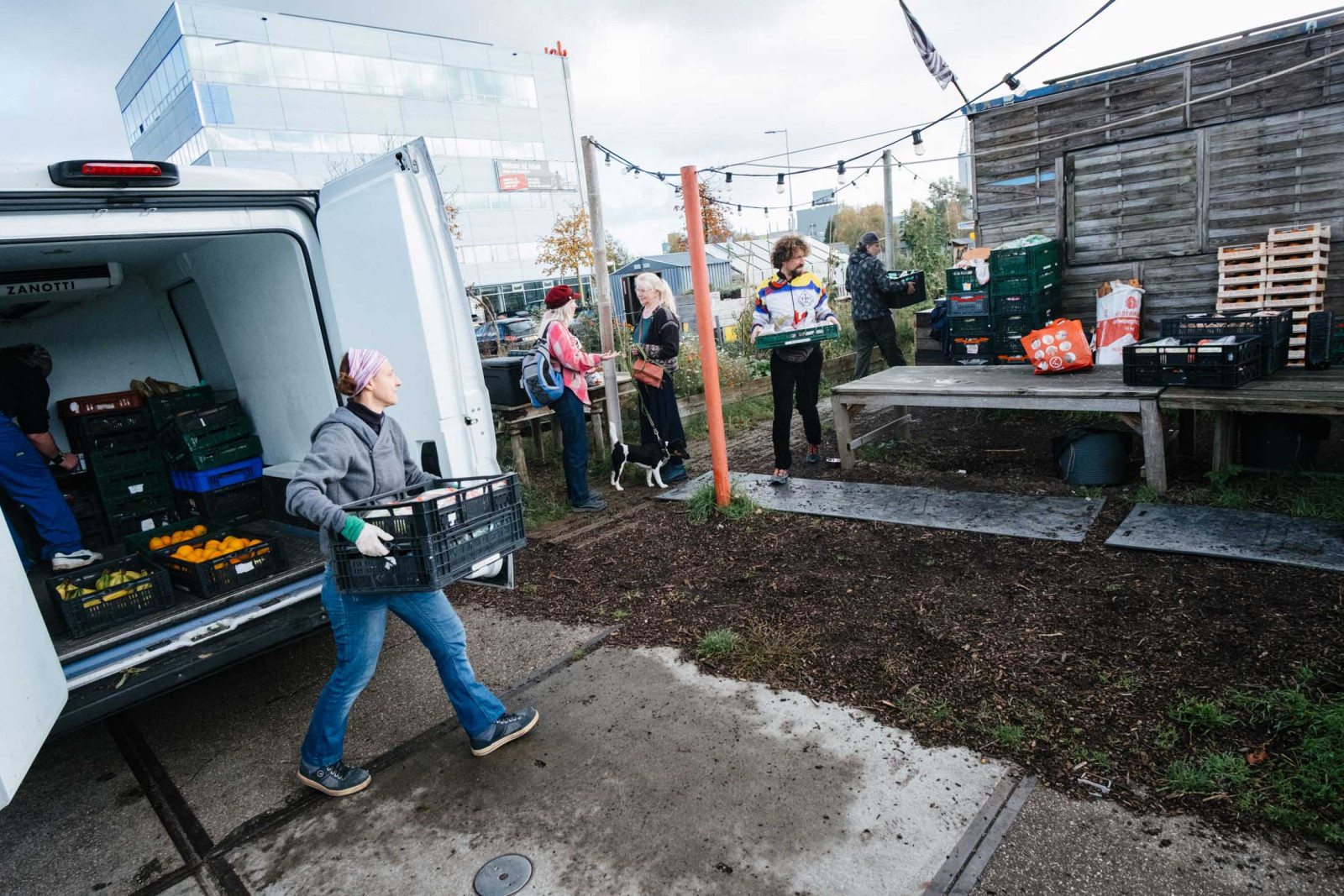
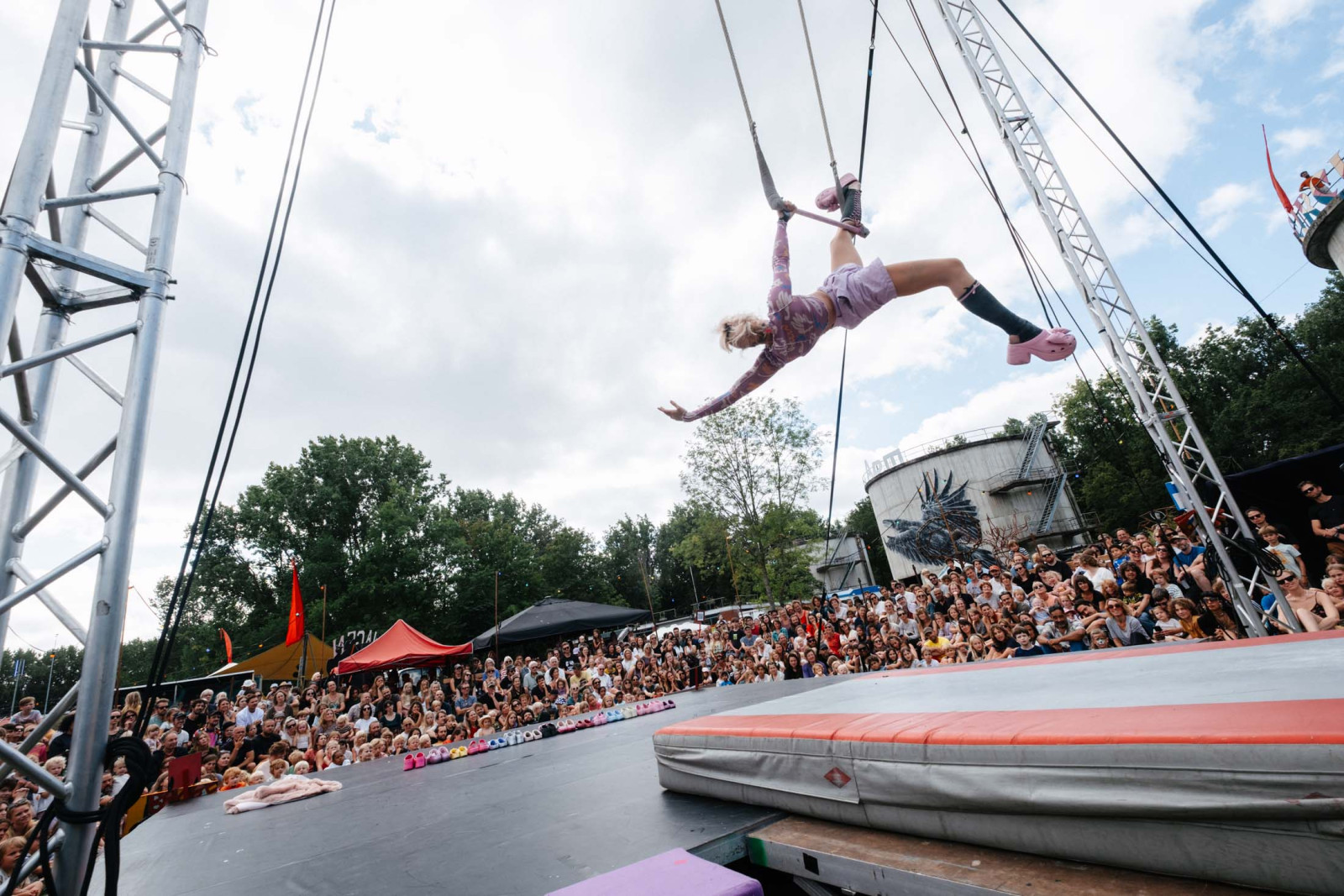
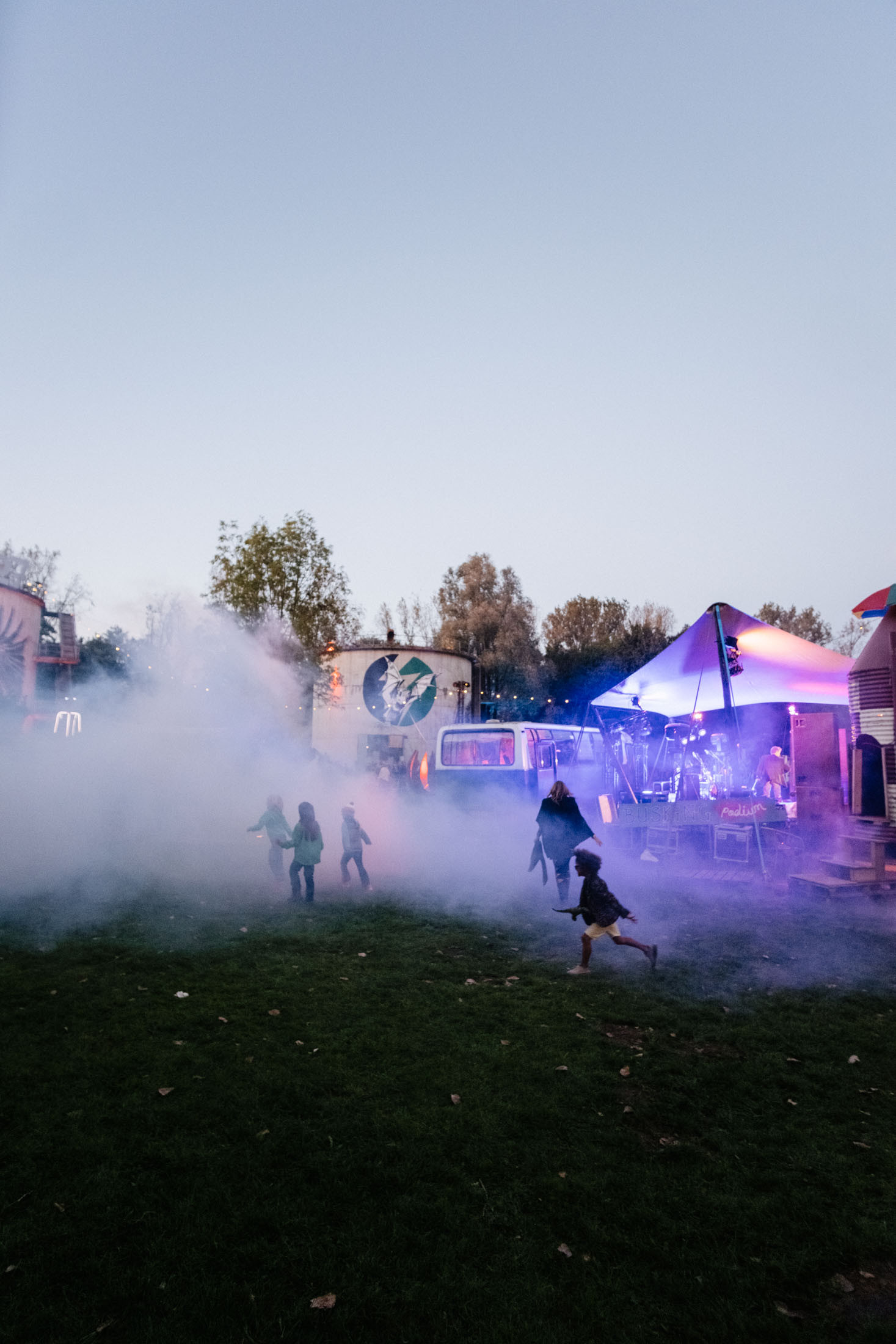
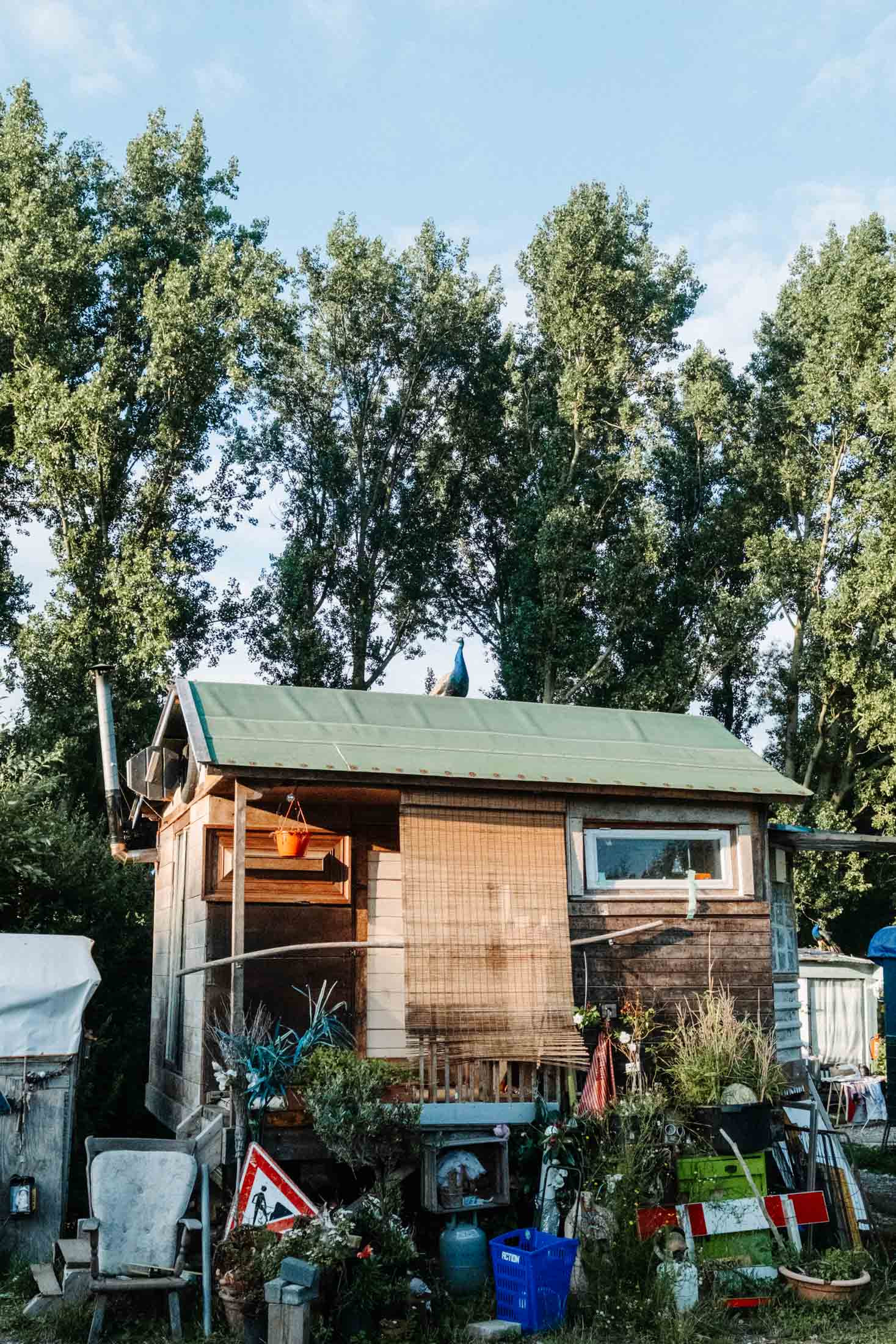
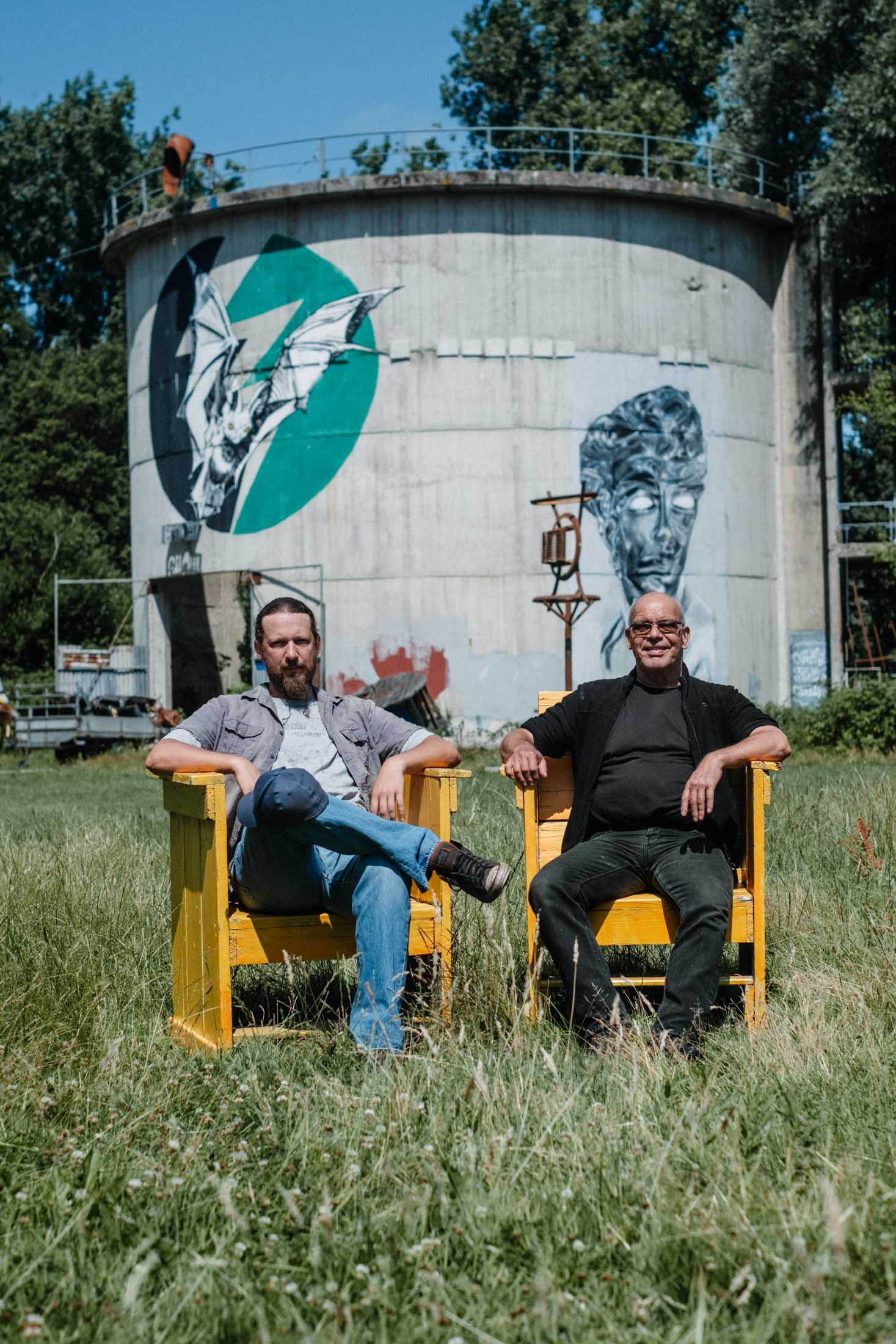
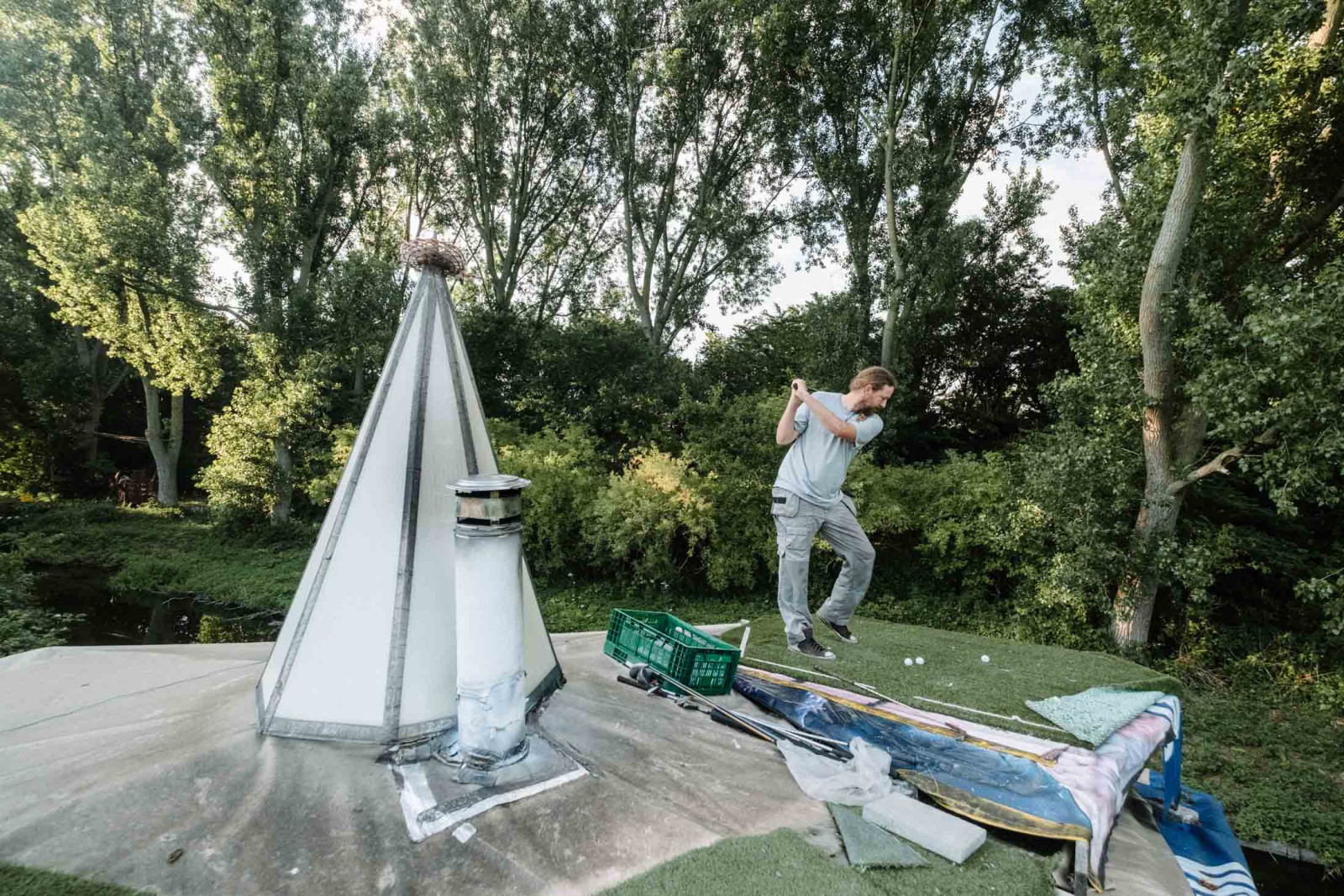
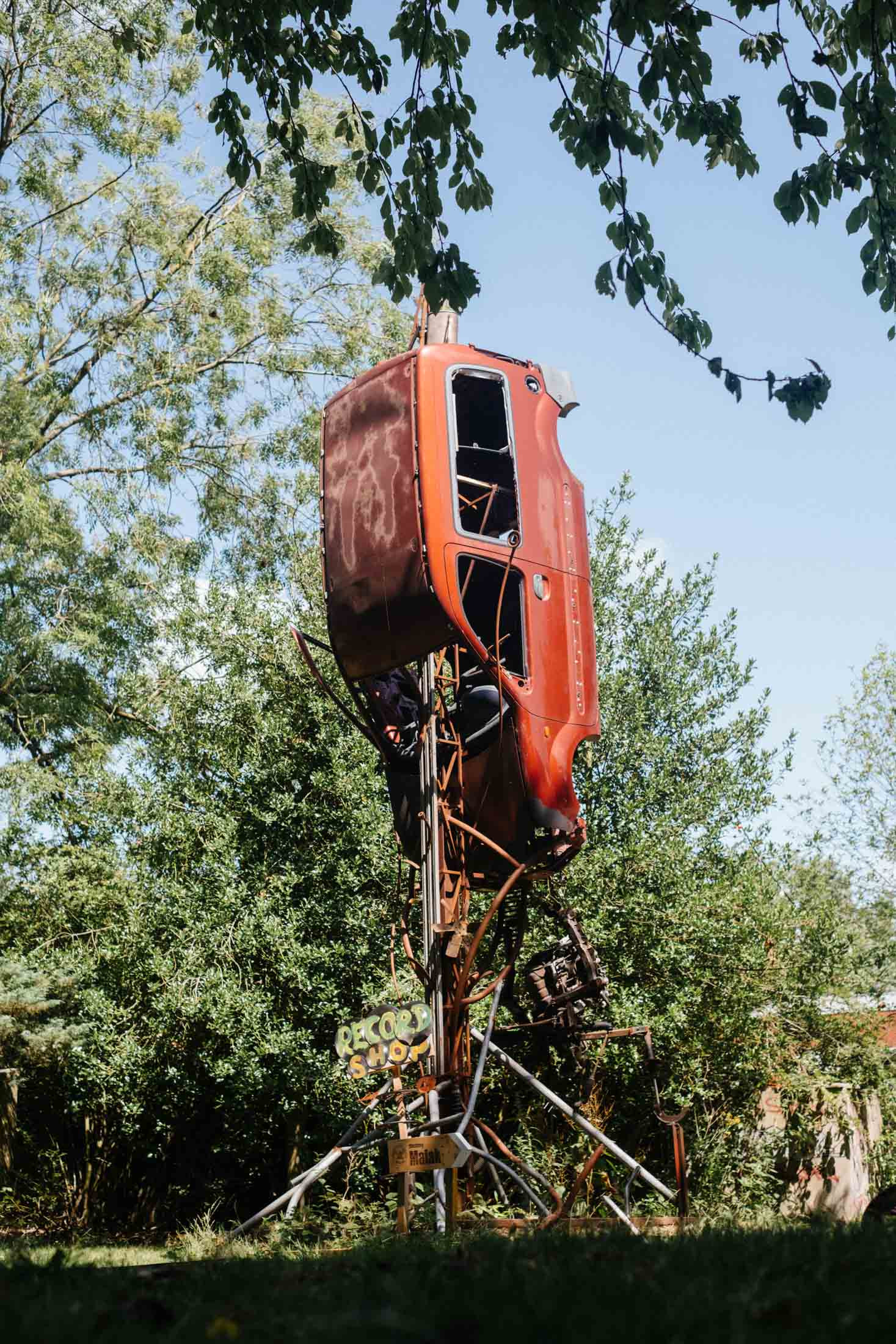
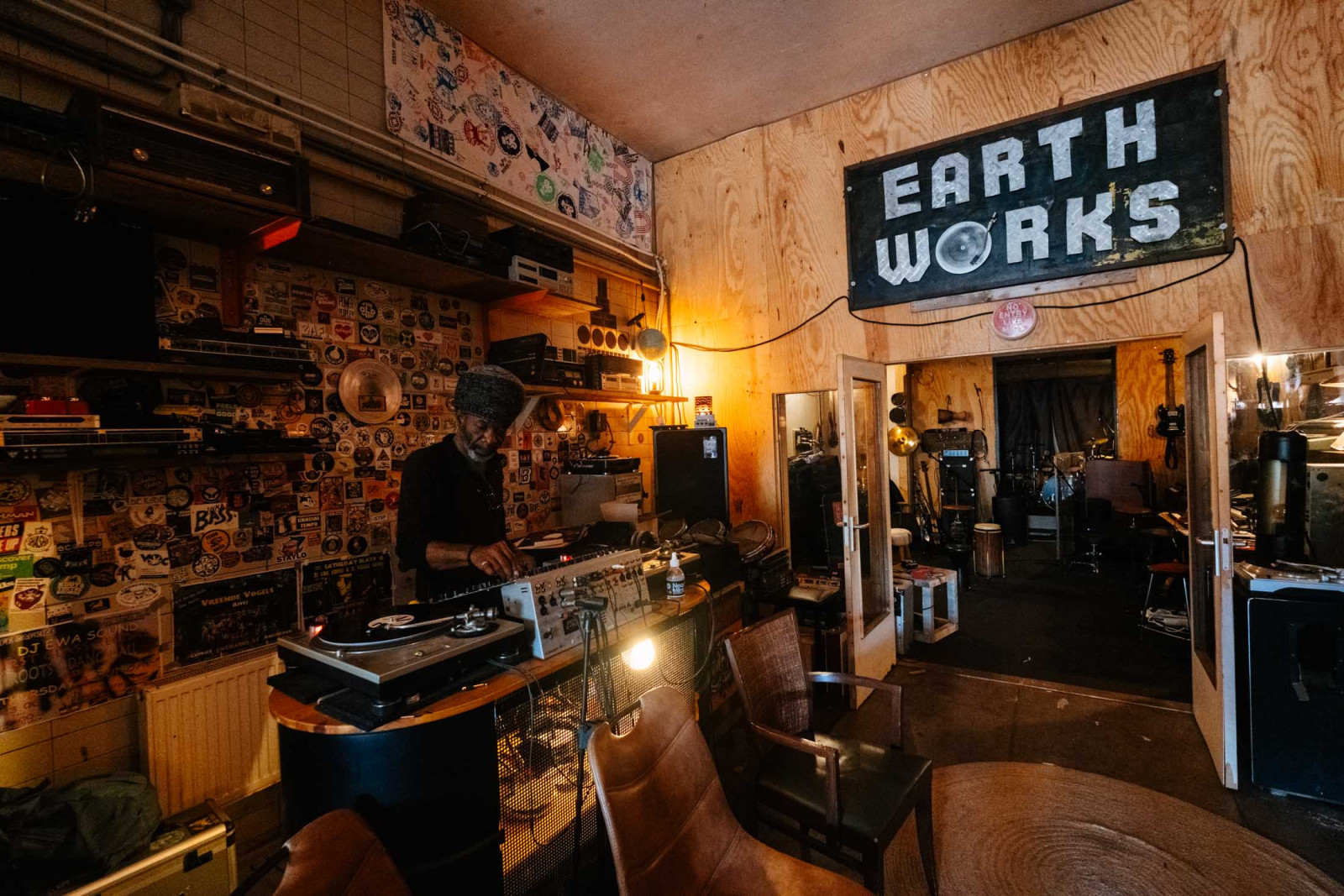
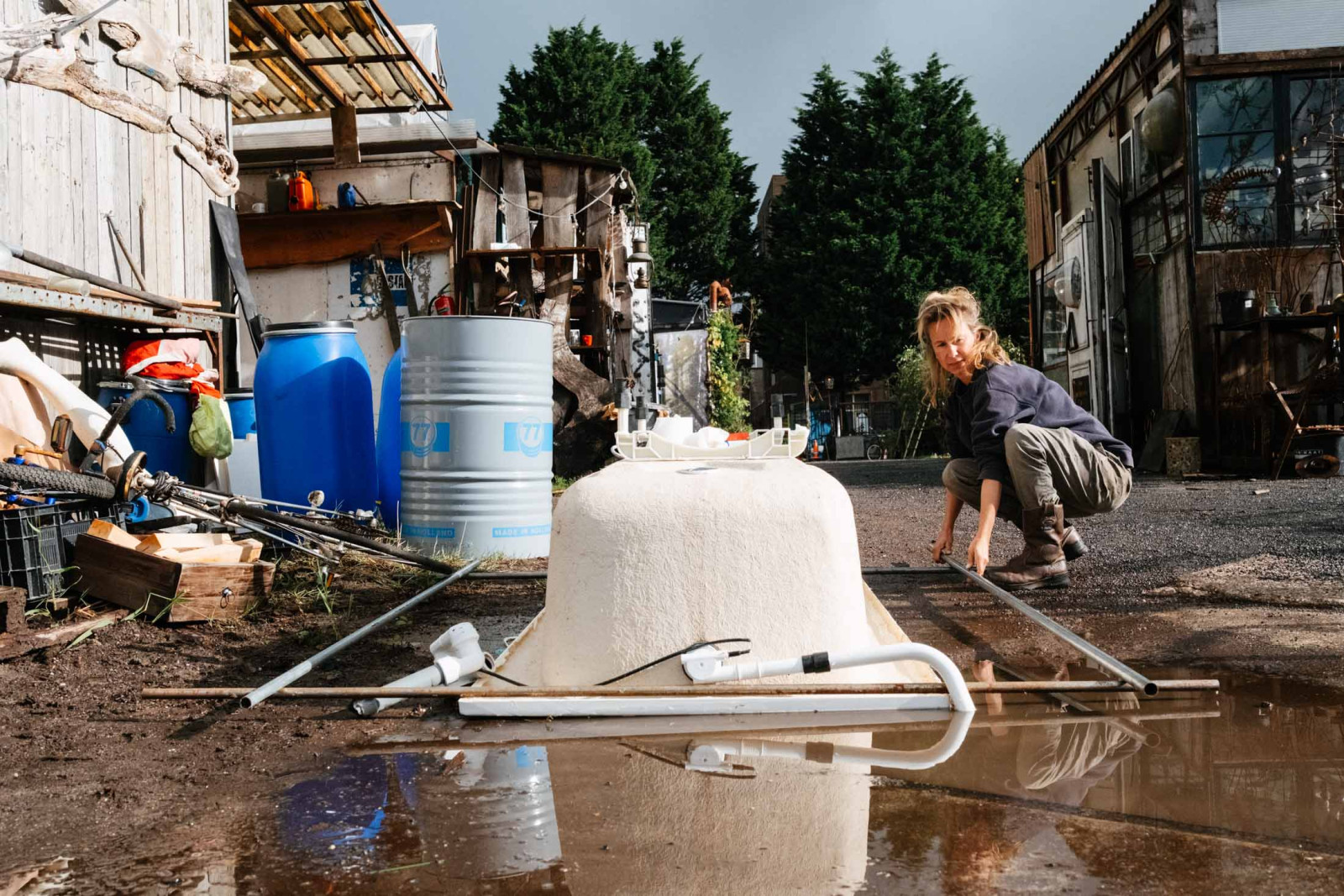
Het Groene Veld is the continuation of ADM, the legendary squatted free space in the western harbor area that was evicted in 2019. Although the eviction was a huge blow to the community, the part that moved to the site of the former sewage treatment plant in North immediately got to work. Whereas ADM was a squatted free space, Het Groene Veld was created in collaboration with the municipality, which made the new location an official breeding ground—with all the accompanying rules and financial challenges that come with such status.
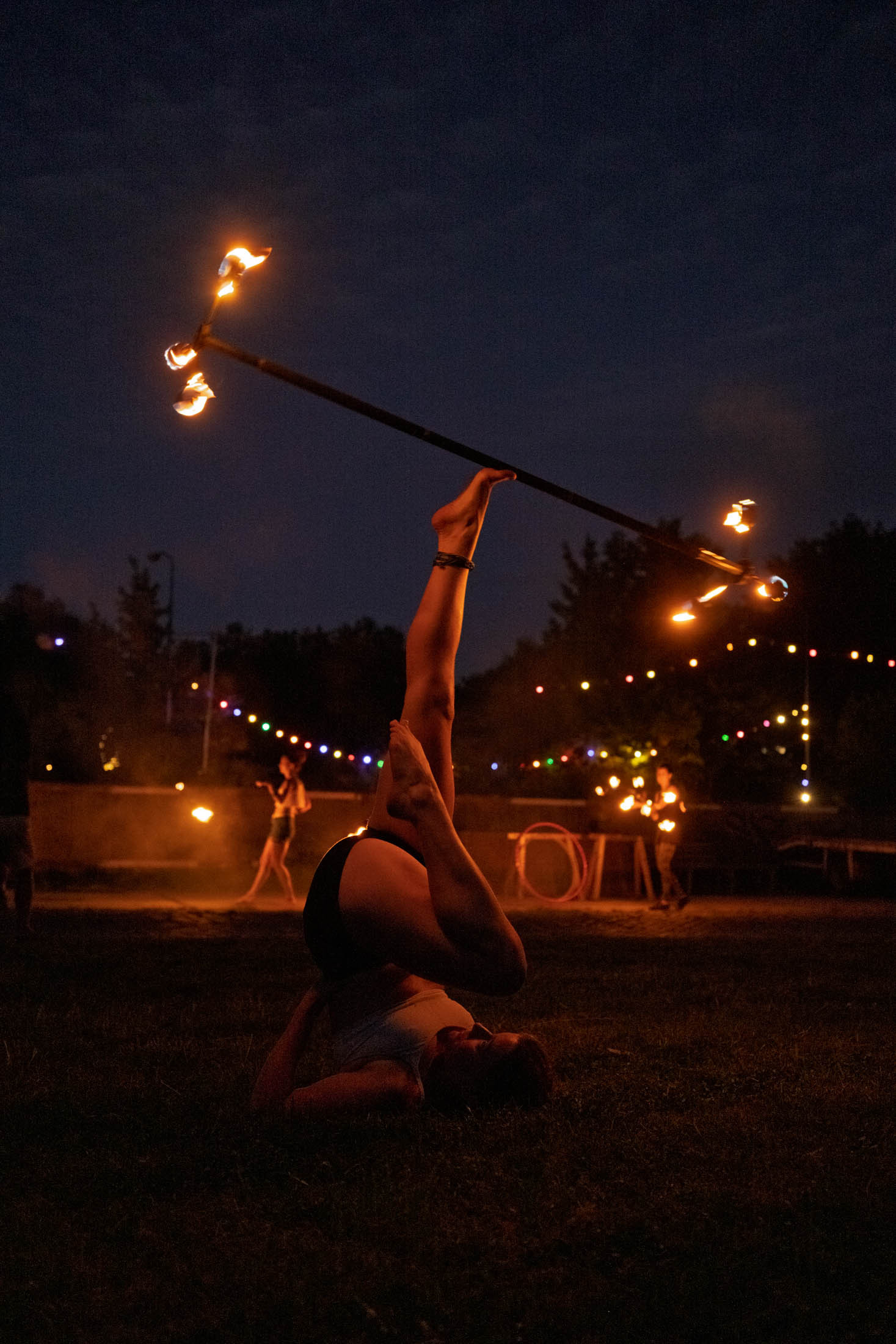
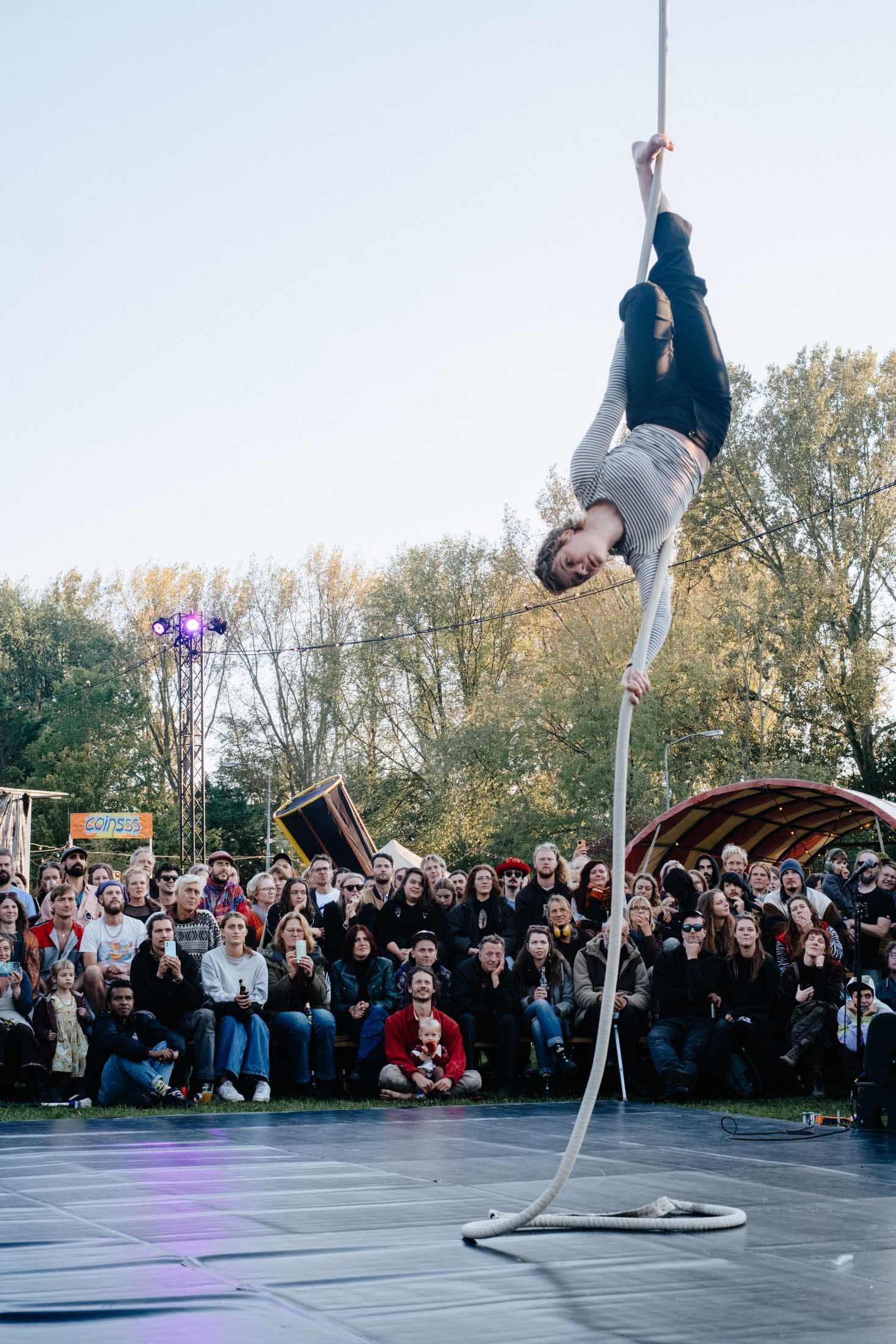
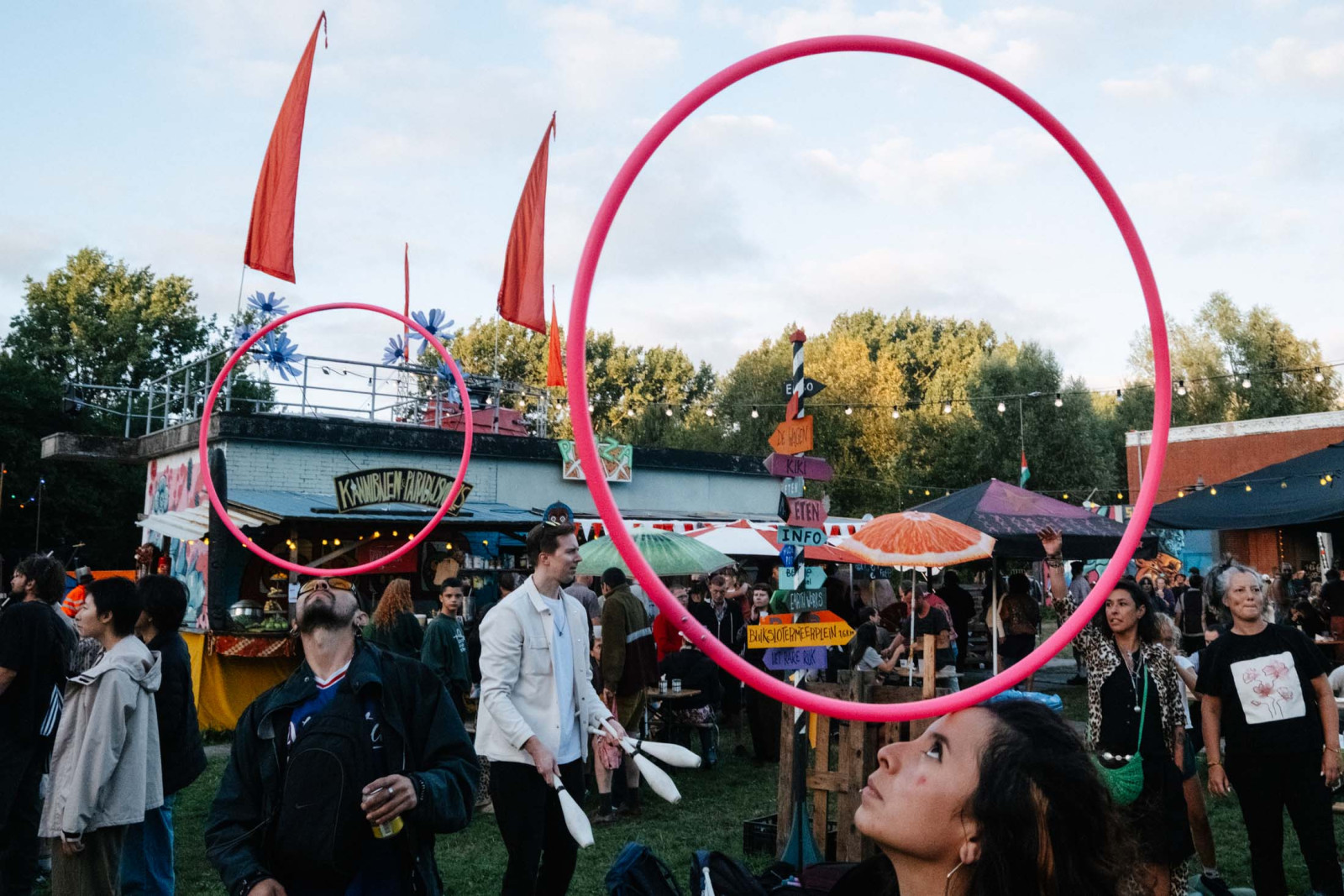
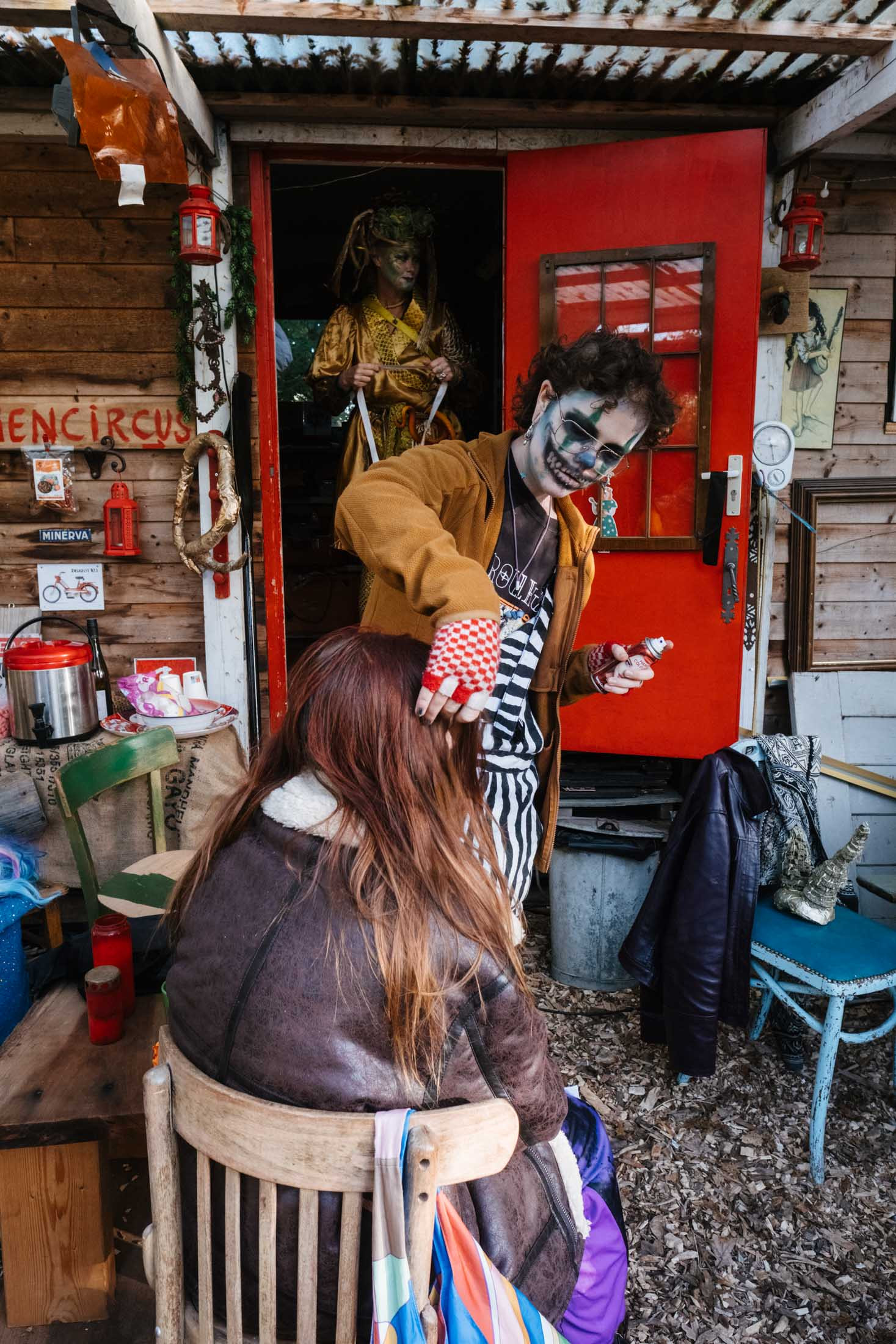
Still, everything remains possible here: massive steel artworks made from old cars, circus performances, urban farming, a grindcore festival, a donation-based community kitchen, fire art, and more. In the studios, craft and art are practiced. Anyone stepping onto the site immediately senses that this is one of the few places in the city where imagination is not restrained by practical concerns. Het Groene Veld is an inspired place, thanks to the strength of a community of doers who are also dreamers—or perhaps the other way around.
Originally, a contract was signed until October 2024, but fortunately, in the summer of that year, it was extended by at least three more years. However, there is still no long-term perspective. Even here, on the city’s edge, pressure on space is high, with three parties claiming the land: Vattenfall, Groene Veld, and Rugby Club Amsterdam. The district council has expressed its support for Groene Veld’s presence, but at this moment it remains unclear which party (or parties) will be able to secure or retain a place on this piece of land.
Interview met Hay Schoolmeesters en Daan van den Ende van Stichting De Verademing.
27:09
Since: 2019 / Address: Buikslotermeerdijk 95 / Function: free space / creative hub / Perspective: uncertain after 2027
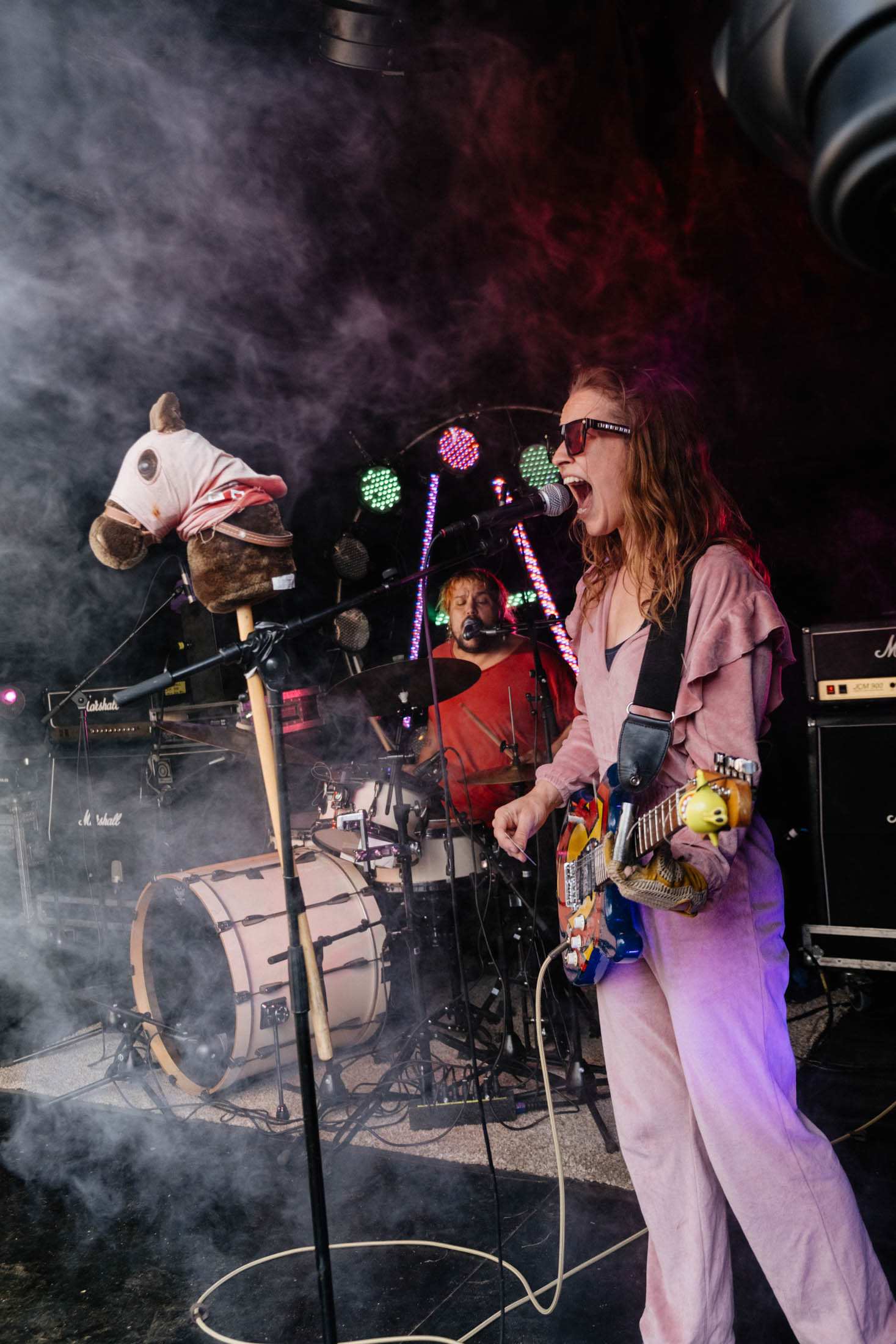
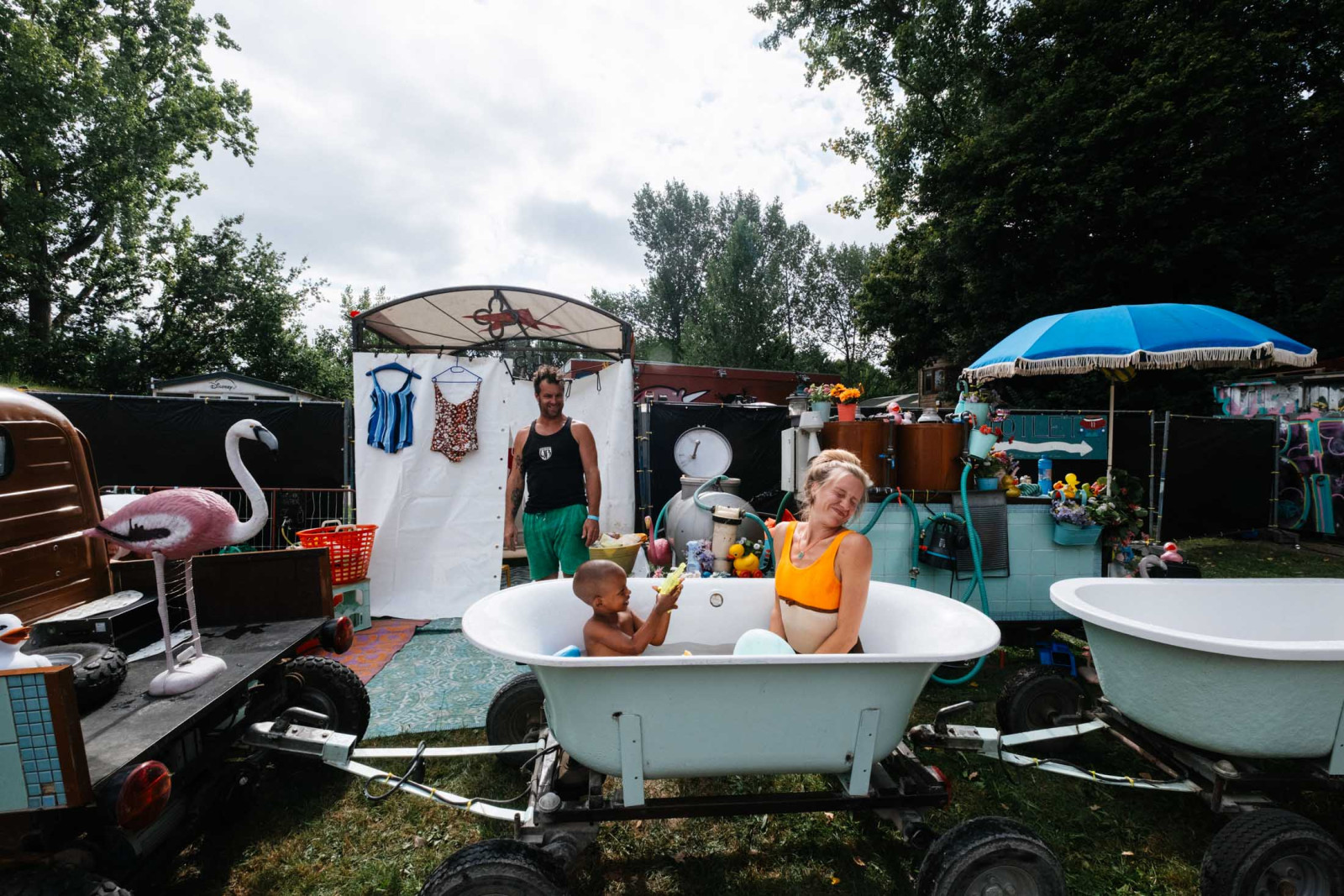
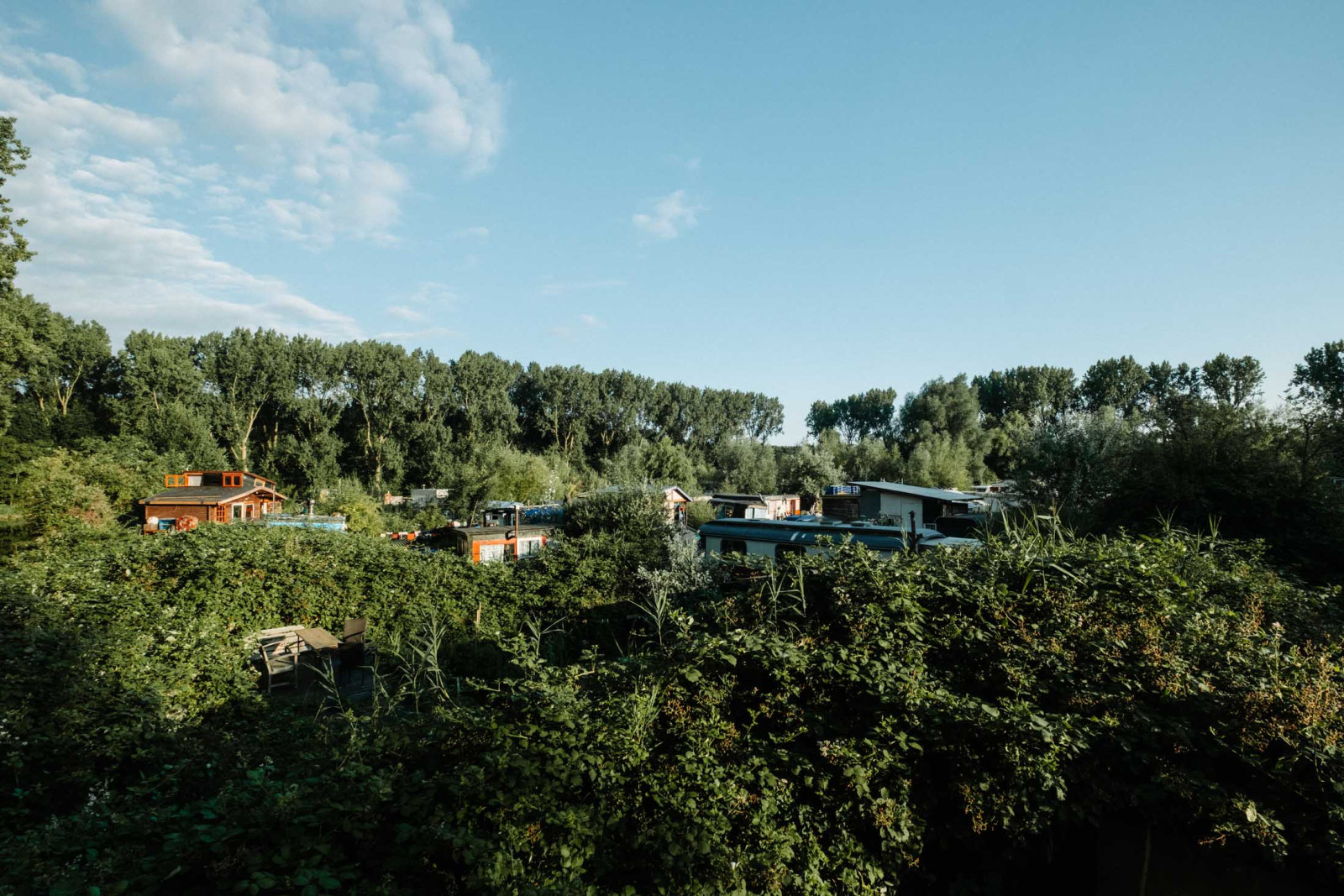
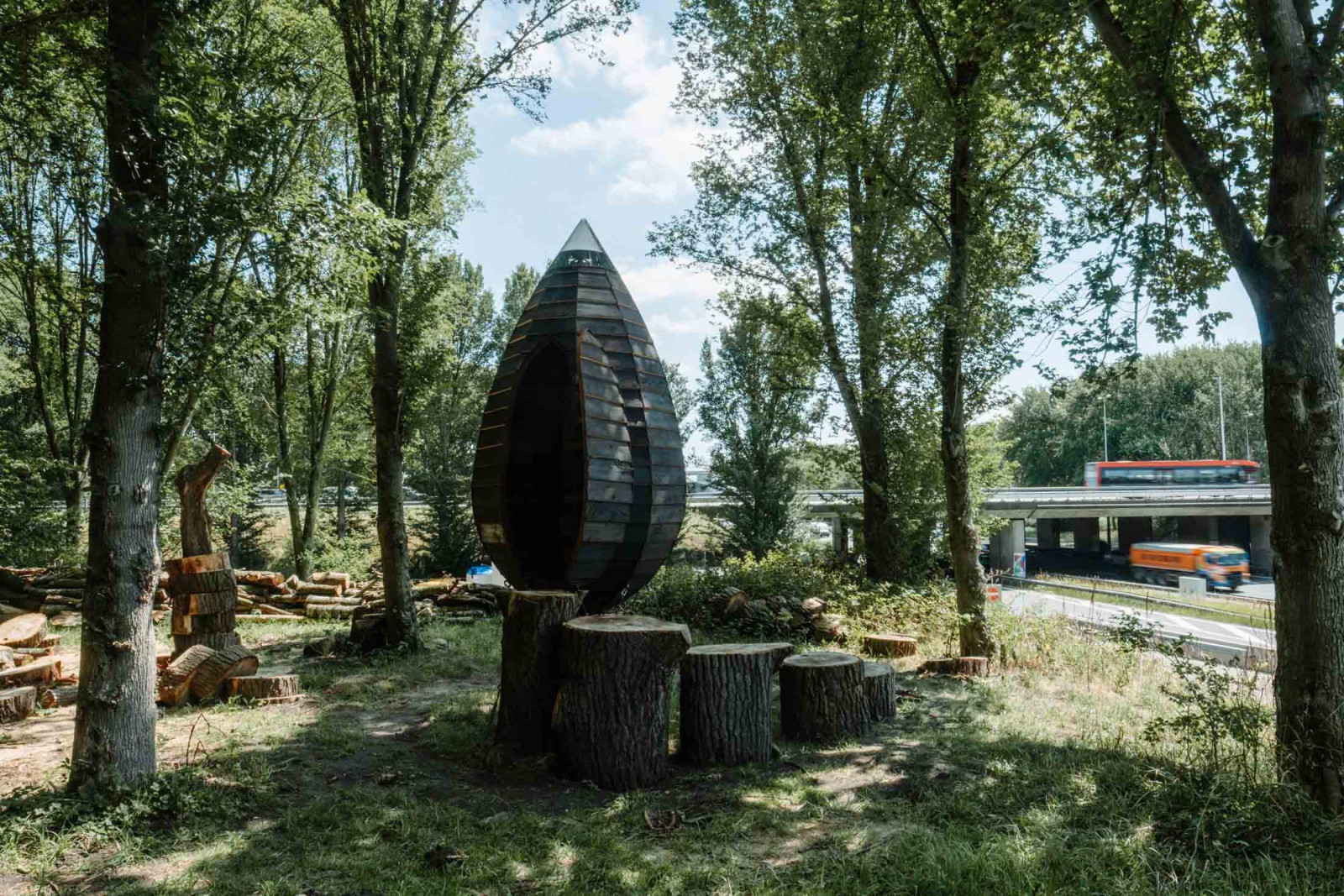
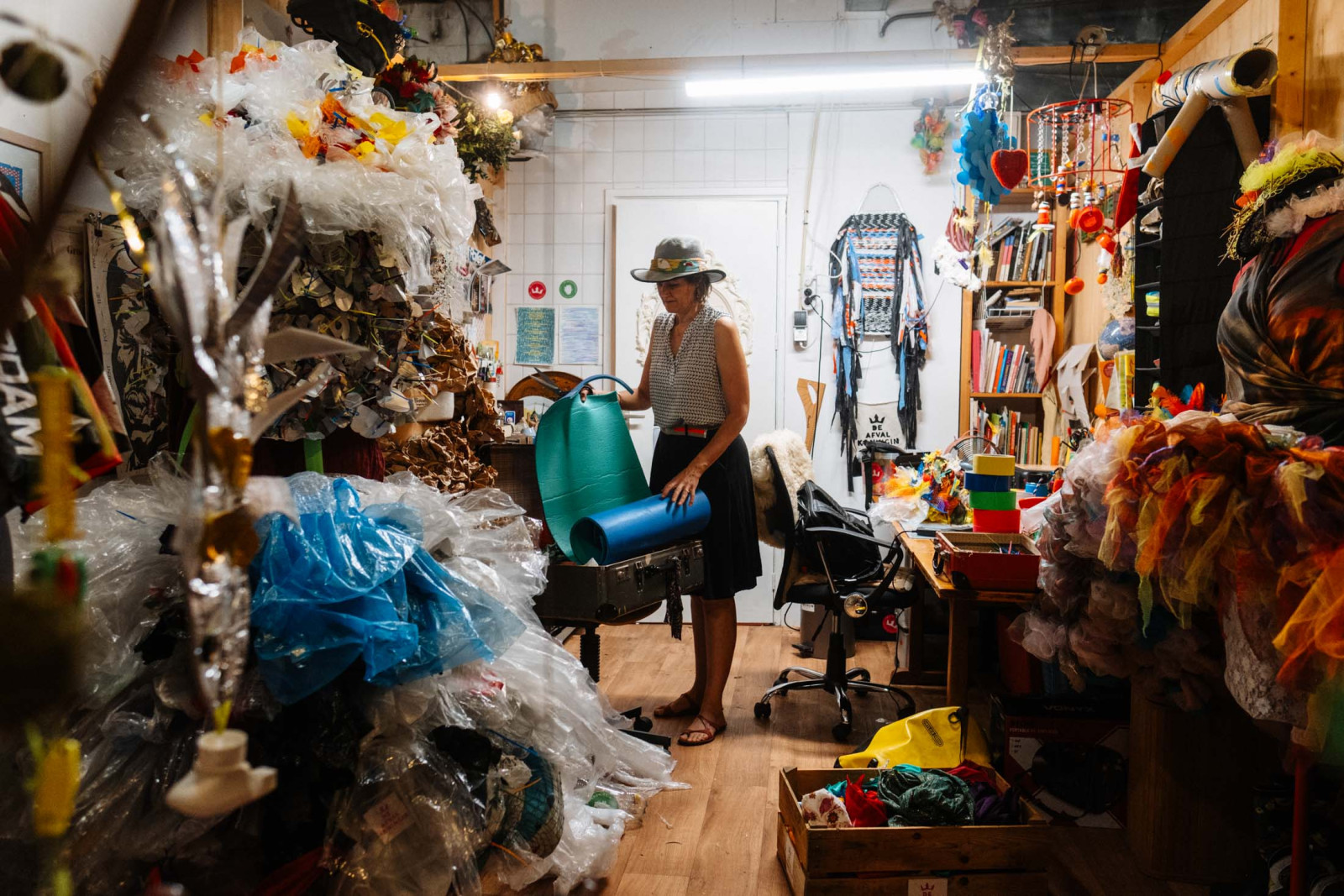
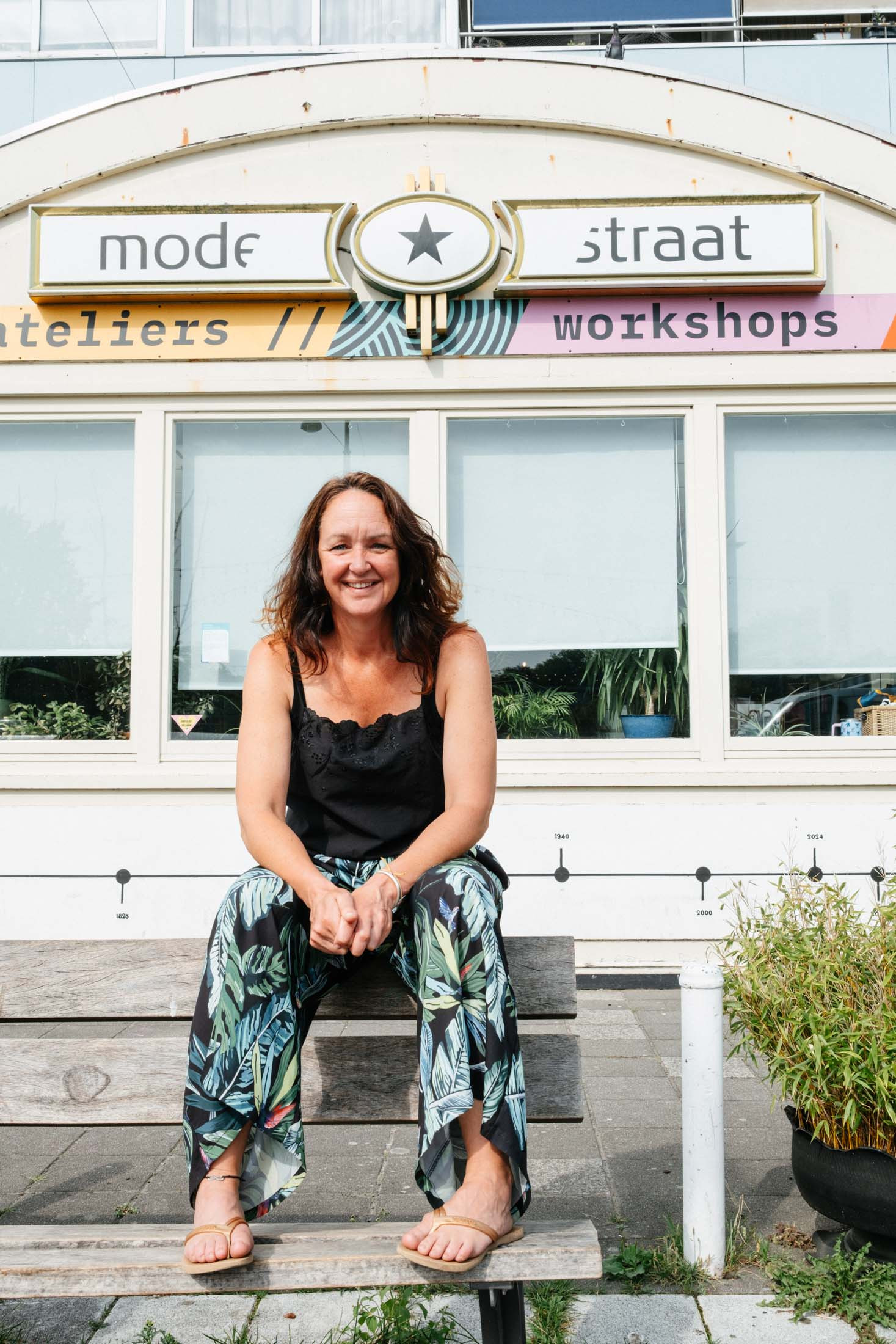
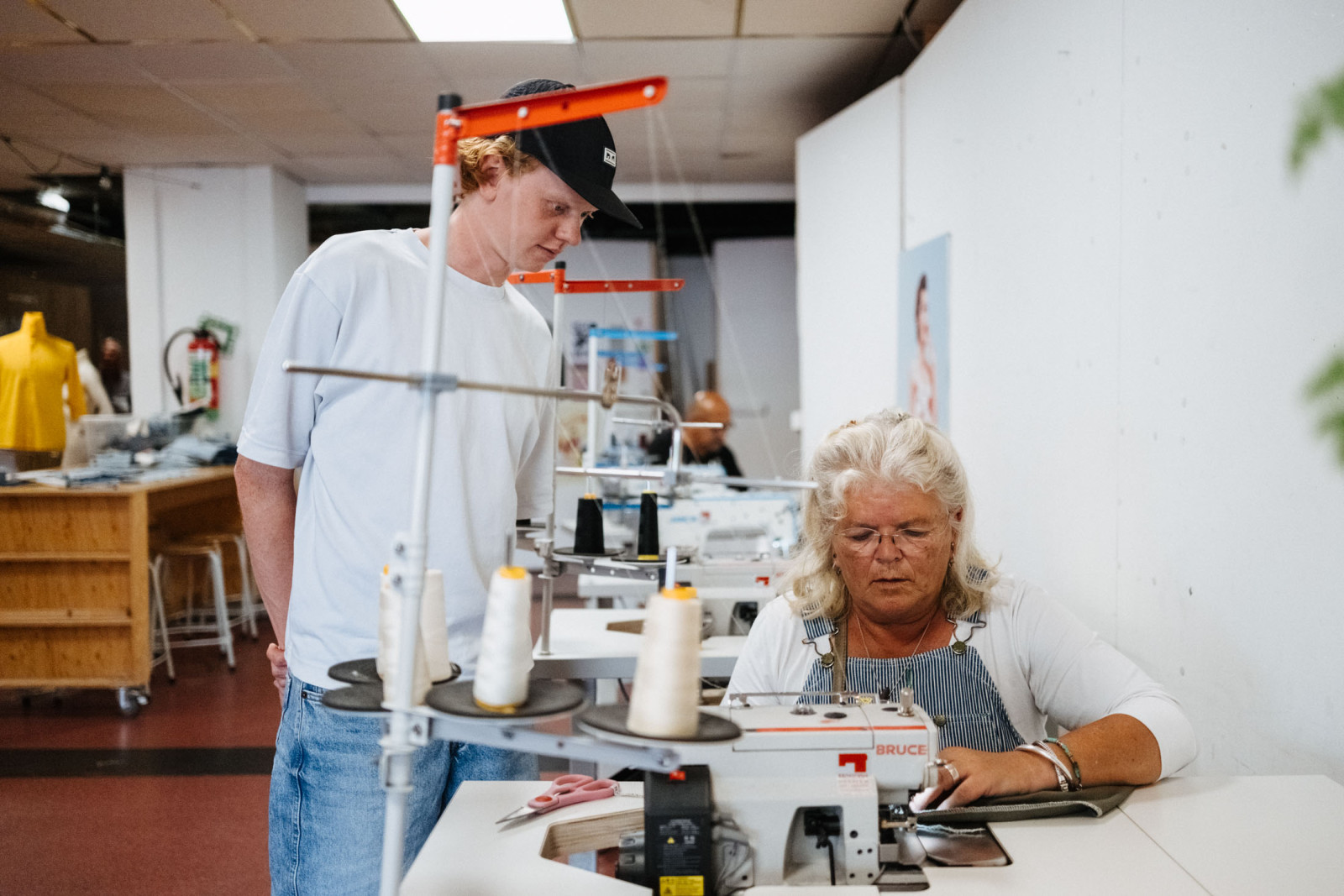
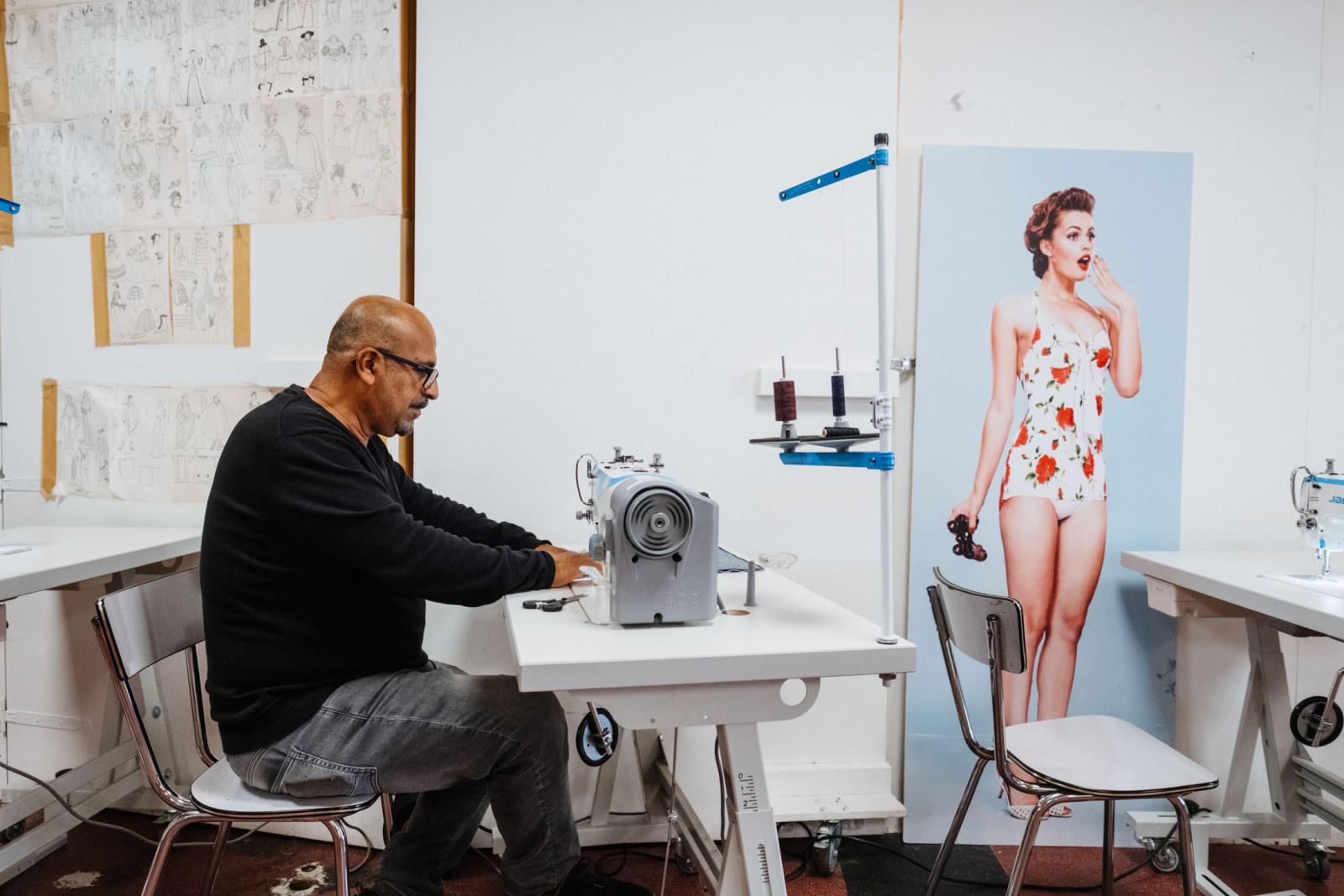
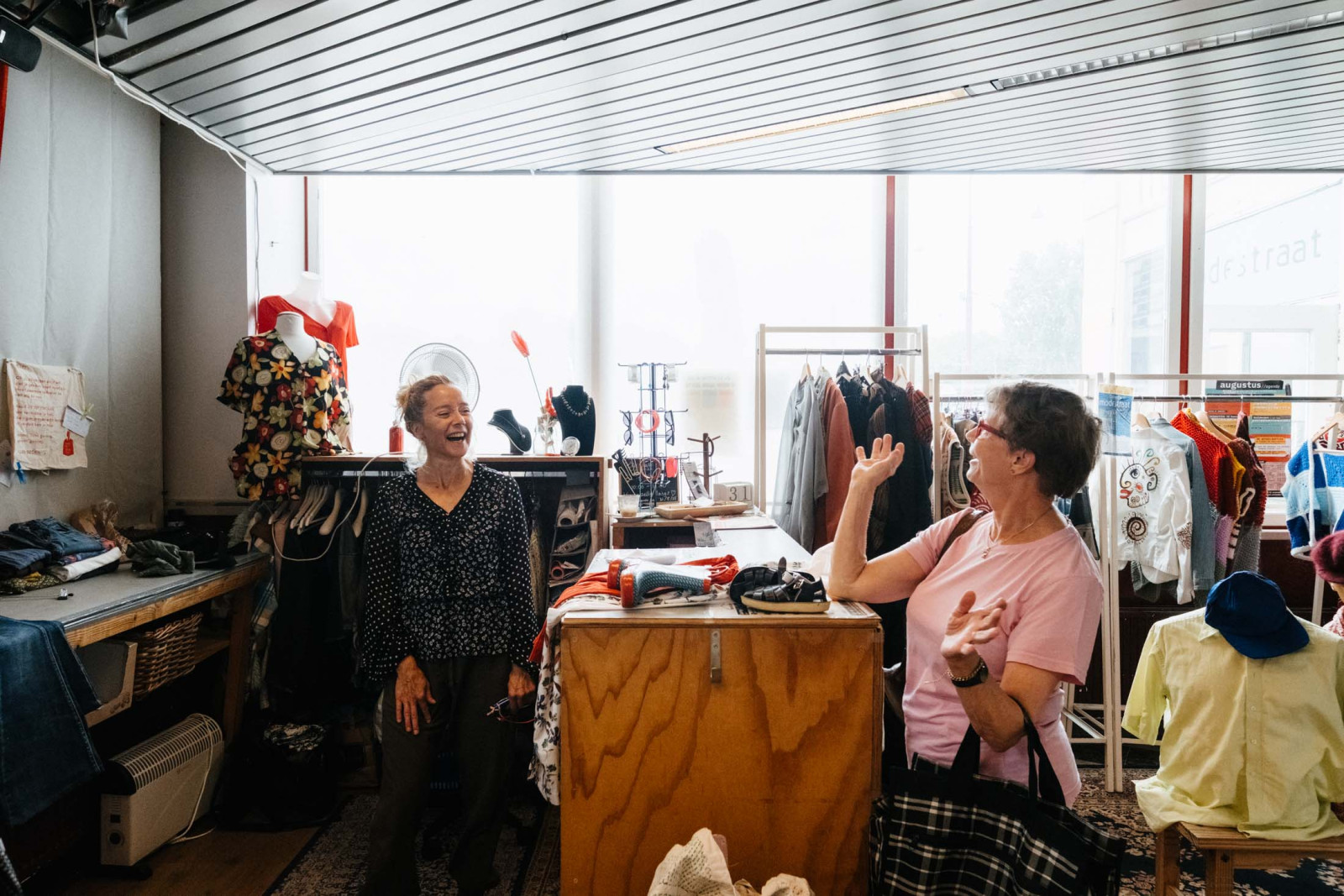
Modestraat was founded in 2011 as a creative hub where art and creativity serve as a driving force for connection. After two years in an old retail building in the Waterlandplein neighborhood, Modestraat moved at the end of 2013 to the former premises of a wok restaurant at Buikslotermeerplein. Part of the old interior is still visible, and the open layout has been retained to encourage natural interaction between the different users. The flexible setup gives the sense that anything can happen here.
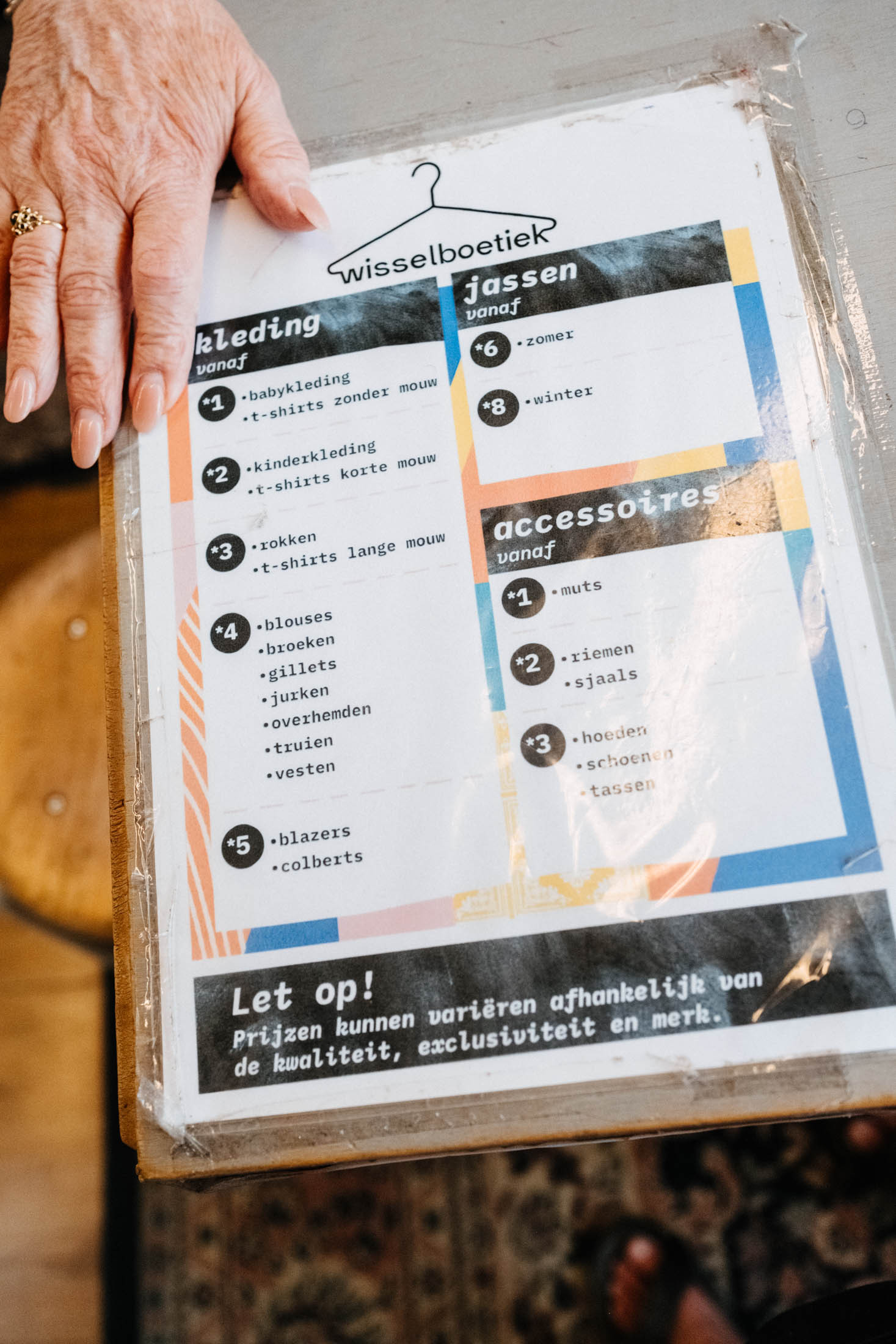
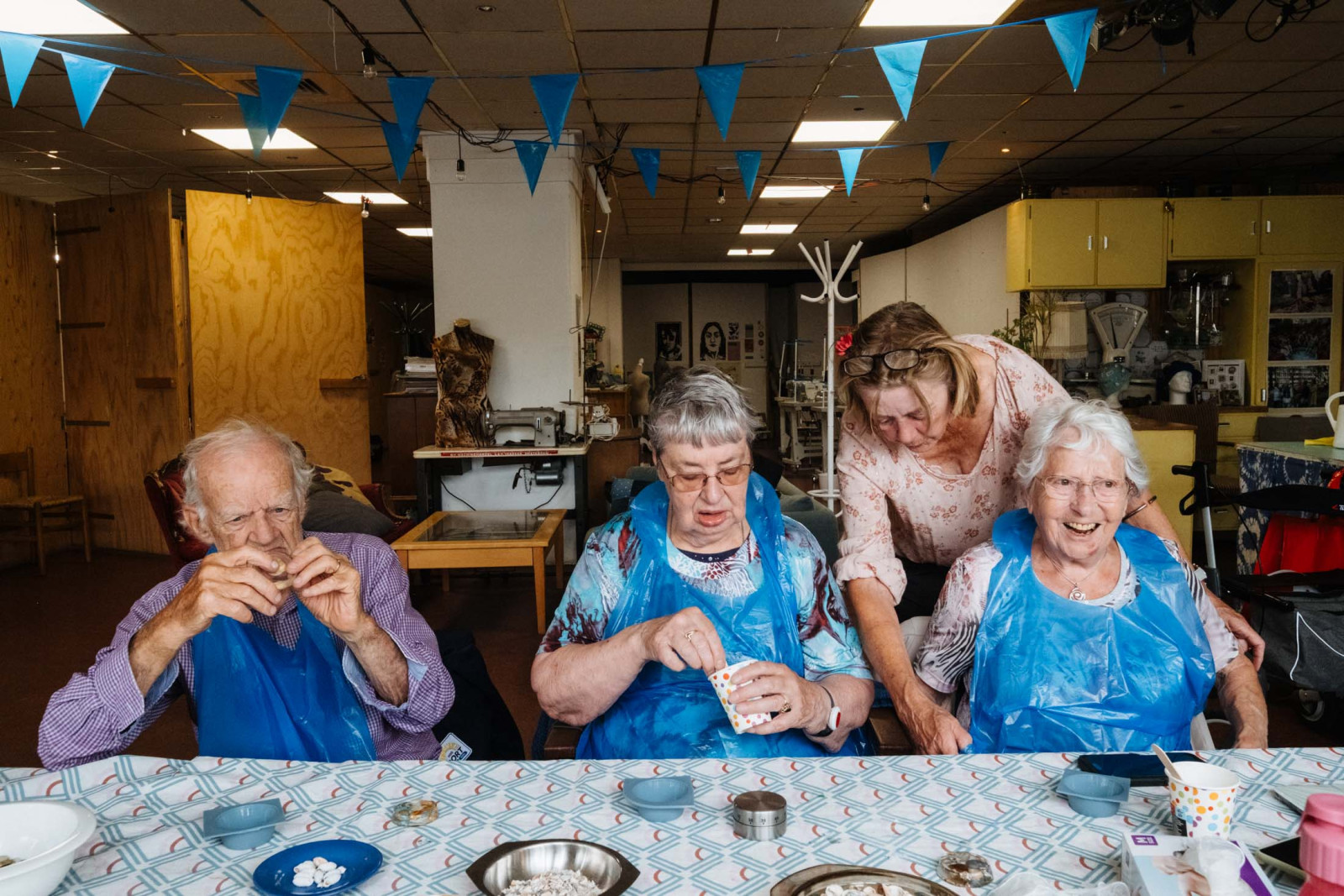
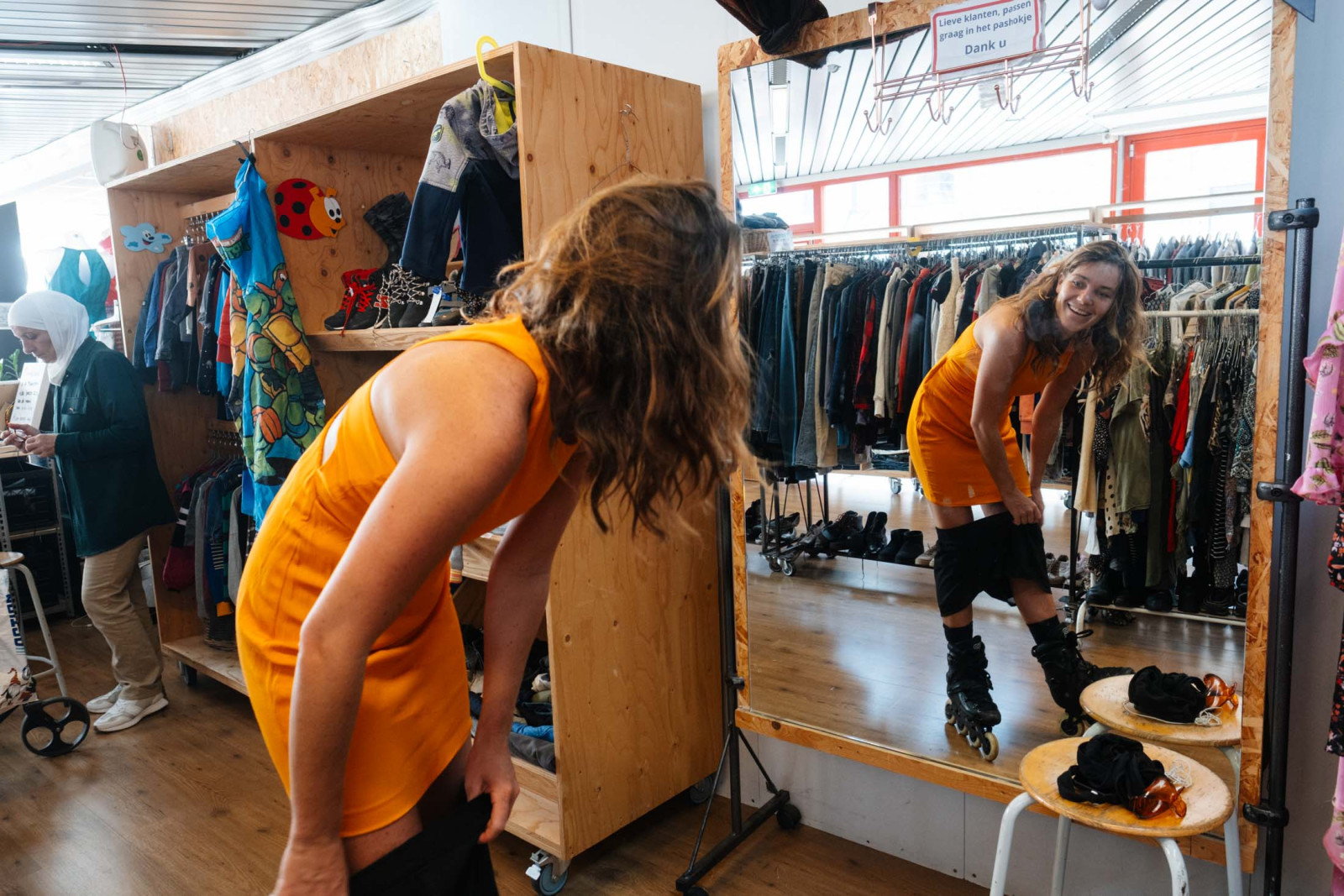
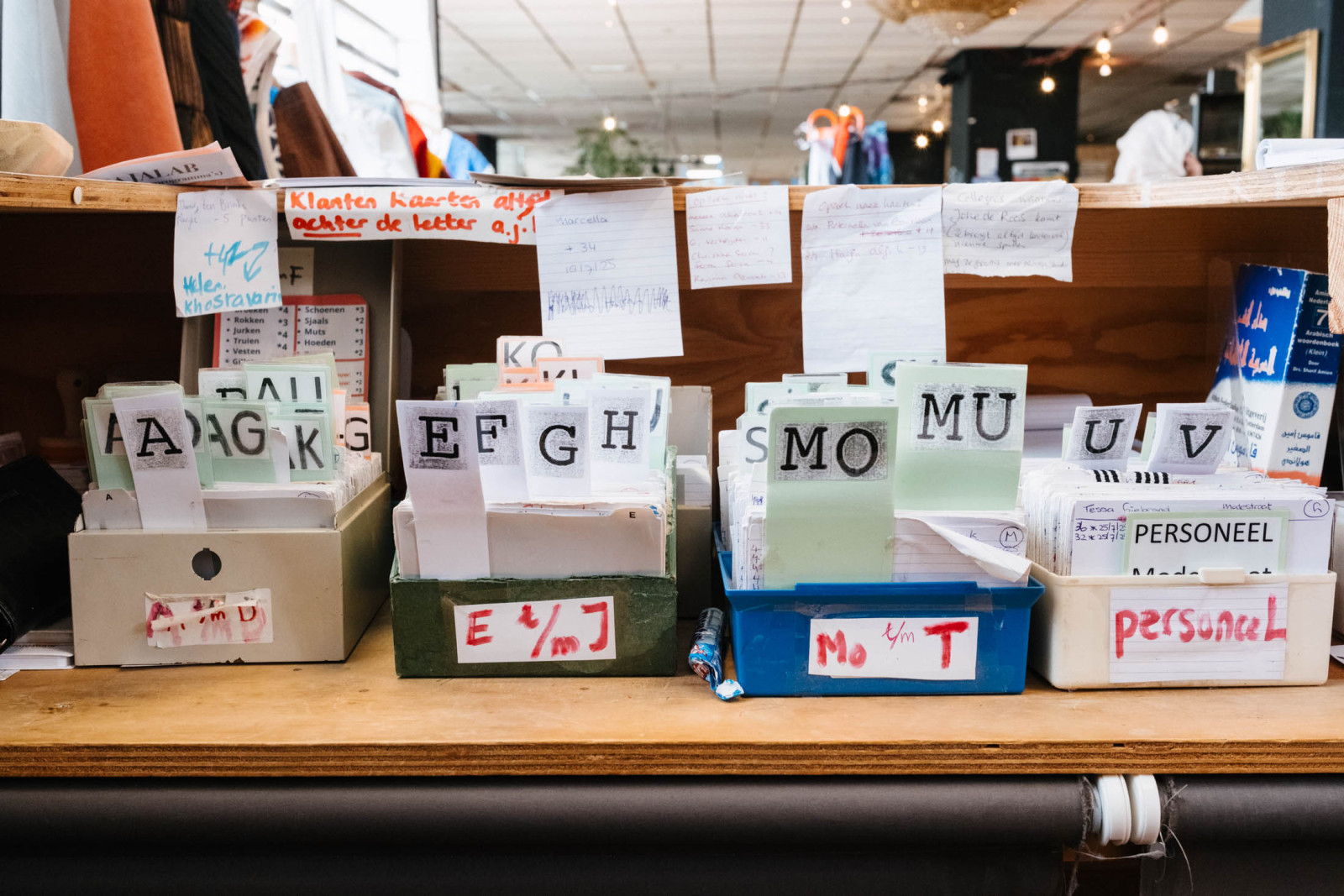
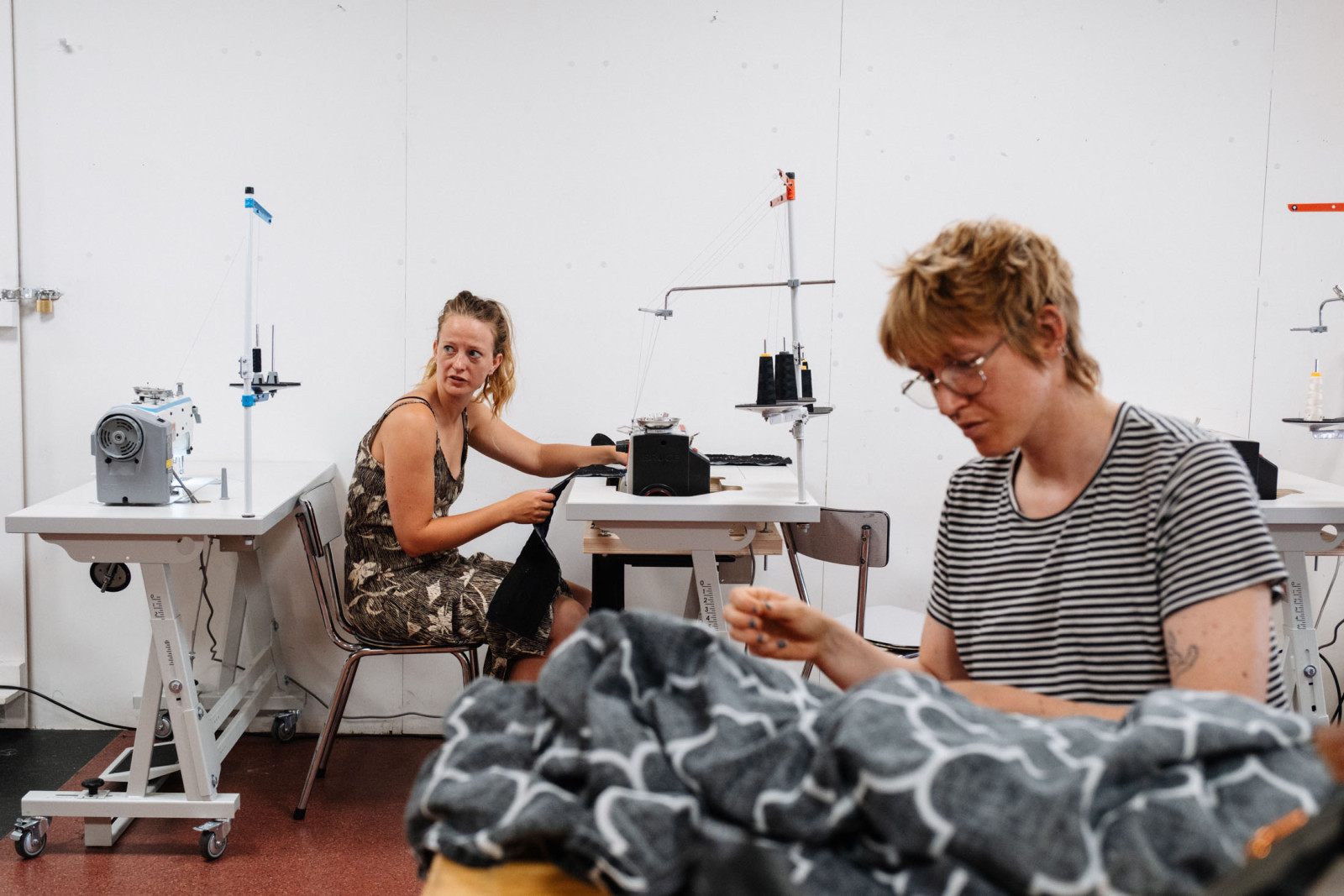
Director Jet Meijer, together with a small team of paid professionals and a large group of volunteers, organizes a full program, partly initiated by artists who have studios in the building, and partly by organizations and residents from the neighborhood. For example, there are activities for seniors at the Sweet 70 senior club, a Textile Repair Café, a Language Café, and multiple sewing classes throughout the week. The Wisselboetiek clothing shop is open four days a week. Six days a week, between 9 a.m. and 5 p.m., visitors can drop by Bakkie Noord Koffie & Lunch for affordable food and drinks.
Although the value of Modestraat is recognized by the Amsterdam-Noord district council, the district currently cannot offer a perspective on more structural funding or long-term housing. It is certain, however, that the building housing Modestraat will be redeveloped. A tender for the redevelopment has taken place this year, and the winner will be announced very soon. Fortunately, Jet has been approached by several participants, and there is a good chance that Modestraat will secure a place after the redevelopment.
Interview met directeur Jet Meijer
13:49
Since: 2011 / Address: Buikslotermeerplein 15-17 / Function: creative hub for the neighborhood / Perspective: there is a possibility that there will be a spot in the same building after redevelopment
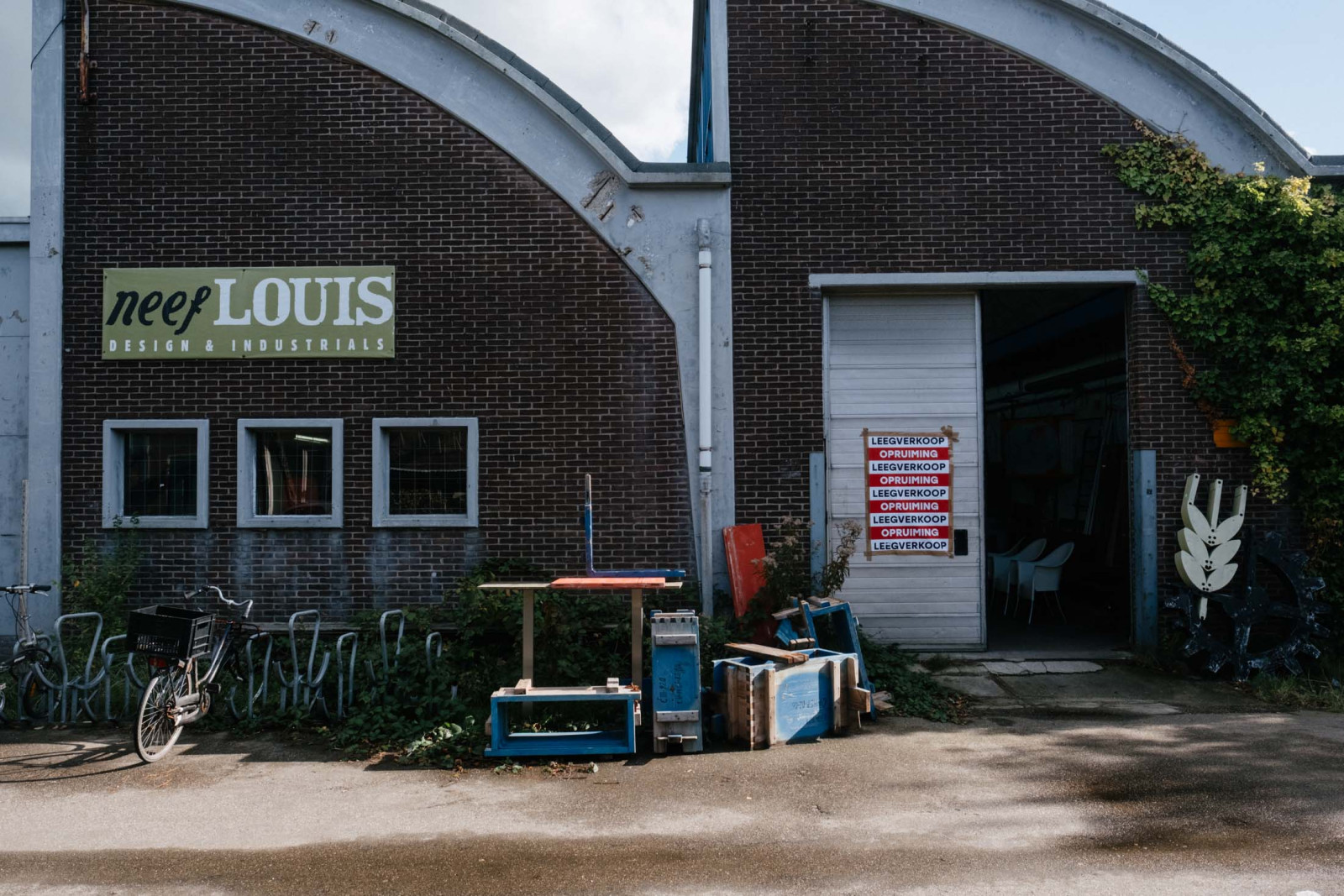
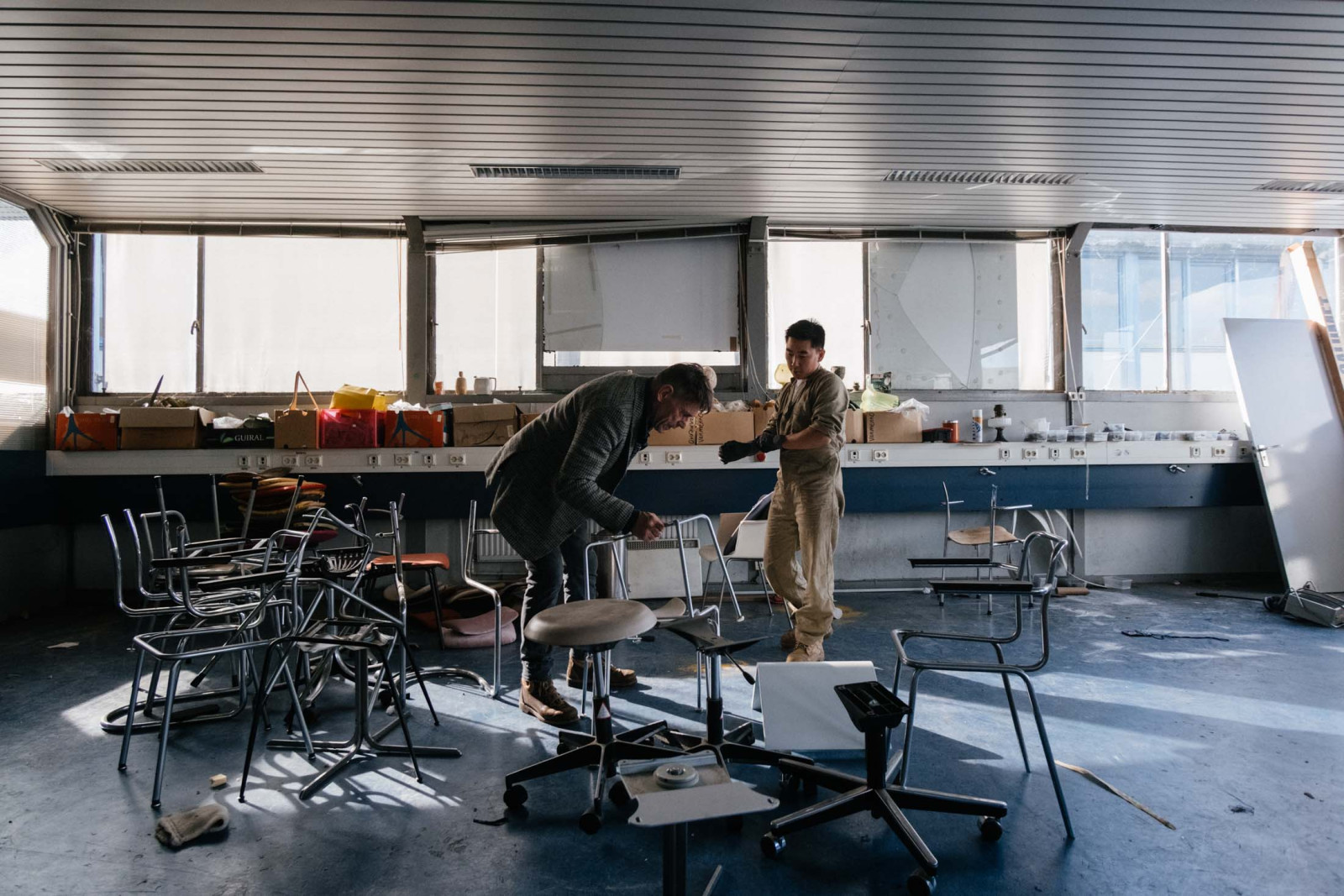
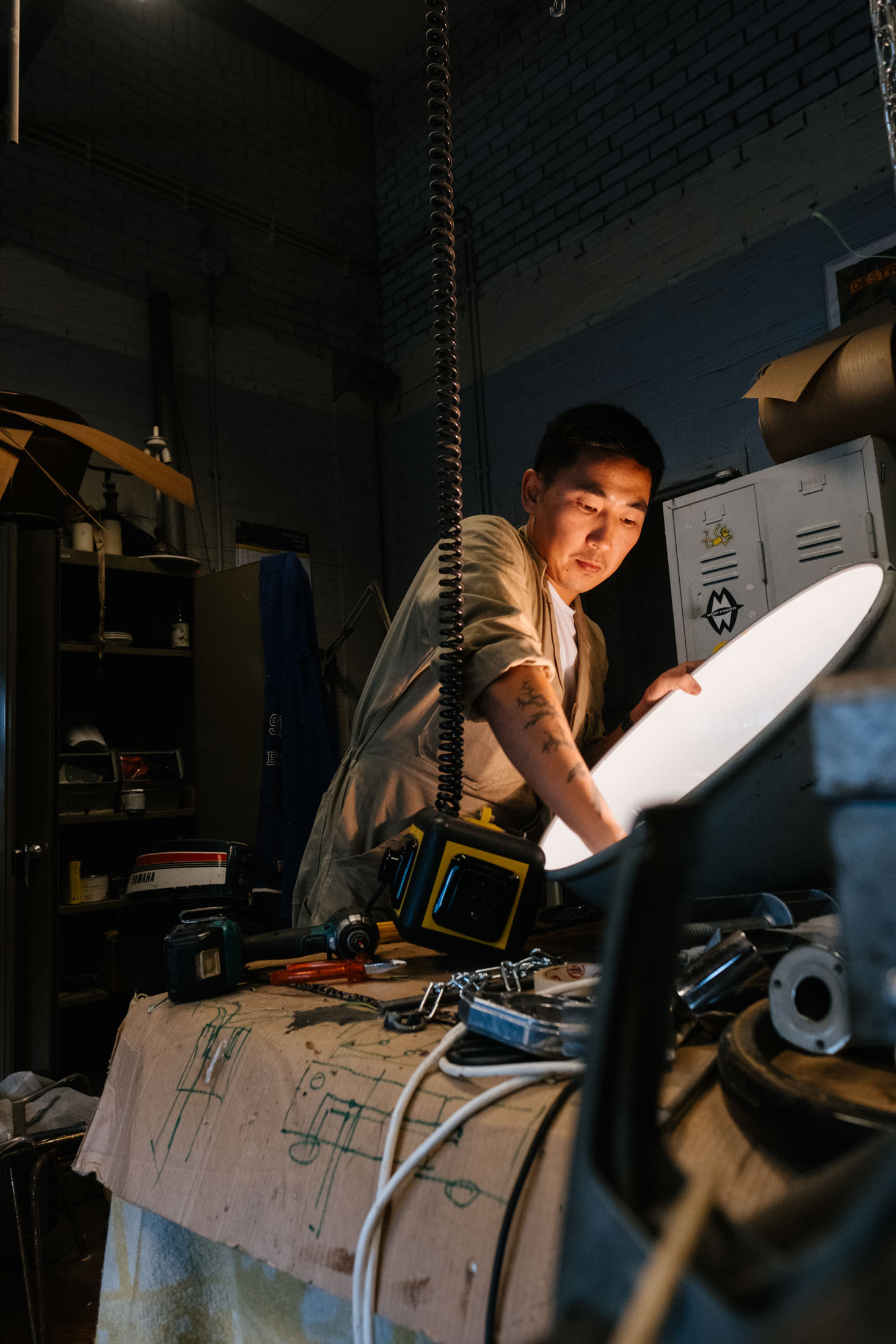
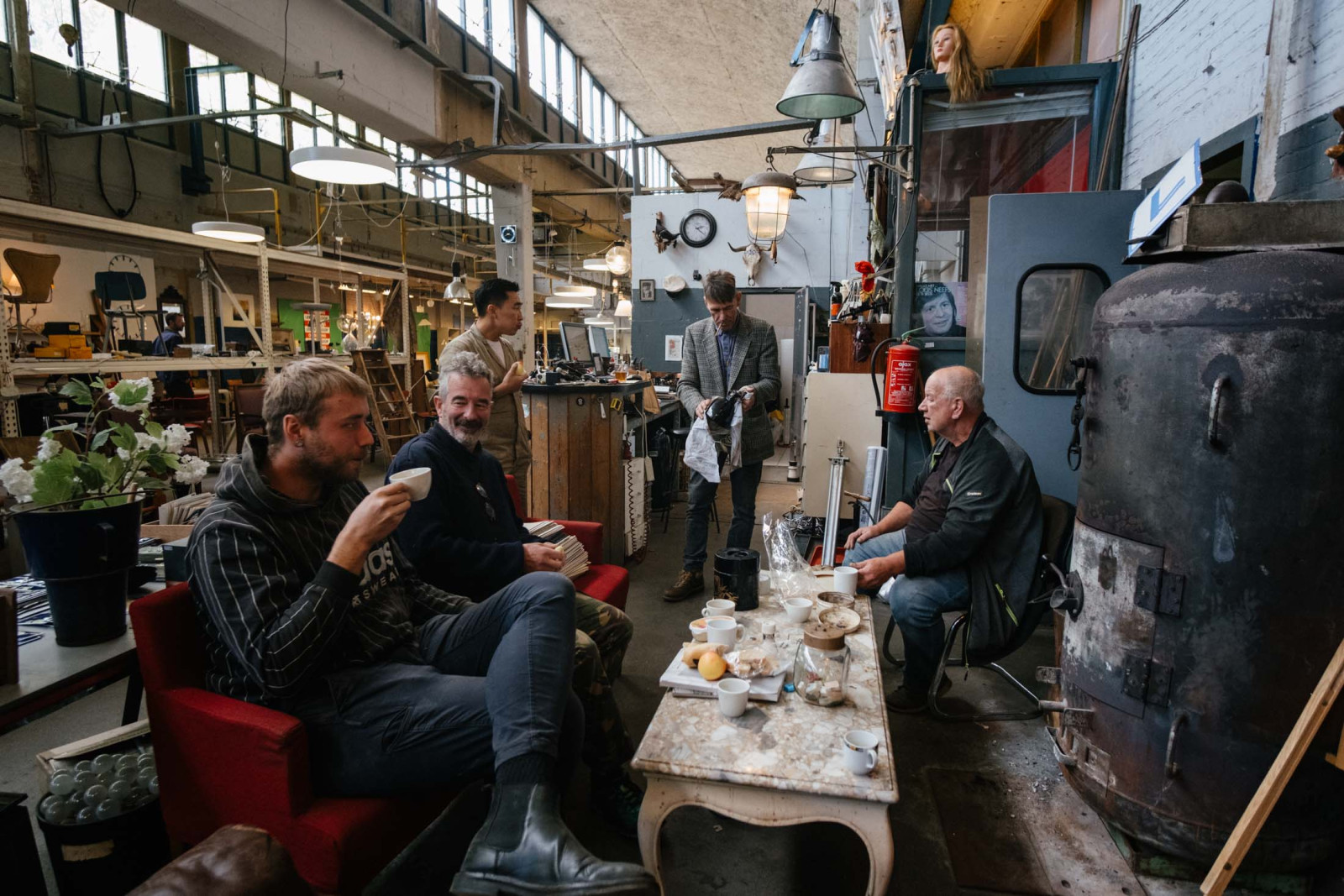
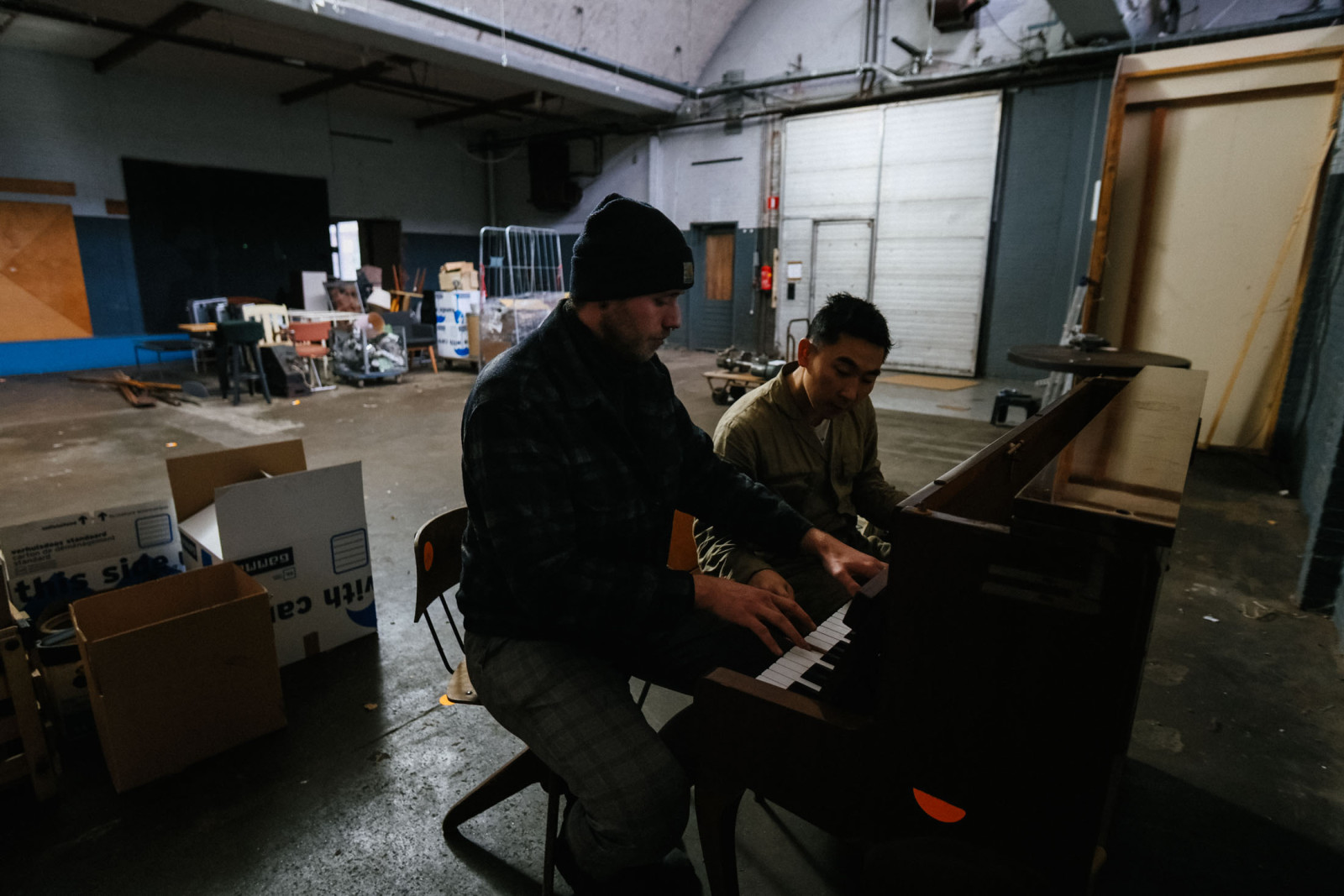
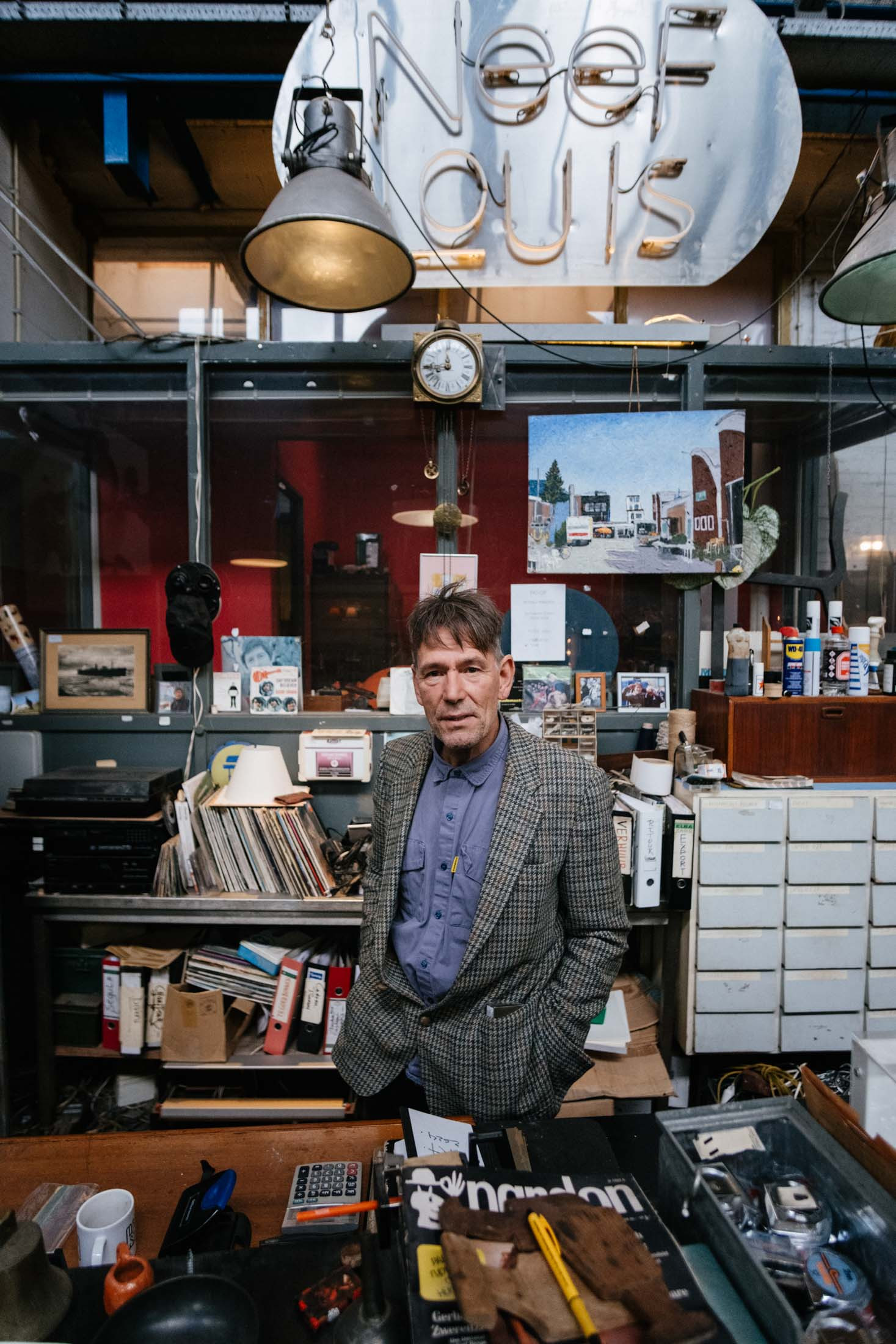
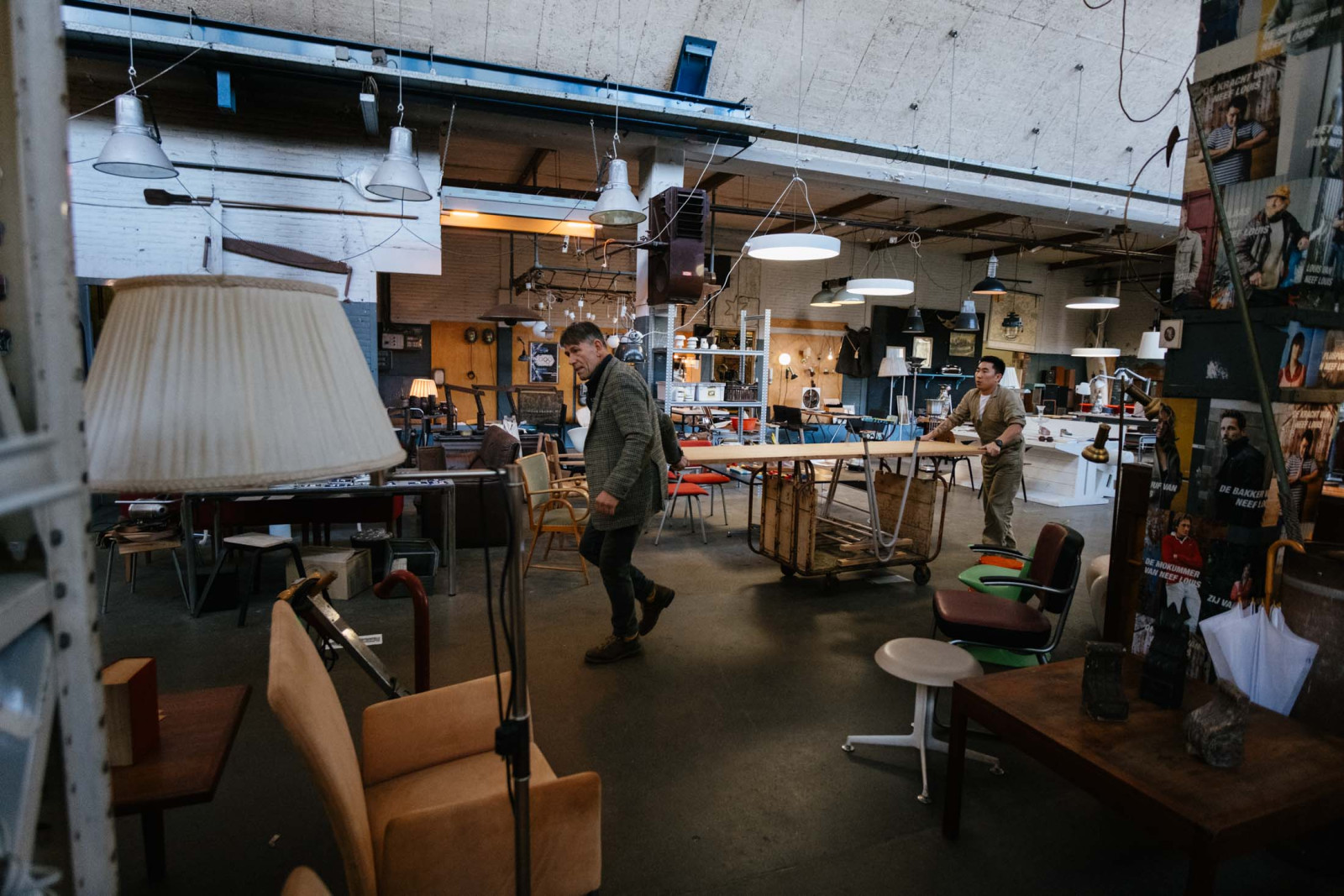
Even in his student room, Louis Vlaarkamp of Neef Louis was busy fixing up old bicycles and other items he found on the street. His little trades grew into a store specializing in second-hand design furniture of renown. In emptied office buildings, Louis found large quantities of Dutch Design, and over time the items started coming from further away: trucks full of industrial lamps and other pieces from factories in East Germany, Poland, the Czech Republic, and Slovakia appeared on his doorstep, and Louis bought everything he saw potential in.
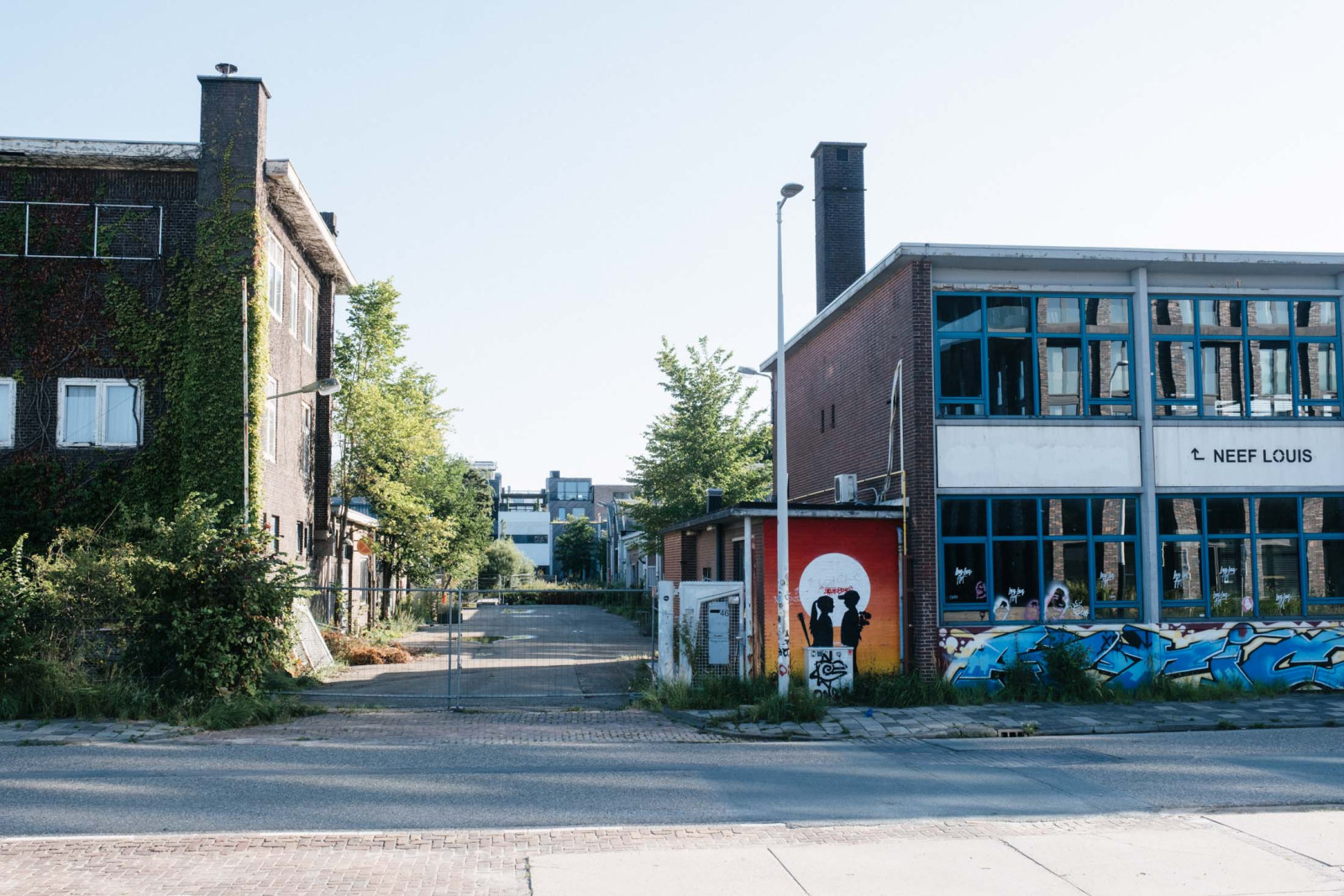
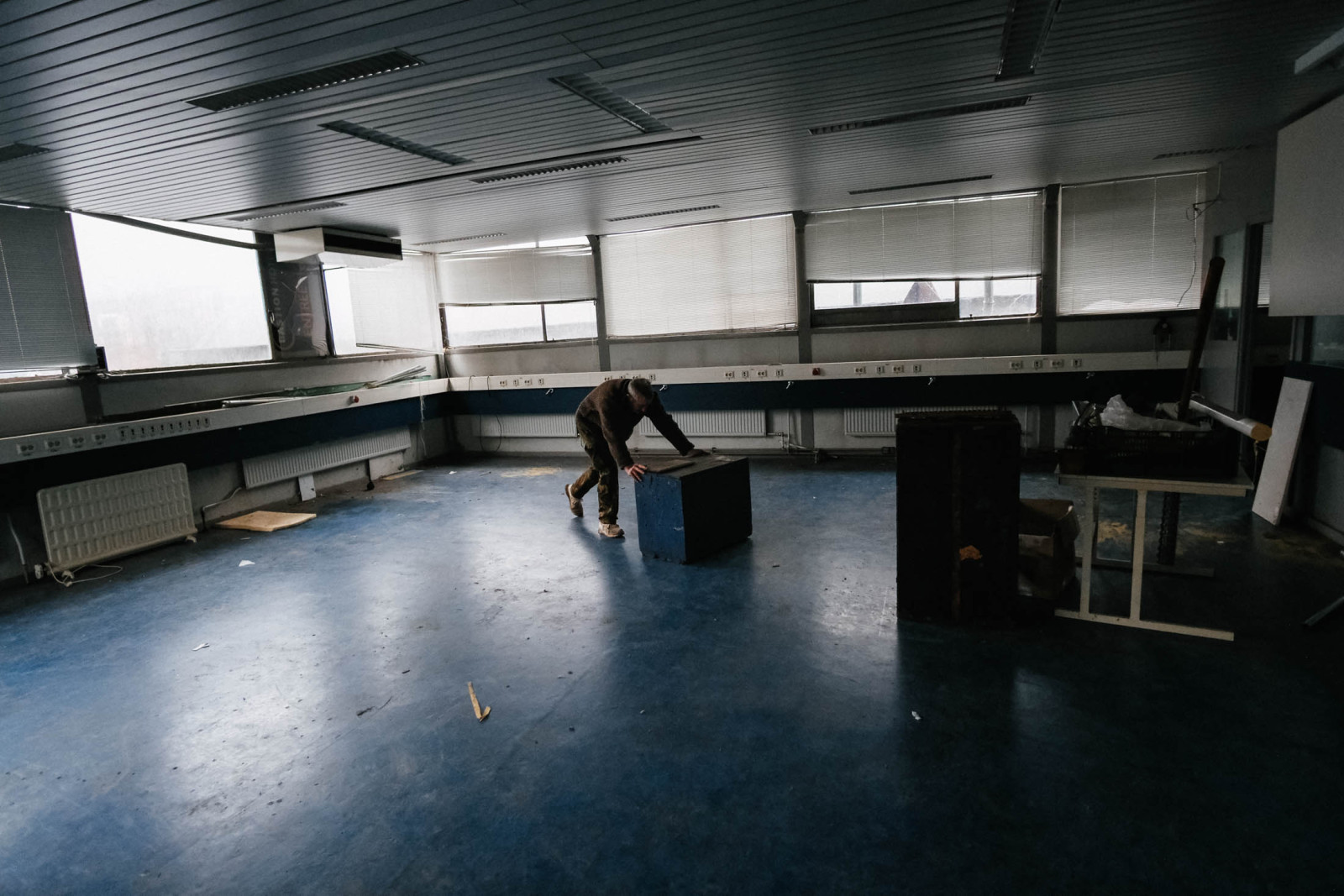
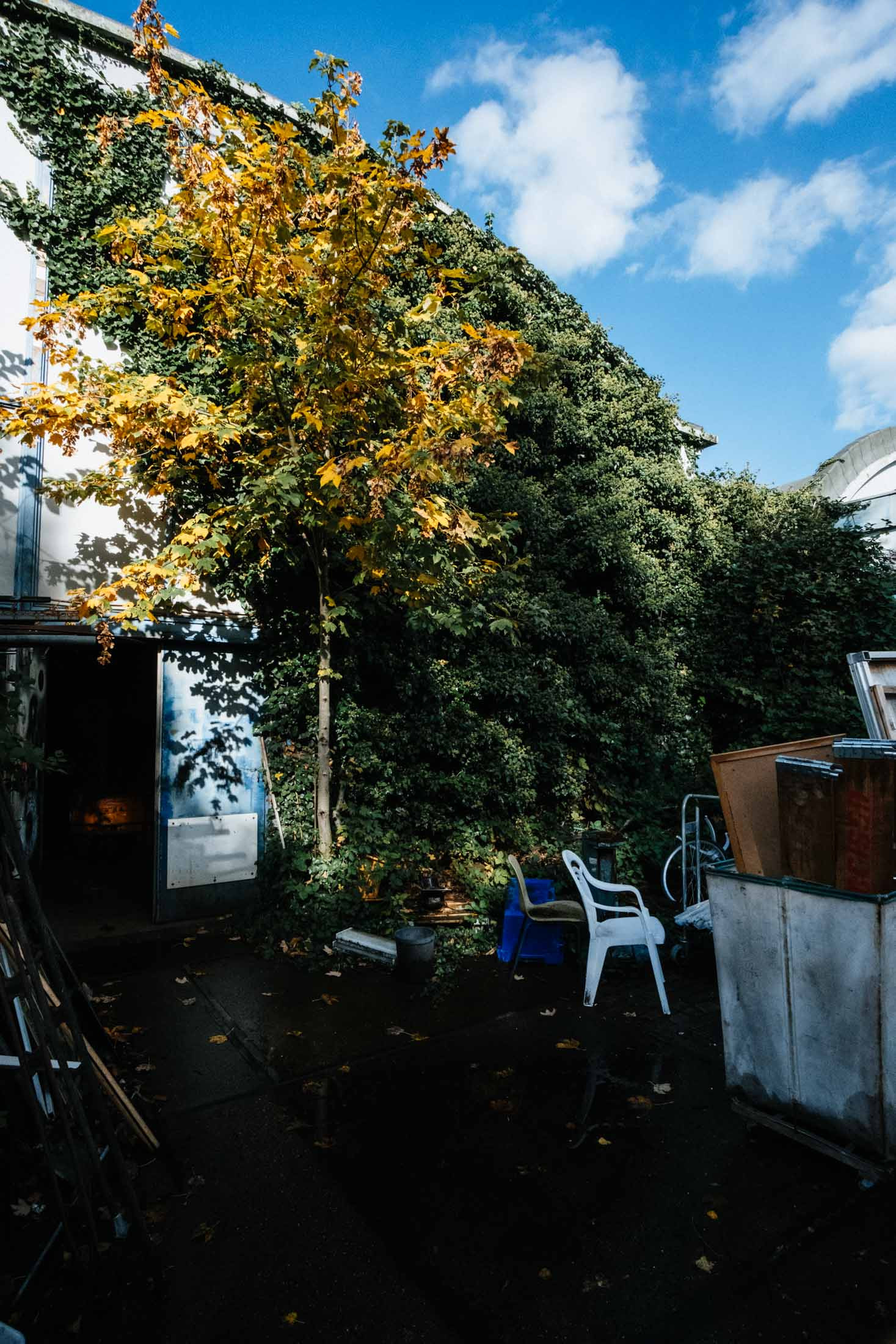
In 2010, Neef Louis settled in an icy, monumental warehouse on the former site of the traffic light manufacturer Groenpol in Buiksloterham, where, shortly after signing the contract, one pipe after another burst. Room by room, the building was renovated and repurposed. While countless objects found a second life in the well-equipped workshops, Buiksloterham itself transformed around the store, from an industrial fringe area into a residential neighborhood. Last year, the moment came for Neef Louis to move on. The warehouse is set to be renovated and will continue to be used for “creative industries,” but there is no place for Neef Louis.
Although Louis is happy to make room for others, he wonders under what conditions the workspaces in the renovated warehouse will be rented out. He worries about the craft industry in the city and the disappearance of the fringes: where can people still play around in an environment that also offers knowledge and quality, allowing them to grow? When we spoke with him, Louis was already daydreaming about his retirement, but old habits die hard: he says goodbye to Amsterdam, yet Neef Louis will continue for a while longer. The store is relocating to an old gymnasium of the former Scheringa Museum in Spanbroek.
Interview met eigenaar Louis Vlaarkamp.
24:07
Since: 1999 / Address: Papaverweg 46 / Function: store for second hand design furniture / Perspective: moved to Spanbroek
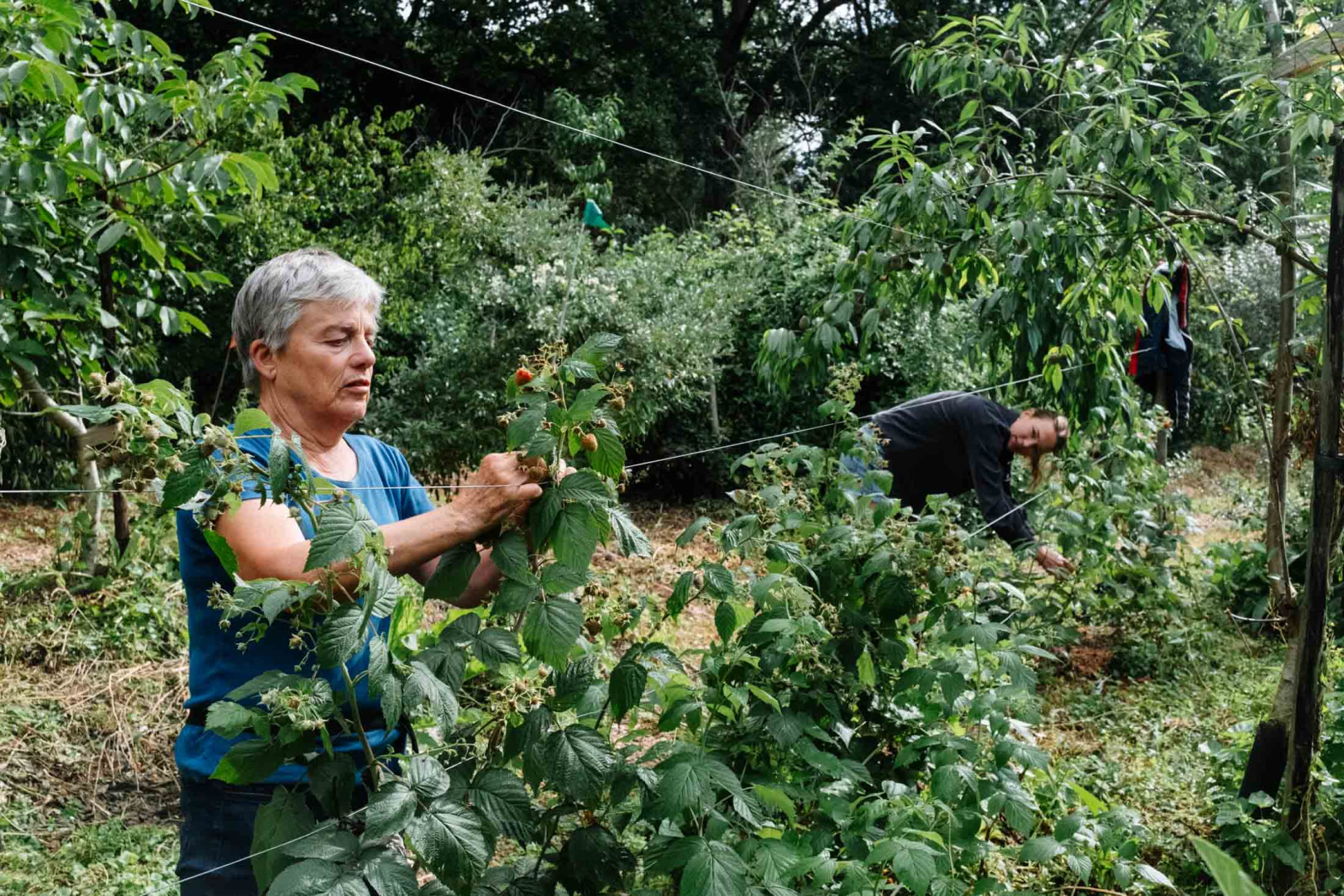
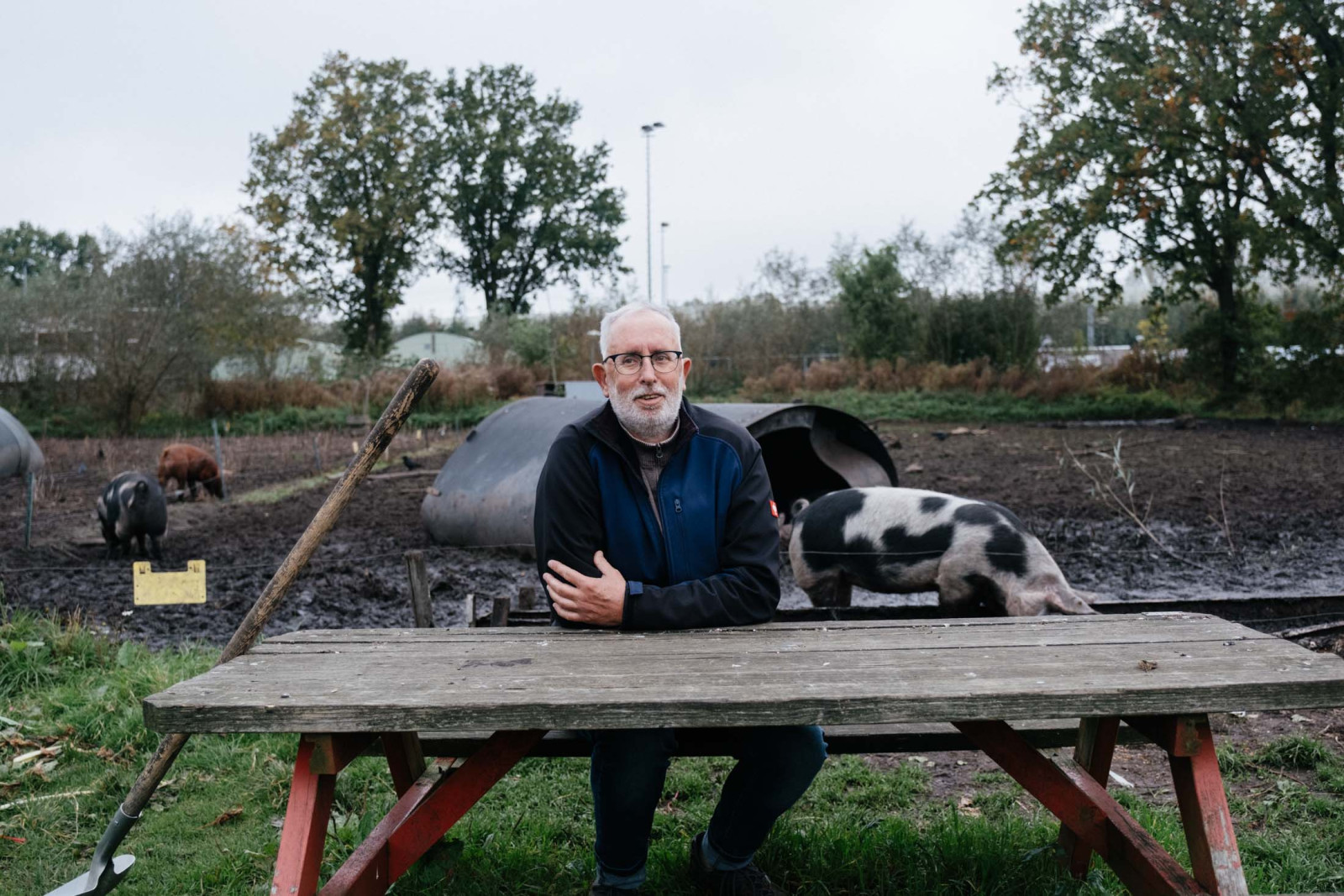
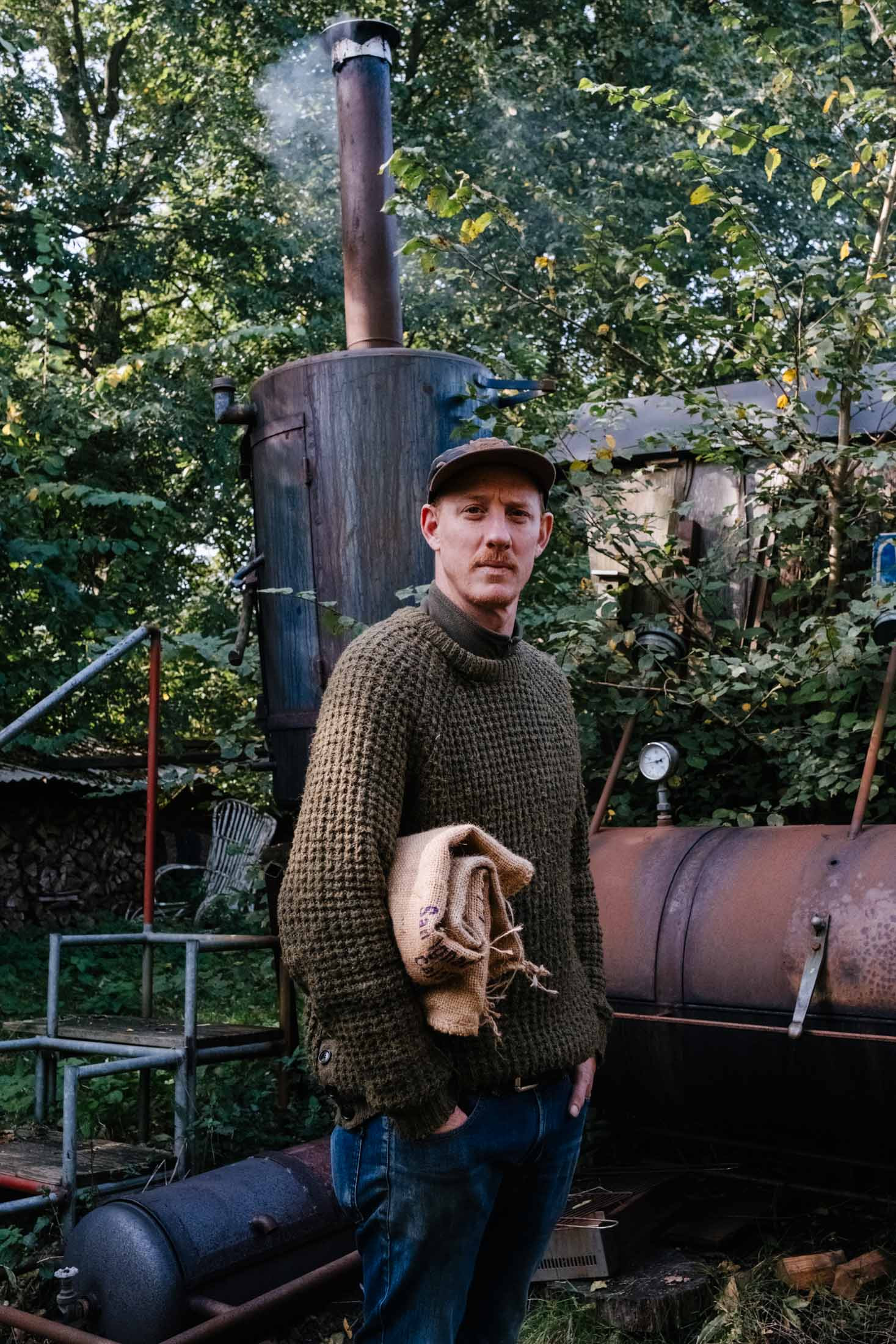
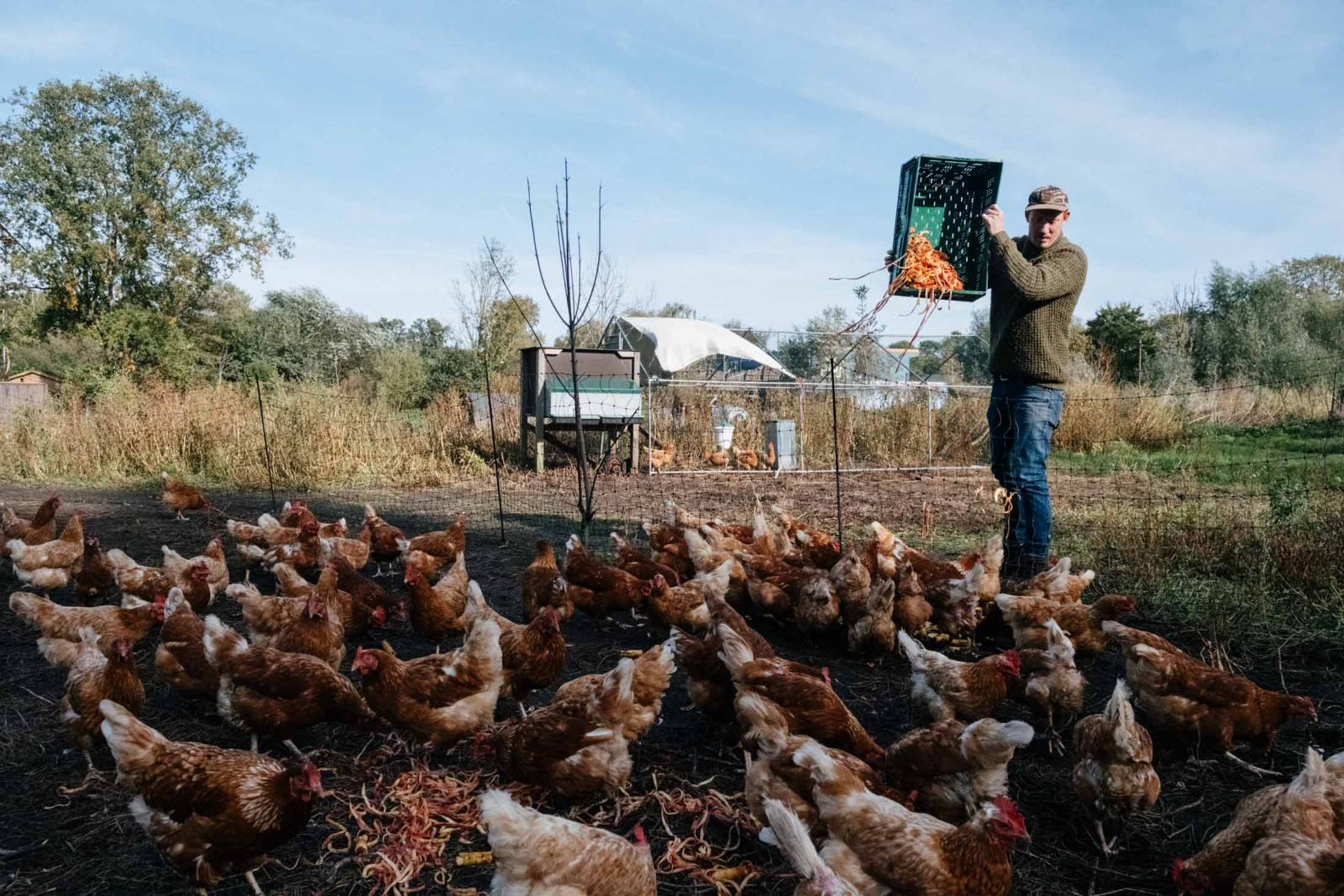
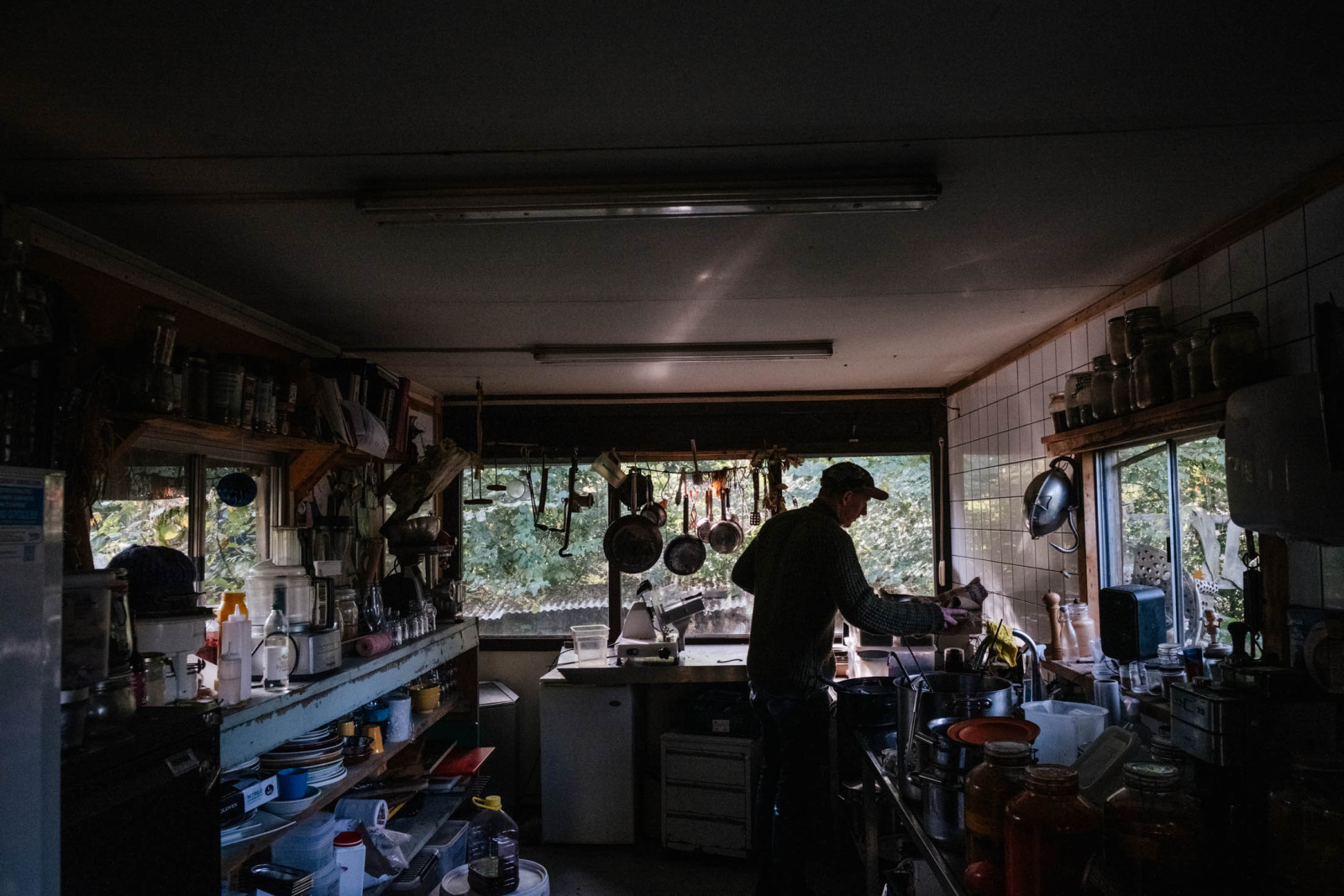
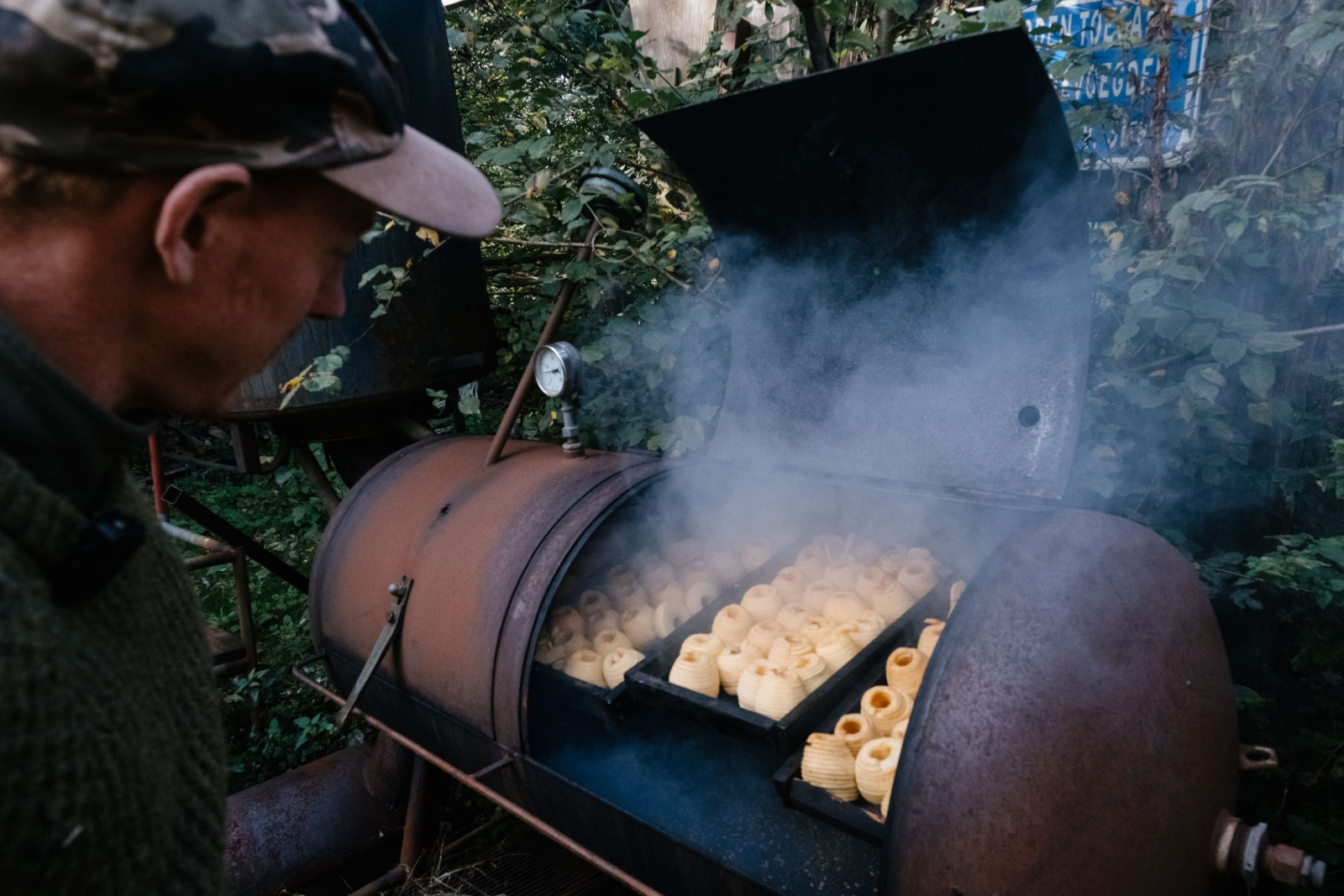
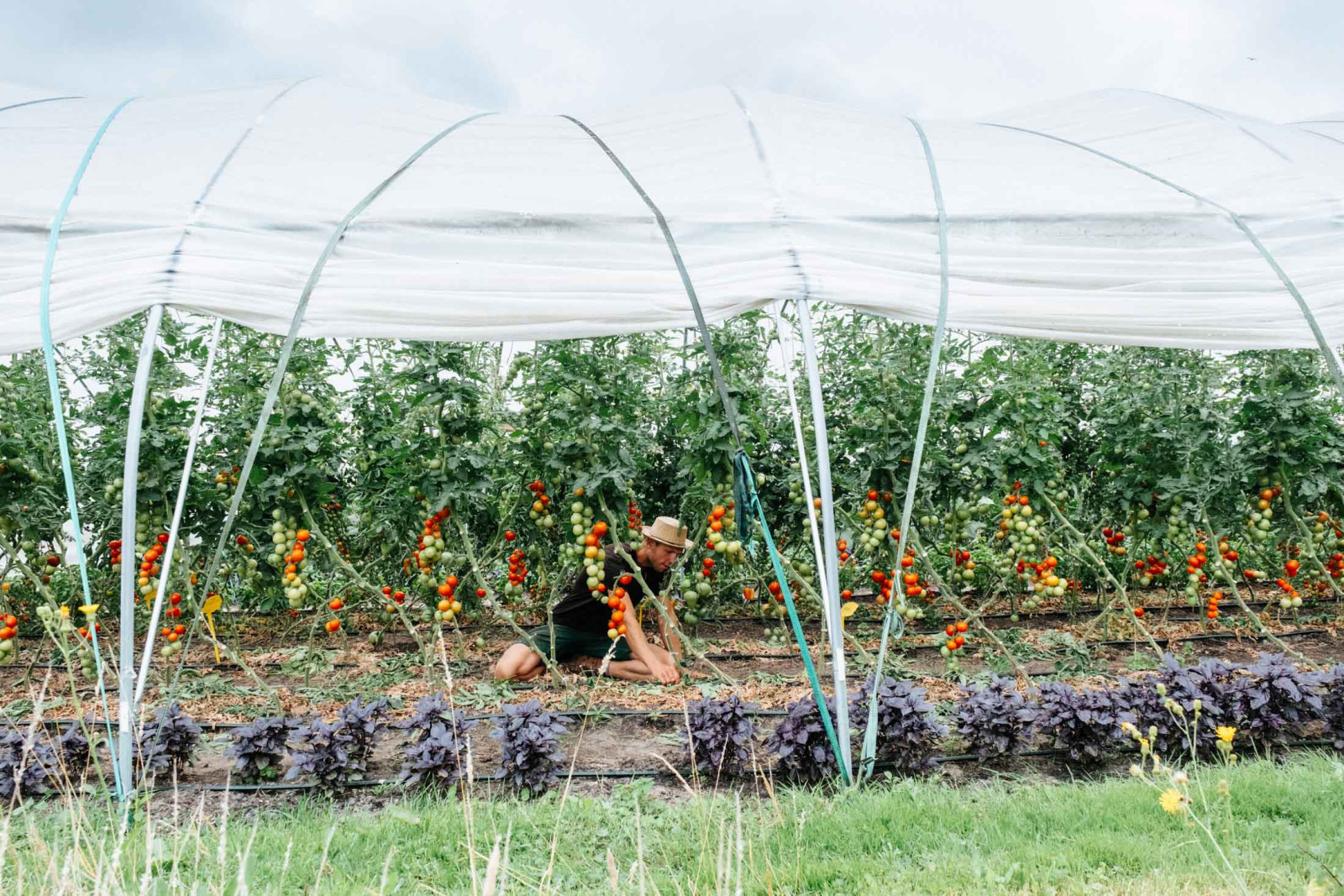
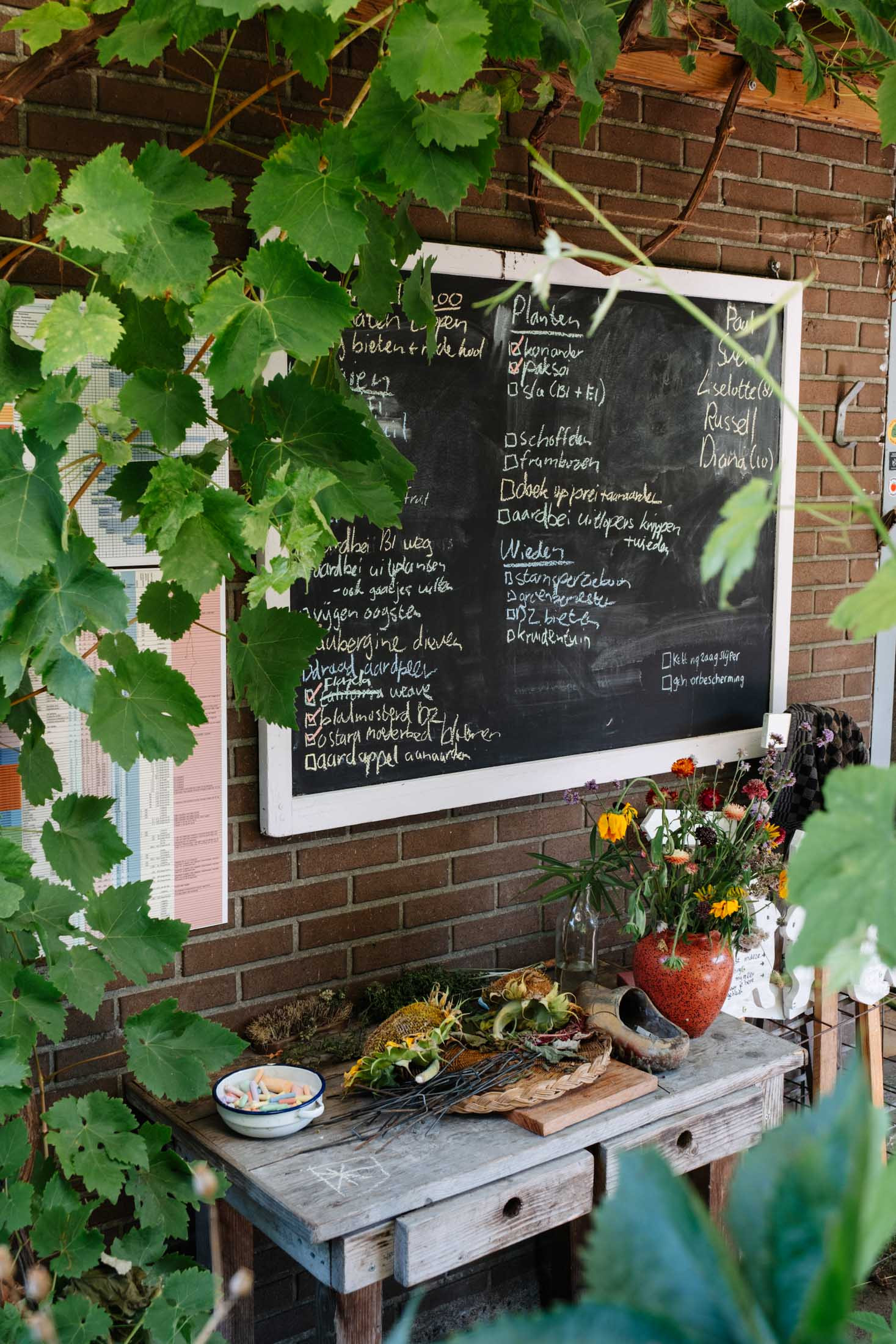
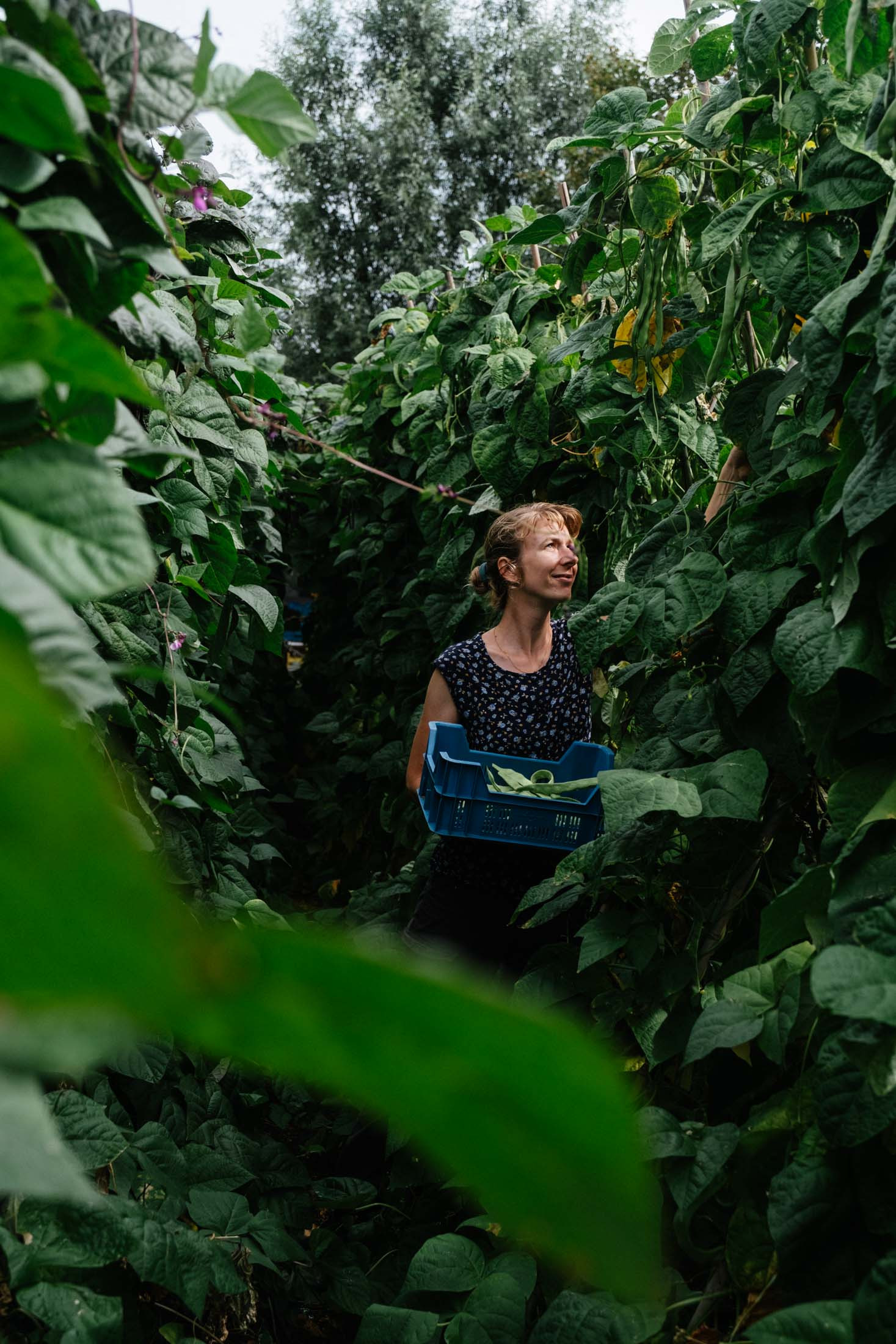
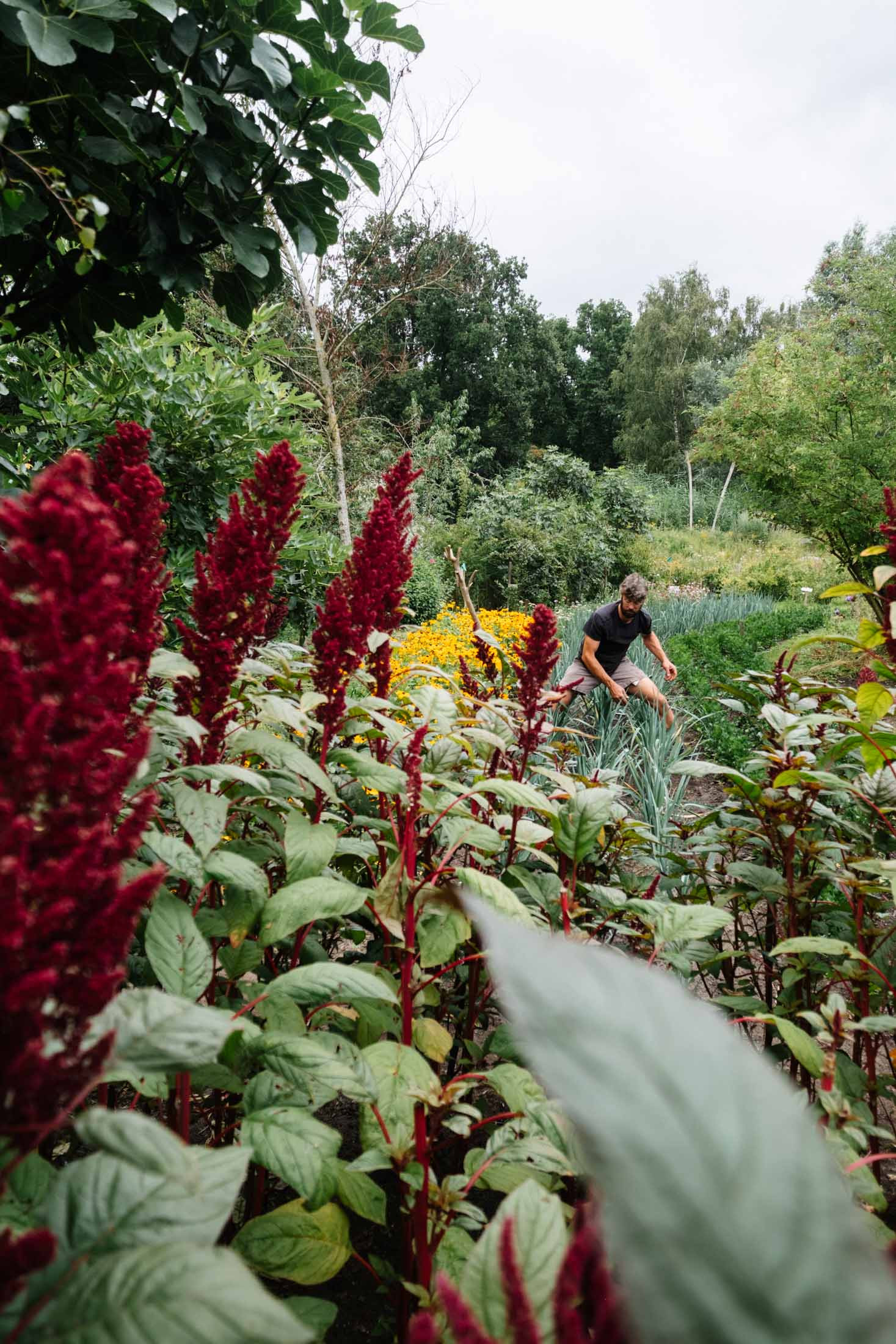
In 2014, the former sports fields between the A10 and the Tuindorp Oostzaan neighborhood were transformed by many hands into the urban farming project NoordOogst. It is a green paradise where vegetables are grown, bees are kept, mushrooms are cultivated, fish, meat, and vegetables are smoked, beer is brewed, and coffee is roasted. There is also a hotel, butterfly garden, nature playground, after-school care, a daycare center, and a vineyard. Pigs are raised on by-products from the brewery and vegetable garden, and guided tours and workshops are offered for both adults and children. Around the various organizations, a community has emerged of local residents and volunteers who can escape the city at NoordOogst, a place where sustainability and healthy, local food supply are put into practice.
Because this area once formed part of the floodplains of the IJ and later was filled with sand for sports fields, the soil is highly fertile and, unlike in many other parts of North, free of contamination. Around the various organizations, a community of local residents and volunteers has taken shape, who at NoordOogst can escape the city in a place where sustainability and healthy, local food production are put into practice. Residents themselves cultivate and maintain the crops at Stadstuinderij NoordOogst, giving them a direct view of where their food comes from.
NoordOogst’s lease officially runs until the end of 2026, and the municipality has indicated that the land must be cleared to make way for new sports fields. Current users see alternative possibilities for this, including more efficient use of the nearby, already existing sports fields, but so far the municipality has stood firm. Since it will likely take some time to finalize the redevelopment plans, there is a chance of an extension. However, there is no long-term perspective.
Interview met Sven Burger en Roel Sluitman (Stadstuinderij NoordOogst), Nicole Schuil en Rogier Becker (Amsterdam Farm Lodge), Niels Muller (Rookt), Chris Bondam (Tuintje van Adam).
13:19
Since: 2014 / Address: Meteorenweg 272 / Function: urban farming project with a wide variety of functions / Perspective: uncertain after 2025
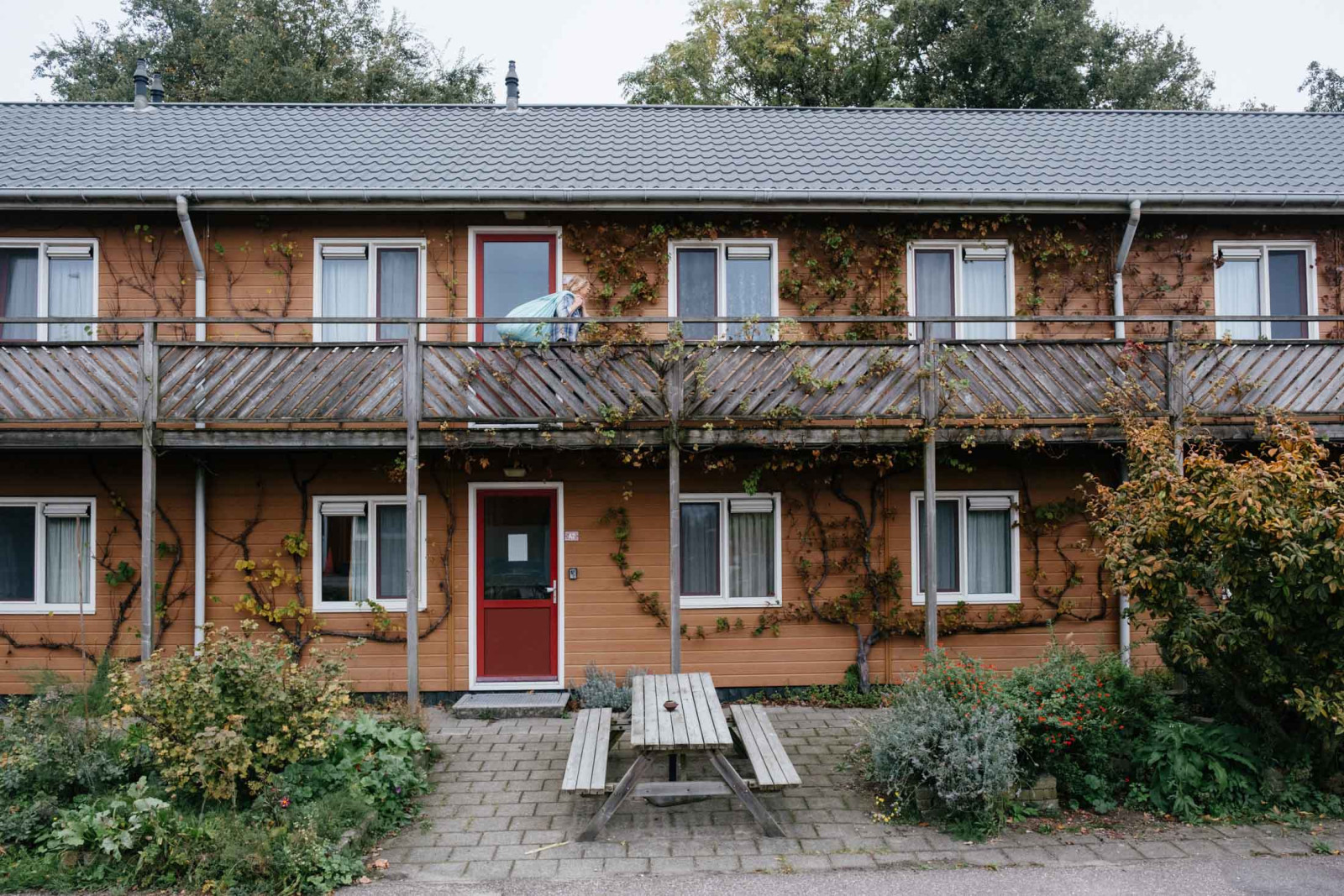
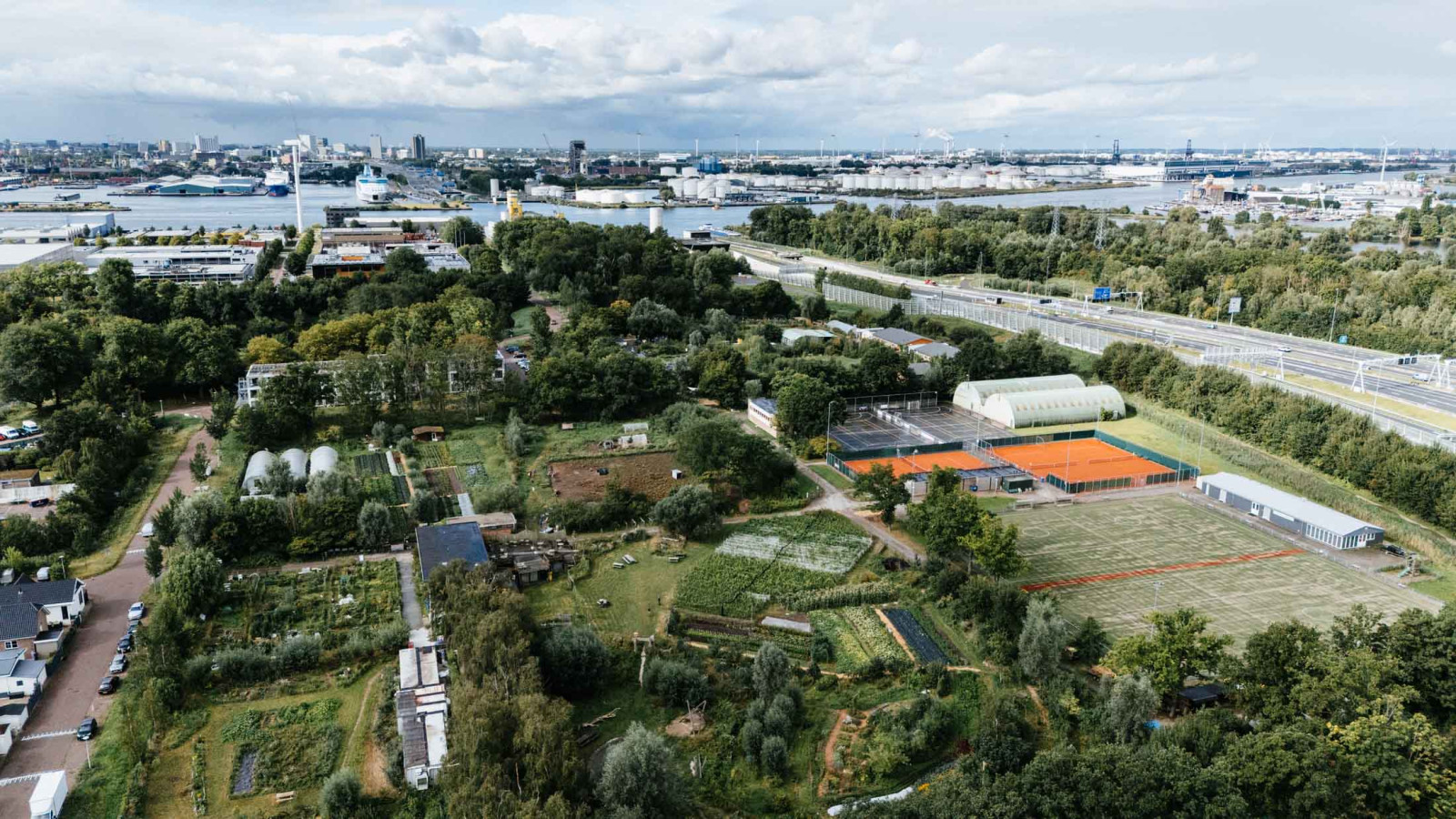
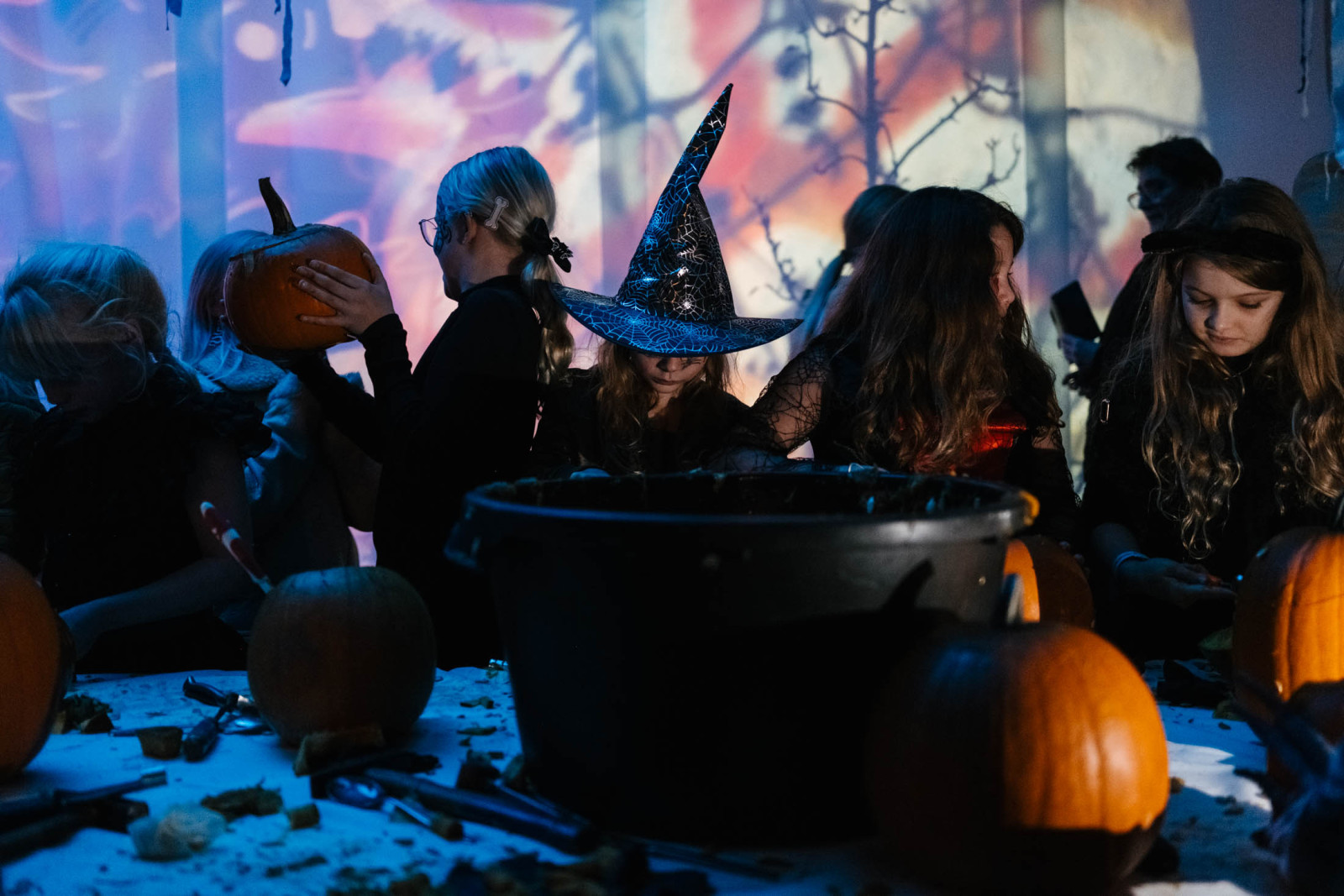
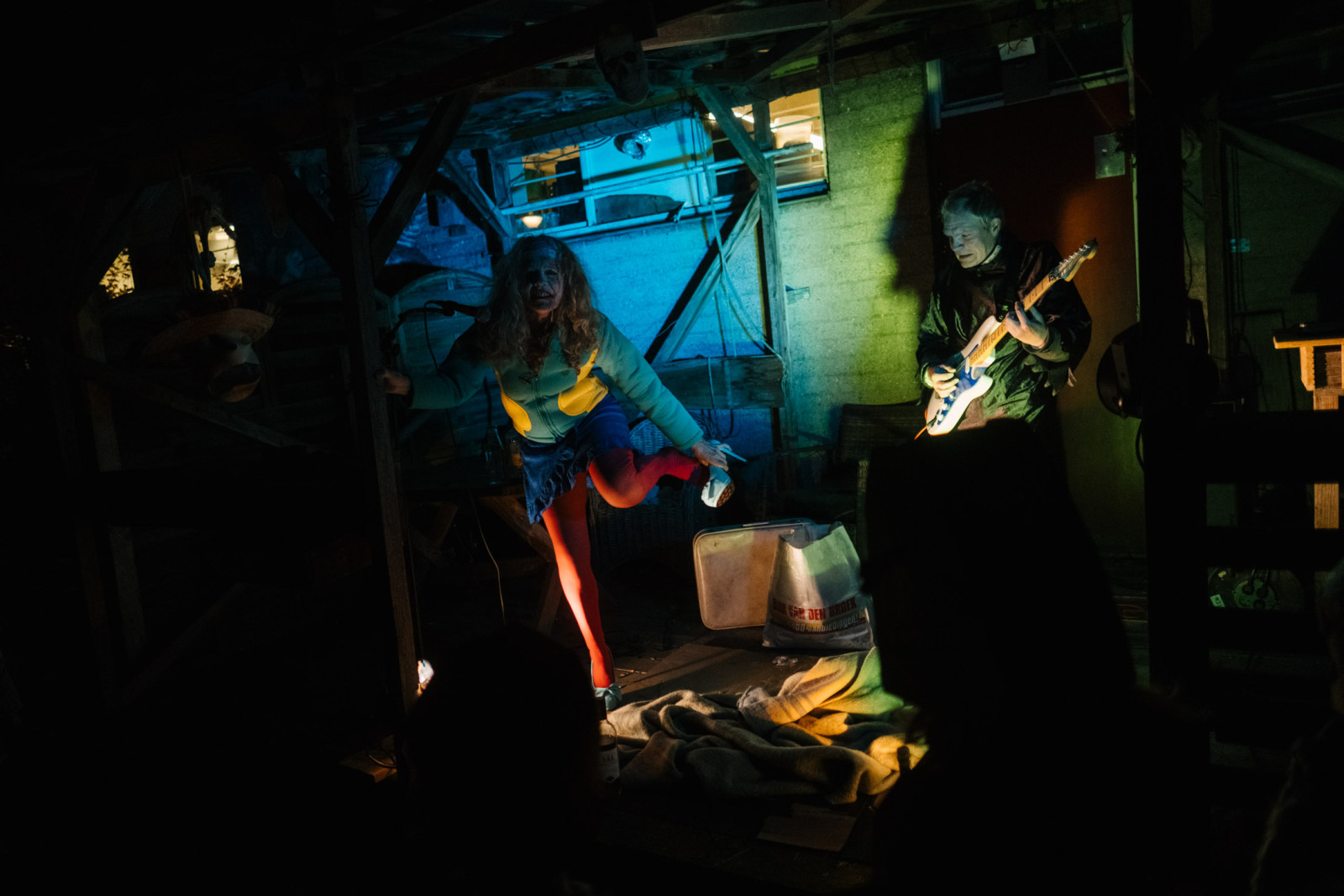
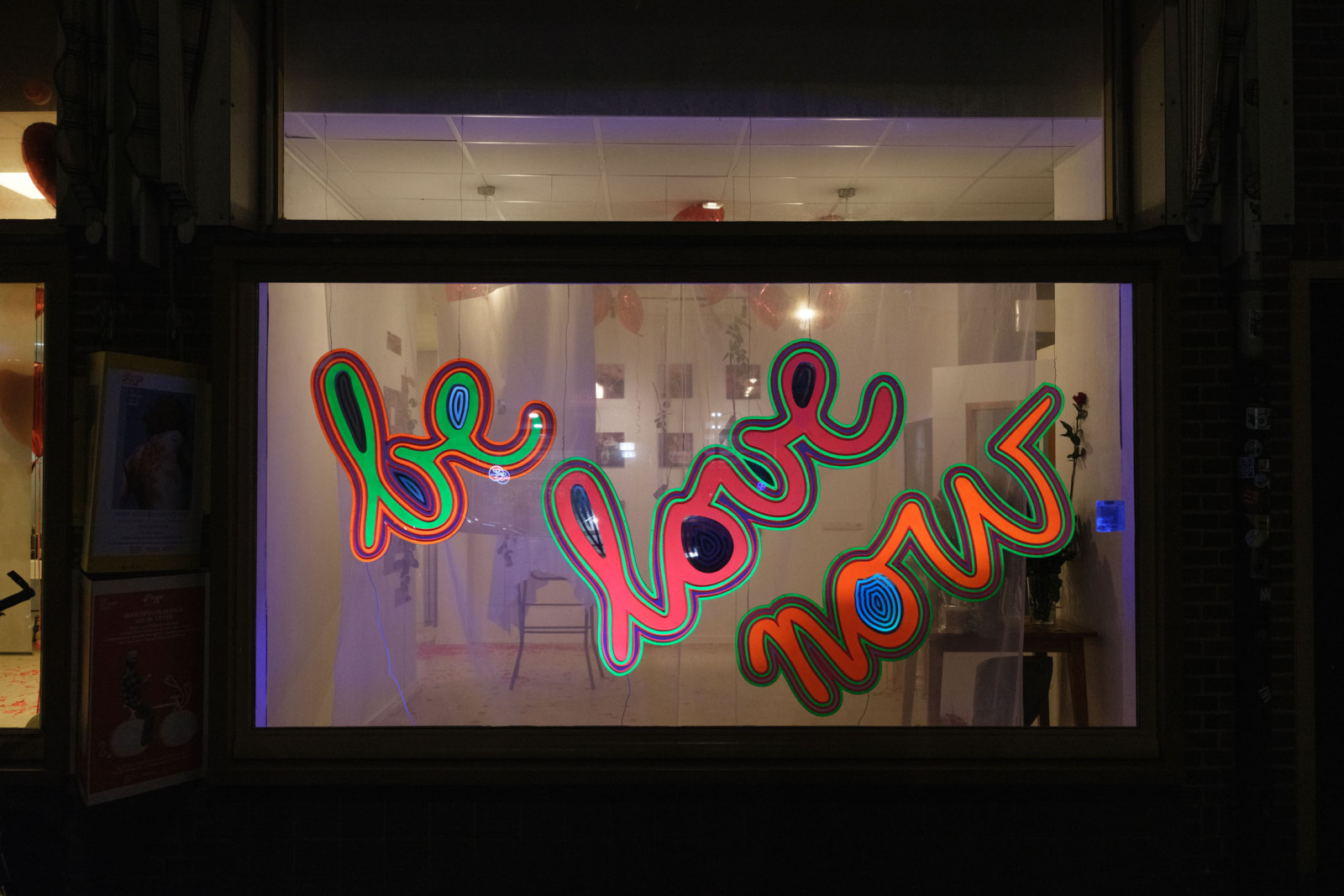
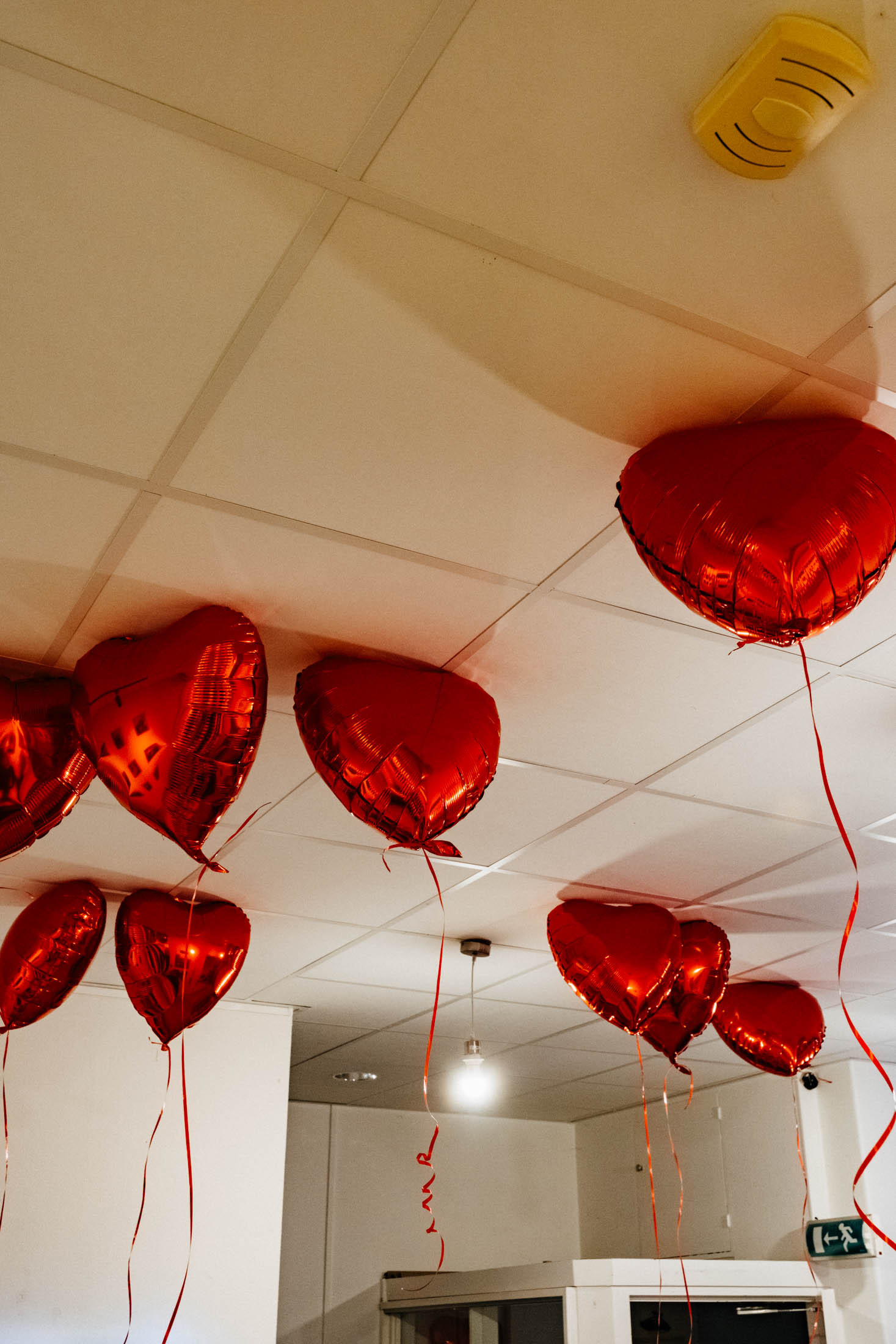
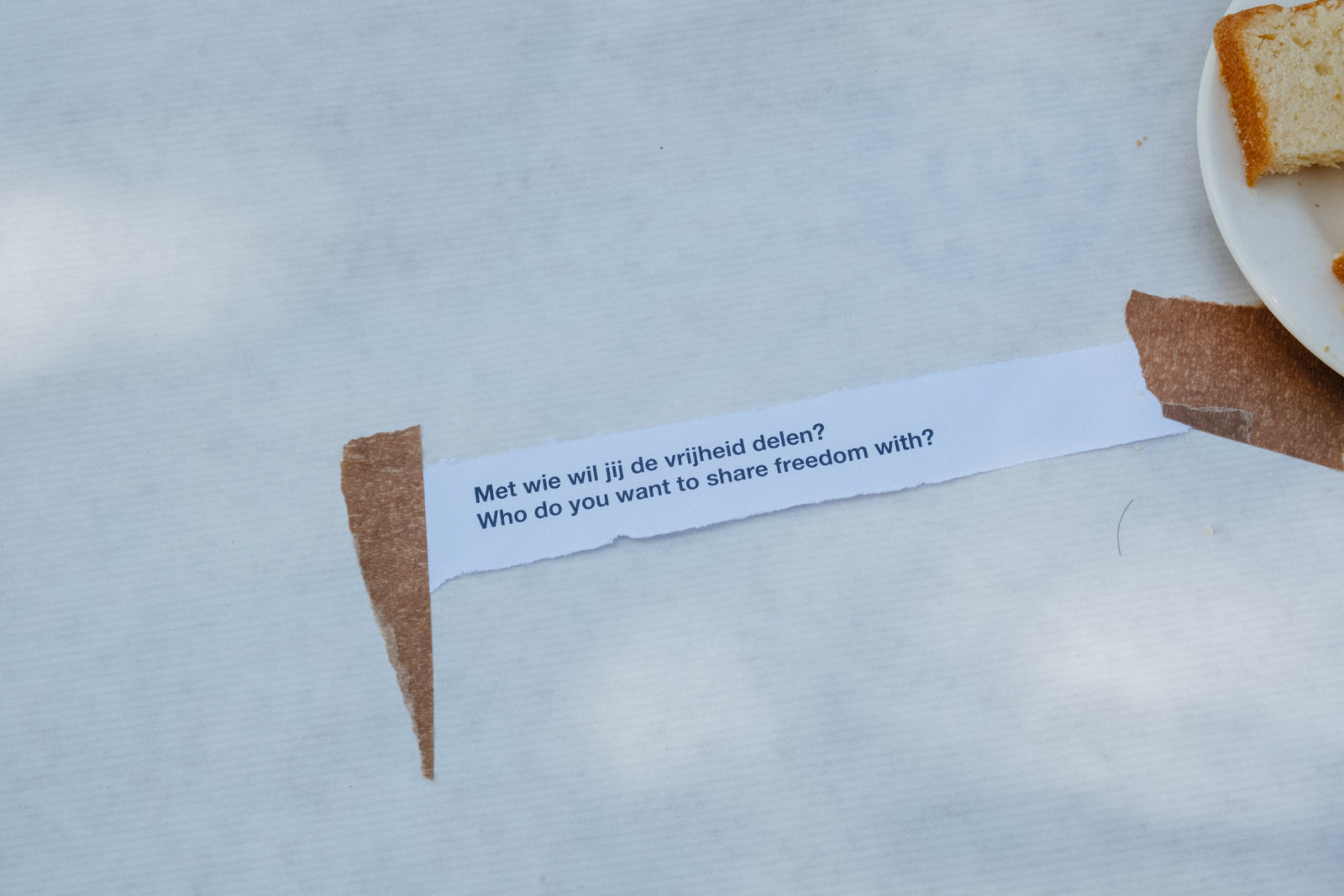
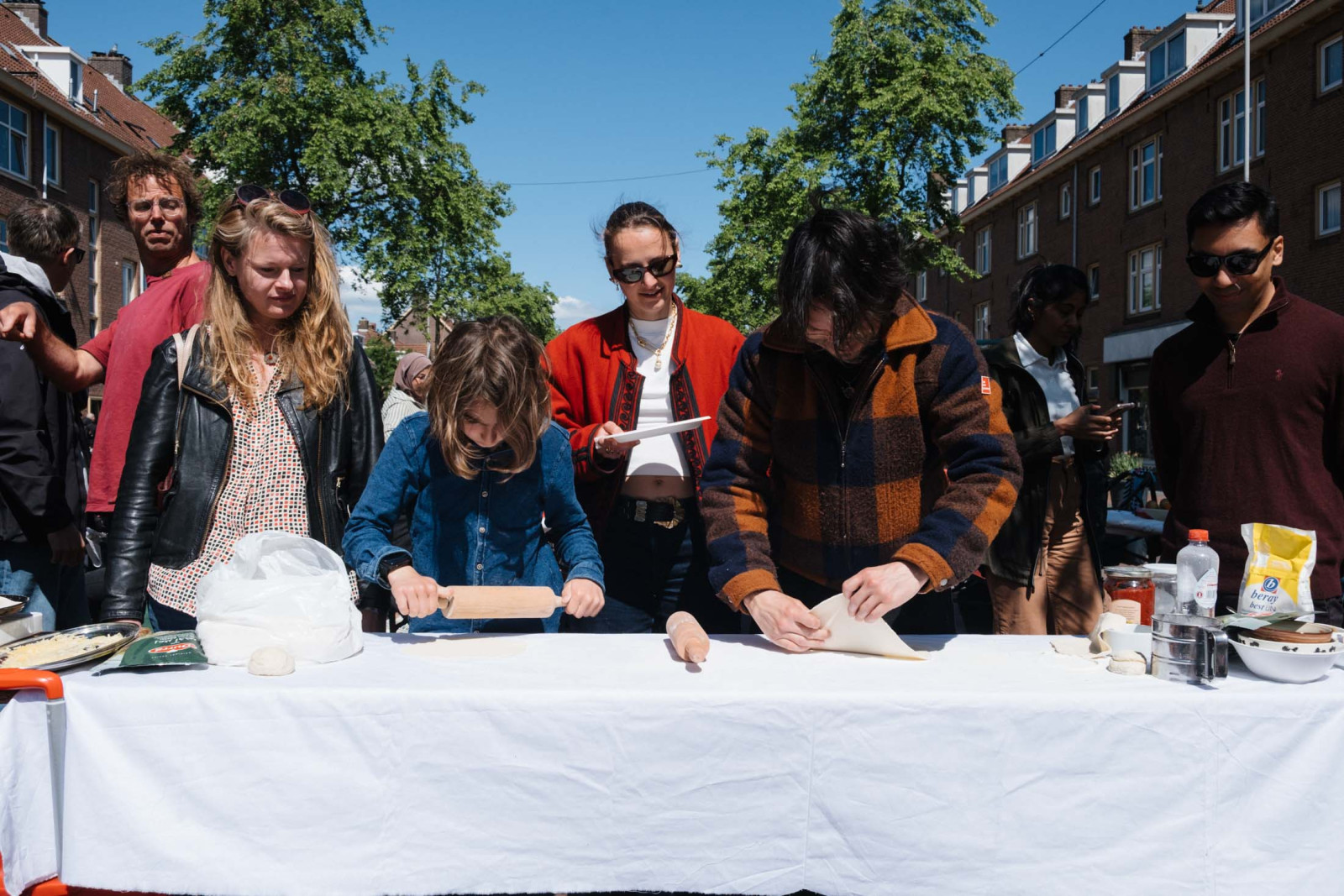
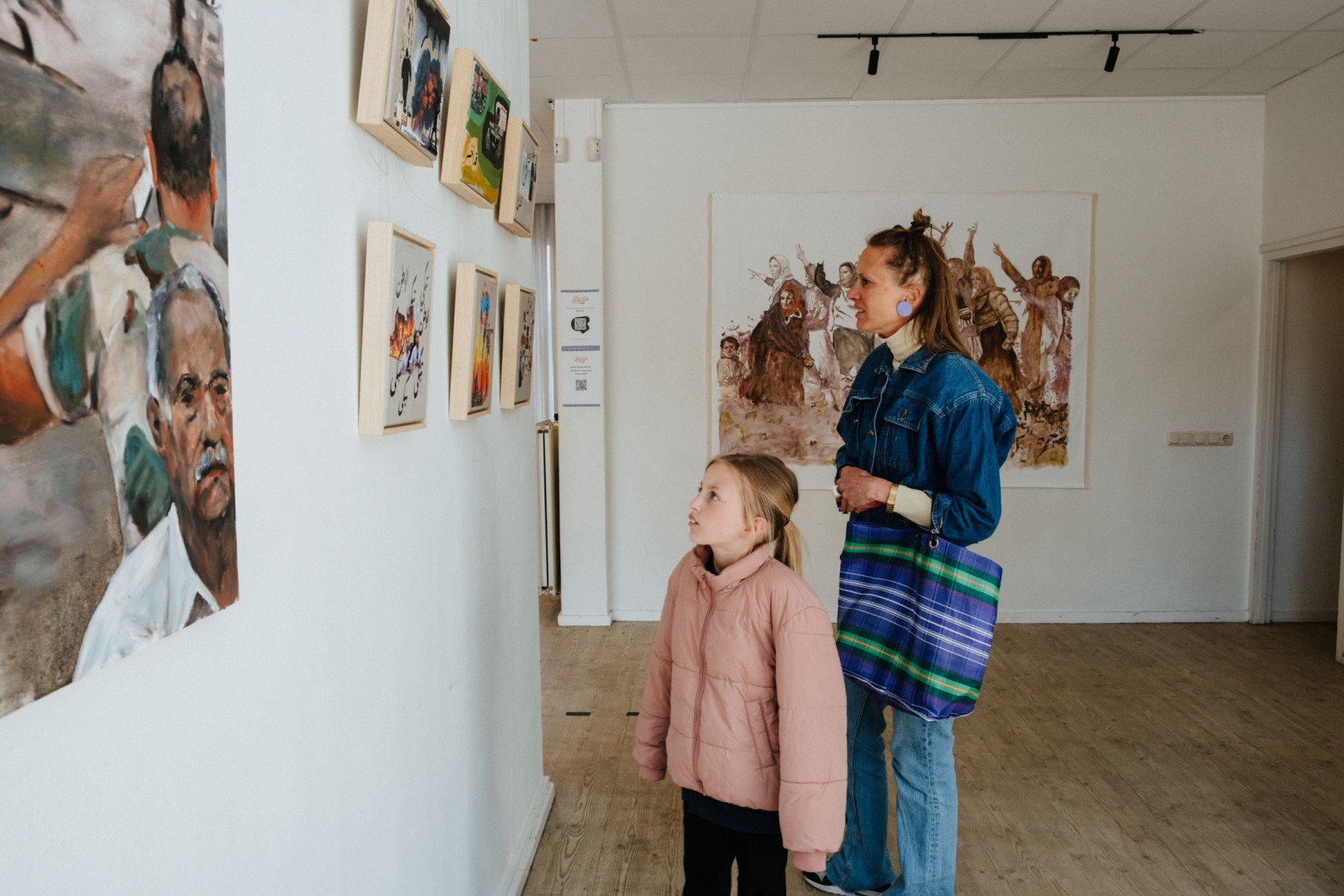
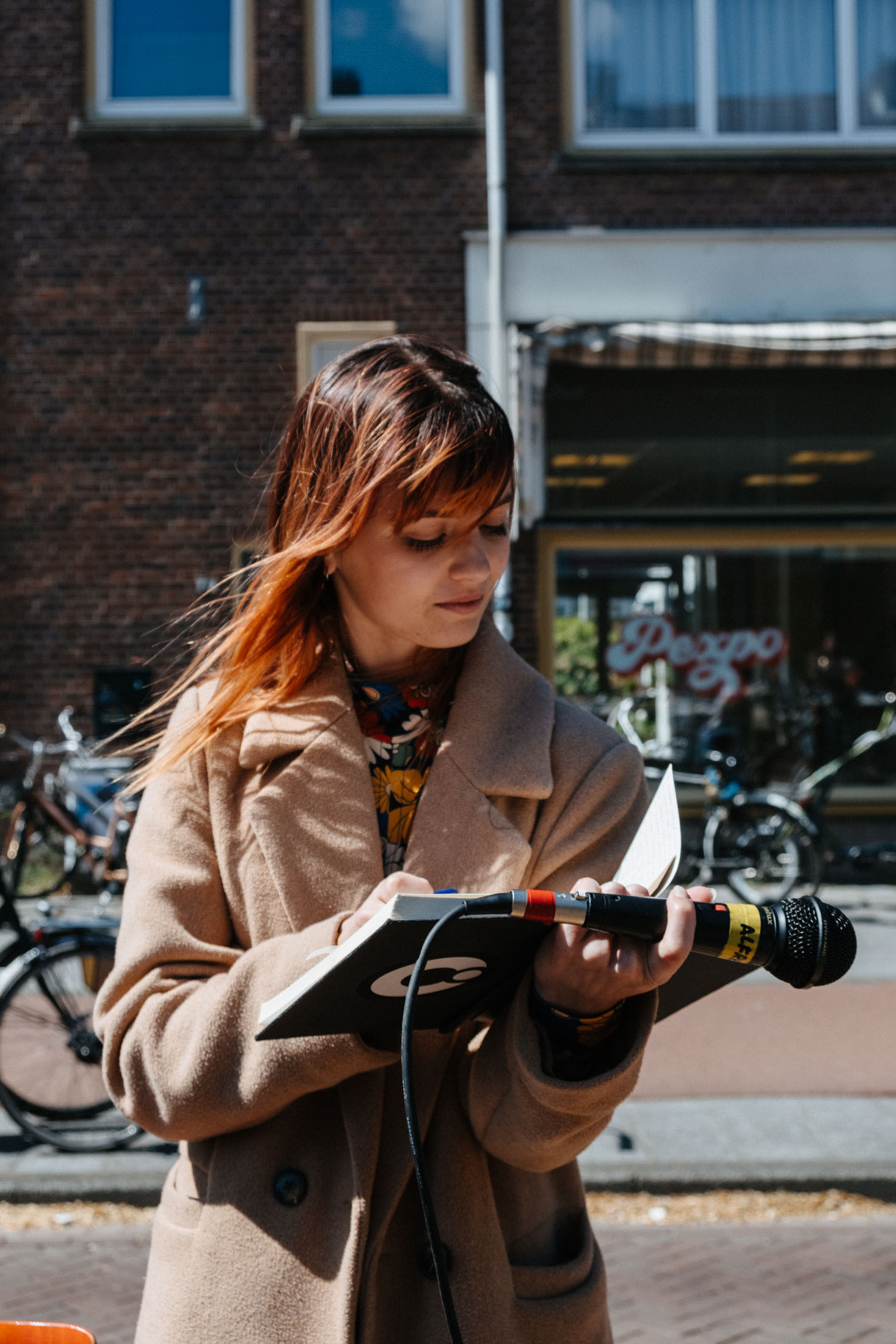
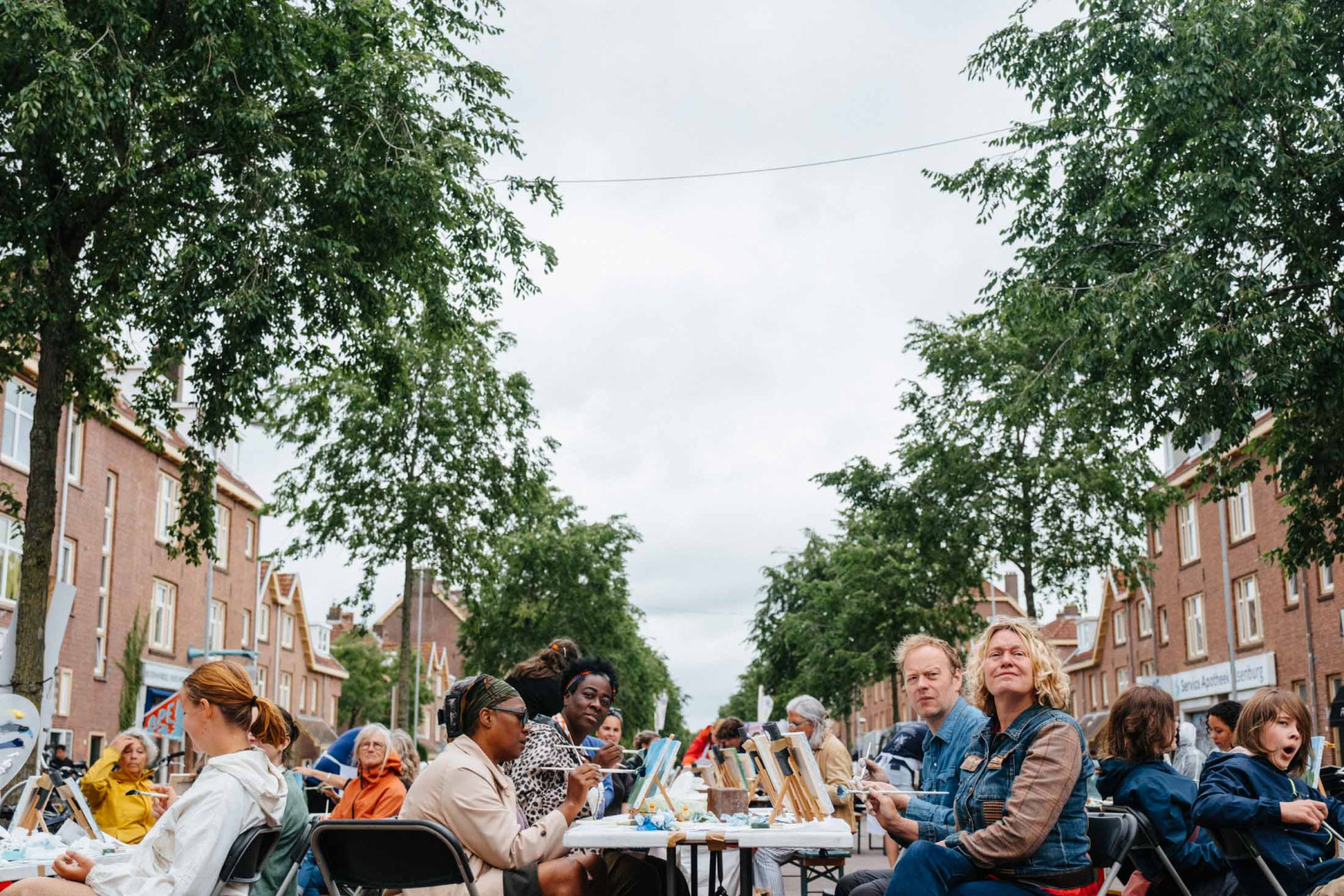
In a former bank building halfway down the Van der Pekstraat, you’ll find the friendliest exhibition space in Amsterdam North. Alongside works by seasoned professional artists, the gallery also showcases art by creative outsiders, local residents, art students, and other emerging makers. There are also workshops and events such as the International Soup Festival, during which the central part of the Van der Pekstraat is transformed into a lively public living room.
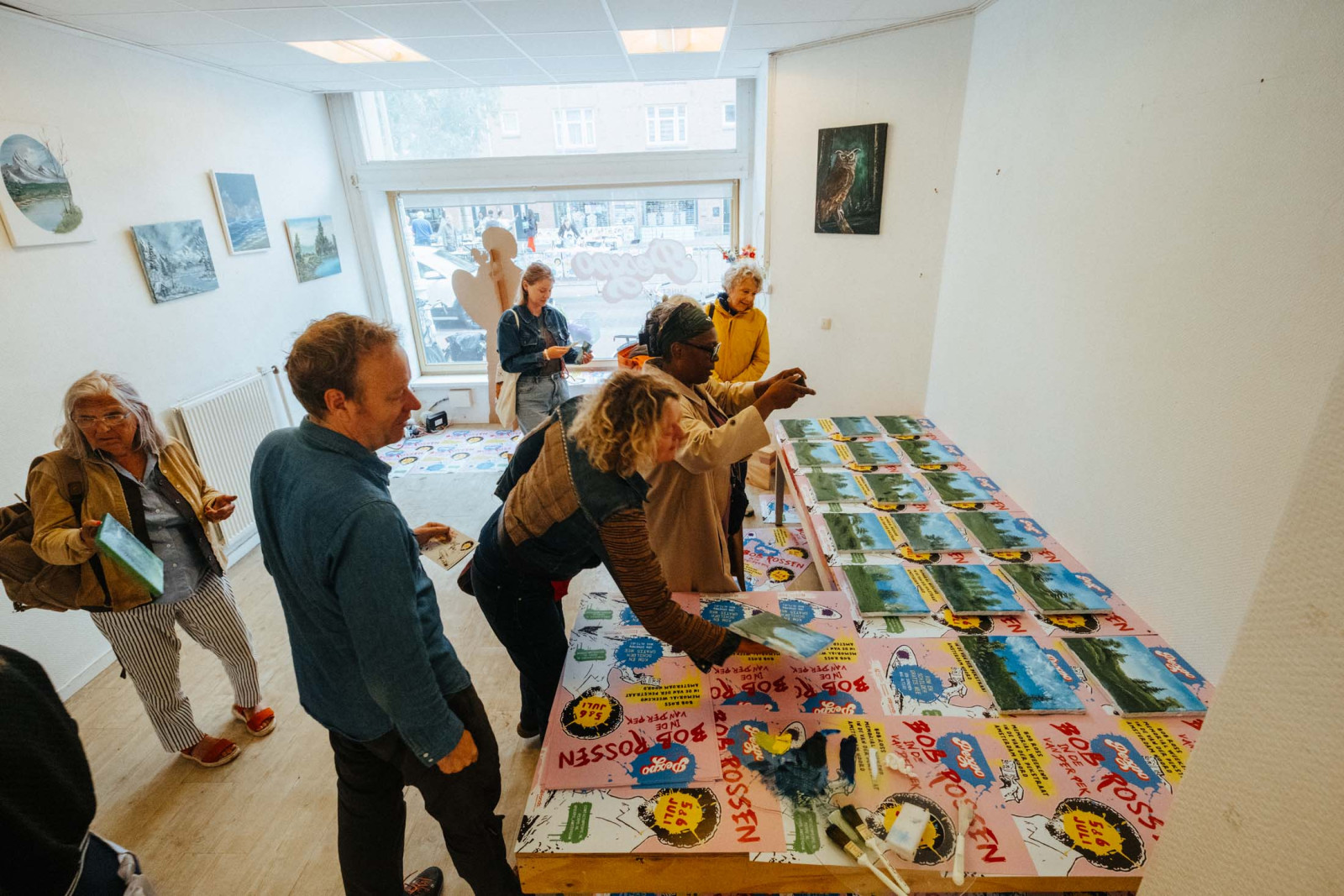
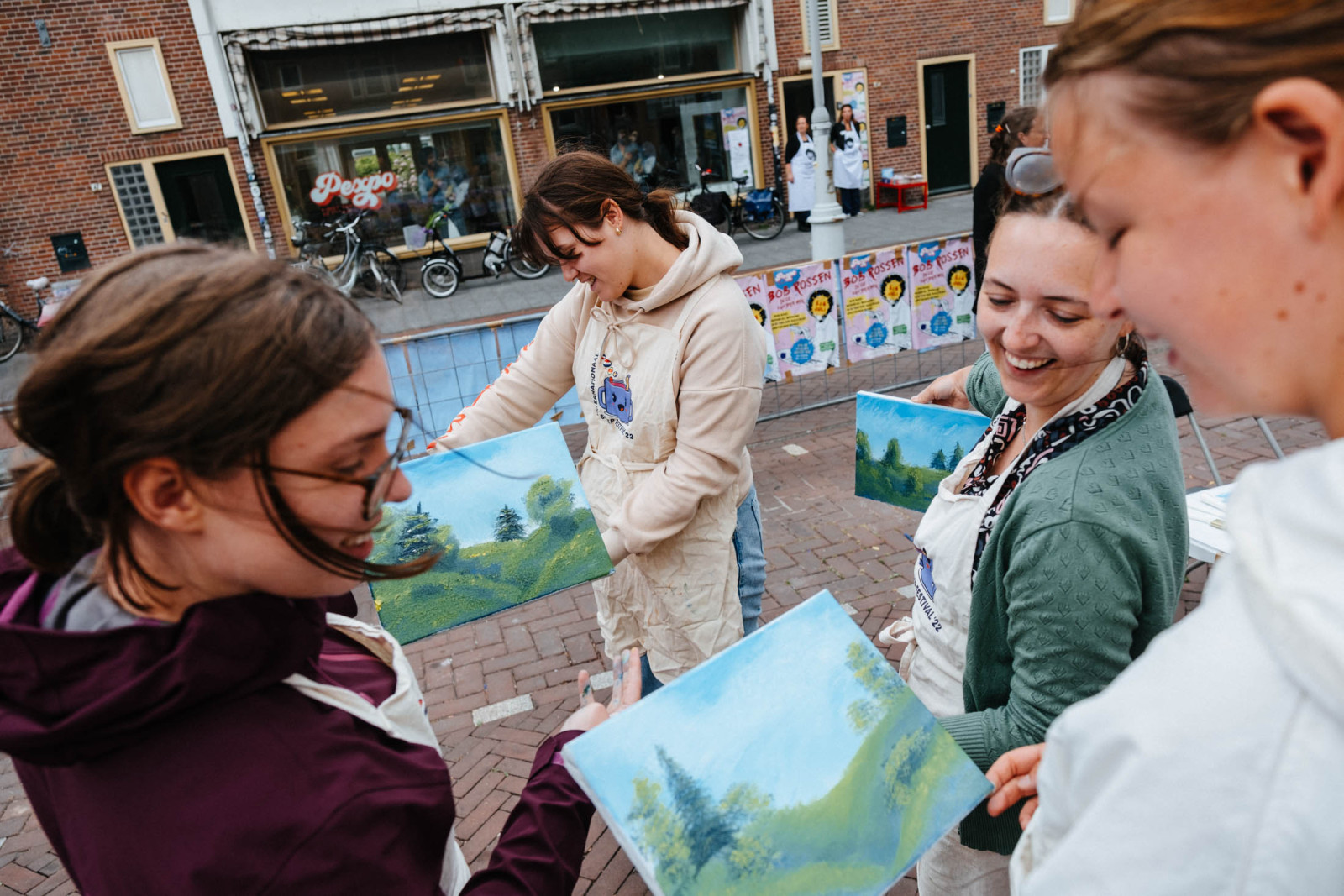
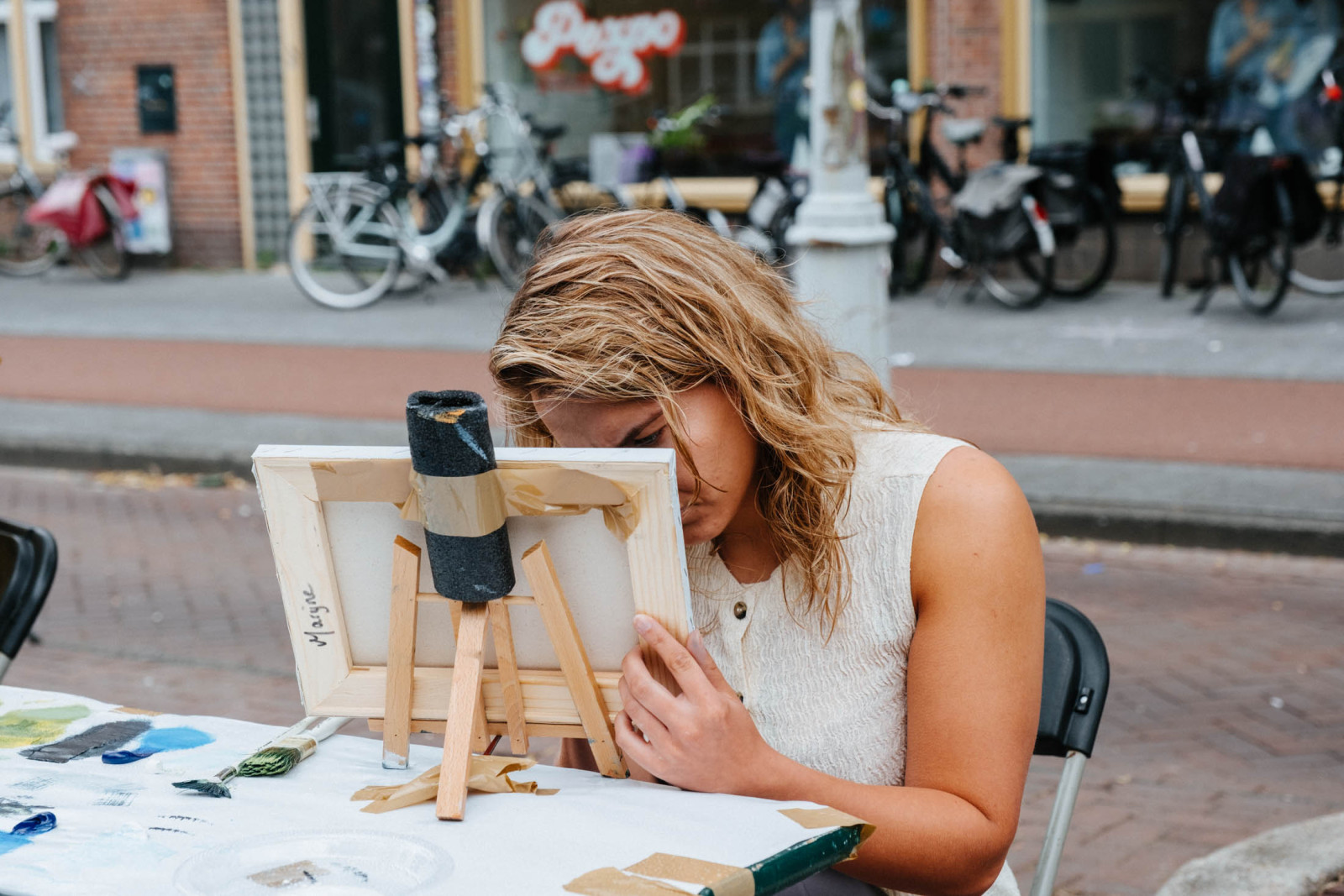
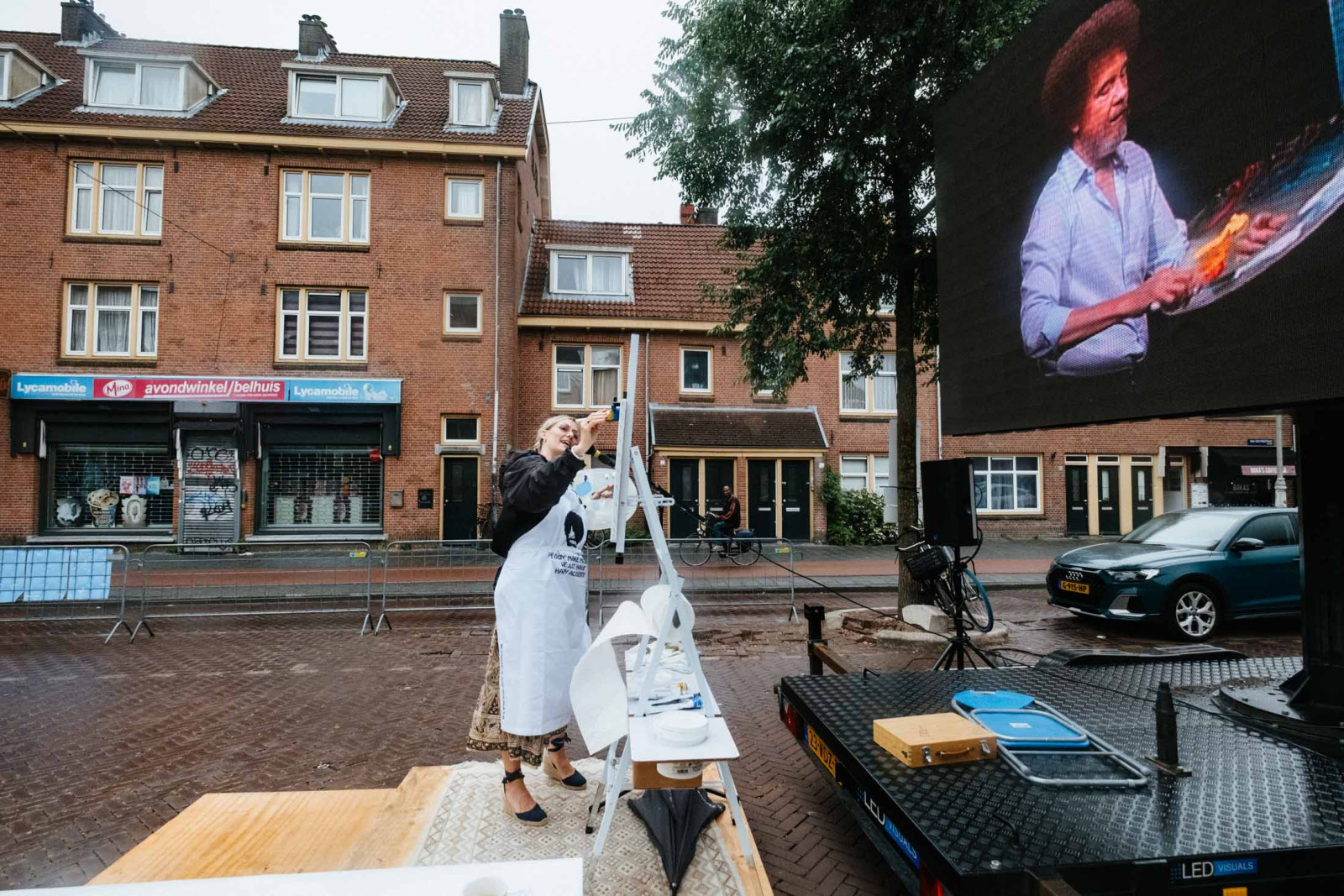
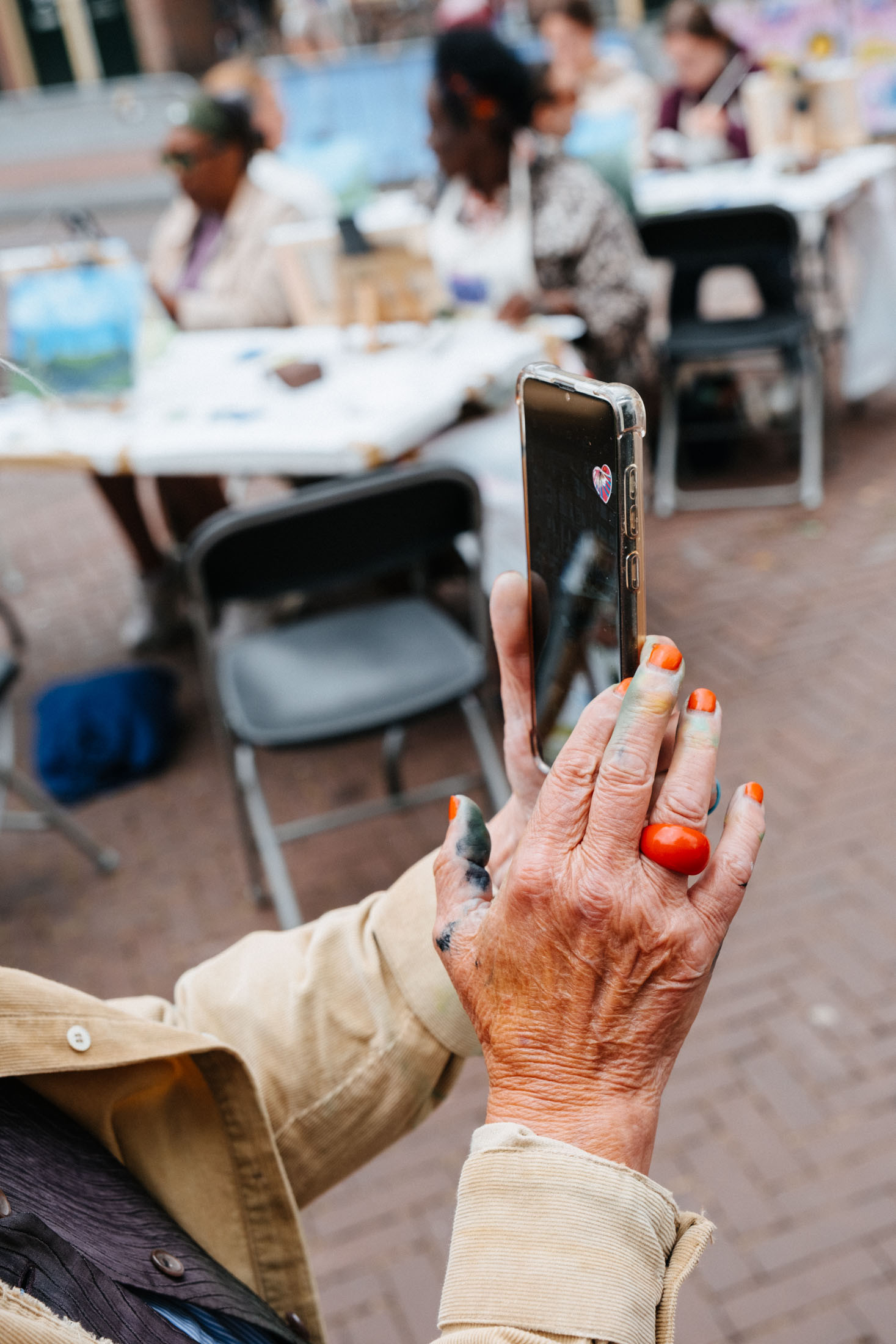
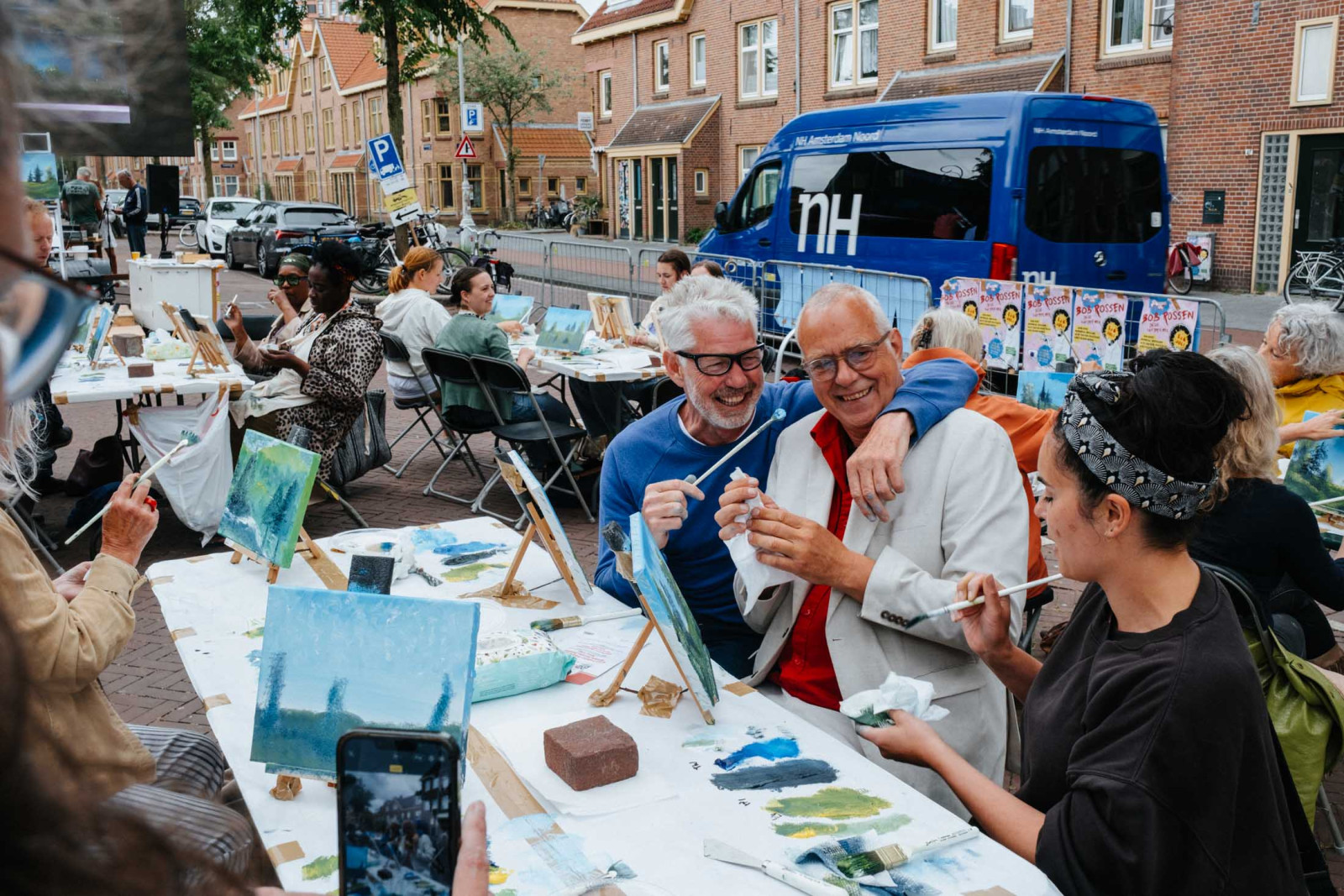
The artists at Pexpo have a close connection to Amsterdam North, and the exhibitions revolve around themes that resonate with everyone. The paintings in the solo exhibition of self-taught artist Ginio Elstak (Blakka Tarra), for example, were snapshots of small, everyday moments. They felt familiar and intimate because they reflected Ginio’s perspective, yet larger than life through his energetic and expressive use of color. At Bob Rossen in Van der Pek, the space was filled with paintings created by residents during two Bob Ross workshops. There’s an artist in everyone, and at Pexpo you get the chance to discover it. The art itself is placed in the spotlight, but just as important is creating opportunities for encounters and sparking creativity among as many different people as possible.
Pexpo was founded in 2022 by Vincent Jobse, a marketing expert and born-and-raised Northerner, out of a desire for places in the Van der Pek neighborhood where residents can come together. Since the building will serve as a temporary shop during the renovation of Van der Pekstraat, Pexpo will unfortunately have to move out by the end of this year. At the moment, there is no concrete prospect of a new location.
Interview met initiatiefnemer en directeur Vincent Jobse.
21:40
Since: 2022 / Address: Van der Pekstraat 47-49 / Function: exhibition space for the neighborhood / Perspective: no location after December 2025
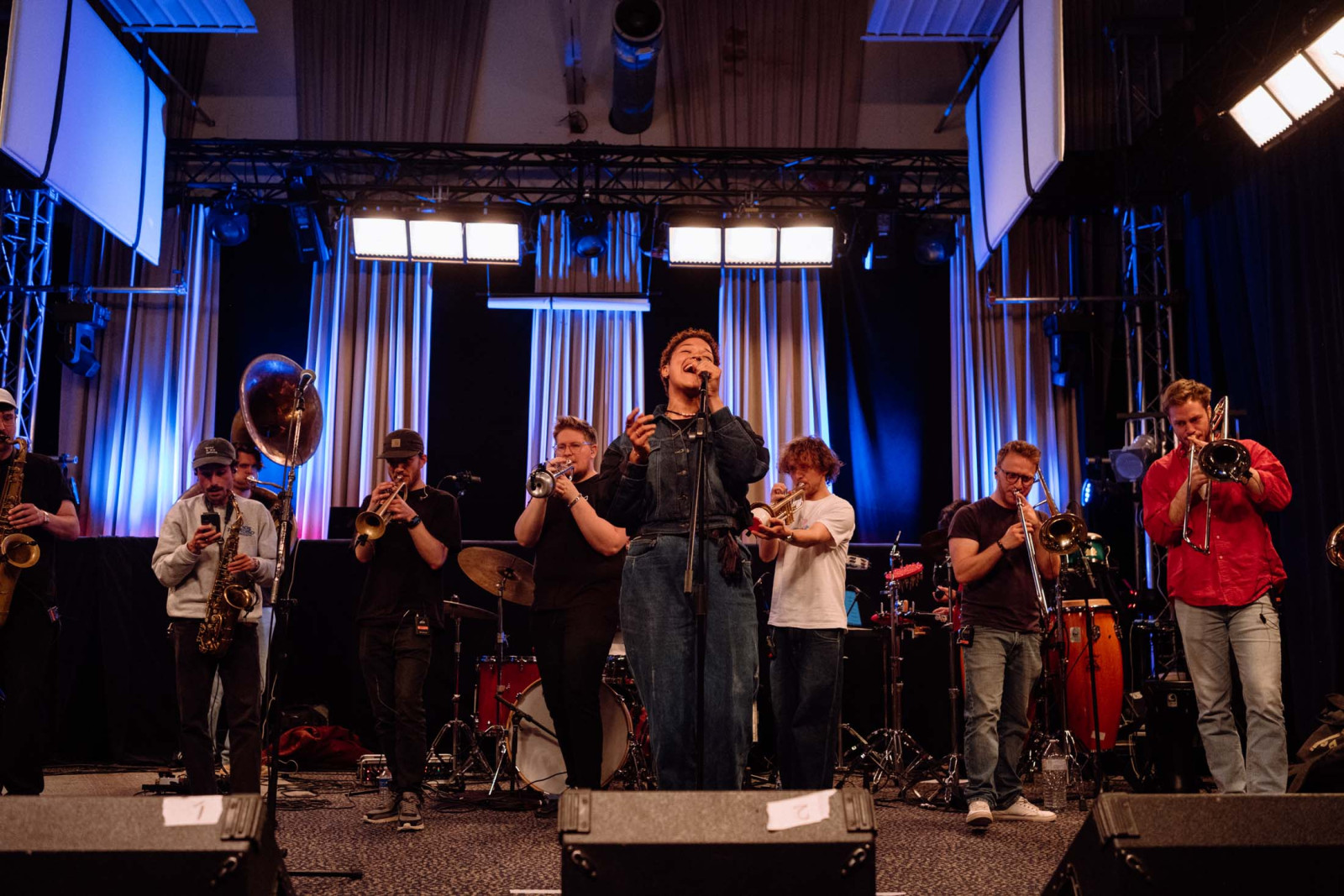
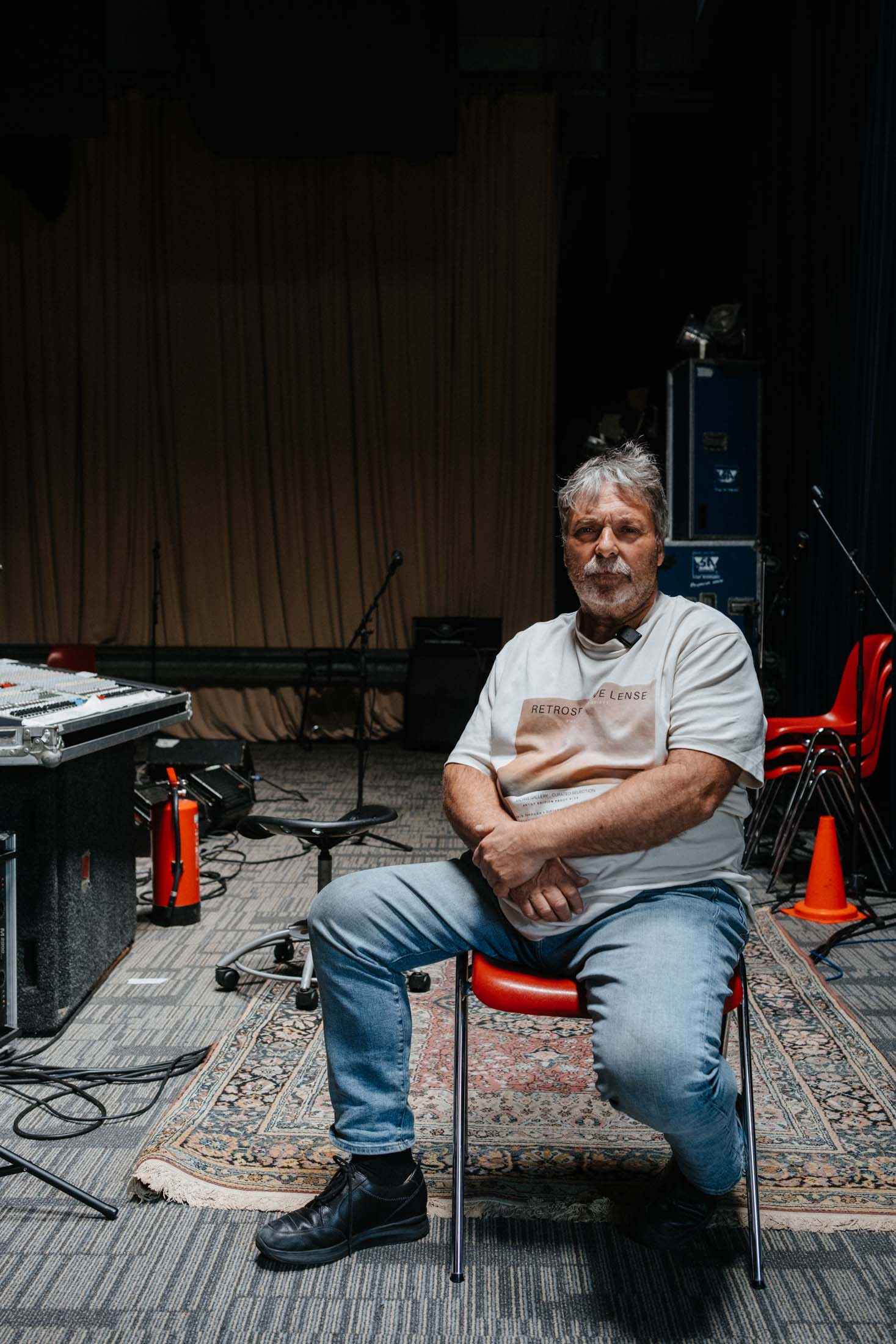
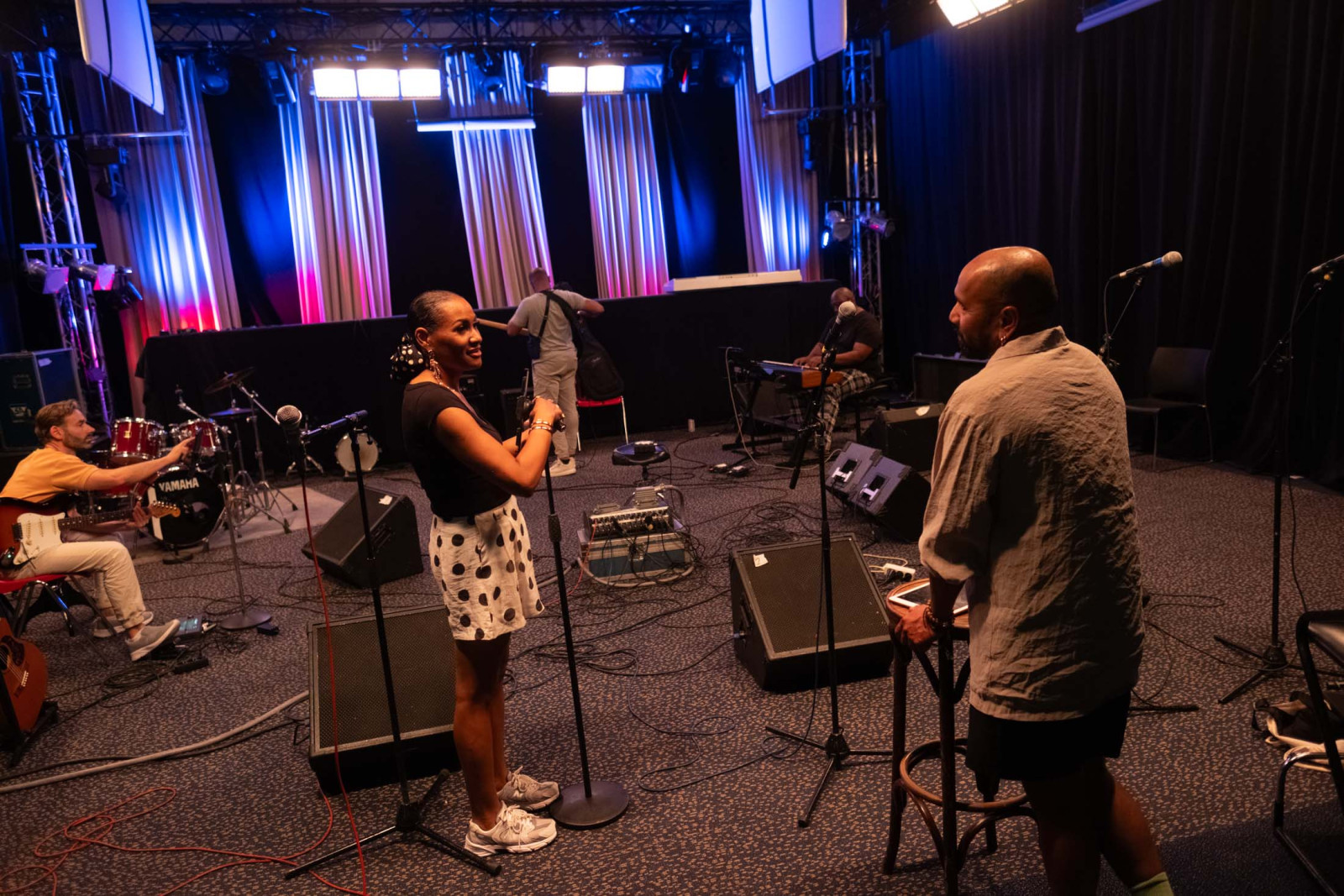
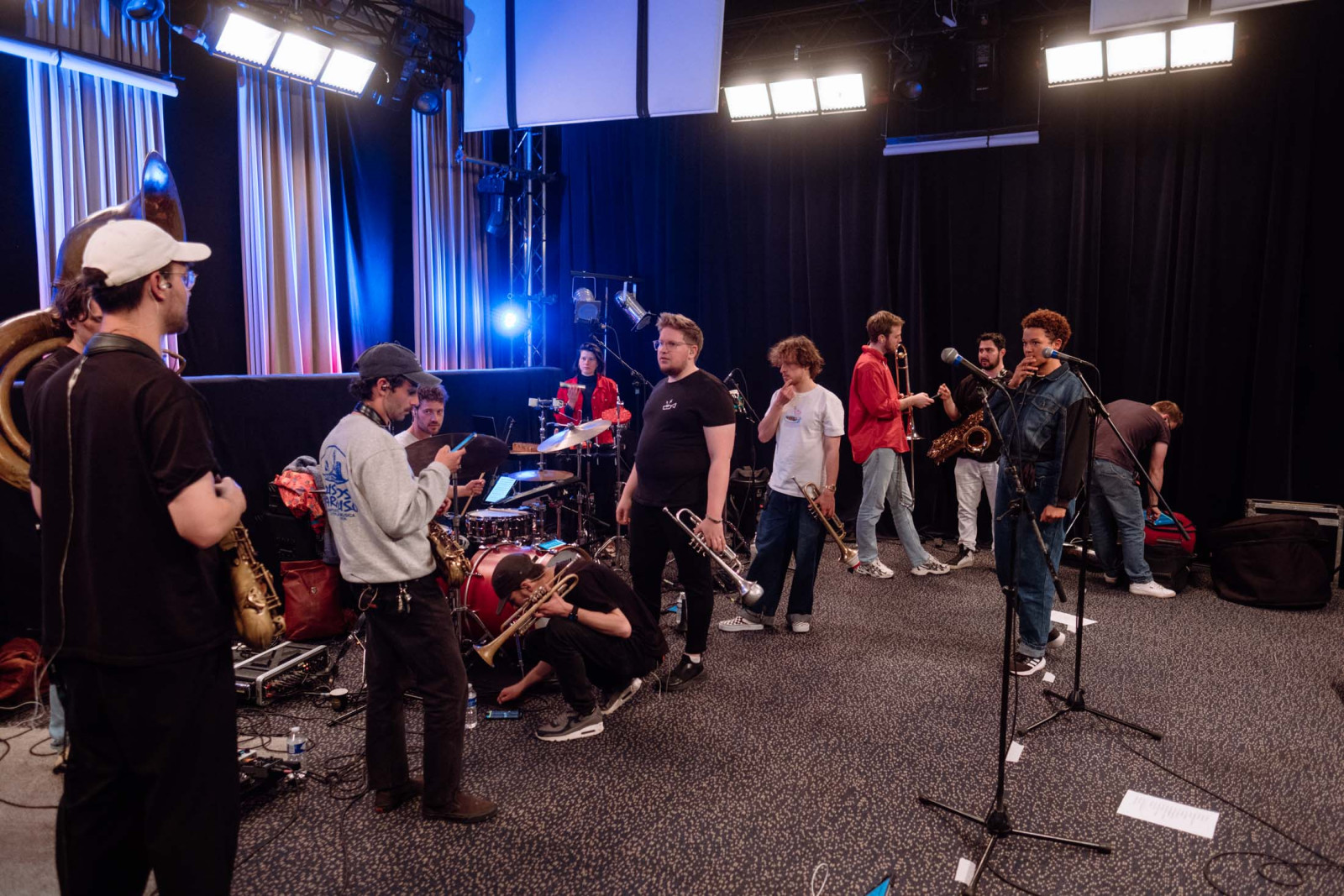
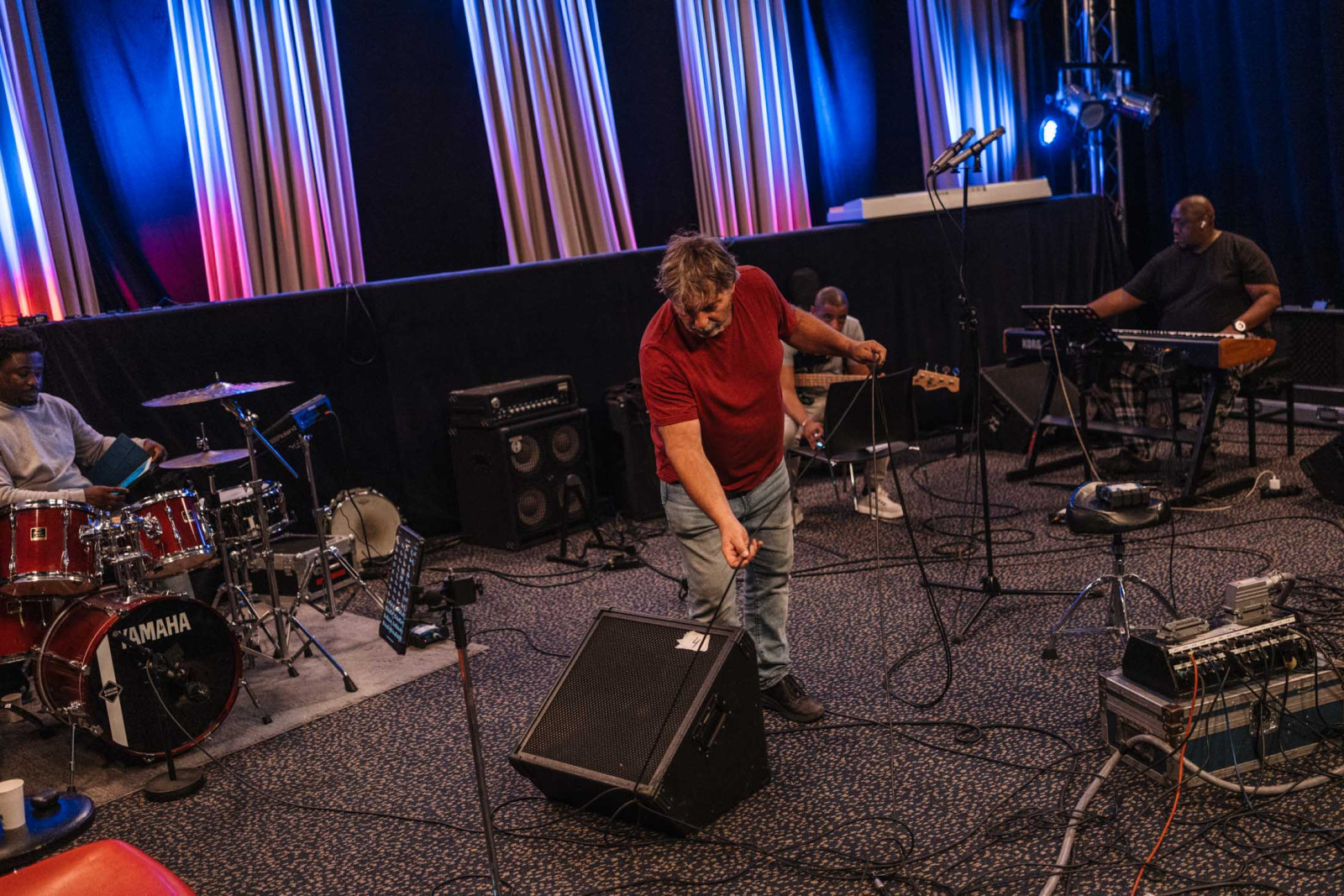
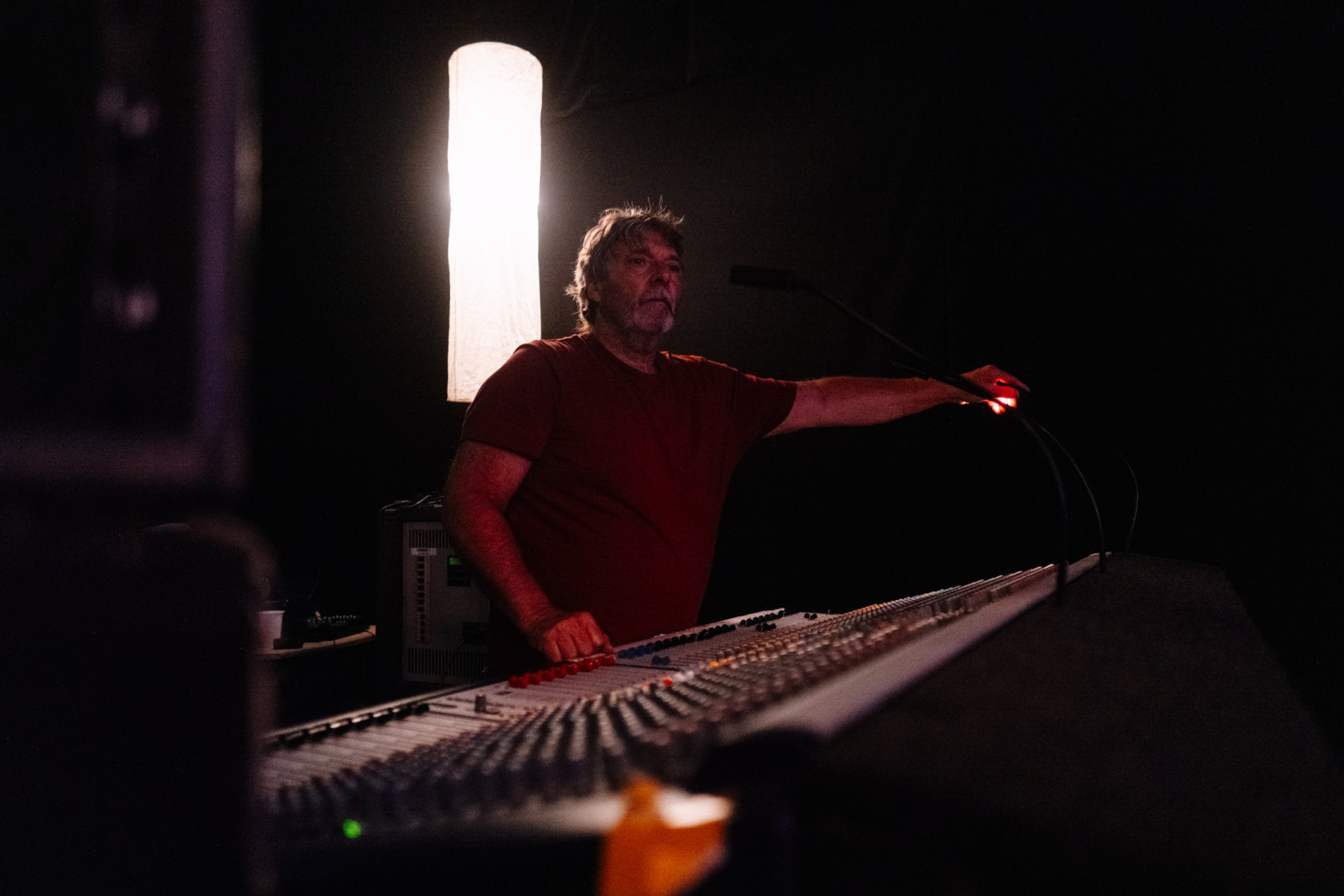
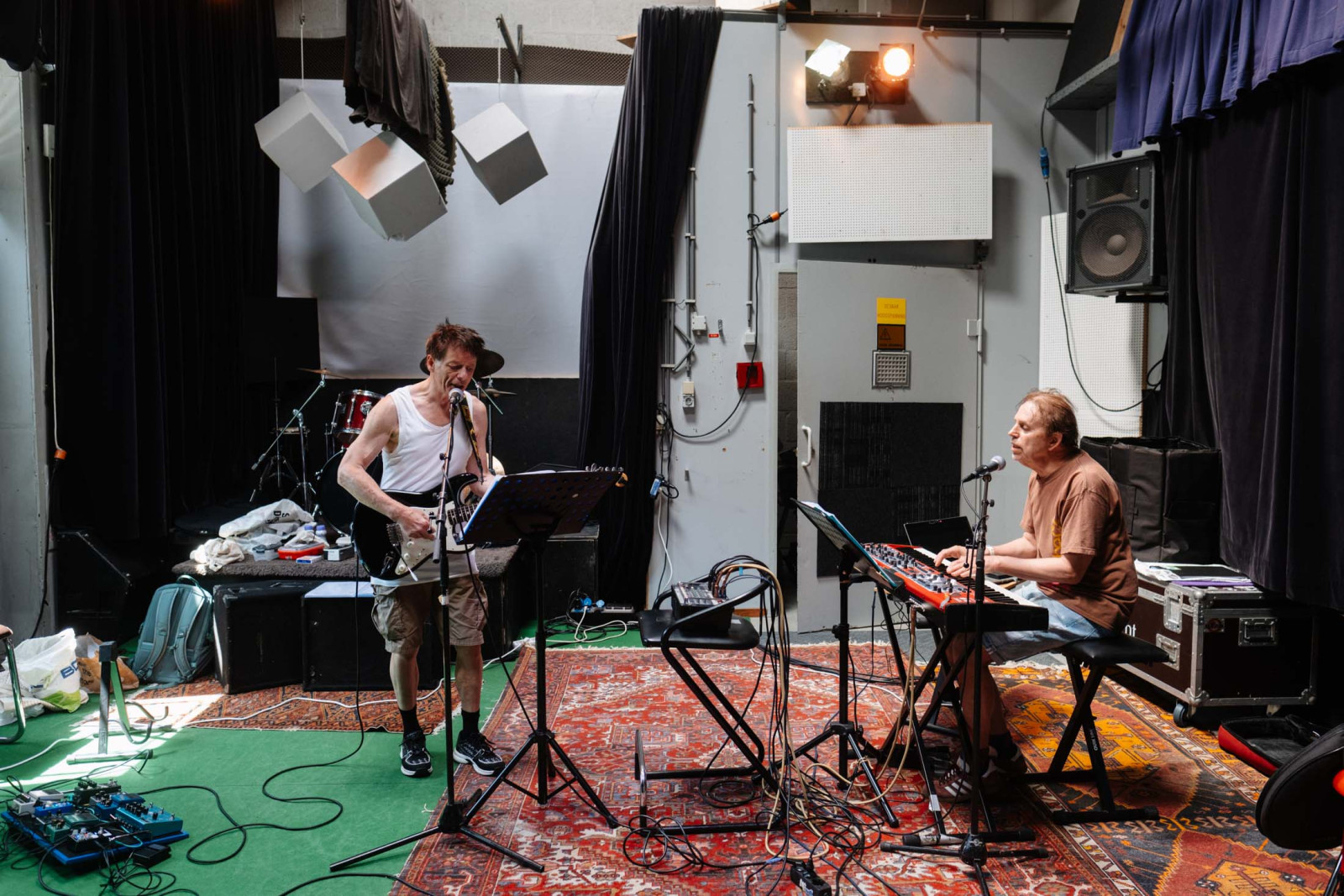
In the 1990s, René Siebel established a space where young people from Amsterdam North could produce music using computers. Later, he focused on providing the equipment needed to perform music for an audience. He built a network within the Dutch music industry, allowing him to acquire professional sound systems, mixers, video cameras, and recording equipment at low cost. In 2017, he founded Rewind Music Studio in a former building of cable manufacturer Draka, on the edge of a transforming industrial area, the Hamerkwartier. From top Dutch pop musicians to local amateurs: anyone serious about music is welcome to come here to rehearse or do pre-production for shows and tours.
René cares about the well-being of the musicians: he gives feedback, coaches, and teaches them how to play more softly while making the music sound better. The binding force of music is what drives him. Every Friday, Dick and two other band members come to make music under the guidance of the care organization Cordaan. These sessions are intended both as music therapy and as rehearsals for the band’s performances in Cordaan’s care facilities.
When the lease was terminated in 2022, Rewind Music Studio managed to stay at the last minute. However, in June of this year, the lease was terminated again, and this time it seems serious. The decision is remarkable because earlier this year, the zoning plan that would have allowed for housing was overturned by the Council of State. The safety risks associated with the nearby Ketjen chemical plant have not been adequately mapped. For the time being, new construction is therefore not possible. René is currently negotiating a new location in Amsterdam North, supported by a team of experienced professionals from the music and entertainment industry who volunteer their expertise for the cause.
Interview met eigenaar René Siebel.
14:37
Since: 2017 / Address: Hamerstraat 2-4 / Function: workspaces for musicians / Perspective: lease is terminated, negotiations for a new locations are ongoing
On Sunday 16 November we cycle past six of the places. Bring your own bike; we start at 11:00 at the ferry at Buiksloterweg.
Registration is not required.